Mandatory Heel Prick Test and Hearing Screenings for Newborns
The moment you hold your newborn in a Danish maternity ward, the sheer exhaustion is often met with a whirlwind of administrative and medical tasks that can feel overwhelming if you didn't grow up in the system. I remember sitting in a dimly lit room at Rigshospitalet, barely having slept, when a midwife started explaining the "hæleprøve" while my brain was still trying to process how to change a diaper. This guide solves the confusion around Denmark's mandatory newborn screenings, ensuring you know exactly when, where, and why these tests happen so you can focus on your new arrival.
Understanding the Philosophy of Danish Neonatal Care
In Denmark, the healthcare system operates on a "preventative first" mindset. The logic is simple: catching a rare condition in the first few days of life is significantly more effective—and cheaper for the state—than treating a developed chronic illness later. As an expat, you might find the speed at which these tests occur a bit startling. Unlike some countries where you might wait a week for a follow-up, Denmark wants these results fast.
This proactive approach is part of the broader Healthcare in Denmark for Foreign Residents: Complete System Guide (2027) that every new parent should familiarize themselves with. The system is designed to be a safety net, but it requires you to be proactive about showing up to appointments, especially if you have a "short stay" birth where you leave the hospital within hours of delivery.
For many foreigners, the transition into this system happens while they are still navigating their initial residency. If you are in those first few months and haven't quite settled your paperwork, having Expat Health Insurance: Coverage Before You Get Your CPR Number is vital. During this transitional period, products like SafetyWing can provide a necessary buffer for the parents, though the newborn's screenings are typically handled by the public birth clinic once the birth is registered.
The Heel Prick Test (Hæleprøve): The 48-Hour Window
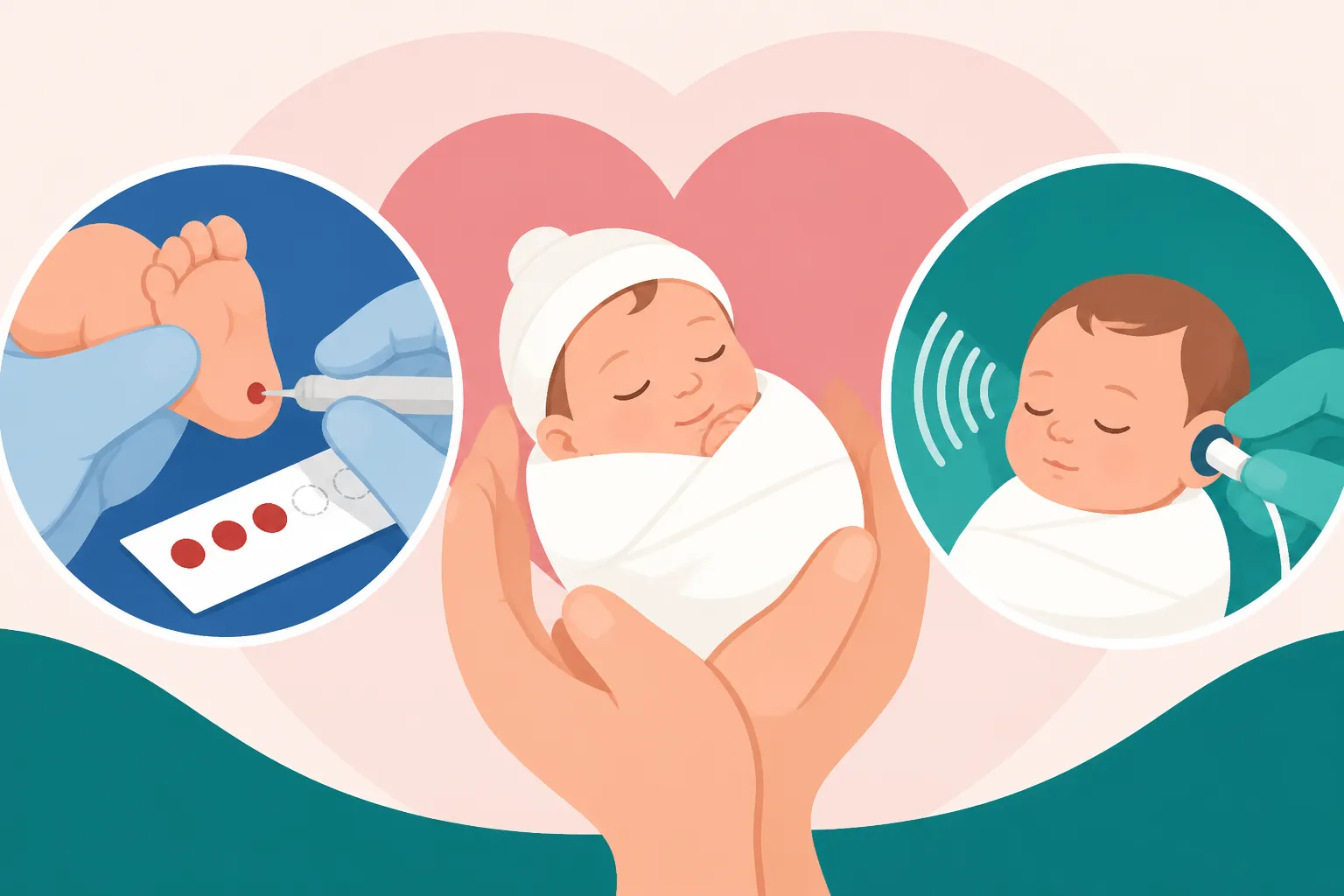
The heel prick test, known locally as the hæleprøve, is perhaps the most critical screening your baby will undergo. It is a blood test used to screen for more than 25 rare but serious hereditary diseases. These include metabolic disorders, endocrine diseases, and cystic fibrosis.
Why the Timing is Non-Negotiable
The test must be performed as close to 48 to 72 hours after birth as possible. This specific window is crucial because certain metabolic markers only become visible in the blood after the baby has started feeding (either breast milk or formula) and their metabolism has "kicked in." If you do the test too early, you might get a false negative; too late, and the window for early intervention begins to close.
If you had an ambulant birth (meaning you left the hospital 4 to 6 hours after delivery), it is your responsibility to return to the hospital’s maternity ward or a designated laboratory for this test. The hospital won't always call to remind you; they expect you to know the protocol established during your Pregnancy in Denmark: Midwife Consultations, Scans, and Hospital Births appointments.
What Diseases Are Screened?
The screening covers a wide spectrum, but the most well-known are:
- Phenylketonuria (PKU): A condition where the body cannot break down an amino acid called phenylalanine.
- Congenital Hypothyroidism: A thyroid hormone deficiency that can affect growth and brain development.
- Cystic Fibrosis: A genetic disorder affecting the lungs and digestive system.
- MCADD: A condition where the body has trouble breaking down certain fats for energy.
For parents who prefer an extra layer of security or want access to private consultations regarding genetic results, some choose to supplement the public system with Private Health Insurance (Sygeforsikring "danmark"): Is It Worth It? or international plans like Cigna Global. While the public system is excellent at the testing itself, international plans can sometimes offer faster access to specialized pediatricians if you want a second opinion on the results.
The Newborn Hearing Screening (Hørescreening)
While the heel prick focuses on internal chemistry, the hearing screening is all about sensory development. About 1 to 2 out of every 1,000 babies in Denmark are born with significant hearing loss. Detecting this early is essential for language development.
How the Test is Conducted
The test is entirely painless and is usually performed while the baby is sleeping or very quiet. The most common method used in Danish hospitals is the OAE (Otoacoustic Emissions) test. A tiny, soft probe is placed in the baby's ear, which sends clicking sounds. A microphone in the probe then records the "echo" response from the inner ear.
If the OAE test is inconclusive—which happens often if there is still amniotic fluid in the ear canal—don't panic. The staff will usually try again later or move to an AABR (Automated Auditory Brainstem Response) test, which uses sensors placed on the baby’s head to measure how the hearing nerve responds to sound.
Logistics for Expats
If your baby was born at a large hospital like Rigshospitalet or Aarhus University Hospital, the hearing test might even be done before you are discharged. However, if you moved through the system quickly, you might be given an appointment for a week later. You will need your The Yellow Health Card (Sundhedskort): Your Key to Danish Healthcare for these follow-ups. If you haven't received yours yet, the hospital will use the mother's CPR number and the baby's temporary "S-number" or birth registration.
Comparing the Two Primary Screenings
| Feature | Heel Prick Test (Hæleprøve) | Hearing Screening (Hørescreening) |
|---|---|---|
| Timing | 48–72 hours after birth | Birth to 10 days old |
| Method | Small blood sample from the heel | Acoustic probe in the ear |
| Primary Goal | Detecting 25+ metabolic/genetic diseases | Detecting permanent hearing loss |
| Urgency | Very High (Strict window) | High (For language development) |
| Location | Hospital Lab or Maternity Ward | Hospital or Audiology Clinic |
| Result Time | 7–10 days (only notified if positive) | Immediate (usually) |
The Role of the Sundhedsplejerske (Health Visitor)
One of the unique aspects of having a baby in Denmark is the sundhedsplejerske system. Within the first week of arriving home, a specialized nurse will visit your apartment. I remember my first visit; I was terrified she was there to "inspect" my parenting, but she was actually there to check the baby’s weight, discuss the results of the screenings, and ensure the Family Health in Denmark: Pregnancy, Maternity, and Pediatric Care transition was going smoothly.
The health visitor will often be the one to double-check that you actually got the heel prick done. If you missed it, they will help you navigate the bureaucracy to get it scheduled immediately. They are also a great resource if you are struggling with the digital side of things, such as Sundhed.dk and MitID: Navigating Denmark’s Digital Health Portals, where your baby's records will eventually appear.
Navigating Results and "Inconclusive" Findings
In Denmark, the "No News is Good News" policy is the gold standard for the heel prick test. If the results are normal, you will not receive a letter or a phone call. You can eventually see the results on Sundhed.dk, but the system doesn't proactively notify you of a negative (normal) result.
However, if something is flagged, you will be contacted very quickly—often by phone—and asked to come in for a repeat test or a consultation with a specialist. As an expat, this phone call can be terrifying. It is important to remember that an "inconclusive" result or a request for a re-test often happens because the blood sample wasn't large enough or the baby was too young at the time of the prick.
If you find yourself needing specialized care or a referral after a screening, understanding The Role of the GP: Why You Cannot Go Directly to a Specialist is important, although for newborn screenings, the hospital usually bypasses the GP and sends you directly to a neonatal department. During these stressful times, having a plan like Cigna Global can be a comfort, as it often includes coverage for private room stays or international specialist consultations if you feel the need to seek advice outside the Danish public system.
Practical Tips for the Day of the Test
When you head back to the hospital for the screenings, there are a few "expat-to-expat" tips that will make your life easier:
- Warm the Feet: For the heel prick, the blood flows much better if the baby's feet are warm. Keep those little socks on or hold their foot in your hand before the nurse arrives.
- Feed During the Prick: If you are breastfeeding or bottle-feeding during the heel prick, the baby is much less likely to cry. The distraction of sucking is a natural pain reliever.
- The "Quiet" Rule for Hearing: For the hearing test, try to time it so the baby is full and sleepy. If the baby is crying or even sucking aggressively on a pacifier, the machine might not be able to get a clear reading.
- Bring Your Documentation: Even if you don't have the yellow card yet, bring your discharge papers from the hospital. It makes the Understanding CPR Registration and Your Healthcare Entitlement process much smoother at the lab desk.
Insurance Considerations for the New Arrival
While the Danish state covers these screenings for anyone with a CPR number (or those in the process of getting one), there is a "grey zone" for some expats. If you are a non-EU citizen and your visa status is still being processed, you might worry about costs. Generally, birth and immediate neonatal care are treated as emergency/essential care, but having SafetyWing can cover the parents' side of the medical journey, while Cigna Global is often favored by long-term expats who want a seamless transition between the public system and private pediatric options.
For those who want to understand more about the long-term health journey in Denmark, it is worth looking into Vaccinations in Denmark: The Childhood Immunisation Programme and How to Find an English-Speaking Pediatrician for Your Child. While the GP handles most things in Denmark, the newborn screenings are the very first step in a very well-organized, albeit highly digital, healthcare journey for your child.
What Happens if You Decline?
In Denmark, these tests are technically voluntary, but they are "strongly recommended" to the point where declining them will trigger a series of conversations with your midwife, health visitor, and potentially a doctor. The medical community here views these tests as a fundamental right of the child to a healthy start. If you have concerns about DNA storage—as Denmark does keep the "blood spots" in a national biobank for research purposes—you can actually opt-out of the storage while still consenting to the test itself. You can find forms for this on the Statens Serum Institut website or by asking your Finding Medical Care in Denmark: GPs, Specialists, and Referrals contact.
Conclusion of the Screening Phase
Once the heel prick and hearing tests are behind you, you have successfully cleared the first major medical hurdles of parenting in Denmark. The next steps usually involve the 5-week check-up with your own GP. Make sure you have mastered How to Choose and Change Your General Practitioner (GP) in Denmark before that milestone arrives, as you’ll want a doctor you feel comfortable with for the next several years of your child's life.
Disclaimer
This article is for informational purposes only and does not constitute professional medical or legal advice. While we strive to keep the information up to date, Danish healthcare regulations and screening protocols may change. Always consult with your Danish midwife, GP, or the local health authorities regarding your specific situation and the health of your newborn. For urgent medical concerns, please follow the guidelines in Emergency Medical Care in Denmark: Calling 112, Lægevagten, and ERs.