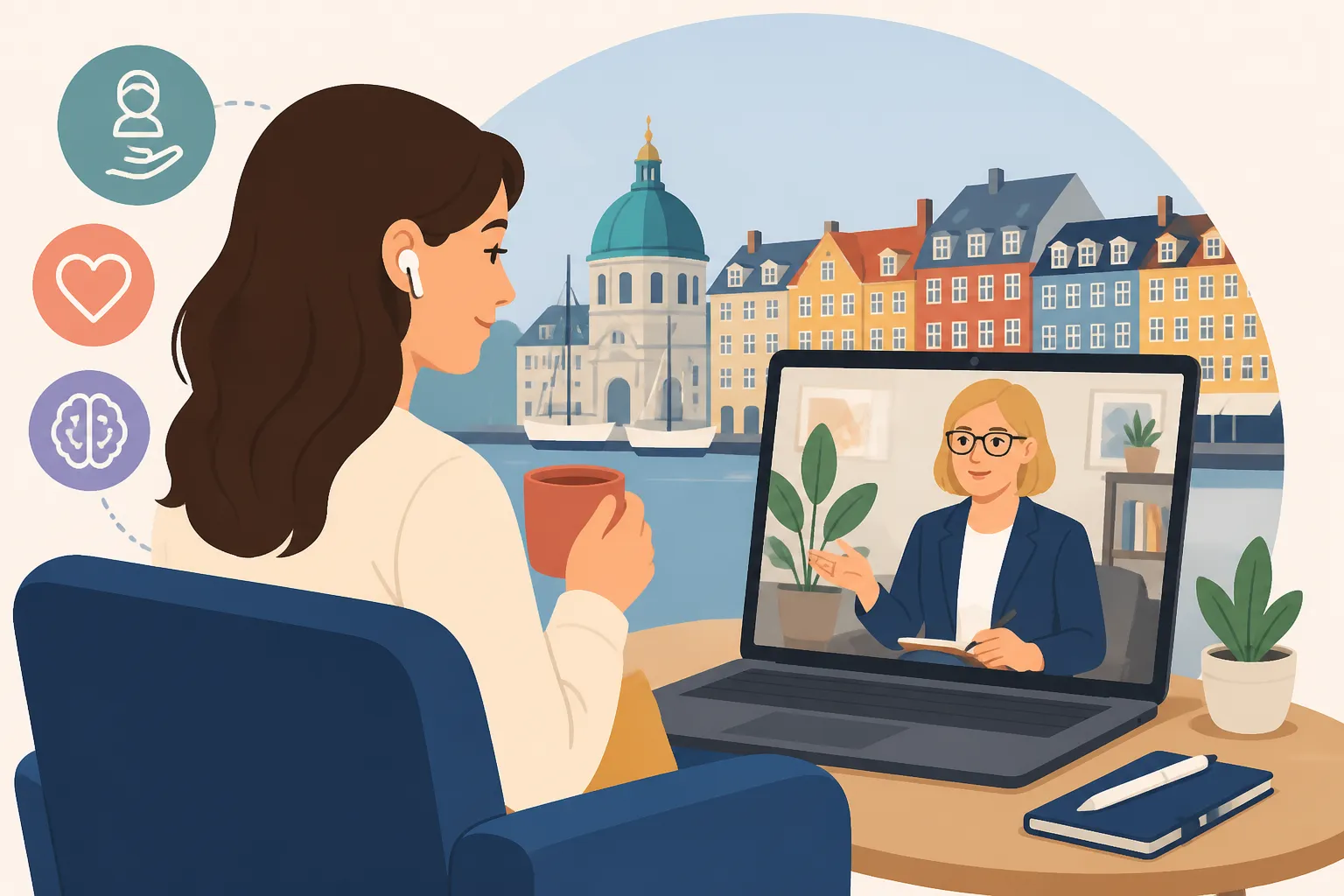
Accessing English-Speaking Therapists and Counselors in Copenhagen
The struggle of finding a mental health professional who truly understands your cultural context and native language while living abroad is a daunting weight to carry. I remember sitting in my first Copenhagen apartment during a rainy November, feeling a profound sense of isolation and realizing that my limited Danish wasn't enough to explain the complexities of my anxiety to a local doctor. This guide provides the exact steps to navigate the Danish system and find English-speaking therapists and counselors in Copenhagen.
Navigating the Danish Mental Health System as an Expat
When you first arrive in Denmark, the healthcare system can feel like an impenetrable fortress of bureaucracy. The most important thing to realize is that mental health is integrated into the public system, but the "gatekeeper" model is strictly enforced. You cannot simply book a subsidized appointment with a psychologist on your own; everything begins with your primary physician.
The Role of the General Practitioner (GP)
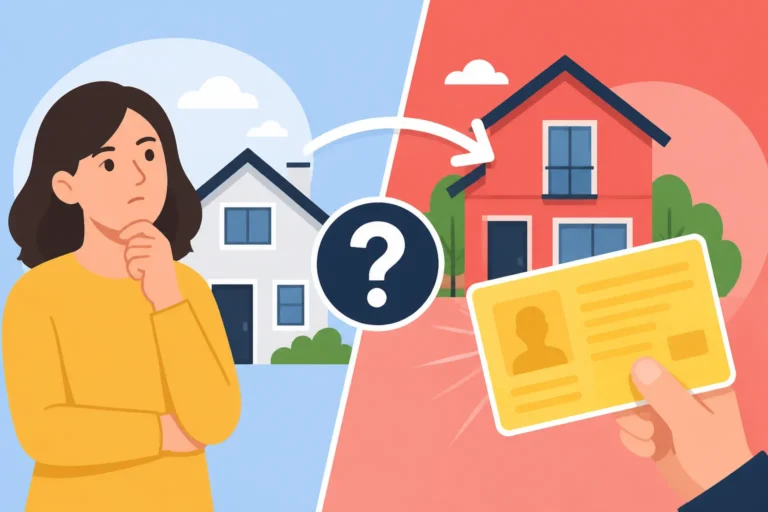
Your journey into the public mental health sphere always starts at your local doctor's office. Once you have received The Yellow Health Card (Sundhedskort): Your Key to Danish Healthcare, you are assigned a General Practitioner. If you are struggling with depression, anxiety, or post-traumatic stress, you must book a "standard" appointment to discuss these concerns. Be prepared for a direct conversation; Danish doctors value clarity. You will need to describe your symptoms specifically to receive a referral.
In my experience, it helps to be very honest about the "expat factor." Tell your GP if your mental health is being impacted by the move, the language barrier, or the lack of a social network. They need to understand the full picture to determine if you qualify for a subsidized referral. This referral is essential because it allows the state to cover about 60% of the cost, but it is typically only granted for specific categories such as bereavement, depression, or victims of violence.
Understanding Wait Times and Referrals
Once you have your referral, you will likely face the "Danish Wait." Even in a major hub like Copenhagen, the waiting list for a public psychologist can range from three to nine months. This is often a shock to expats coming from countries with faster private systems. You can use the website Sundhed.dk to see which psychologists have the shortest wait times. When you log in, you can see your referral and search for practitioners in regions like Frederiksberg, Østerbro, or Valby.
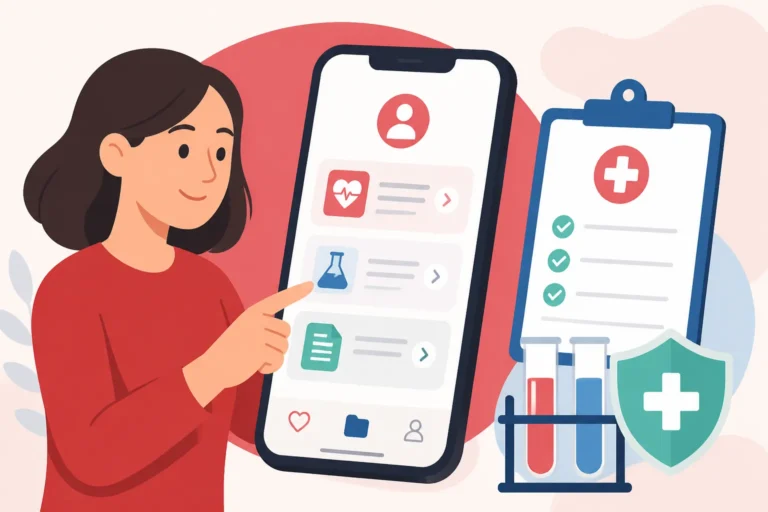
Knowing How to View Your Medical Records and Lab Results on Sundhed.dk is incredibly useful here, as it allows you to track your referral status. If the wait times in the public system are too long for your current state of mind, you might need to consider private options. This is where many foreigners choose to bypass the public system entirely to get help within days rather than months.
The Public System vs. Private Practice
The public system is excellent for long-term, subsidized care if you fit the criteria, but the choice of therapists is often limited. In the private sector, however, Copenhagen has a thriving community of English-speaking therapists. These professionals often have international backgrounds themselves and understand the specific stressors of relocating to Scandinavia.
When choosing between the two, consider your budget. A private session in Copenhagen typically costs between 1,000 DKK and 1,500 DKK. While this is a significant investment, the ability to find a therapist who specializes in "Third Culture Kids" or "Expat Burnout" can be life-changing. If you are still waiting for your CPR number, you may need to look at Expat Health Insurance: Coverage Before You Get Your CPR Number to see how you can bridge the gap.
Finding English-Speaking Therapists in Copenhagen
Copenhagen is a cosmopolitan city, but finding a therapist who is not just "fluent" in English but understands the nuance of your native tongue is a different challenge. You want someone who understands the difference between a "rough patch" and the deep-seated cultural mourning that often accompanies international relocation.
Private Directories and Networking
One of the most reliable ways to find a counselor is through the "Psykologer i Danmark" directory. You can filter your search by "English" under the language tab. However, don't stop there. Many expats find their best matches through word-of-mouth in local Facebook groups like "Expats in Copenhagen" or via professional networks.
There are several dedicated clinics in the city center, particularly around Nørreport and Vesterbro, that cater specifically to the international community. These clinics often employ psychologists from the UK, USA, or Canada. When you contact them, ask specifically about their experience with Mental Health in Denmark: Accessing Psychologists and Therapy for Expats and whether they offer a free 15-minute introductory call to see if your personalities mesh.
Specialized Care for the Expat Community
Expats often face unique psychological hurdles, such as "identity loss" when their professional titles don't carry over, or the strain of a long-distance relationship. Copenhagen has counselors who specialize in "Relocation Transition." These specialists don't just treat the symptoms; they help you build a toolkit for surviving the Danish social landscape.
For example, many newcomers have struggled with the "closed" nature of Danish social circles. A specialized therapist can help you navigate these cultural walls without taking the rejection personally. If your needs are more clinical, such as a formal diagnosis for a pre-existing condition, you should look into Psychiatric Care in Denmark: Referrals, Diagnosis, and Treatment to understand how the specialist system works.
Online vs. In-Person Therapy Options
In a post-pandemic Copenhagen, many therapists offer a hybrid model. If you live in the suburbs like Hellerup or further out in Roskilde, online therapy can be a godsend. It also opens up the possibility of seeing a therapist based in your home country. However, be aware of the tax and insurance implications of using a therapist outside of Denmark.
In-person therapy in Copenhagen often takes place in beautiful, "hyggelige" offices in old apartment buildings. There is something profoundly healing about walking through the King's Garden (Kongens Have) after a session to process your thoughts. If you prefer the face-to-face connection, prioritize therapists located near Metro stations to make your commute stress-free, especially during the dark winter months.
Costs and Insurance Coverage for Mental Health
Money is often the biggest barrier to accessing mental health care in Denmark. While the "Yellow Card" covers many things, psychology is only partially subsidized, and only under strict conditions. Understanding your financial options is crucial to maintaining a long-term treatment plan.
Public Subsidies and the Yellow Card
As mentioned, if you have a referral for depression or anxiety, the public system pays a portion of the fee. As of 2026, the patient's co-payment is usually around 450 DKK per session for the first few sessions. However, the number of subsidized sessions is capped—usually at 12 sessions. If you need more, your GP must apply for an extension.
It is vital to remember that not all psychologists accept the "Yellow Card" referral. You must find a "Psykolog med ydernummer" (a psychologist with a provider number). These are the only ones who can take the state subsidy. If you see a private psychologist without this number, you will have to pay the full price out of pocket, regardless of your referral.
Private Health Insurance: Sygeforsikring "danmark"
Many Danes and savvy expats join a private insurance collective called Sygeforsikring "danmark." This is not traditional insurance but a membership-based reimbursement scheme. If you are a member of "Group 1" or "Group 2," you can get a significant amount of money back for each therapy session.
Before you sign up, check Private Health Insurance (Sygeforsikring "danmark"): Is It Worth It? to see if you qualify. They often have a "waiting period" for pre-existing conditions, so it is best to join as soon as you arrive in the country. Many employers also provide "Sundhedsforsikring" (private health insurance) as a perk. Check your work contract; companies like Mærsk or Novo Nordisk often use providers like Danica or PFA, which usually cover 5 to 10 sessions with a private psychologist with zero wait time.
International Expat Insurance: SafetyWing and Cigna Global
For those who are in Denmark on a shorter basis, or who haven't yet qualified for the full Danish social security benefits, international expat insurance is a vital safety net. Brands like SafetyWing and Cigna Global offer plans that are specifically designed for the nomadic or international lifestyle.
SafetyWing is often favored by younger expats and digital nomads because of its flexibility and lower price point. It can provide coverage for emergency mental health situations. On the other hand, Cigna Global offers more comprehensive, modular plans where you can specifically add mental health and vision care modules. If you have a history of needing therapy, a Cigna Global plan might allow you to continue seeing private English-speaking specialists without worrying about the Danish public system's restrictions.
| Option | Cost per Session | Wait Time | Coverage |
|---|---|---|---|
| Public (Referral) | ~450 DKK | 3-9 Months | Limited (12 sessions) |
| Private (Full) | 1,000 – 1,500 DKK | 1-7 Days | Unlimited |
| Employer Insurance | 0 DKK | 1-2 Weeks | Usually 5-10 sessions |
| International (Cigna) | Varies by plan | 1-7 Days | High (Plan dependent) |
Cultural Nuances of Therapy in Denmark
Therapy is not just about talking; it's about being understood within your environment. Denmark has a very specific cultural "vibe" that can influence how therapy is conducted and how you feel as a patient.
The Danish Approach to Psychology
Danish psychologists tend to be very evidence-based. Cognitive Behavioral Therapy (CBT) is the dominant school of thought here. If you are looking for deep, years-long psychoanalysis, you might find the Danish system a bit too "goal-oriented." Danes value functionality—the goal of therapy is often to get you back to a place where you can work and socialize effectively.
This directness can be refreshing, but it can also feel a bit cold if you are used to a more nurturing style of counseling. Don't be afraid to tell your therapist if you need a different approach. Most English-speaking therapists in Copenhagen are well-versed in different modalities, such as ACT (Acceptance and Commitment Therapy) or person-centered therapy.
Overcoming the Language Barrier
Even if your therapist speaks perfect English, the "emotional language barrier" is real. Sometimes, we don't have the words in our second language to describe a feeling that is deeply rooted in our upbringing. If you find yourself struggling, some expats find it helpful to write down thoughts in their native language and use a translation app or a dictionary during the session to find the closest English equivalent.
Communication is key, not just in the session, but in the logistics. Make sure you understand the cancellation policies, which are quite strict in Denmark. Most therapists require 24-hour notice, or you will be charged the full fee. This is part of the Danish cultural emphasis on punctuality and respect for professional time.
Handling the Winter Blues (SAD)
No guide to mental health in Copenhagen would be complete without mentioning Seasonal Affective Disorder (SAD). From November to March, the lack of sunlight is a major trigger for mental health declines among the expat community. Many English-speaking counselors in the city specialize in treating "Winter Depression."
They will often recommend a combination of talk therapy, light therapy, and Vitamin D supplementation. If you find your mood plummeting as the days get shorter, don't wait. Check out Winter Depression (SAD) in Denmark: Light Therapy and Vitamin D Tips for immediate strategies you can use alongside your counseling sessions. Sometimes, just having a professional validate that "yes, the darkness is objectively hard" can make a world of difference.
Emergency Mental Health Support in Copenhagen
If you find yourself in a crisis, you cannot wait for a GP appointment or a private booking. Copenhagen has specific resources for immediate psychiatric help that every expat should have saved in their phone.
Psychiatric Emergency Rooms (Psykiatrisk Skadestue)
In Denmark, psychiatric emergencies are handled at specific locations, not usually at the general ER. In the Capital Region (Region Hovedstaden), the main psychiatric emergency room is located at Bispebjerg Hospital. It is open 24/7, and you do not need a referral to show up if you are in acute distress or feeling suicidal.
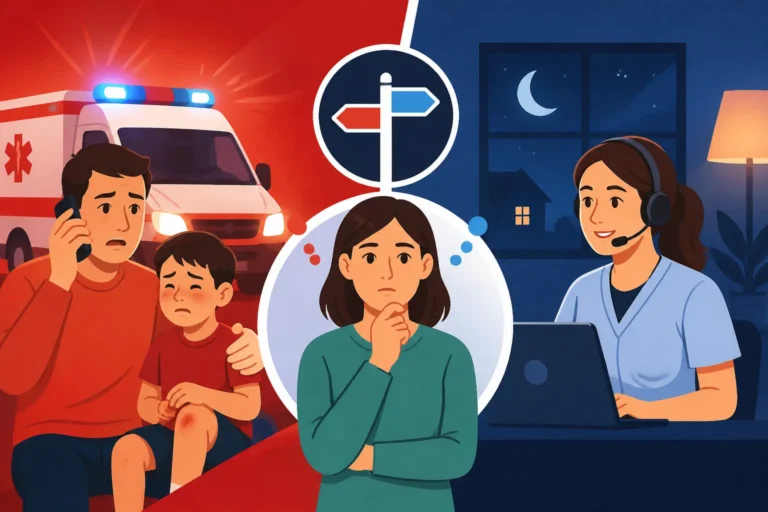
The staff at these units speak English, and they are trained to handle crises. If you are unsure whether your situation constitutes an emergency, you should call the out-of-hours medical service. Knowing the difference between Emergency vs. Out-of-Hours Care: When to Call Lægevagten (1813) is vital. Calling 1813 will put you in touch with a nurse who can direct you to the nearest psychiatric unit or dispatch help if needed.
Crisis Hotlines and Helplines
For moments when you just need to talk to someone immediately but don't require a hospital visit, there are several hotlines. "Livslinien" is the main suicide prevention hotline in Denmark (70 201 201). While their primary language is Danish, almost all of their volunteers speak excellent English and will switch languages to help you.
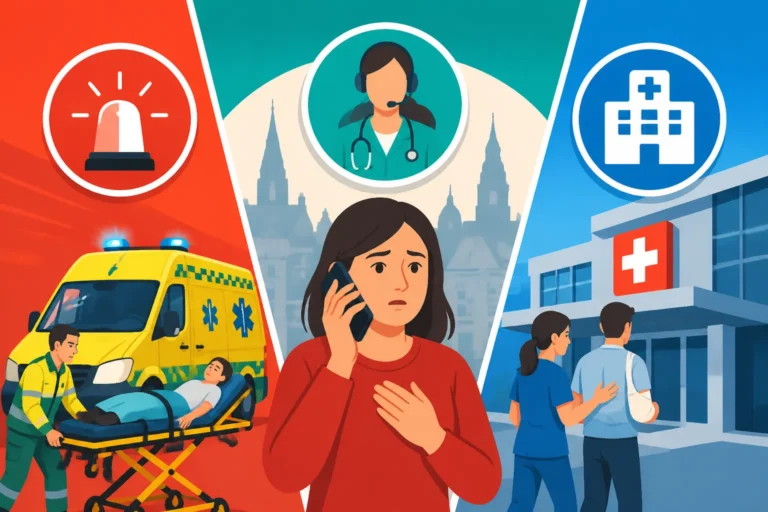
There are also specific English-language services. Many expats use international helplines or local organizations like "The Red Cross" (Røde Kors), which sometimes offers support groups for foreigners. For more general emergencies, remember the standard procedure for Emergency Medical Care in Denmark: Calling 112, Lægevagten, and ERs. 112 is for life-threatening situations, while 1813 is for everything else that can't wait for your GP.
Moving Forward with Your Mental Health
Getting help in a foreign city is an act of bravery. It took me three months to finally make that first GP appointment, but once I did, the fog began to lift. Copenhagen is a city that values well-being, but you have to be your own advocate to access it.
Start by checking your insurance. If you have SafetyWing or Cigna Global, call them first to see which private providers they recommend. If you are relying on the public system, get that GP appointment booked tomorrow. Don't let the "Copenhagen Gloom" convince you that you have to handle everything alone. There is a whole community of English-speaking professionals ready to help you navigate your new life in Denmark.
Disclaimer
This article is for informational purposes only and does not constitute professional medical or psychological advice. Mental health situations can be complex and vary significantly based on individual circumstances. If you are experiencing a mental health emergency or are in immediate danger of self-harm, please call 112 or visit the nearest psychiatric emergency room (Psykiatrisk Skadestue) immediately. Always consult with a qualified healthcare professional regarding any medical or mental health concerns.