Emergency Medical Care in Denmark: Calling 112, Lægevagten, and ERs
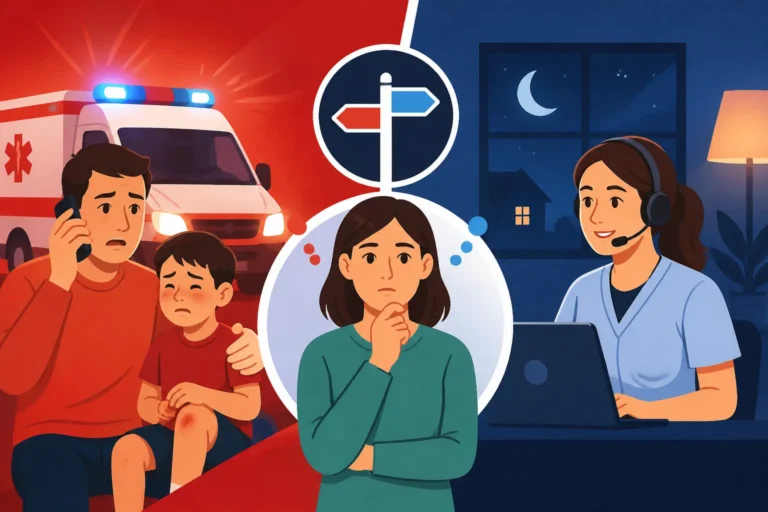
Waking up at 2 AM in a dark apartment in Aarhus or Copenhagen with a sharp, unexplained pain or a child’s spiking fever is a uniquely terrifying experience when you are far from home. I remember my first winter in Denmark, staring at my phone, paralyzed because I realized I didn't actually know if I should call the police, a doctor, or just drive to a hospital that might not even let me in. This guide dismantles that confusion, providing a clear roadmap for navigating 112, the Lægevagten, and emergency rooms so you never have to feel that helplessness again.
Understanding the Danish Emergency Hierarchy
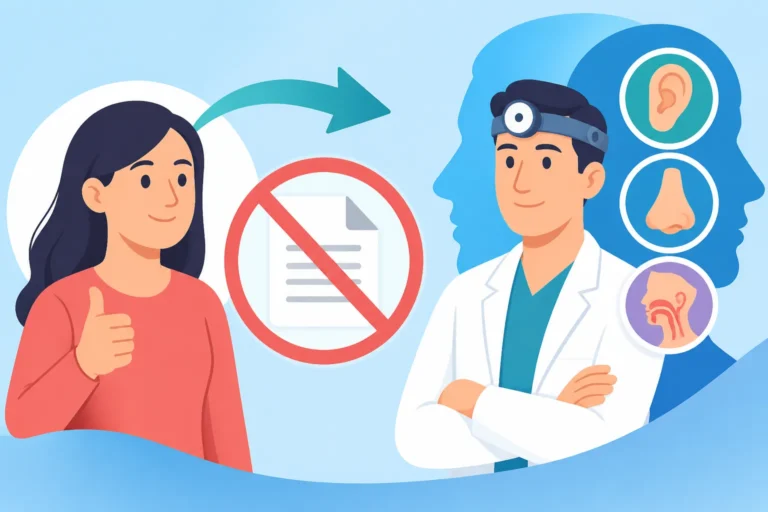
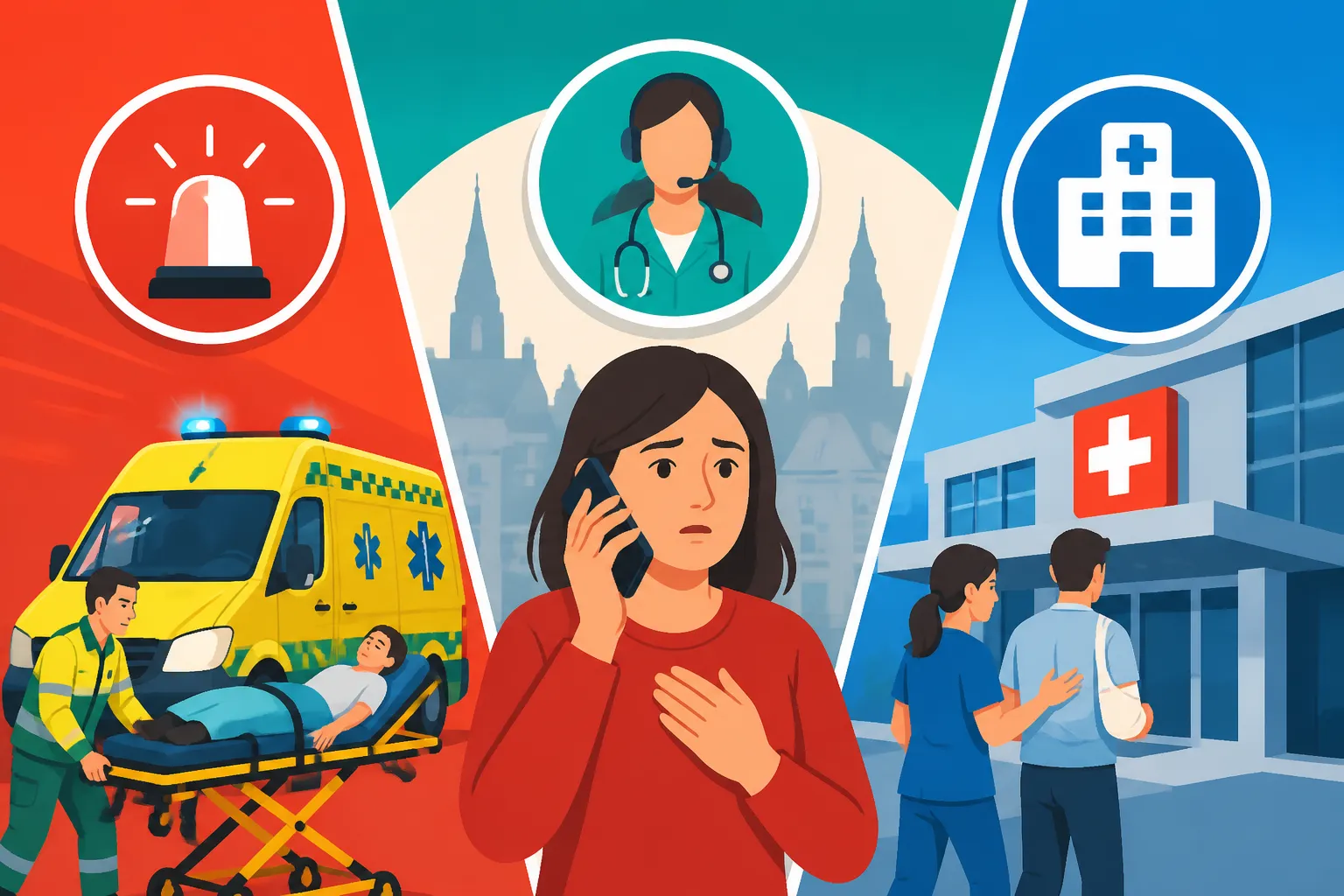
The Danish healthcare system is world-class, but it is also highly structured and relies heavily on a "gatekeeper" model. Unlike in many other countries, you cannot simply walk into an emergency room (Akutmodtagelse) for a non-life-threatening issue. If you do, you will likely be turned away at the door and told to call the appropriate hotline first. Understanding this hierarchy is the difference between getting immediate care and spending four hours in a waiting room only to be told to go home.
The Gatekeeper System Explained
In Denmark, your primary point of contact for any health issue is your General Practitioner (GP). However, emergencies don't always happen between 8:00 and 16:00 on weekdays. When the GP clinics are closed, the responsibility shifts to the out-of-hours service, known as Lægevagten. This system is designed to ensure that the hospital's emergency resources are reserved for those who truly need them. For a deeper dive into how the standard system works, you should read our guide on Healthcare in Denmark for Foreign Residents: Complete System Guide (2027).
The "gatekeeper" is usually a nurse or a doctor on a phone line who triages your case. They will decide if you need advice over the phone, a prescription sent to a 24-hour pharmacy, an appointment at an out-of-hours clinic, or an immediate referral to the ER. This prevents the "clogging" of emergency services that is common in other European or American systems. If you are still in the process of choosing a doctor, check out Finding Medical Care in Denmark: GPs, Specialists, and Referrals to understand the daytime side of this equation.
The Importance of the CPR Number and Yellow Card
Your access to this system is almost entirely tied to your CPR number and your "Sundhedskort." When you call any emergency line, the first thing they will ask for is your 10-digit CPR number. This allows the operator to pull up your medical history, current prescriptions, and your home address instantly. If you are a new arrival and haven't received your card yet, don't panic—emergency care is still available, but the process involves more manual data entry.
For those who are just starting their journey in Denmark, it is vital to understand The Yellow Health Card (Sundhedskort): Your Key to Danish Healthcare. Without this card (or the digital version on your phone), navigating the triage process becomes significantly more cumbersome. If you are a tourist or an expat in the "waiting period" for your CPR number, ensure you have your passport and private insurance details, such as those from SafetyWing or Cigna Global, ready to provide to the staff.
Triage Categories and Wait Times
Once you enter the emergency system—whether via phone or in person—you are assigned a triage category. These range from "Red" (Immediate life-threatening) to "Green" (Minor injury). In Denmark, the staff is very transparent about wait times, but they will always prioritize a "Red" case over a "Green" case, regardless of who arrived first. It is a common frustration for expats to wait four or five hours for a few stitches while ambulances bring in more critical patients.
Understanding Waiting Times in Danish Public Hospitals and Patient Rights can help manage your expectations. The system isn't ignoring you; it is simply functioning on a strictly medical priority basis. If your condition worsens while you are waiting, you must inform the triage nurse immediately. They are trained to re-evaluate you if your symptoms evolve.
Calling 112: Life-Threatening Emergencies Only
The number 112 is the universal emergency number in Denmark for life-threatening situations. This is not for a broken finger or a high fever; this is for when a person is unconscious, has severe chest pains, difficulty breathing, or has been in a major accident. I’ve had to dial this once for a neighbor, and the speed of the response was incredible, but the questions asked were very specific.
When to Dial 112
You should call 112 if you witness or experience a situation where every second counts. This includes suspected heart attacks, strokes, severe bleeding that won't stop, or a fire. The operators are highly trained to remain calm and will talk you through basic first aid or CPR until the ambulance arrives. For a detailed breakdown of the protocol, see Calling 112 in Denmark: English Support for Ambulance Dispatch.
It is worth noting that 112 operators in Denmark are almost always fluent in English. They will ask: "Where are you?", "What happened?", and "How many people are hurt?". If you are calling from a mobile phone, they can often see your GPS location, but you should still be prepared to give a street name and house number. If you are in a large apartment complex, sending someone down to the street to flag the ambulance can save vital minutes.
Language Support and Communication Tips
While English is widely spoken, in a moment of high stress, there can still be minor communication gaps. Be direct. Use short sentences. Instead of saying "I think my friend might be having some trouble with his heart," say "My friend has severe chest pain and is sweating." The operator needs data, not nuances. If you are struggling with the language, you can ask for an interpreter, but in a 112 situation, they will prioritize immediate action over perfect translation.
If you are an EU citizen, your care is largely covered by the EHIC system, but for others, the financial side can be a worry. You might wonder, Are Ambulances Free for Foreigners and Tourists in Denmark?. Generally, for emergency stabilization, the answer is yes, but long-term hospital stays or repatriation are where things get expensive. This is why having a plan through Cigna Global or SafetyWing is highly recommended for non-residents.
What Happens When the Ambulance Arrives
In Denmark, ambulances are often staffed by paramedics who have the authority to begin treatment on-site. They may decide that the patient doesn't actually need to go to the hospital and can be treated by their GP the next day. If they do take you, you will be transported to the nearest Akutmodtagelse. You usually cannot choose which hospital you go to in an emergency; you go where the beds and the specialists are available.
Lægevagten and 1813: The Out-of-Hours Doctor
For most expats, the Lægevagten is the service you will use most often. This is for medical issues that cannot wait until your GP opens at 8 AM but are not life-threatening. This includes things like suspected ear infections, sudden rashes, or small cuts requiring stitches. The most important thing to remember: the phone number depends on where you live.
Regional Phone Numbers for Lægevagten
Denmark is divided into five regions, and each has its own number for the out-of-hours doctor. In the Capital Region (Copenhagen and surrounding areas), the number is 1813. This is a centralized dispatch for both the out-of-hours doctor and the emergency room. In other regions, like Midtjylland or Syddanmark, the numbers are different and usually connect you directly to a rotating group of GPs.
| Region | Phone Number | Service Type |
|---|---|---|
| Capital Region (Hovedstaden) | 1813 | Akuttelefonen (All-in-one) |
| Region Zealand (Sjælland) | 70 15 07 00 | Lægevagten |
| Central Jutland (Midtjylland) | 70 11 31 31 | Lægevagten |
| North Jutland (Nordjylland) | 70 15 03 00 | Lægevagten |
| Southern Denmark (Syddanmark) | 70 11 07 07 | Lægevagten |
If you are confused about which region you fall into, especially if you are living on the border of two, check our guide on Emergency vs. Out-of-Hours Care: When to Call Lægevagten (1813). Always save the number for your specific region in your phone contacts immediately.
The 1813 Experience in Copenhagen
If you live in Copenhagen, 1813 is your lifeline. When you call, you will first speak to a nurse. Be prepared for a wait, especially on weekend evenings or during flu season. The nurse will ask for your CPR number and a description of your symptoms. They have the power to refer you to a doctor for a phone consultation, a video call (using the Min Læge app), or a physical visit to an emergency clinic.
Many expats find the 1813 system frustrating because the nurses are trained to be very conservative. They may suggest you take "Panodil" (paracetamol) and wait until morning. If you feel your situation is more serious, be firm but polite. Explain why you are concerned. For tips on how to handle this call, see What to Say When Calling Lægevagten (Out-of-Hours Doctor).
Physical Consultations and Home Visits
If the triage nurse decides you need to be seen, they will give you an appointment at a "Lægevagt" clinic, usually located at a local hospital. You cannot just show up; you must have that appointment. In very rare cases, such as for the elderly or those with severe mobility issues, the doctor may perform a home visit. However, this is increasingly rare in the modern Danish system.
Emergency Rooms (Akutmodtagelse) and Urgent Care
If you have a broken bone, a deep laceration, or a head injury, you need the Akutmodtagelse. But again, in Denmark, the "call first" rule applies. Even if you are bleeding, if you can safely hold a phone, you or someone with you should call 1813 or your regional Lægevagten number before heading to the hospital.
Why You Must Call Before Going to the ER
Calling ahead allows the hospital to prepare for your arrival and ensures you go to the right facility. Some hospitals specialize in pediatrics, others in trauma or orthopedics. By calling first, the triage nurse can tell you, "Go to Hvidovre Hospital, they have the shortest wait for X-ray right now." This saves you from driving to a hospital only to be redirected across town.
When you arrive, the first thing you will do is find the self-service kiosk. This is a very "Danish" step that often confuses newcomers. You must scan your yellow card to "check in." This tells the system you have arrived for your referred appointment. For more on this, read Why You Must Scan Your Yellow Card in the Waiting Room.
What to Bring to the Emergency Room
If you are referred to the ER, pack a small bag. You should bring your Sundhedskort (Yellow Card), your current medications (or a list of them), and a phone charger. If you are a foreigner without a CPR number, bring your passport and your insurance policy from SafetyWing or Cigna Global. Danish hospitals are very efficient, but the paperwork for non-residents takes time.
If you are an EU citizen, your Blue EHIC card is your golden ticket to avoiding immediate bills. We have a detailed guide on Healthcare for EU/EEA Citizens: Using the Blue EHIC Card in Denmark that explains exactly what is covered. For those from outside the EU, having private insurance is not just a safety net; it often facilitates much smoother administrative handling at the hospital.
Specialized Emergency Services: Dental and Mental Health
Not all emergencies are physical. If you have a dental crisis on a Saturday night—say, a knocked-out tooth or an unbearable abscess—the regular Lægevagten usually won't help. You need the "Tandlægevagten." This is a specialized emergency dental service with its own clinics and fees. Be warned: emergency dental care in Denmark is expensive and usually requires upfront payment. Check Dental Emergency in Denmark: Finding Tandlægevagten on Weekends for locations and pricing.
Similarly, if you are experiencing a mental health crisis, Denmark has "Psykisk Akutmodtagelse" (Psychiatric Emergency Rooms) where you can go without a referral if the situation is urgent. These are safe spaces staffed by specialists who can provide immediate stabilization. For more resources, see our guide on Mental Health Hotlines in Denmark: English Services for Immediate Help.
Costs and Insurance: What Will You Pay?
One of the greatest anxieties for expats is the fear of a massive hospital bill. The good news is that if you are a registered resident with a CPR number, emergency hospital treatment in Denmark is free at the point of use. This is funded through your taxes, and you will not receive a bill for the ambulance or the ER visit.
Residents with a CPR Number
For residents, the system is truly "all-inclusive." Whether it's a simple stitch or a week in the ICU, the public system covers it. However, this does not include medication you take home from the hospital or follow-up dental care. You will receive a prescription, and you'll need to pay for the medicine at the pharmacy.
Tourists and New Arrivals
If you are a tourist or an expat who hasn't yet received their CPR number, the situation is different. While the hospital will never refuse life-saving treatment, they will bill you for the costs afterward. This is where Expat Health Insurance: Coverage Before You Get Your CPR Number becomes vital. Policies from providers like Cigna Global or SafetyWing are designed specifically to bridge this gap, ensuring that a week-long hospital stay doesn't result in financial ruin.
Private vs. Public Emergency Care
It is important to understand that Denmark does not really have "Private Emergency Rooms." While there are private hospitals for elective surgeries and specialist consultations, the emergency infrastructure is entirely public. Even if you have the most expensive private insurance in the world, in a 112 situation, you are going to a public Danish hospital—and that's a good thing, as they are the best-equipped for trauma.
Practical Tips for Surviving a Medical Crisis in Denmark
Being prepared before an emergency happens is the best way to handle the stress when it does. As someone who has navigated this system both as a patient and as a "support person" for other expats, I’ve learned a few tricks that aren't in the official manuals.
Use the Technology Available
Denmark is highly digitized. Download the "Sundhedskort" app so your yellow card is always on your phone. Also, download the "Min Læge" app, which often allows for video consultations with the out-of-hours doctor. Another life-saver is the "112 App," which automatically sends your GPS coordinates to the dispatcher when you call 112. See How to Download the Sundhedskort App on Your Phone for a step-by-step setup.
Know Your Local 24-Hour Pharmacy
In Denmark, pharmacies (Apotek) have strict opening hours. However, in every major city, there is at least one "Døgnapotek" (24-hour pharmacy). If the Lægevagten prescribes antibiotics or painkillers at 11 PM, you need to know where to go. Be prepared to pay a small "out-of-hours" fee (usually around 20-30 DKK) for prescriptions filled at night.
Communication is Key
If you are not comfortable in Danish, don't be afraid to state that clearly at the start of the call. "I speak English, can we continue in English?" is a phrase you should memorize. The staff are professional and want to help, but they need to know if there is a language barrier immediately. If you are in a hospital setting and a complex diagnosis is being discussed, you have a right to an interpreter.
Summary of Emergency Contacts
To make things easier, here is a quick-reference table for the most important numbers you might need during your stay in Denmark.
| Situation | Number to Call | Notes |
|---|---|---|
| Life-Threatening Emergency | 112 | Police, Fire, Ambulance |
| Non-Emergency Police | 114 | Theft, non-urgent reports |
| Out-of-Hours Doctor (Copenhagen) | 1813 | Referrals to ER and clinics |
| Out-of-Hours Doctor (Aarhus) | 70 11 31 31 | Region Midtjylland |
| Poison Control (Giftlinjen) | 82 12 12 12 | 24/7 advice on toxins |
| Emergency Dental | Varies by Region | Look for "Tandlægevagten" |
Disclaimer
The information provided in this guide is for educational and informational purposes only and does not constitute professional medical or legal advice. While every effort has been made to ensure the accuracy of the details regarding the Danish healthcare system as of 2026, rules and phone numbers can change. In a medical emergency, always dial 112 immediately. Always consult with a qualified healthcare provider or the official Danish health authorities (Sundhedsdatastyrelsen) for specific medical guidance or updated policy information.