Dental Emergency in Denmark: Finding Tandlægevagten on Weekends
Waking up with a throbbing toothache on a Saturday morning in Denmark is a rite of passage no expat wants to experience, yet many of us do. I personally spent my first winter in Aarhus pacing my apartment at 3:00 AM, clutching an ice pack and wondering why my regular GP couldn't help with a cracked molar. This guide solves the frantic search for emergency dental care, providing the exact contact details, regional locations, and cost expectations you need to navigate the Danish Tandlægevagten system when your regular clinic is closed.
Understanding the Dental Emergency Landscape in Denmark
The most important thing to realize about the Danish healthcare system is that dental care operates on a different logic than general medicine. While your visits to a family doctor are covered by your taxes, dental care for adults over the age of 22 is primarily private and out-of-pocket. This distinction becomes even more pronounced during the weekends and public holidays. In Denmark, when your usual dentist is closed, you must rely on the Tandlægevagten, which is the emergency dental service.
Unlike the general emergency room (Skadestue), you cannot simply walk into a dental emergency clinic without prior contact. The system is designed to triage patients over the phone to ensure that only "true" emergencies—such as acute pain, bleeding, or trauma—are seen during the limited weekend hours. This can be frustrating when you are in pain, but understanding the hierarchy of care helps manage expectations. If you are a new arrival and haven't yet secured your CPR number, you might find yourself in a tricky spot regarding costs and registration. In such cases, having a plan like SafetyWing can be a lifesaver to cover those initial unexpected dental bills before the public system fully recognizes you.
The Tandlægevagten is not a 24/7 service in most regions. It typically operates on Friday evenings, Saturdays, Sundays, and public holidays. During the work week, if you have an emergency, you are expected to call your regular private dentist. Most clinics reserve "emergency slots" in the morning for their registered patients. If you haven't yet found a regular provider, you should look into Finding Medical Care in Denmark: GPs, Specialists, and Referrals to understand how the broader system connects, even though dentists remain largely autonomous.
Finding Your Local Tandlægevagten: Regional Contact Info
Denmark is divided into five administrative regions, and each manages its emergency dental services differently. It is vital to call the correct number for your specific region, as they will often give you a specific time slot to arrive. Showing up unannounced often results in being turned away or waiting for many hours behind those with appointments.
The Capital Region (Region Hovedstaden)
If you are living in Copenhagen or the surrounding suburbs, the dental emergency service is centralized. You must call the medical helpline first by dialing 1813. The operators here are trained to handle both general medical queries and dental emergencies. If they deem your case urgent, they will refer you to the Tandlægevagten located at Oslo Plads 14, near Østerport Station.
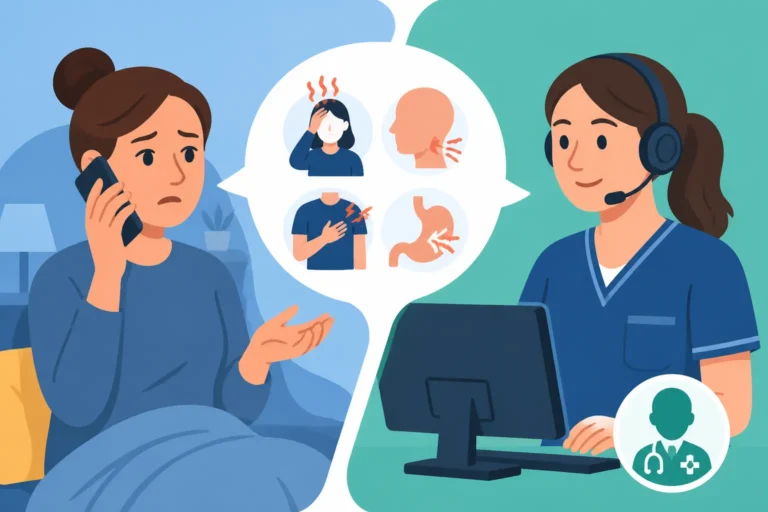
I remember the first time I had to make this call; the operator was very efficient, but they will ask specific questions: Can you sleep? Is there swelling that affects your breathing? Is there a fever? Be honest but clear about the level of pain. The Copenhagen clinic is one of the busiest in the country, so expect a wait even with an appointment. If you are worried about the high costs associated with these visits, some expats opt for comprehensive coverage from providers like Cigna Global to ensure they aren't hit with a massive bill during their first few months in the country.
Central Jutland (Region Midtjylland)
In Aarhus and the surrounding towns, the service is located at the Aarhus University Hospital (Skejby) or specific municipal clinics depending on the rotation. The contact number for the Tandlægevagten in Aarhus is +45 40 51 51 62. They generally have opening hours on weekends and holidays between 10:00 AM and 1:00 PM, and again in the evening from 8:00 PM to 9:00 PM.
This limited window means you need to call as soon as the line opens. The physical location is often at Brobjergskolen, Frederiks Allé 20, in the center of Aarhus. For those living in smaller towns like Randers, Herning, or Viborg, you will likely still be directed to the Aarhus clinic, so be prepared for a bit of a drive. It is a good idea to check Emergency Medical Care in Denmark: Calling 112, Lægevagten, and ERs for more general information on how the regional transport and emergency systems coordinate during these hours.
Region Zealand and Southern Denmark
For those in Roskilde, Køge, or Slagelse (Region Sjælland), the number to call is +45 29 60 01 11. They typically operate out of Slagelse or Nykøbing Falster. In Southern Denmark (Odense, Esbjerg, Kolding), the emergency number is +45 99 44 08 09. In Odense, the clinic is usually located at Heden 7. Much like the other regions, these clinics have very specific windows—often just a few hours in the morning and evening.
| Region | Primary Contact Number | Main Emergency Clinic Location |
|---|---|---|
| Capital Region | 1813 | Oslo Plads 14, 2100 Copenhagen Ø |
| Central Jutland | +45 40 51 51 62 | Frederiks Allé 20, 8000 Aarhus C |
| Southern Denmark | +45 99 44 08 09 | Heden 7, 5000 Odense C |
| Region Zealand | +45 29 60 01 11 | Æblehaven 2, 4000 Roskilde (Varies) |
| North Jutland | +45 70 20 02 55 | Filstedvej 10, 9000 Aalborg |
What to Expect: Costs, Payments, and Documentation
The biggest shock for many newcomers is the bill. While the "Yellow Card" provides some subsidies, emergency dental care carries a significant surcharge for weekend and evening work. You should expect a minimum fee just for the consultation, which usually starts around 800 to 1,200 DKK. Any actual treatment—like a temporary filling, an extraction, or draining an abscess—will be added on top of that.
The Role of the Yellow Health Card
You must bring your physical or digital Sundhedskort (Yellow Health Card) to the appointment. The clinic will scan this to register your visit and to apply any state subsidies you are entitled to. However, do not be fooled into thinking it makes the visit free. Most adults will still pay about 60% to 100% of the cost depending on the procedure. You can read more about The Yellow Health Card (Sundhedskort): Your Key to Danish Healthcare to understand why dental is the outlier in the Danish system.
If you don't have a CPR number yet, you will be treated as a private patient, and the costs will likely be higher. This is where having private travel or expat insurance like SafetyWing is critical, as they can reimburse these "out-of-pocket" expenses that the Danish state won't cover for non-residents. Most emergency clinics require immediate payment via Dankort, Visa, or Mastercard. They generally do not send invoices to your home address for emergency visits; you pay before you leave.
Subsidies and Private Insurance
Many Danes and long-term expats join a private insurance group called "danmark." This is a unique supplementary insurance that provides cash-back for dental work. If you are a member, the emergency clinic will still charge you the full amount, but you can later claim a portion of it back. It is well worth exploring Private Health Insurance (Sygeforsikring "danmark"): Is It Worth It? if you plan on staying in Denmark for more than a year.
For those who are not eligible for "danmark" due to pre-existing conditions or age, global policies from Cigna Global often provide much higher dental coverage limits, which is particularly useful if you require complex emergency work like a root canal or crown replacement following a weekend trauma.
Essential Steps When a Dental Emergency Strikes
When the pain becomes unbearable, follow these steps to ensure you get the fastest possible care without unnecessary stress.
- Assess the Severity: If you have a knocked-out tooth, keep it in a glass of milk and call immediately. If it is just a dull ache, you might be told to wait until Monday. The system prioritizes acute trauma and infection.
- Call the Region Number: Do not just drive to the hospital. Use the numbers provided in the table above. Be prepared to provide your CPR number (if you have one) and your current address.
- Manage the Pain Safely: While waiting for your time slot, you can use over-the-counter painkillers. In Denmark, ibuprofen and paracetamol are the standards. Keep in mind that Over-the-Counter (OTC) Medication: Supermarket vs. Apotek Regulations are quite strict, and you might only be able to buy small packs at the supermarket.
- Prepare Your Payment: Ensure your credit card has a sufficient limit. Weekend dental emergencies can easily climb toward 3,000 DKK if a nerve treatment is required.
- Bring Your Documentation: If you have private insurance through Cigna Global or SafetyWing, keep your policy details handy, even though the clinic will require you to pay them directly first.
One common mistake expats make is trying to call their GP (General Practitioner) for a toothache. Your GP will simply tell you to call a dentist. The only exception is if your face is swelling so rapidly that it is affecting your eye or your throat, in which case you should call 1813 or 112 as this has moved from a dental issue to a general medical emergency. Understanding Dental Subsidies in Denmark: What the Yellow Card Actually Covers can help you realize exactly what you are paying for when the bill arrives.
Managing the Cost and Avoiding Future Emergencies
Prevention is the only way to truly save money on dental care in Denmark. Once your emergency is resolved, the emergency dentist will give you a "journal" or a summary of the treatment. You must take this to a regular private dentist for a follow-up. Emergency clinics only provide "temporary" fixes—they stop the pain and stabilize the situation, but they rarely complete the full treatment.
Finding a regular dentist is key. Many clinics offer a "student discount" or "introductory rates" for new patients. Regular check-ups in Denmark are actually quite affordable compared to the cost of a single emergency visit. By establishing a relationship with a clinic, you also gain access to their internal emergency slots during the week, bypassing the regional Tandlægevagten altogether.
For those concerned about the high cost of living and medical expenses, it's worth reading up on Dental Care in Denmark: Costs, Subsidies, and Private Insurance Options to build a long-term dental budget. Most expats find that between the public subsidy and a "danmark" membership, the costs become manageable, but that first emergency visit without insurance is always a wake-up call to the reality of the Danish private dental market.
If you are currently in pain and reading this, your first priority is to pick up the phone. The Danish dentists are highly skilled and almost all speak perfect English. They will explain the procedure and the costs clearly before they start. While the "weekend surcharge" hurts the wallet, the relief of finally stopping a dental infection is worth every krone.
Disclaimer
This guide is for informational purposes only and does not constitute professional medical or legal advice. Healthcare regulations, regional contact numbers, and pricing in Denmark can change. Always consult with the official regional healthcare authorities (Region Hovedstaden, Midtjylland, etc.) or a licensed dental professional for the most up-to-date information and treatment. The author is an expat sharing personal experiences and research, not a medical practitioner.