Dental Subsidies in Denmark: What the Yellow Card Actually Covers
Walking into a Danish dental clinic for the first time often results in a massive "invoice shock" for unsuspecting expats who assume the universal healthcare system covers everything. I remember staring at my first 1,200 DKK bill for a simple filling, wondering if my CPR registration had failed. This guide breaks down exactly what the Danish state pays for and what you must cover yourself.
The Reality of Adult Dental Care in Denmark
When you receive your CPR number and that iconic plastic card in the mail, you are officially part of the Danish healthcare system. However, dentistry exists in a unique, semi-privatized bubble compared to the "free" visits you enjoy at your GP. While your taxes fund the hospitals and the doctors, they only partially subsidize your dental health once you turn 22. This hybrid system is designed to encourage preventative care, but it leaves the heavy lifting of major restorative work to the individual’s wallet.
How the Yellow Card works for Dentistry
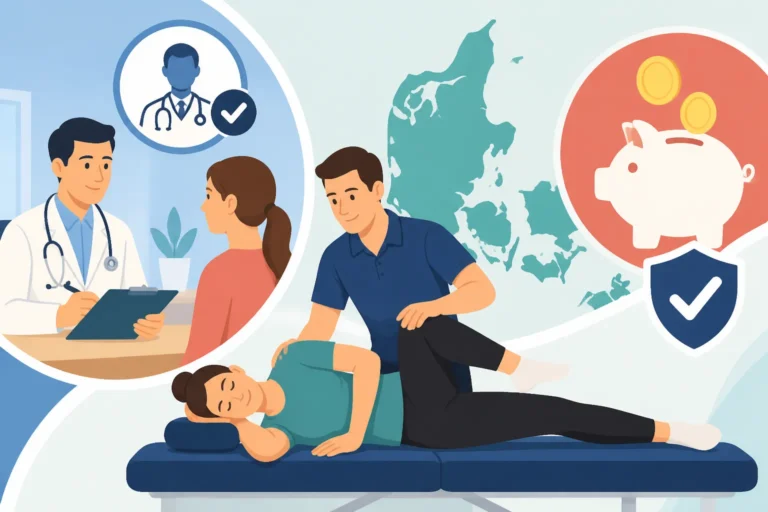
The Yellow Health Card (Sundhedskort): Your Key to Danish Healthcare is indeed your gateway to subsidized dental care, but it doesn't work like a 100% discount voucher. Instead, the Danish Regions (Danske Regioner) negotiate a fixed price list with the dental association. For basic services—things like your initial examination, routine X-rays, and basic cleaning—the state pays a percentage of that negotiated price directly to the dentist. You never see this money; it is simply deducted from your bill before you pay.
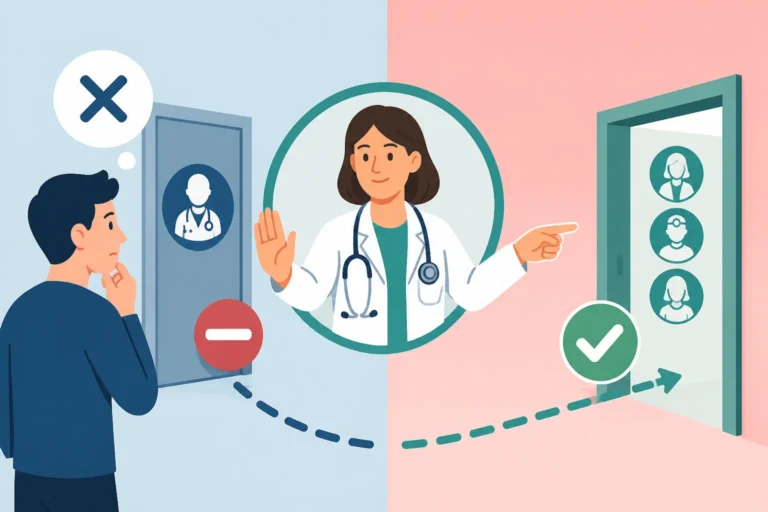
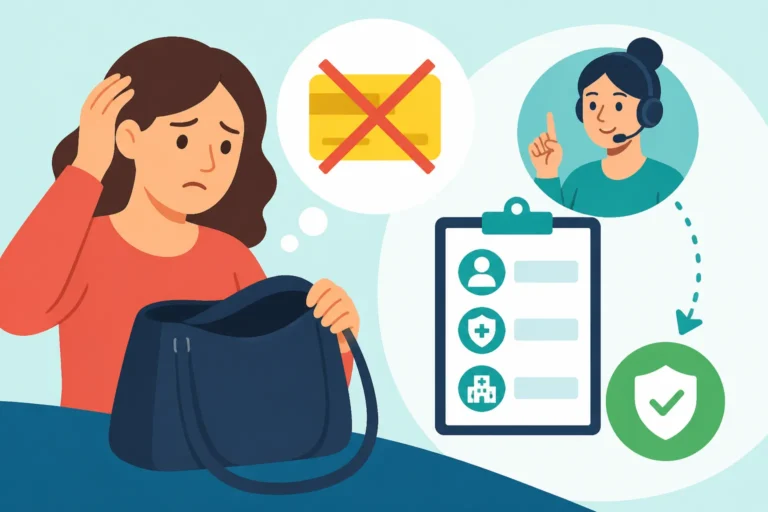
For you to receive these subsidies, you must be a "Group 1" resident, which almost all expats are by default. This status means you are tied to a specific GP but can choose any dentist you like, as long as they have a "ydernummer" (a provider number for the public system). Most private clinics in Denmark are part of this system. When you arrive at the clinic, you must scan your card. If you are still waiting for your physical card to arrive, you should learn How to Download the Sundhedskort App on Your Phone to ensure you can prove your eligibility at the reception desk.
The public vs. private divide in the Danish system
Unlike the general medical system where you have very little choice in which specialist you see without a referral, the dental system is a free market. You can choose a high-end clinic in central Copenhagen or a smaller, more affordable practice in the suburbs of Aarhus. Because the government only subsidizes a portion of the cost, clinics are allowed to set their own prices for "free-price" services, such as crowns, bridges, and implants.
This creates a competitive environment where shopping around can save you thousands of crowns. However, for "fixed-price" services like checkups, the price is the same across the country because it is dictated by the national agreement. Experienced expats find that the "Yellow Card" is your shield against the full market price of basic maintenance, but it offers very little protection when things go wrong and you need complex surgery. This is often where Understanding CPR Registration and Your Healthcare Entitlement becomes critical, as your coverage only kicks in once your registration is fully processed in the national database.
Why preventative care is the cultural gold standard
In Denmark, the system is rigged to reward those who show up every six to twelve months. The subsidies are highest for diagnostic and preventative services. The Danish philosophy is that if the state helps you pay for a cleaning today, they won't have to deal with the social costs of your tooth loss later. If you skip your checkups for years, you might find that some specialized subsidies are harder to access, or that the eventual cost of repair far outweighs the small annual investment in a cleaning.
Understanding Dental Subsidies and Tilskud
The word "tilskud" is one you will hear often at the dentist. It simply means "subsidy." The Danish state provides these subsidies for specific treatments, but the percentage of coverage varies wildly depending on what is being done. It is a common misconception that the Yellow Card covers half of everything; in reality, for some procedures, the subsidy is so small it barely covers the cost of the sterile gloves the dentist is wearing.
Standard checkups and cleanings
For a standard diagnostic examination (statusundersøgelse), the subsidy is generally around 40% of the total cost. This means if the negotiated price is 250 DKK, you might only pay 150 DKK out of pocket. Cleanings (tandrensning) are also subsidized at a similar rate. These are categorized as "fixed-price" services. Every dentist in Denmark, from the tip of Skagen to the bottom of Lolland, will charge you the same amount for these specific line items on your bill.
However, the frequency of these subsidies is regulated. You can’t just go every week and expect the state to keep paying. Most adults are eligible for a subsidized checkup once every 12 months, though your dentist can categorize you into "Green," "Yellow," or "Red" status based on your oral health. "Green" patients get fewer subsidies for frequent visits because their teeth are healthy, while "Red" patients might get more frequent subsidized cleanings because they are at high risk of periodontitis. This is a very pragmatic, data-driven approach to healthcare that you’ll see throughout the country.
Major procedures: Crowns, bridges, and implants
This is where the "I've-been-there" reality gets painful. For major restorative work, the Yellow Card offers virtually zero subsidy. If you need a porcelain crown (krone), you are looking at a bill ranging from 5,000 DKK to 9,000 DKK per tooth. Root canals (rodfyldning) have a very small subsidy, but the bulk of the cost for the filling material and the dentist's time is on you.
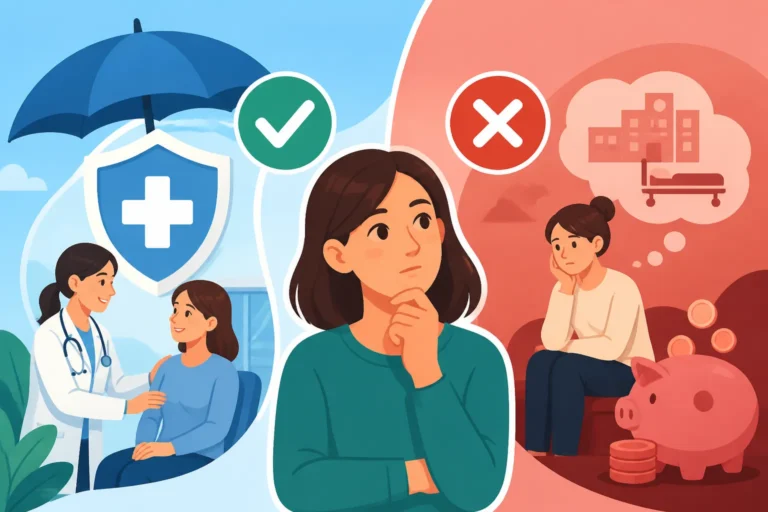
Because these are "free-price" services, dentists can charge whatever they want. A clinic with a view of the Nyhavn canal will almost certainly charge more for a bridge than a clinic in a smaller town like Roskilde. This is why many expats consider Private Health Insurance (Sygeforsikring "danmark"): Is It Worth It? before they actually need work done. Without a secondary insurance policy, the Yellow Card leaves you completely exposed to the high cost of Danish labor and materials for anything beyond a simple filling.
Subsidies for fillings and anesthesia
Fillings (plastfyldning) are partially subsidized, but the amount depends on the surface area of the tooth being filled. A small filling on a front tooth is cheaper and has a different subsidy level than a large filling on a molar. One thing that surprises many is that local anesthesia (bedøvelse) is usually an out-of-pocket cost with a very negligible subsidy. If you are someone who needs the "big needle" to feel comfortable, expect to see an extra 200-400 DKK on your bill that the Yellow Card doesn't touch.
| Treatment Type | Estimated Total Cost (DKK) | Yellow Card Subsidy | Out-of-Pocket Estimate |
|---|---|---|---|
| Routine Examination | 170 – 200 | ~40% | 100 – 120 |
| Basic Cleaning | 210 – 250 | ~40% | 130 – 160 |
| Bitewing X-rays (2) | 300 – 400 | ~35% | 200 – 250 |
| Simple Filling (1 surface) | 450 – 600 | ~15-20% | 380 – 500 |
| Root Canal (Molar) | 2,500 – 4,500 | Very Low | 2,400 – 4,300 |
| Porcelain Crown | 5,500 – 8,500 | 0% | 5,500 – 8,500 |
Dental Care for Children and Young Adults
If you are moving to Denmark with children, you can breathe a sigh of relief. The dental system for minors is one of the most generous in the world. It is entirely tax-funded and, in most cases, completely free of charge. This is a massive weight off the shoulders of expat parents who are used to paying thousands for braces or routine pediatric care in their home countries.
Why it's free until age 22
Historically, free dental care ended at 18. However, recent legislative changes have extended this "free ride" to young adults up until their 22nd birthday (specifically for those born in 2004 or later). This extension was a political move to prevent "dental drop-off," where students moving away from home would stop going to the dentist due to the costs.
For children, the care is usually provided through the "Kommunal Tandpleje" (Municipal Dental Care). These are clinics often located at or near local schools. Your child will automatically be invited to appointments via Digital Post (e-Boks). You don't need to do anything; the system finds you once your child has a CPR number. If you are wondering Why Are Dental Braces Free for Kids but Expensive for Adults?, the answer lies in the municipal budget. The state covers orthodontic work for children if the misalignment poses a functional or long-term health risk, but once you turn 22, the state views straight teeth as a cosmetic luxury.
Transitions after aging out
The transition from the municipal system to the private adult system is a major milestone for young people in Denmark. Once you turn 22, you are no longer invited to the school clinic. You must find your own private dentist and start paying the subsidized rates mentioned earlier. This is often the time when parents encourage their children to join "danmark" to ensure they have coverage for the future.
If your child has ongoing orthodontic work (like braces) when they turn 22, the municipal clinic will generally finish the treatment if it was started under their care, but new treatments after the age of 22 will be fully private. This transition period is also a good time to review How Much Does a Routine Dental Checkup Cost in Denmark? so the "young adult" in your life isn't blindsided by their first bill.
Choosing your own dentist for older teens
While the municipality provides a default clinic, teens aged 16 to 21 actually have the right to choose a private dentist instead of the municipal one, and the municipality will still pick up the bill. This is great if you have a family dentist you trust and want your teenager to start building a relationship with them early. However, you must inform the municipality of this choice before starting treatment, or they may refuse to pay the private clinic's invoice.
Managing Costs: Insurance and Memberships
Since the Yellow Card leaves such a large gap for major work, almost every Dane and long-term expat uses a secondary layer of protection. Navigating these options can be confusing because they don't always work like traditional insurance in the US or UK.
Sygeforsikring "danmark"
This is the most famous insurance "club" in the country. It is a member-owned, non-profit insurance association that nearly 50% of the Danish population belongs to. They offer different "Groups" (1, 2, and 5) that provide varying levels of reimbursement for dental work. The beauty of "danmark" is that they pay a flat DKK amount back for things like cleanings, fillings, and even crowns.
For example, if you are in Group 5, you might get 300 DKK back for a filling and 1,200 DKK back for a crown. The dentist's office usually handles the paperwork digitally; you pay the full bill, and a few days later, "danmark" deposits the reimbursement directly into your NemKonto. However, there is a catch: you generally cannot join if you have existing, serious chronic dental issues. They ask for a health declaration. This is why you should join as soon as you arrive, ideally while your teeth are still in good shape.
Private expat insurance: SafetyWing and Cigna Global
For many of us, the first few months in Denmark are a "no-man's-land" of coverage. You might not have your CPR number yet, or you might be waiting for your "danmark" application to be approved. In this gap, specialized expat insurance is a lifesaver. Brands like SafetyWing are excellent for the initial transition, providing Expat Health Insurance: Coverage Before You Get Your CPR Number that can include emergency dental.
If you are looking for more comprehensive, premium coverage that mimics a high-end corporate plan, Cigna Global offers modules that cover major dental work without the "negotiated price" limitations of the Danish system. This is particularly useful for expats who prefer to see dentists that might not be fully integrated into the public subsidy system or who want high-reimbursement levels for expensive cosmetic work like veneers or multiple implants. If you are in your First 90 Days: Health Insurance Requirements for Non-EU Expats, having a private policy ensures you aren't paying 10,000 DKK out of pocket for a sudden tooth infection.
Municipal social dental care (Socialtandpleje)
Denmark does have a safety net for those who truly cannot afford the dentist. This is called "Socialtandpleje." It is a relatively new scheme designed for the most vulnerable citizens—the homeless, people with severe mental health issues, or those struggling with addiction. This care is free, but the requirements to qualify are very strict. It is not intended for the average expat or student who is just "low on cash." It is a specialized service meant to restore basic chewing function and eliminate pain for those outside the normal labor market.
Dental Emergencies in Denmark
Tooth pain doesn't wait for business hours. If you chip a tooth at a Friday night "Fredagsbar" or wake up with a throbbing abscess on a Sunday morning, the regular clinics will be closed. Understanding how to navigate the emergency system will save you a lot of stress.
Tandlægevagten: The Out-of-Hours Doctor
Every region in Denmark has a "Tandlægevagten" (Dental Guard). This is a specialized clinic that handles urgent cases outside of normal working hours. They aren't there to fix a small filling that fell out; they are there for acute pain, trauma, or bleeding. You usually have to call ahead to get an appointment, and you should be prepared for a wait.
In Copenhagen, the Tandlægevagten is located near Oslo Plads, and in Aarhus, it’s often at the dental school or a designated private clinic. The most important thing to know is that the "emergency fee" is high. You will pay a surcharge just for being seen on a weekend or holiday, often starting at 800-1,000 DKK before they even look in your mouth. The Yellow Card still provides the base subsidy for the treatment itself, but the emergency surcharge is 100% your responsibility. You can find more details in our guide on Dental Emergency in Denmark: Finding Tandlægevagten on Weekends.
Handling pain and temporary fixes
If your situation isn't a true emergency, most Danes will recommend waiting until Monday morning. You can buy ibuprofen and paracetamol at any "Apotek" (pharmacy) or even most supermarkets like Netto or Rema 1000 to manage the pain. If you have a lost crown, you can actually buy temporary dental cement at some larger pharmacies to hold it in place for 24 hours. However, if there is swelling that affects your breathing or swallowing, don't wait for the dentist—go straight to the hospital ER.
Hospital dental departments
For severe trauma—like a car accident or a fall where multiple teeth are knocked out and the jaw might be broken—you should not go to a private dentist or the Tandlægevagten. These cases are handled by the hospital’s maxillofacial surgeons. In these instances, the treatment is usually covered 100% by the state because it is classified as "hospital treatment" rather than "dentistry." It’s a fine line, but generally, if it requires a hospital bed, your Yellow Card covers it fully.
Special Cases and Municipal Support
There are a few "loopholes" or specialized programs where the state provides much higher subsidies than the standard 40%. These are usually reserved for people with specific medical conditions that directly impact their dental health.
Subsidies for cancer and chronic illness
If you have undergone radiation therapy in the head or neck area, or if you have Sjögren’s Syndrome (a condition that causes extreme dry mouth), you may be eligible for "Paragraph 166" subsidies. This is a special rule where the municipality pays for the vast majority of your dental care because your dental issues are a direct side effect of your medical condition or its treatment. This isn't automatic; your GP and dentist must collaborate on an application to the municipality.
Periodontitis and the "Red" status
As mentioned earlier, the Danish system is obsessed with periodontitis (gum disease). If you are diagnosed with chronic periodontitis, your dentist will move you to "Red" status. This unlocks more frequent subsidized cleanings and specialized root planing treatments. While it's not "free," the state recognizes that gum disease is linked to heart disease and diabetes, so they subsidize the maintenance more aggressively than they would for a healthy person who just wants white teeth.
What about "Dental Tourism"?
Because Danish prices are so high, it is very common for residents to travel to Poland, Hungary, or Germany for major work. If you choose this route, you can actually still get your Danish "tilskud" (subsidy) in some cases if the treatment is done in an EU country and you follow specific paperwork trails. However, it is notoriously difficult to get the Danish municipality to approve these reimbursements after the fact. Most people who go abroad do so because the base price in Budapest is 70% cheaper than in Copenhagen, making the tiny Danish subsidy irrelevant. Just be aware that if something goes wrong with a foreign implant, a Danish dentist might refuse to touch it for liability reasons, leaving you in a very difficult spot.
Disclaimer
The information provided in this guide is for informational purposes only and does not constitute professional medical or financial advice. Healthcare laws and dental subsidy rates in Denmark are subject to change by the Ministry of Health and the Danish Regions. Always verify current prices and subsidy eligibility with your local dentist or the official Borger.dk portal. The author is an expat resident, not a licensed dental professional or insurance broker.