What to Do If You Lose Your Yellow Health Card in Denmark
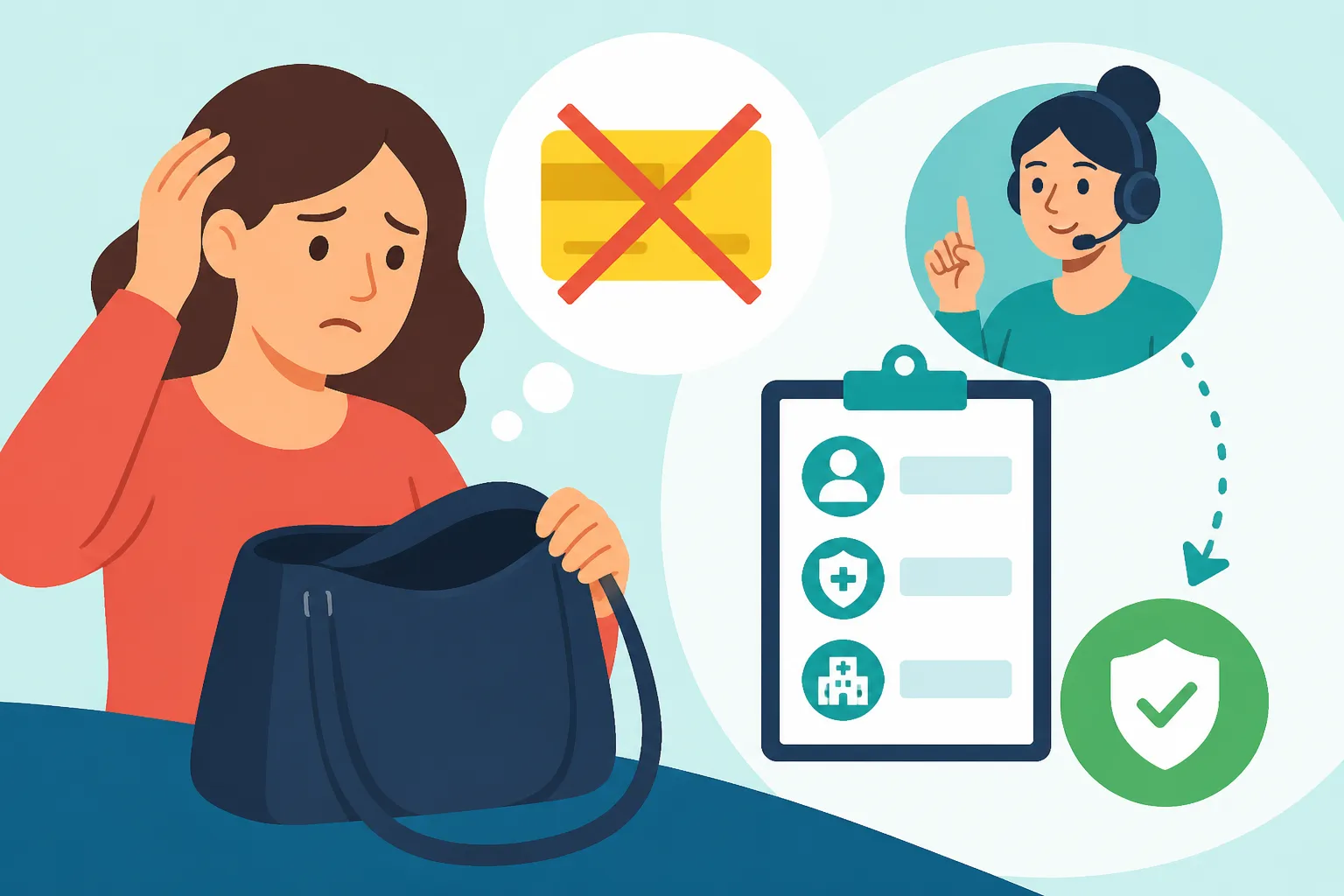
The moment you reach into your wallet and realize your yellow health card is missing, a specific kind of Danish dread sets in. I remember the first time it happened to me; I was standing at the pharmacy counter in Nørrebro, heart sinking as I realized I couldn't pick up my prescription. This guide solves exactly how to navigate the replacement process, manage your healthcare in the interim, and avoid the common pitfalls of the Danish digital bureaucracy.
The Vital Role of the Sundhedskort in Your Daily Life
In Denmark, your yellow health card, or Sundhedskort, is far more than just a piece of plastic; it is your physical manifestation within the Danish welfare state. It carries your CPR number, the name and address of your General Practitioner (GP), and serves as your primary ID for almost all public services. Without it, the friction of daily life increases significantly.
You will find that you are asked to scan this card for everything. Whether you are arriving for a check-up, picking up a package at a PostNord point, or even Finding Medical Care in Denmark: GPs, Specialists, and Referrals, that barcode is the key. It links your physical presence to your digital health record. If you lose it, you aren't just losing a card; you’re losing your streamlined access to the system.
While the public system is robust, many expats choose to supplement their coverage with providers like Cigna Global to ensure they have access to private facilities and shorter waiting times, especially during periods where administrative delays might leave them feeling vulnerable. Having that extra layer of security can take the sting out of losing your primary public documents.
Why You Must Scan Your Yellow Card Every Time
You might have noticed that every waiting room in Denmark—from your GP to the local hospital—has a card scanner at the entrance. It is a cultural and administrative requirement to "check in" by swiping your card. This isn't just for the clinic's records; it notifies the system that you have arrived, which is essential for the clinic to receive their subsidy for your visit.
Newcomers often sit for an hour, wondering why they haven't been called, only to realize they never scanned their card. If you've lost yours, this process becomes a manual headache involving the receptionist, which is the last thing you want to deal with when you're feeling unwell. This is Why You Must Scan Your Yellow Card in the Waiting Room is a topic we stress so heavily to every new arrival.
The Step-by-Step Recovery Process
The good news is that Denmark is highly digitized. You don’t have to stand in a long queue at a government office to get a new card. The entire process is handled through Borger.dk, the national citizen portal. However, you will need your MitID ready to go.
First, log into Borger.dk and search for "Sundhedskort." You will be directed to a self-service section where you can order a replacement. The system will ask you why you need a new one (lost, stolen, or damaged). Be aware that if you simply lost the card, there is a replacement fee. As of 2026, this fee is approximately 225 DKK. It’s a small price to pay for your sanity, but it’s a nuisance nonetheless.
Once you have paid the fee via Dankort or MobilePay, the request is sent to your local municipality (Kommune). They will print and mail the card to your registered CPR address. This is why it is absolutely critical that your address is up to date in the system. If you have recently moved, you should check Moving Addresses: Do You Automatically Get a New Yellow Card? to see if you are eligible for a free replacement instead.
Using the Digital Sundhedskort App as a Stopgap
If you lose your physical card, the very first thing you should do—even before ordering a new one—is download the Sundhedskort app on your smartphone. This app is a legal digital version of your health card. It displays the same barcode and information as the plastic version and is accepted at GPs and pharmacies across the country.
In my experience, having the app is a lifesaver. For a detailed walkthrough on setting this up, see How to Download the Sundhedskort App on Your Phone. It essentially acts as your backup, ensuring that you are never truly "cardless" as long as your phone has battery.
Managing Healthcare While Waiting for Your New Card
A common worry for expats is whether they can still see a doctor if they don't have a physical card in hand. The answer is yes, but it requires a bit more communication. If you have an appointment, call your GP ahead of time and explain that you have lost your card but have ordered a new one. They can usually look you up using your CPR number.
If you are a new arrival and haven't even received your first card yet, you might feel particularly exposed. This is where short-term international insurance can be a massive relief. Services like SafetyWing are specifically designed for people in transition, providing a safety net before your Danish CPR registration is fully processed. It fills that "black hole" of coverage that often catches people off guard.
| Scenario | Immediate Action | Expected Cost | Recovery Time |
|---|---|---|---|
| Lost Card | Order on Borger.dk | ~225 DKK | 1-2 weeks |
| Stolen Card | Report to Police & Order | ~225 DKK | 1-2 weeks |
| Damaged Chip | Order on Borger.dk | ~225 DKK | 1-2 weeks |
| Address Change | Update CPR via Borger.dk | Free | 2 weeks |
| Defective New Card | Contact Kommune | Free | 1 week |
Navigating the Pharmacy (Apotek) Without a Card
The pharmacy system in Denmark is entirely electronic. When your doctor issues a prescription, it is uploaded to a central server called the Medicinkort. To "pull" that prescription down and buy your medicine, the pharmacist needs to verify your identity.
If you have lost your yellow card and haven't set up the app yet, you can sometimes use your passport or your residence card as ID, provided the pharmacist is willing to manually type in your CPR number. However, this is at their discretion and can be a hassle during busy hours. It’s much better to understand the Pharmacies in Denmark: Apotek Rules, Prescriptions, and Subsidies before you find yourself in a pinch.
What to Do If Your Card Was Stolen
If your yellow card was in a wallet that was stolen, the protocol changes slightly. You should report the theft to the Danish police online. While you still generally have to pay for the replacement health card, having a police report is important if your other IDs (like your residence permit or driver's license) were also taken.
In cases of theft, there is also the risk of identity fraud. Since your health card contains your CPR number, a thief has one of the key pieces of your digital identity. Keep a close eye on your MitID logs and your digital post (e-Boks). If you see any suspicious activity, contact your bank and the authorities immediately. For those who travel frequently or have high-value assets, having a global plan from Cigna Global often includes additional support services that can help navigate the complexities of lost documentation and identity protection.
Dealing with a Damaged or Unreadable Card
Sometimes you haven't lost your card, but the barcode has become so scratched or the plastic so cracked that the scanners at the doctor’s office can't read it. It might seem tempting to just keep using it, but I’ve found that receptionists eventually lose patience with manually entering data every time you visit.
If your card is unreadable due to "normal wear and tear" after many years, you can sometimes convince your local Borgerservice to issue a new one for free, but don't count on it. Most of the time, it’s treated the same as a lost card. It’s worth checking The Yellow Health Card (Sundhedskort): Your Key to Danish Healthcare to see the latest standards for card maintenance and what the municipality expects from you.
Transitioning and Timing: How Long Does It Really Take?
The official word from the authorities is that it takes about 14 days for a new card to arrive. In my experience living in Copenhagen, it’s often faster—sometimes arriving in just 5 or 6 working days. However, during peak holiday seasons or if there’s a backlog at the centralized printing facility, it can take the full two weeks.
If you are wondering How Long Does It Take to Receive the Yellow Card in the Mail? because you have a specialist appointment coming up, the best advice is to act immediately. The moment you realize it's gone, log into Borger.dk. Do not wait until the day before your appointment.
While you wait, ensure your name is clearly marked on your mailbox. In Denmark, PostNord will often refuse to deliver mail—including your vital health card—if your name isn't explicitly listed on the box. This is a tiny detail that trips up so many expats.
The Role of Private Insurance During Gaps
For many of us, the public system is fantastic, but the administrative wait times for cards or GP appointments can be frustrating. This is why many veteran expats maintain a policy with SafetyWing or Cigna Global. If you lose your card and suddenly need a specialist, having private insurance allows you to bypass the "Yellow Card" requirement entirely by going to a private clinic where they accept international insurance.
This doesn't replace your need for the Sundhedskort, but it provides a "fast track" that can be invaluable when the public system feels like it's moving at a snail's pace. It’s about having options and not being beholden to a single piece of plastic.
Important Considerations for Families and Children
If your child loses their yellow card, the process is largely the same, but it must be initiated by the parent who has the child registered at their address. Children in Denmark are covered under the public system automatically, but they still need their own card for Family Health in Denmark: Pregnancy, Maternity, and Pediatric Care.
I've noticed that kids' cards tend to get lost more often—usually at the bottom of a school bag or left at a sports club. Because children’s healthcare involves frequent vaccinations and check-ups, keeping their digital version on your phone as well as their physical card is a smart move. You can add your children's cards to your own Sundhedskort app, which is a fantastic feature for parents.
Temporary Documents and "Replacement Receipts"
When you order a new card on Borger.dk, you will receive a receipt of payment. In some municipalities, you can also request a "midlertidigt sundhedskort" (temporary health card), which is essentially a piece of paper with your information on it. While the app has largely made this obsolete, it’s still an option if you don't have a smartphone or if you need to prove your eligibility for Healthcare for EU/EEA Citizens: Using the Blue EHIC Card in Denmark while traveling abroad before your new card arrives.
Summary of Pro-Tips for Expats
- Download the App Now: Don't wait until you lose the physical card. The Sundhedskort app is your best insurance against a lost wallet.
- Update Your Mailbox: Make sure your full name is on your mailbox so PostNord can deliver your replacement.
- Keep Your MitID Secure: Since the replacement process is 100% digital, losing access to your MitID at the same time as your health card is a true "administrative nightmare."
- Check Your Coverage: If you are in the first 90 days of your move, remember that Expat Health Insurance: Coverage Before You Get Your CPR Number is vital because you won't even be in the system to order a yellow card yet.
- Use the Receipt: If you have an urgent appointment, the PDF receipt of your new card order can sometimes serve as proof of "intent" for the clinic.
Losing your health card is a rite of passage for many expats in Denmark. It’s annoying, and the 225 DKK fee feels like a "foreigner tax" when you're already stressed, but the system is designed to get you back on track quickly. Stay calm, get your MitID ready, and remember that as long as you have your CPR number memorized, you are never truly lost in the Danish healthcare woods.
Disclaimer
This article is for informational purposes only and does not constitute legal or medical advice. Procedures and fees regarding the Danish health card (Sundhedskort) are subject to change by the Danish Health Authority (Sundhedsdatastyrelsen) and local municipalities. Always check the official government portals like Borger.dk or Sundhed.dk for the most up-to-date information regarding your specific situation. Private insurance options mentioned are suggestions based on common expat needs and should be evaluated based on your individual circumstances.