Family Health in Denmark: Pregnancy, Maternity, and Pediatric Care
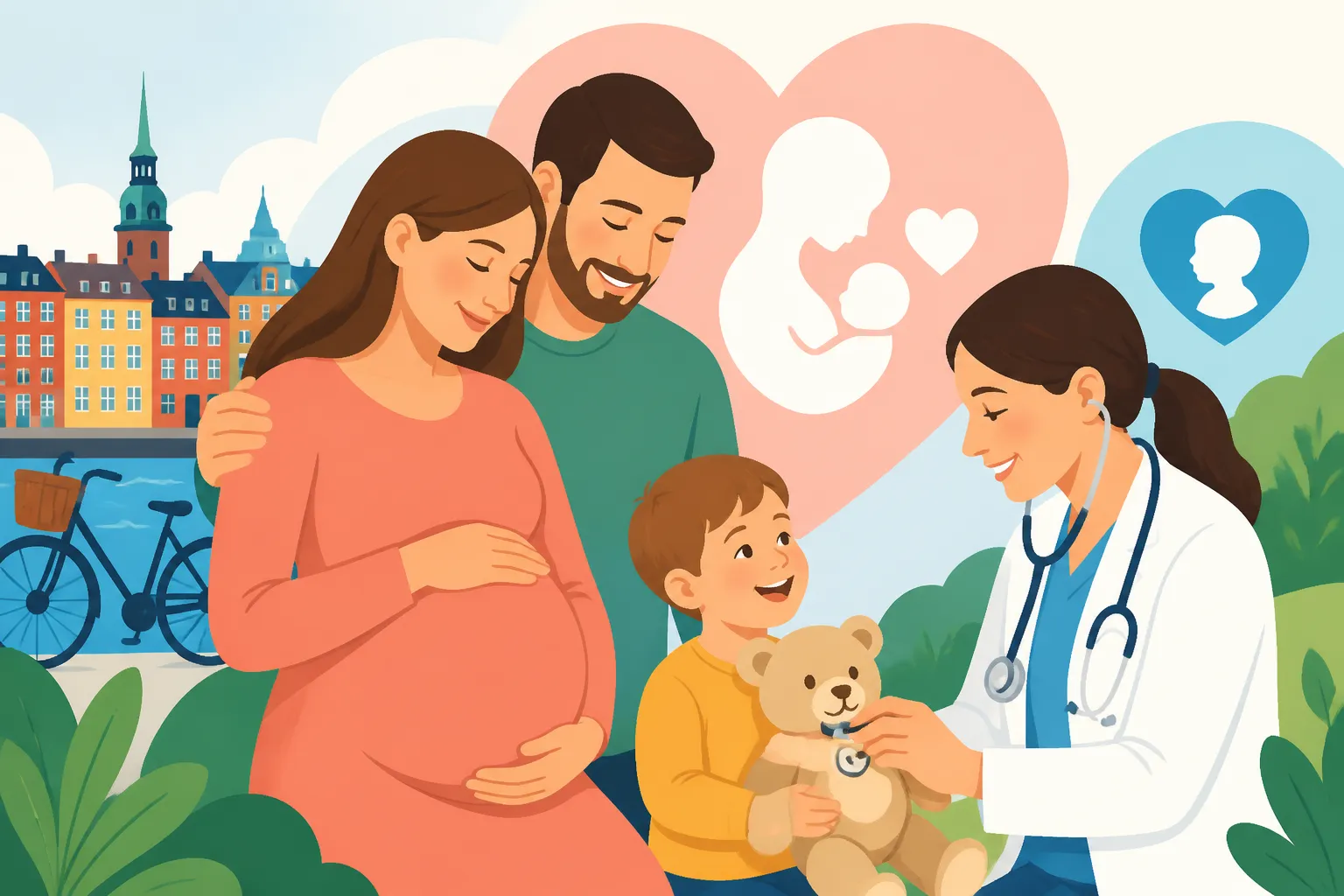
Navigating a pregnancy or a child’s fever in a foreign country can feel like trying to solve a puzzle where the instructions are written in a language you haven’t quite mastered yet. I remember standing in my local pharmacy, staring at the shelves and wondering why I couldn't find the specific infant paracetamol I was used to back home. This guide will walk you through every stage of family health in Denmark, from the first midwife appointment to navigating the world-class pediatric care system.
The Danish Philosophy on Family Health and Wellness
When you first enter the Danish healthcare system as a parent or parent-to-be, the first thing you’ll notice is the "minimal intervention" philosophy. Unlike many other countries where pregnancy is treated almost like a medical condition requiring constant monitoring, Denmark views it as a natural life event. This can be quite jarring if you are used to monthly ultrasounds or frequent blood tests. In Denmark, the system is designed to be efficient, evidence-based, and midwife-led rather than doctor-led.
The core of this system is The Yellow Health Card (Sundhedskort): Your Key to Danish Healthcare. Once you have this card and a CPR number, almost all maternity and pediatric services are free at the point of use. However, the "free" aspect comes with a specific structure. You don't just call a hospital to book a birth; you work through your General Practitioner (GP). Your GP is the gatekeeper for everything. If you are still waiting for your CPR number to be processed, you might find that Expat Health Insurance: Coverage Before You Get Your CPR Number is a necessary bridge to ensure you aren't paying out of pocket for early consultations.
For many expats, the lack of private options in the public system is a culture shock. While there are private hospitals, the vast majority of Danes—even the wealthy—give birth and take their children to public facilities because the quality of care is exceptionally high. The focus here is on equality and trust. You are expected to trust the midwife’s expertise and the system's timelines. If you prefer a higher level of personalized, private coverage or want to bypass certain wait times for non-emergency pediatric specialists, looking into a provider like Cigna Global can offer that extra layer of international private medical insurance.
The Role of the Midwife versus the Obstetrician
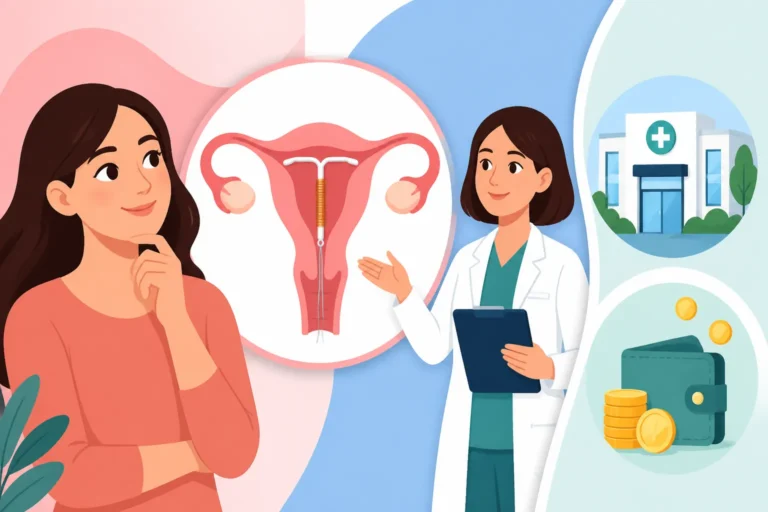
In the Danish system, unless you have a high-risk pregnancy, you may never even see an obstetrician. Your primary point of contact is the jordemoder (midwife). They are the experts in normal births and prenatal care. They handle the consultations, discuss your birth plan, and are the ones who will actually deliver your baby in the hospital.
Danish midwives are highly trained and have a lot of autonomy. They focus on the holistic health of the mother, including mental well-being and preparation for parenthood. This is a significant shift for those coming from systems like the US or UAE, where OB-GYNs lead the process. If a complication arises, the midwife will immediately refer you to a specialist at the hospital, but for the most part, you are in the hands of the midwives.
Trusting the Public System for Pediatric Care
Just as with pregnancy, pediatric care in Denmark is primarily managed by your GP. There isn't really a culture of "choosing your own pediatrician" from a directory. Instead, you take your child to the family doctor you are registered with. This ensures that the doctor knows the whole family’s medical history.
This model works because the GPs in Denmark are trained to handle a wide range of pediatric issues. However, if your child has a chronic condition or needs specialized care, your GP will issue a referral. This is a critical step because The Role of the GP: Why You Cannot Go Directly to a Specialist applies to children just as much as adults. For expats who are used to direct access to specialists, this can be frustrating, but the system is designed to ensure that specialist resources are used for those who truly need them.
The Pregnancy Journey: From Positive Test to Hospital Registration
The moment you see those two lines on a pregnancy test, your first step is to book an appointment with your GP. This usually happens around week 8 to 10. This first "pregnancy visit" is a long one. The doctor will confirm the pregnancy (often just through your word or a quick urine test), take your blood pressure, and fill out the "Vandrejournal." This is a physical or digital green folder that tracks every single measurement and note throughout your pregnancy.
During this visit, you will also discuss which hospital you want to give birth at. In larger cities like Copenhagen, you might have a choice between Rigshospitalet, Hvidovre, or Herlev, but your choice is often dictated by your home address. Once the GP sends the notification to the hospital, you are officially in the system. If you find the digital side of this confusing, Sundhed.dk and MitID: Navigating Denmark’s Digital Health Portals will be your best friend for tracking your records and appointments.
The timeline for prenatal care in Denmark is very standardized. You will typically have two major ultrasounds: the "nakkefoldscanning" (nuchal translucency scan) around week 12 and the "misdannelsesscanning" (anomaly scan) around week 20. These are the only two routine scans provided by the public system. If you want more frequent scans for peace of mind, many expats choose to pay for private scans at clinics like Lille KBH or Ultralydklinikken for Gravide.
Navigating the First Trimester Hurdles
The first trimester in Denmark can feel a bit lonely because the first official midwife appointment doesn't usually happen until week 13-15. This leaves a gap where you might be feeling nauseous or anxious without a professional to talk to. During this time, it is vital to keep your GP's number handy. If you have severe morning sickness (Hyperemesis Gravidarum), your GP can prescribe medication or refer you to the hospital for fluids.
It is also during this phase that you should start looking into your Employment Rights: Contracts, Holiday Law, and Maternity Leave. Denmark has some of the best maternity and paternity leave laws in the world, but the rules on when you must notify your employer can be strict. Generally, you must inform your employer at least three months before your expected due date, though many choose to do it after the 12-week scan.
Midwife Consultations and Group Sessions
After the initial GP visit, your care shifts primarily to the midwife center associated with your hospital. You will have several consultations throughout the second and third trimesters. These visits are longer than the GP visits and focus on the baby’s growth, your physical health, and your emotional readiness.
One unique aspect of Pregnancy in Denmark: Midwife Consultations, Scans, and Hospital Births is the "mødregruppe" (mother’s group) or prenatal classes. Some municipalities offer English-language prenatal classes where you can meet other expat parents. These sessions cover everything from pain relief options to breastfeeding. If your municipality doesn't offer these in English, there are private organizations like APA (Aftenskolen for Physisk Aktivitet) that offer exercise and prep classes specifically for pregnant women.
Prenatal Check-up Timeline in Denmark
| Week | Professional | Key Focus |
|---|---|---|
| 8-10 | GP | Initial registration, blood tests, and hospital choice |
| 11-13 | Hospital | Nuchal Translucency Scan (First trimester screening) |
| 13-15 | Midwife | First midwife consultation, heart rate check, health talk |
| 20 | Hospital | Anomaly Scan (Detailed anatomy check) |
| 24 | GP | Second GP visit, blood pressure, and symphysis-fundal height |
| 28 | Midwife | Second midwife consultation, discussion of birth |
| 32 | GP | Third GP visit, check for edema and baby's position |
| 35 | Midwife | Third midwife consultation, birth plan review |
| 37 | Midwife | Final routine check, preparation for labor |
Giving Birth in Denmark: Options and Hospital Logistics
When the big day finally arrives, the process is quite different from what you might expect in the UK or the US. In Denmark, you do not go to the hospital as soon as you have your first contraction. You are expected to stay home as long as possible during the early stages of labor. You must call the "fødemodtagelse" (maternity ward reception) before you head in. A midwife will talk you through your contractions over the phone and decide if it’s time for you to come in for an assessment.
If you show up too early, you might be sent home to wait it out in your own environment. This can be stressful for expats who live far from the hospital or don't have a car. I remember pacing my living room in Aarhus, timing contractions and praying they wouldn't tell me to stay home for another four hours. If you are worried about coverage during this transition or if you are in Denmark on a shorter-term visa, having a plan with SafetyWing can provide peace of mind for any unexpected medical needs that fall outside the standard public care.
Once you are admitted, you are usually given a private delivery room. These rooms are designed to be "hyggelig" (cozy) and often include birth balls, bathtubs for water births, and adjustable lighting. The emphasis is on a natural birth, but Giving Birth in Denmark: Pain Relief Options and Postpartum Care are fully available. You can request an epidural, laughing gas (nitrous oxide), or sterile water injections. The midwives are generally very supportive of your choices, but they will encourage movement and different positions to help labor progress naturally.
Home Births and Birth Centers
Denmark is very supportive of home births. If you have a low-risk pregnancy, you can choose to give birth at home with a midwife provided by the region. This is a popular choice for many second-time parents. There are also "fødeklinikker" (birth centers) which are more like a home environment but located within or near a hospital. These centers focus on midwife-led, non-medicated births.
Choosing a home birth means you stay in your own space, and the midwife comes to you. This avoids the "gatekeeper" phone call and the drive to the hospital. However, if any complications arise, you will be transferred to the nearest hospital immediately. Most expat parents tend to opt for the hospital for their first Danish birth simply for the security of being near a full medical team.
The Hospital Stay: What to Expect
If you have an uncomplicated birth, your stay in the hospital might be surprisingly short. For second-time mothers, it is common to be sent home just a few hours after delivery (ambulant birth). For first-time mothers, you are typically offered a stay of 1 to 2 days in a "barselshotel" (maternity hotel) or a maternity ward.
These facilities are designed to help you get started with breastfeeding and basic infant care. Your partner is usually allowed to stay with you, although they may have to pay a small fee for their meals. During this time, pediatricians will check the baby, and you will be given information on the mandatory screenings, such as the Mandatory Heel Prick Test and Hearing Screenings for Newborns. It is a whirlwind of information, so don't be afraid to ask the nurses to repeat things or provide them in writing.
Practical Tips for the Hospital Bag
Since Danish hospital stays are short, you don't need to pack for a week, but there are some local essentials. Danish hospitals provide basic mesh underwear and giant pads, but they do not usually provide diapers or clothes for the baby after the very first few hours. You are expected to bring your own:
- Baby clothes (including a hat for the journey home).
- A car seat (if you are driving home).
- Snacks (hospital food is fine, but you'll want your own "comfort" fuel).
- A long charging cable for your phone.
- Slippers or thick socks (Danish hospitals have cold floors).
Postpartum Care: The Health Visitor (Sundhedsplejerske) System
Once you leave the hospital, the medical responsibility for your baby shifts from the hospital to your municipality's "sundhedsplejerske" (health visitor). This is arguably the best part of the Danish healthcare system. Within the first week of arriving home, a specialized nurse will call you to schedule a home visit.
The health visitor is not a doctor, but a nurse with specialized training in child development and maternal health. They will come to your house multiple times during the first year. They weigh the baby, check their motor skills, and—most importantly—check on you. They are there to answer questions about sleep, breastfeeding, and your mental state. If you are struggling, they can refer you to a Mental Health in Denmark: Accessing Psychologists and Therapy for Expats specialist or a local group for mothers with postpartum depression.
How the Home Visit System Works
The first visit is usually a "get to know you" session. The health visitor will check the baby’s jaundice levels and ensure breastfeeding or bottle-feeding is going well. They also look at the home environment, not to judge your cleaning skills, but to ensure safety. In Denmark, it is very common for babies to sleep outside in their prams, even in winter, and the health visitor can give you advice on how to do this safely.
As the baby grows, the visits become less frequent but more focused on developmental milestones. You will learn about introducing solids (usually starting with grød or porridge around 4-6 months) and how to support the baby's crawling and walking. To understand the full scope of this support, read more about What is the Danish Sundhedsplejerske (Health Visitor) System for Babies?.
Joining a Mothers' Group (Mødregruppe)
One of the most important things the health visitor does is organize a "mødregruppe" for you. They will match you with 4-5 other women in your neighborhood who have babies around the same age. For expats, this is a lifesaver. While many groups are formed based on geography, you can specifically ask your health visitor if there is an "English-speaking mødregruppe" in your area.
These groups meet weekly, usually at each other's homes. It’s a chance to vent about sleep deprivation, share tips on where to buy the best wool bodysuits (look for brands like Joha or Name It), and build a social circle. Many of these friendships last long after the maternity leave ends. If you find yourself in a Danish-speaking group, don't panic—most Danes are happy to switch to English, though it can feel a bit isolating if the conversation flows naturally back into Danish.
Managing Postpartum Health for the Mother
While the focus is often on the baby, the mother’s health is equally important. In Denmark, you will have a follow-up appointment with your GP about 8 weeks after birth. This is to check your physical recovery and discuss contraception. If you had any tears or a C-section, this is the time to ensure everything is healing correctly.
If you find that you need more specialized physical therapy, such as for pelvic floor issues, you can ask for a referral. However, be aware that Physiotherapy in Denmark: Getting GP Referrals and Managing Costs usually involves a co-payment. This is where having a supplemental policy like "danmark" (Sygeforsikring "danmark") can be very beneficial, as they subsidize a portion of these costs.
Pediatric Care: Raising Healthy Children in the Danish System
Once your child is out of the newborn phase, their primary medical contact remains your GP. The Danish pediatric system is built on a foundation of preventive care and regular check-ups. These are scheduled at specific intervals: 5 weeks, 5 months, 12 months, and then annually until the age of five.
During these visits, the GP performs a physical exam and administers vaccinations according to the Vaccinations in Denmark: The Childhood Immunisation Programme. The Danish program is quite streamlined. For example, the HPV vaccine is offered to both boys and girls later in childhood. One thing to note is that the chickenpox (varicella) vaccine is not part of the standard Danish program, though you can pay for it privately if you wish.
Dealing with Illness: The "Wait and See" Approach
Danish doctors are notoriously conservative with antibiotics. If your child has a cough or a cold, the advice will almost always be "wait and see," "lots of fluids," and "fresh air." This can be incredibly frustrating for parents who are used to more proactive treatments. It’s common to be told that a fever of 39°C is "normal" for a child and not to worry unless it persists for more than three days.
If your child gets sick outside of normal business hours, you don't go to the ER. You must call Emergency vs. Out-of-Hours Care: When to Call Lægevagten (1813). A nurse will triage your call and decide if you need to see a doctor at an out-of-hours clinic. Never show up at a hospital without calling first; you will likely be turned away.
Specialized Pediatric Services
If your child requires specialized care, such as for asthma, allergies, or developmental delays, the process starts with your GP. The referral system can have long wait times for non-urgent issues. For instance, seeing an ear, nose, and throat (ENT) specialist for "glue ear" is common in Denmark, but the wait can be several months.
For those who want to avoid these waits, private pediatricians do exist, but they are fewer in number than in other countries. Using a global health plan like Cigna Global can allow you to access private specialists more quickly. This is particularly useful for things like Neurodiversity Support: ADHD and Autism Diagnosis for Adults and children, where the public system's waiting lists can be exceptionally long.
Dental Care for Children
One of the greatest perks of living in Denmark is the "Børnetandpleje" (Children’s Dental Care). Dental care is 100% free for everyone under the age of 22 (as of 2026). Your child will be automatically invited to the municipal dental clinic once they reach a certain age, usually around 2 or 3 years old.
The clinics are often located at or near local schools. They focus heavily on prevention and teaching children how to brush correctly. If your child needs braces, these are also free, provided the dentist deems them "medically necessary" rather than purely cosmetic. You can read more about the nuances of this in Dental Subsidies in Denmark: What the Yellow Card Actually Covers.
Navigating the Costs: Subsidies, Benefits, and Insurance
While the healthcare itself is free, there are many associated costs with raising a family in Denmark. However, the state provides significant support. The most well-known is the "Børne- og ungeydelse" (Child and Youth Benefit), often called "børnepenge." This is a tax-free payment made to parents every quarter.
The amount you receive depends on the age of the child, with higher payments for infants and lower payments as the child gets older. To receive this, you must have a CPR number and be a resident. If you are an EU citizen, there are specific rules about how long you must have worked in Denmark to qualify for the full amount.
Childcare Subsidies and Costs
Childcare in Denmark is heavily subsidized by the municipality, but it is not free. You will typically pay about 25% of the cost, while the municipality covers the rest. The price varies by municipality, but expect to pay around 3,500 – 4,500 DKK per month for a "vuggestue" (nursery) spot.
If you have more than one child in childcare, you get a "søskenderabat" (sibling discount), which usually means you pay half price for the cheaper of the two spots. The quality of Childcare in Denmark: Vuggestue (Crèche) and Børnehave (Kindergarten) is generally very high, with a focus on outdoor play and social skills.
Medication Subsidies for Children
Prescription medication for children is subsidized in the same way as for adults, but because children often require specific formulations, the costs can add up. The system tracks your spending over a 12-month period. Once you hit a certain threshold, the subsidy percentage increases.
For over-the-counter (OTC) needs, it is important to know that Over-the-Counter (OTC) Medication: Supermarket vs. Apotek Regulations are quite strict. For example, you can't buy liquid paracetamol for infants at the supermarket; you must go to a pharmacy (apotek). Always keep your child’s yellow card handy when visiting the pharmacy to ensure the purchase is registered toward their subsidy limit.
Is Private Insurance Necessary for Families?
While the public system is robust, many families choose to join "Sygeforsikring 'danmark'." This is a private, member-owned insurance that provides "cash-back" on things like dental work, glasses, and physical therapy. It is very common for parents to sign their children up from birth.
For expat families, a more comprehensive international plan like SafetyWing or Cigna Global might be preferred if you travel frequently or if you want the option to seek treatment in your home country. These plans can bridge the gap in areas where the Danish public system is slow, such as elective surgeries or specialized mental health support.
Cultural Nuances and Practical Tips for Expat Parents
Raising a child in Denmark means adopting some local habits that might seem strange at first. The most famous is letting babies nap outside in their strollers. You will see rows of prams parked outside cafes or in back gardens, even in sub-zero temperatures. The belief is that the fresh air leads to better, longer sleep and builds a stronger immune system. Just make sure you have a high-quality wool sleeping bag (like a Voksi).
Another cultural staple is the "madpakke" (packed lunch). Once your child starts nursery or school, you will be expected to provide a healthy lunch, usually consisting of rye bread (rugbrød) with various toppings. Many nurseries have a "madordning" (meal plan) where they provide lunch for an extra fee, which is highly recommended for busy expat parents who haven't yet mastered the art of the open-faced sandwich.
Managing Expectations with GPs and Specialists
Communication is key when dealing with Danish healthcare. Danes are very direct. If you feel your child needs to be seen, you must advocate for them clearly. Instead of saying "I'm a bit worried about his cough," say "He has had a fever of 39 for four days and is not drinking fluids." Be specific and factual.
If you feel you aren't being heard, you have the right to Getting a Second Opinion in the Danish Public Health System. However, this usually requires going through another GP. Building a good relationship with your local GP clinic is the best way to ensure your family gets the care they need.
Surviving the Winter with Kids
The Danish winter is long and dark, which can take a toll on family health. It is standard practice to give children Vitamin D drops from birth until at least age two. You can buy these at any pharmacy or supermarket. Many adults also take Vitamin D during the winter months to combat Winter Depression (SAD) in Denmark: Light Therapy and Vitamin D Tips.
Ensure your kids have the right gear. In Denmark, there is no such thing as bad weather, only bad clothing. You will need:
- "Termotøj" (quilted thermal layers) for spring and autumn.
- "Regntøj" (rain gear) that is 100% waterproof.
- "Flyverdragt" (a heavy-duty snowsuit) for winter.
- Quality waterproof boots (brands like ECCO or Bisgaard are local favorites).
Finding Your Community
Finally, don't underestimate the power of the expat community. There are numerous Facebook groups like "Expats in Copenhagen" or "International Parents in Aarhus" where you can ask for recommendations for Finding an English-Speaking Pediatrician for Your Child or which "vuggestue" has the best reputation.
Moving to a new country and starting a family is a massive challenge, but the Danish system is designed to catch you. It might feel different, and the "wait and see" approach might test your patience, but the level of safety and support for families here is world-class. Lean into the midwife system, embrace the health visitor visits, and before you know it, you’ll be the one telling new arrivals how to properly dress a baby for a sub-zero nap.
Disclaimer
This guide is for informational purposes only and does not constitute medical or legal advice. Healthcare regulations and subsidy amounts in Denmark are subject to change. Always consult with your General Practitioner (GP) or the relevant Danish authorities (SIRI, Udlændingestyrelsen, or your local municipality) for the most up-to-date information regarding your specific situation. If you or your child are experiencing a medical emergency, call 112 immediately.