IUD (Spiral) Insertion in Denmark: Where to Go and How Much It Costs
Navigating the Danish healthcare system for something as personal as birth control can feel like a bureaucratic maze, especially when you’re still trying to figure out which bus takes you to the right clinic. I still remember the awkward silence during my first GP visit when I realized I was supposed to bring the IUD with me—I had no idea I had to buy it at the pharmacy first! This guide will break down the exact steps, costs, and locations for getting an IUD (spiral) in Denmark so you can avoid the confusion I faced.
Understanding the IUD System in Denmark
In Denmark, the Intrauterine Device (IUD) is universally referred to as a "spiral." Whether you are looking for a hormonal version like Mirena or Kyleena, or a non-hormonal copper version, you will need to get used to using this term when speaking with pharmacists and doctors. The Danish approach to women's health is generally very efficient, but it relies heavily on the patient being proactive and understanding the "gatekeeper" role of the general practitioner.
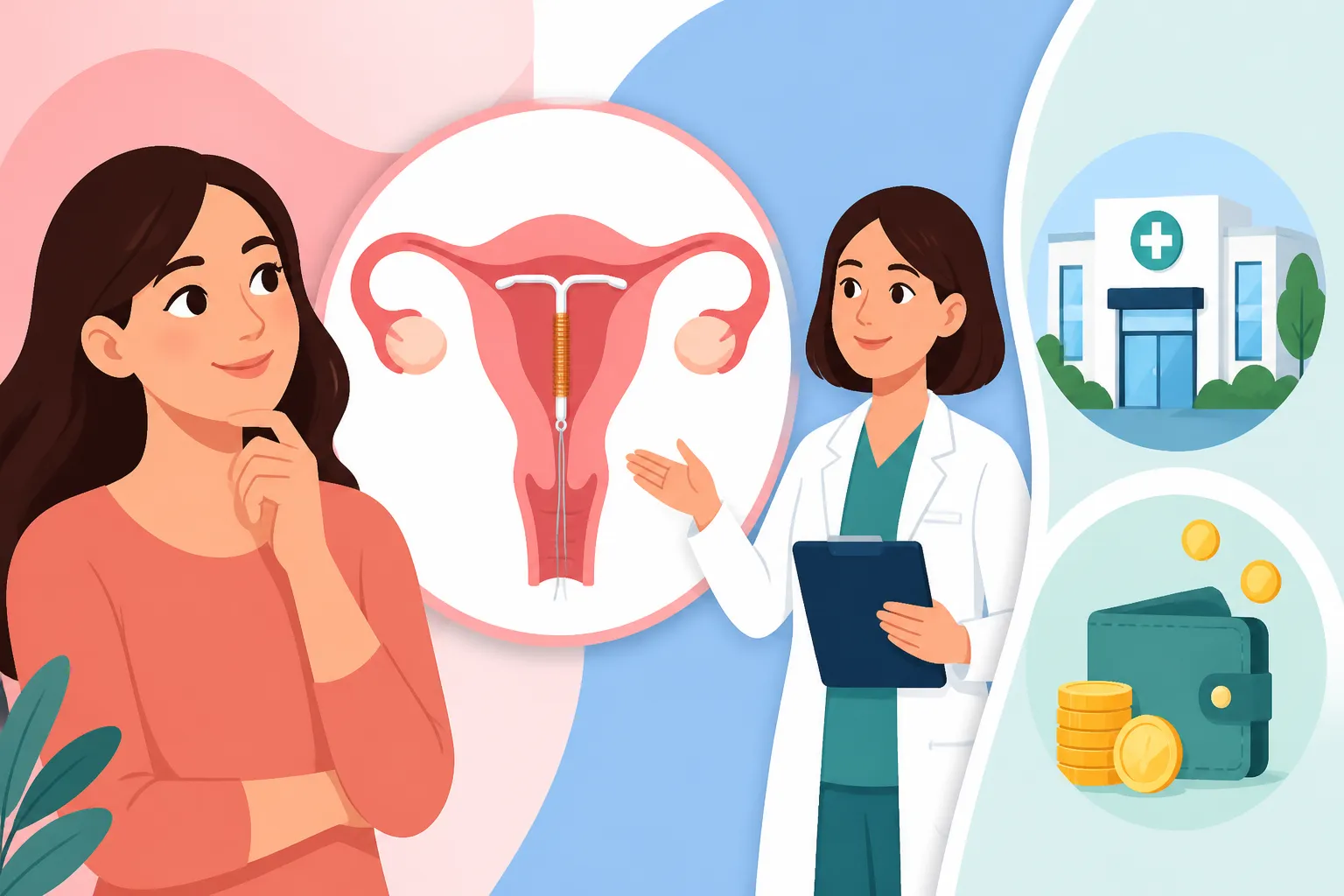
The system is designed around the public health insurance model. Once you have your CPR number, you are entitled to most medical procedures for free, including the actual insertion of the IUD. However, the device itself is considered a prescription medication, which means you are responsible for the out-of-pocket cost of the physical "spiral." This is a common point of confusion for many expats who come from countries where the entire procedure and device are bundled into one cost or covered entirely by insurance.
If you are a newcomer and haven't yet received your yellow card, you might feel like you're in a bit of a lurch. For those in this "waiting period," having a plan like SafetyWing can be a lifesaver, as it provides coverage for many medical needs before the state system kicks in. It’s also worth noting that Expat Health Insurance: Coverage Before You Get Your CPR Number is a common hurdle, so don't wait until you're in pain or in urgent need to look into your options.
Step One: The Consultation with Your GP
Your journey begins with your General Practitioner (GP), known in Danish as your Egen Læge. This is the doctor listed on your yellow health card. You cannot simply walk into a gynecologist’s office and ask for an IUD in the public system; you must go through your GP first.
During this initial appointment, you’ll discuss which type of spiral is right for you. Danish doctors are generally very evidence-based and will walk you through the pros and cons of hormonal vs. copper. This is also the time to check if you are up to date on your routine screenings. Often, a doctor will suggest performing a pelvic exam or a cervical swab if you haven't had one recently as part of Women’s Health: Routine Screenings, Gynecology, and Contraception.
One thing to be prepared for is the Danish "directness." The consultation might feel shorter than what you're used to back home. The doctor will ask if you’re sure, check your medical history, and then issue a digital prescription. This prescription is tied to your CPR number and can be accessed at any pharmacy in the country. You won't receive a paper slip; it’s all handled through the central database which you can view yourself using Sundhed.dk and MitID: Navigating Denmark’s Digital Health Portals.
Step Two: Purchasing the Spiral at the Apotek
Once the prescription is in the system, you need to go to a pharmacy (Apotek) to buy the device. It is your responsibility to have the IUD with you when you show up for your insertion appointment. Many expats arrive at their appointment empty-handed, only to be told they have to reschedule.
The cost of the device varies depending on the brand and type. Hormonal spirals are significantly more expensive than copper ones. It’s important to understand how Pharmacies in Denmark: Apotek Rules, Prescriptions, and Subsidies work, as there is a national reimbursement system (Tilskud) that kicks in once you spend over a certain amount on prescriptions in a year. However, for a one-time purchase like an IUD, you will likely pay the full retail price.
When you go to the pharmacy, simply scan your health card or give your CPR number. The pharmacist will find the prescription and hand you a small box. Keep this box in a cool, dry place until your appointment. Do not open the sterile packaging inside!
Where to Go for the Insertion Procedure
There are three primary routes for the actual insertion, and which one you choose depends on your comfort level and your insurance status.
The GP Clinic (Egen Læge)
Most GPs in Denmark are trained to perform IUD insertions. This is the most common and cost-effective route. You book a "double appointment" or a specific "procedure appointment" with your doctor. The insertion is free of charge under the public system. If you aren't comfortable with your current doctor, you can always look into How to Choose and Change Your General Practitioner (GP) in Denmark to find a clinic that better suits your needs.
Specialist Gynecologists (Speciallæge)
If your GP is unable to perform the insertion—perhaps due to anatomical reasons or simply because they don't perform the procedure—they will give you a referral to a gynecologist. With a referral, the specialist visit is still free. However, waiting times for specialists in the public system can be long, sometimes stretching to several weeks or even months in cities like Copenhagen or Aarhus.
Private Clinics
For those who want immediate service or a more "premium" experience, private clinics are an option. Here, you pay for both the device and the doctor’s time. If you have comprehensive private insurance like Cigna Global, these costs may be covered, allowing you to bypass the public waiting lists. This is a popular choice for expats who prefer to see an English-Speaking Gynecologist in Aarhus or Odense without the referral headache.
Breakdown of Costs for IUD Insertion
To help you budget, here is a general overview of what you can expect to pay for the device itself. Remember, in the public system (Group 1), the doctor's labor is free.
| Type of IUD (Spiral) | Common Brands | Estimated Cost (DKK) | Duration |
|---|---|---|---|
| Hormonal (High Dose) | Mirena | 1,150 – 1,250 DKK | 5-8 Years |
| Hormonal (Low Dose) | Kyleena | 1,150 – 1,250 DKK | 5 Years |
| Hormonal (Smallest) | Jaydess | 950 – 1,100 DKK | 3 Years |
| Copper IUD | Various (e.g., Nova-T) | 300 – 600 DKK | 5-10 Years |
| Private Insertion Fee | N/A | 1,500 – 3,000 DKK | Per visit |
Note: Prices at the Apotek can fluctuate slightly based on the current market price and the specific manufacturer available.
The Insertion Day: What to Expect
On the day of your appointment, you should take a mild over-the-counter painkiller like Ibuprofen or Paracetamol about an hour beforehand. Danish clinics rarely offer local anesthesia or "twilight" sedation for IUD insertions unless there is a specific medical necessity. This can be a bit of a shock for those coming from countries where pain management is more robust.
When you arrive, you must scan your The Yellow Health Card (Sundhedskort): Your Key to Danish Healthcare at the kiosk in the waiting room. This notifies the staff that you have arrived. The procedure itself usually takes about 10 to 15 minutes. The doctor will use a speculum, measure the depth of your uterus, and then insert the spiral. You might feel some intense cramping for a minute or two.
Most Danish doctors are very professional and speak excellent English, but the bedside manner is often "efficient" rather than "cuddly." Don't be afraid to ask them to slow down or explain what they are doing. After the procedure, they will usually ask you to sit in the waiting room for 10 minutes to ensure you don't feel faint.
Post-Insertion Care and Follow-ups
After the spiral is in place, you should expect some cramping and spotting for a few days. Your doctor will likely advise you to avoid using tampons, swimming, or having intercourse for about 48 hours to prevent infection.
A follow-up appointment is typically scheduled for three months after insertion. During this visit, the doctor will use an ultrasound (if available at the clinic) or a manual exam to check that the strings are in the correct position and that the device hasn't shifted. This follow-up is also free in the public system.
If you experience severe pain, heavy bleeding, or a fever in the days following insertion, you should contact your GP immediately. If it is outside of normal business hours, you will need to know Emergency vs. Out-of-Hours Care: When to Call Lægevagten (1813).
Navigating Insurance and Private Options
For many expats, the public system is perfectly adequate. However, if you are someone who prefers a specific doctor or wants to avoid the "luck of the draw" with the public referral system, private insurance is worth considering. Cigna Global offers plans that can cover private specialist consultations, which means you can pick your own gynecologist and get the procedure done on your own timeline.
Additionally, for those who are highly active or travel frequently, having a flexible plan like SafetyWing ensures that if something goes wrong while you're on a weekend trip to another EU country, you aren't solely reliant on the Danish system.
If you are considering extra coverage, you might also look into Private Health Insurance (Sygeforsikring "danmark"): Is It Worth It? to see if their subsidies for medication and specialist care make sense for your lifestyle. They offer a "reimbursement" model where you pay the clinic upfront and they send you a portion of the money back later.
Language and Communication Tips
While almost all Danish doctors speak English, the medical terminology can still be tricky. Here are a few phrases that might help:
- Spiral: IUD
- Hormonspiral: Hormonal IUD
- Kobberspiral: Copper IUD
- Underlivsundersøgelse: Pelvic exam
- Recept: Prescription
- Bivirkninger: Side effects
When booking your appointment online (which you will often do through the clinic's website or the Min Læge app), look for "Gynækologisk undersøgelse" or simply write "Oplægning af spiral" in the comments section. This ensures they allocate enough time for the procedure.
Final Thoughts for the Realistic Expat
The most important thing to remember is that you are the manager of your own health here. The Danish system won't "nanny" you; they expect you to know when your check-ups are due and to bring your own supplies to the doctor. It feels strange at first—carrying a medical device in your handbag to the clinic—but once you get used to the logic of the system, it’s actually quite empowering.
Don't be discouraged by the initial steps. Once the spiral is in, you have years of worry-free contraception, and the total cost is remarkably low compared to private care in many other Western countries. Just remember to get that yellow card sorted as soon as you land, and keep a backup insurance plan like SafetyWing in your pocket until you're fully registered.
Disclaimer
This article is for informational purposes only and does not constitute professional medical or legal advice. Healthcare regulations, costs, and procedures in Denmark are subject to change. Always consult with a qualified healthcare professional or the Danish Health Authority (Sundhedsstyrelsen) for the most current and personalized information. For insurance matters, refer to your specific policy documents from providers like Cigna Global or SafetyWing.