Women’s Health: Routine Screenings, Gynecology, and Contraception
Navigating women’s health in a new country often feels like trying to solve a puzzle where half the pieces are hidden behind administrative "gatekeepers" and the other half are written in a language you haven't mastered yet. I remember my own first month in Copenhagen, frantically searching for a way to book a routine pelvic exam only to realize that the direct-access specialist model I was used to simply doesn't exist here. This guide will walk you through the Danish system’s unique approach to gynecology, screenings, and contraception so you can advocate for your health with confidence.
Navigating the Danish Gynecological System: GP vs. Specialist
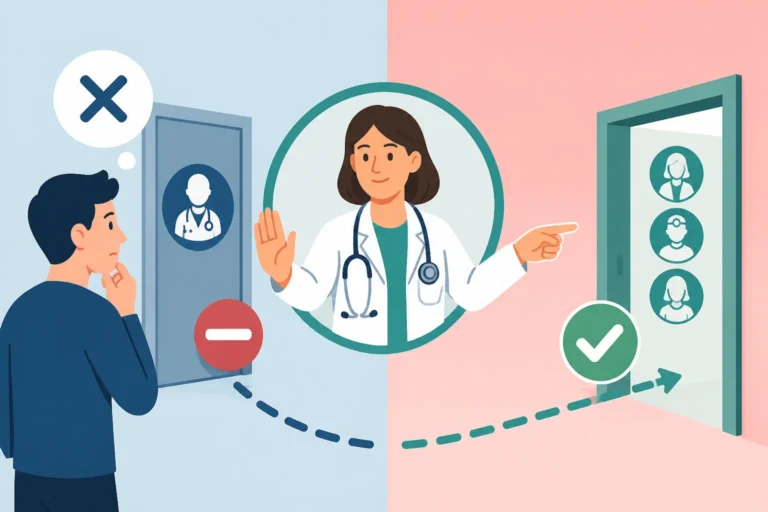
In Denmark, the healthcare system is built on the foundation of the General Practitioner (GP), or praktiserende læge. For many expats, this is the first point of culture shock. Unlike in North America or parts of Southern Europe, you cannot simply pick up the phone and call a private gynecologist for a routine annual check-up if you want the state to pay for it. Your GP is your primary point of contact for almost everything, including PAP smears, pelvic exams, and initial fertility discussions.
When you first arrive, Understanding CPR Registration and Your Healthcare Entitlement is your absolute priority. Once you have that yellow plastic card, you are assigned to a specific GP clinic. For many women, the realization that a family doctor—who might also treat your neighbor’s flu or your colleague’s sprained ankle—is the person performing your gynecological exam can be uncomfortable. However, Danish GPs are highly trained in women’s health. They handle the vast majority of routine screenings and contraceptive counseling. If they find something that requires more specialized equipment or knowledge, they will issue an electronic referral.
If you are currently waiting for your residency documents to be processed, you are essentially in a healthcare limbo. During this period, Expat Health Insurance: Coverage Before You Get Your CPR Number is vital. Brands like SafetyWing are particularly popular for digital nomads and newly arrived expats because they bridge the gap before the public system kicks in. Without this coverage, or a comprehensive policy from Cigna Global, you would be looking at significant out-of-pocket costs at private clinics like Aleris-Hamlet, where a single consultation can easily exceed 1,500 DKK.
Finding an English-Speaking Gynecologist
While almost all doctors in Denmark speak excellent English, there is a difference between "speaking English" and "understanding the cultural nuances of a patient’s concerns." If your GP gives you a referral for a specialist because of a specific issue—like persistent pelvic pain or abnormal bleeding—you are free to choose any gynecologist in your region who has an agreement with the public health service. This is part of the Danish "free choice" principle.
To find the right fit, you can use the website Sundhed.dk. You can filter by "Gynækologi" and see a list of specialists. While the site is primarily in Danish, you can look for names and then cross-reference them with expat forums or local Facebook groups. Many expats in the capital region specifically look for Finding an English-Speaking Gynecologist in Aarhus or Odense or Copenhagen to ensure they can express complex symptoms without anything being lost in translation. Once you have a referral, it is stored electronically; you just call the specialist's office, provide your CPR number, and they will pull up the referral from the system.
The Role of the GP in Routine Care
It is important to manage your expectations regarding what a GP will do. In Denmark, the "annual physical" or "well-woman exam" is not a standard practice. If you don't have symptoms and you aren't due for a scheduled screening, your GP might actually decline to perform a pelvic exam. The Danish medical philosophy is very much "if it isn't broken, don't fix it," which can feel dismissive if you come from a country where preventive screenings are more aggressive.
However, if you have a specific concern, you should book a "konsultation." You will usually get a 10-to-15-minute window. Be direct. Danes value efficiency. Instead of saying, "I just want a check-up," say, "I am experiencing X symptom and would like an exam." If you are uncomfortable with a male doctor, you have the right to request a female doctor within the practice, though you may have to wait longer for an appointment. If your GP clinic only has male doctors and this is a deal-breaker for you, you can look into How to Choose and Change Your General Practitioner (GP) in Denmark to find a clinic that better suits your comfort level.
When Can You Go Directly to a Specialist
There are very few instances where you can bypass the GP in the public system. One notable exception is for certain acute issues or if you are willing to pay for private care. If you have private health insurance through an employer, or a policy from Cigna Global, you can often skip the GP referral and go straight to a private hospital. This is a massive advantage if you want to avoid the 4-to-12-week waiting lists that sometimes plague the public gynecological specialists.
For those strictly using the "Yellow Card" (public system), you are tied to the referral model. The only other way to see a specialist without a referral is to change your insurance status to "Group 2." Most residents are "Group 1," meaning care is free but requires referrals. "Group 2" allows you to see any specialist without a referral, but you must pay a portion of the fee yourself, and your GP can charge you for visits. For 99% of expats, staying in Group 1 is the most cost-effective path, even if it requires a bit more patience with the administrative hurdles.
Routine Screenings: Cervical Cancer and Breast Cancer
Denmark has highly organized national screening programs that are incredibly efficient once you are in the system. The beauty of the Danish digital infrastructure is that you don’t have to remember when you are due for a test; the state remembers for you. Invitations are sent directly to your e-Boks or Mit.dk (your digital mailboxes).
Cervical Cancer Screenings (Smear Tests)
The cervical cancer screening program is one of the most important aspects of Women’s Health: Routine Screenings, Gynecology, and Contraception. Women between the ages of 23 and 64 are invited for regular screenings. If you are between 23 and 49, you are invited every three years. From 50 to 64, it is usually every five years, often using an HPV-based test which is more sensitive.
When you receive your invitation in e-Boks, you must call your GP to book the appointment. The test itself is performed by the GP or a nurse at the clinic. It is free of charge. A common frustration for expats is the "wait and see" approach to results. You won't usually get a phone call if everything is normal. Instead, you are expected to check the results yourself. This is where How to View Your Medical Records and Lab Results on Sundhed.dk becomes an essential skill. Logging in with your MitID allows you to see the laboratory report as soon as it's processed, usually within two weeks.
The Breast Cancer Screening Program
Mammography screenings are offered to women aged 50 to 69 every two years. Like the cervical screenings, this is an automated invitation system. If you are under 50 and have a family history of breast cancer or have found a lump, the process is different. You must go to your GP, who will perform a physical exam and then issue an urgent referral to a "Mammacenter" at a public hospital.
For younger women, the Danish system can feel quite rigid. They generally do not perform "baseline" mammograms for women in their 30s or 40s without clinical symptoms. If you prefer more frequent monitoring, you may need to utilize private clinics. If you are covered by a premium international plan like Cigna Global, these preventive private screenings are often covered, allowing you to bypass the age restrictions of the public system. For more details on the timeline and what happens during the appointment, see Cervical Cancer Screenings (Smear Tests): Reminders and Processes.
Tracking Results via Sundhed.dk
The Danish health portal, Sundhed.dk, is a goldmine of information, but it can be intimidating at first. Every blood test, every smear result, and every specialist note is recorded here. Expats often find it helpful to use the browser-based version with an auto-translate tool until you are comfortable with Danish medical terminology.
Checking your "e-journal" (electronic health record) allows you to see the exact wording of a radiologist's or pathologist's report. This is particularly helpful if you want to seek a second opinion in your home country or through a private provider. It ensures that you have all the data at your fingertips. If you ever find yourself in an emergency situation, doctors at the hospital can also access this data, which is a life-saving feature of the Danish system's interconnectedness.
Contraception Options and Costs in Denmark
Contraception in Denmark is widely available, but unlike many other medical services, it is generally not free. You are responsible for the cost of the medication or device, though the consultation with your GP to get the prescription is covered by your Yellow Card.
Birth Control Pills and Prescriptions
To get birth control pills, you must book an appointment with your GP. They will usually check your blood pressure and discuss your medical history, especially regarding migraines or smoking, before issuing a prescription. The prescription is then sent electronically to the "cloud." You can walk into any "Apotek" (pharmacy) in the country, show your health card, and they will see your prescription.
The cost of birth control pills varies significantly depending on the brand. Denmark has a "substitution" law, meaning the pharmacist will often offer you the cheapest generic version of the hormone combination your doctor prescribed. If you are concerned about costs, you should read up on Buying Birth Control Pills in Denmark: Costs and GP Consultations. There is a national subsidy system (Tilskud) that kicks in once you spend over a certain amount on prescriptions per year, but for basic birth control, you will likely be paying the full price out of pocket.
Long-Acting Reversible Contraception (LARC)
If you prefer an IUD (often called a "spiral" in Denmark) or a contraceptive implant, the process is slightly more involved. You first consult your GP, who writes a prescription for the device. You then go to the pharmacy, buy the IUD yourself (prices range from 250 DKK for copper to over 1,200 DKK for hormonal versions like Mirena), and bring it back to the GP for insertion.
Some GPs are very comfortable performing insertions, while others will refer you to a gynecologist. If you are referred to a gynecologist for the insertion of a contraceptive device, the specialist's time is free, but you still provide the device. For a step-by-step breakdown of this process, including the difference between the copper and hormonal options available in Danish pharmacies, see IUD (Spiral) Insertion in Denmark: Where to Go and How Much It Costs.
Emergency Contraception and Accessibility
Emergency contraception (the "morning-after pill") is available over-the-counter at all Danish pharmacies without a prescription. You can also find it in many large supermarkets like Føtex or Bilka, usually near the vitamins or baby care section. There is no age limit for purchase, and you do not need to show an ID in most cases, though the pharmacist may offer a brief consultation to ensure you know how to use it.
While it's easy to access, it is relatively expensive (around 150-300 DKK). If you are an EU citizen and haven't received your CPR yet, you can use your Blue card for medical consultations, but you will still pay for the medication. For more on how this works for visitors, check Healthcare for EU/EEA Citizens: Using the Blue EHIC Card in Denmark.
Specialized Women's Health Services
For women dealing with chronic conditions like endometriosis, PCOS, or those navigating the transition into menopause, the Danish system offers high-quality care, but the "pathway" to that care requires persistence.
| Service | Access Route | Cost (Public) | Waiting Time |
|---|---|---|---|
| Endometriosis Specialist | GP Referral | Free | 4-12 Weeks |
| IVF / Fertility | GP Referral | Free (up to age 40/45) | 3-9 Months |
| HRT (Menopause) | GP Consultation | Medication Cost Only | 1-2 Weeks |
| PCOS Diagnosis | GP + Blood Tests | Free | 2-4 Weeks |
Managing Endometriosis and PCOS
If you suspect you have endometriosis or PCOS, the journey starts with your GP. Be prepared for a "stepped" approach. A GP will likely start with an ultrasound (either in-office or via referral) and blood tests to check hormone levels. Because these conditions can be difficult to diagnose, it is often helpful to keep a detailed symptom diary before your appointment.
Denmark has specialized "Endometriosecentre" at major hospitals like Rigshospitalet or Aarhus University Hospital. Getting into these centers requires a referral from a specialist gynecologist, not just a GP. If you feel your pain is not being taken seriously, you have the right to ask for a second opinion. You can find more advice on navigating this specific hurdle in Dealing with Endometriosis: Referrals to Danish Specialists.
Fertility and IVF Support
Denmark is known globally for its progressive fertility laws. For residents, the public system offers up to three cycles of IVF treatment for your first child if you are under the age of 40 (and in some cases, up to 45 for private or modified public tracks). The waiting lists for public fertility clinics can be long, often several months.
Many expats choose to go private for fertility treatments to avoid the wait. If you are considering this, check if your international insurance, such as a high-tier Cigna Global plan, includes fertility benefits, as these treatments are significantly more expensive than standard gynecological care. The public system is incredibly supportive of single parents and same-sex couples, which is a point of pride in the Danish healthcare landscape.
Menopause Treatment (HRT)
Menopause care in Denmark is primarily handled by the GP. Hormone Replacement Therapy (HRT) is common, but Danish doctors tend to be cautious and will often prescribe the lowest effective dose. They generally favor transdermal options (patches or gels) over oral pills due to a lower risk profile.
If you are struggling with severe symptoms and your GP is hesitant to prescribe HRT, you can request a referral to a gynecologist who specializes in "hormonbehandling." It is also worth noting that many "alternative" treatments or bioidentical hormones that are popular in the US or UK may not be as readily available or subsidized in Denmark. For a detailed look at the available brands and the GP's role, read Navigating Menopause Treatment (HRT) with a Danish GP.
Managing Your Health Before the CPR Number
One of the most stressful periods for any new expat is the "waiting phase"—the weeks or months between arriving in Denmark and finally receiving that yellow health card in the mail. During this time, you are technically not covered by the Danish public health system (unless you are an EU citizen with an EHIC card).
Private Health Insurance for New Arrivals
If you need a gynecological exam, a new prescription for birth control, or have an urgent issue like a yeast infection or UTI before your CPR number is active, you will have to use private services. This is where having a policy like SafetyWing is a lifesaver. It is designed for this exact scenario, providing coverage for unexpected medical needs while you are in transit or settling in.
Private clinics like Hele vejen or Aleris will treat you without a CPR number, but you must pay upfront. A standard consultation will cost around 1,500 DKK, and if you need an ultrasound or lab tests, the bill can quickly climb to 3,000 DKK or more. If you have a chronic condition that requires regular monitoring, it is often better to bring a 3-month supply of medication from your home country to bridge the gap.
Out-of-Pocket Costs for Non-Residents
If you are a tourist or a non-EU expat without insurance, the costs in Denmark can be staggering. While emergency life-saving care is always provided, gynecological care is rarely classified as an "emergency" unless there is heavy hemorrhaging or a ruptured ectopic pregnancy.
For routine needs, some expats find it cheaper to take a quick flight to a neighboring country or wait until they return home for a visit. However, if you are moving here for the long term, investing in a policy from Cigna Global before you leave your home country can provide seamless transition coverage that includes "routine" care, which many travel-only insurances exclude.
Helpful Strategies for Expat Women in Denmark
To thrive in the Danish system, you need to adapt to their communication style. Danes are direct, and they expect you to be the same. If you are in pain, don't downplay it to be "polite." State your symptoms clearly and explain how they are impacting your daily life.
- Use the Apps: Download the "Sundhedskort" app so you always have your yellow card on your phone. Also, download "Min Læge," which allows you to text your GP for simple questions or prescription renewals.
- Be Your Own Advocate: If you feel a referral is necessary and your GP disagrees, ask them to note their refusal in your electronic record. This often prompts a more serious discussion about your options.
- Network: Join local groups like "International Women in Copenhagen" to get recommendations for specific doctors who are known for being particularly empathetic to expat concerns.
- Prepare for the Cold: Many Danish clinics are minimalist. You won't always get a "modesty gown" or a sheet to cover yourself during a pelvic exam. It is very common to just undress from the waist down and hop onto the table. Wearing a long sweater or a skirt can help you feel more comfortable.
The Danish system is designed for efficiency and equity. It may lack the "customer service" feel of private systems in other countries, but the quality of the medical care is world-class. Once you understand how to pull the administrative levers, you will find that managing your health here is straightforward and reliable.
Disclaimer
The information provided in this guide is for educational and informational purposes only and does not constitute professional medical advice, diagnosis, or treatment. Always seek the advice of your physician or another qualified health provider with any questions you may have regarding a medical condition. The Danish healthcare system and its regulations are subject to change, and while we strive to keep this information up to date, you should always verify current procedures with the official Danish health authorities or your local GP. Case-specific decisions should never be made based solely on the content of this article.