Finding an English-Speaking Gynecologist in Aarhus or Odense
Finding yourself in need of a gynecologist while living in a second city like Aarhus or Odense can feel incredibly daunting, especially when the medical terminology starts flying in Danish. I remember the knot in my stomach trying to explain my history to a receptionist in Aarhus who seemed to be in a rush. This guide solves the confusion of navigating specialized care, ensuring you find a professional, English-speaking gynecologist without the administrative headache.
Understanding the Danish Referral System for Gynecology
In Denmark, the healthcare system is designed with a very specific flow, and understanding this is the first step to getting the care you need. Unlike some countries where you can simply call up a specialist and book an appointment, the Danish system largely relies on your General Practitioner (GP) to act as the primary coordinator. This is often the first hurdle for expats who are used to more direct access.
When you first arrive and receive The Yellow Health Card (Sundhedskort): Your Key to Danish Healthcare, you are assigned a GP. This doctor is your point of entry for almost everything. If you are experiencing specific symptoms—such as irregular cycles, pelvic pain, or hormonal issues—you must first book an appointment with your GP. I’ve found that being very direct about your preference for an English-speaking specialist during this initial consultation is crucial. The GP will then issue an "electronic referral," which essentially opens a slot for you in the public specialist system.
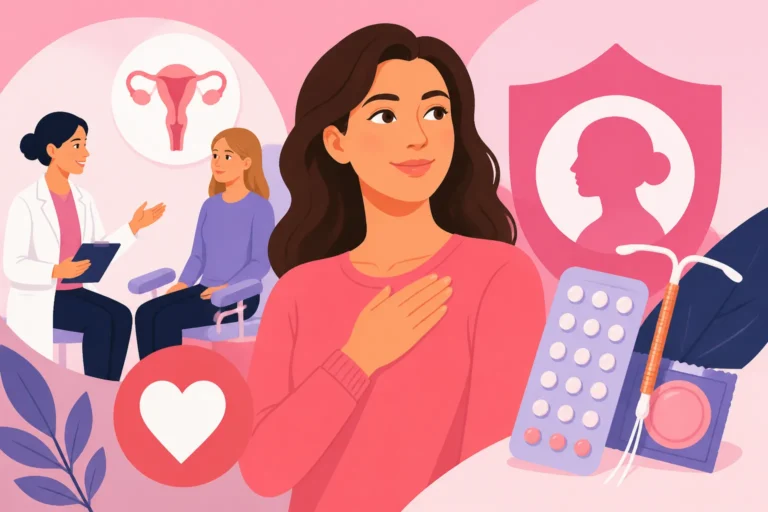
However, there are exceptions to this rule. For instance, if you are seeking a routine cervical smear test after receiving an official invitation, or if you are looking for specific types of contraception like an IUD insertion, the rules can be slightly more flexible depending on the region. Understanding the nuances of Women’s Health: Routine Screenings, Gynecology, and Contraception will help you determine if you need to wait for that GP appointment or if you can proceed more quickly.
The Role of the GP as Gatekeeper
Your GP is there to filter cases and ensure that specialists are not overwhelmed with issues that could be handled at the primary care level. While this can feel like an extra step, it ensures that your care is documented in one central place. If you are not happy with your current GP's level of English or their bedside manner, remember that you have the right to switch. Many expats find that How to Choose and Change Your General Practitioner (GP) in Denmark is the most important administrative task they perform in their first year.
During your GP visit, do not be afraid to advocate for yourself. If you have a preference for a gynecologist in a specific part of Aarhus C or near the Odense city center, mention it. The referral is usually "open," meaning you can take that electronic referral to any gynecologist in the country who has an agreement with the public health insurance, but local proximity is usually the goal.
When You Can Bypass the Referral
There are specific scenarios where the "gatekeeper" model is relaxed. For example, if you are looking for Cervical Cancer Screenings (Smear Tests): Reminders and Processes, the invitation letter you receive in the mail or via Digital Post acts as your "referral." You can then contact a gynecologist or often even your own GP's office to have the test performed.
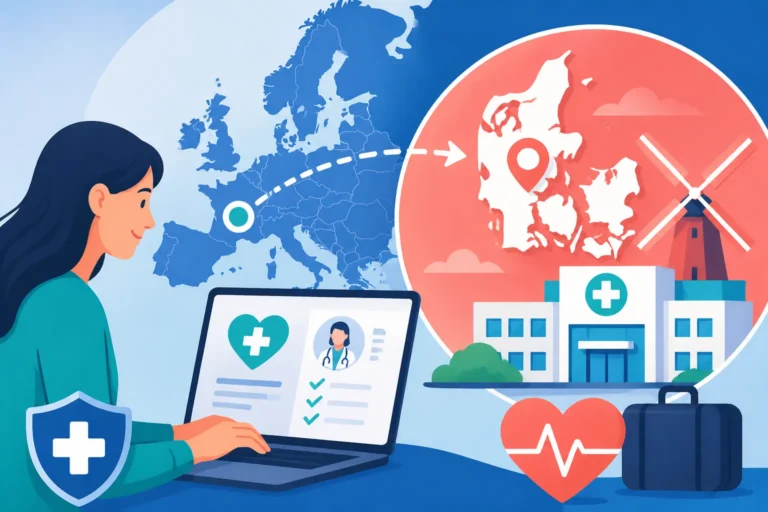
Another scenario is private care. If you have international insurance like Cigna Global or if you are willing to pay out of pocket, you can skip the GP entirely. This is a popular route for those who find the public waiting times too long. If you are still in your first 90 days and haven't received your CPR number yet, using a provider like SafetyWing can provide the necessary coverage to access private clinics while you wait for your permanent registration to clear.
Finding an English-Speaking Gynecologist in Aarhus
Aarhus, being the second-largest city in Denmark and a major university hub, has a wealth of medical talent. The challenge isn't finding a doctor; it’s finding one with an open patient list and a high comfort level with English. Most Danish doctors speak English fluently, but the administrative staff and the booking systems can sometimes be exclusively in Danish.
In Aarhus, many expats gravitate towards clinics in the city center or near the Aarhus University Hospital in Skejby. One highly regarded option is Gynækologisk Klinik Aarhus, located in the heart of the city. They are well-versed in dealing with the international community, including students and researchers. When calling, it is best to do so during their specific "phone hours," which are usually listed on their website. I’ve found that even if the website is in Danish, a polite "Do you speak English?" at the start of the call is always met with a helpful response.
Recommended Clinics and Digital Tools
To find the most up-to-date list of specialists, you should use the official portal, Sundhed.dk. This is where Finding Medical Care in Denmark: GPs, Specialists, and Referrals becomes a digital exercise. You can filter by "Gynækologi" and "Region Midtjylland." The system will show you the current waiting times for each clinic, which is a vital piece of information. In Aarhus, waiting times can range from a few weeks to several months for non-urgent issues.
If the wait for a public specialist is too long, Aarhus has private hospitals like Aleris or Capio. These facilities feel much more like the private healthcare systems in the US or UK. They offer a high degree of English proficiency and often provide more time for consultations. This is where having Private Health Insurance (Sygeforsikring "danmark"): Is It Worth It? or a comprehensive plan from Cigna Global can significantly reduce your out-of-pocket expenses.
Navigating the Aarhus Public System
If you choose the public route in Aarhus, your referral will be uploaded to a central server. You can then call any gynecologist who has a "ydernummer" (a provider number linked to the public system). A useful tip for Aarhus residents is to look at clinics in neighboring towns like Skanderborg or Silkeborg if the city center clinics are fully booked. The train ride is short, and the care is identical.
When you arrive at a clinic in Aarhus, you will be expected to scan your health card. This is a standard procedure across Healthcare in Denmark for Foreign Residents: Complete System Guide (2027). It notifies the staff that you have arrived and ensures the clinic gets reimbursed by the state.
| Feature | Public System (Yellow Card) | Private System (Out-of-Pocket/Insurance) |
|---|---|---|
| Cost | Free (tax-funded) | 1,500 – 3,000 DKK per visit |
| Referral | Required from GP | Not required |
| Waiting Time | 4 – 12 weeks typically | 1 – 10 days |
| Doctor Choice | Any with an open list | Total freedom of choice |
| English Support | High (Doctors), Moderate (Admin) | Very High (Full staff) |
Accessing Gynecological Care in Odense
Odense has a slightly different "vibe" than Aarhus, but the medical standards are equally high. As the home of the Odense University Hospital (OUH), the city is a center for medical research. For expats living in Funen, finding a gynecologist usually involves looking at private practices scattered around Vestergade or near the harbor area.
A well-known clinic in the area is Gynækologisk Klinik Odense. Like many specialized practices in Denmark, it is run by experienced consultants who often spend part of their time at the university hospital. Their ability to explain complex medical issues in English is generally excellent. If you are a student at SDU (University of Southern Denmark), you might find that the local student health resources can provide specific recommendations for clinics that are particularly "expat-friendly."
Local Resources and Specialist Access
In Odense, the community is a bit smaller, which means word-of-mouth is powerful. Joining local Facebook groups for expats in Odense can provide real-time feedback on which doctors have the best "English-speaking" bedside manner. However, always verify these recommendations against the official data on Sundhed.dk.
When searching for a specialist in Odense, keep in mind that Expat Health Insurance: Coverage Before You Get Your CPR Number is particularly relevant if you are working for one of the many robotics firms in the area and are still in the middle of your relocation process. Using SafetyWing during this transition allows you to visit a gynecologist in Odense for urgent matters without waiting for the Danish bureaucracy to catch up.
Specific Considerations for Funen Residents
One thing I noticed while living in the Region of Southern Denmark (Syddanmark) is that the healthcare digital infrastructure is very robust. You can often see your test results and doctor's notes on the "Min Læge" app almost as soon as the doctor hits 'save'. This transparency is wonderful, but the notes will be in Danish. Don't be afraid to ask your gynecologist to summarize the findings in English during your appointment so you aren't left staring at a screen of Danish medical jargon later that night.
If you are dealing with a more complex issue like endometriosis or fertility challenges, the gynecologist in Odense may refer you further to the specialized departments at OUH. At this level, the care remains free under the public system, but the English language support is guaranteed, as the hospital deals with international researchers and patients daily.
Practical Tips for Your First Appointment
The cultural approach to gynecological exams in Denmark might be different from what you are used to. It is generally very pragmatic and efficient. There is a strong emphasis on patient autonomy and "informed consent." If you are coming from a country where medical care feels more formal, the Danish "equal footing" approach can be a breath of fresh air, though it requires you to be proactive.
Before you go, make sure you have your MitID ready on your phone. While the physical yellow card is used for check-in, many clinics now use digital forms for medical history that you might need to sign into. If you are unsure about the digital side of things, reading up on Sundhed.dk and MitID: Navigating Denmark’s Digital Health Portals will save you a lot of frustration in the waiting room.
What to Bring and What to Expect
- Your Sundhedskort: This is non-negotiable for public appointments.
- Medical Records: If you have recent history from your home country, bring a printed copy in English. Danish doctors are usually happy to review these.
- A List of Questions: Write them down. It’s easy to forget specific terms when you are in the exam room.
- Knowledge of Your Cycle: Have your tracking app ready, as "When was your last period?" is always the first question.
The exam itself is standard, but you might find that "paper gowns" are less common in Denmark than in the US. Often, you are simply asked to undress from the waist down in a private area and then proceed to the exam chair. If this makes you uncomfortable, feel free to bring a long shirt or a small wrap. Danish doctors are very respectful, but they also view the body in a very clinical, non-taboo way.
Navigating Communication Barriers
Even though the doctor speaks English, the nuances of "pain" or "discomfort" can sometimes get lost in translation. Use descriptive words and don't be afraid to ask, "Can you explain that in a different way?" If you feel that you aren't being understood, you have a legal right to an interpreter in the Danish healthcare system if the doctor deems it necessary for your treatment. However, for English speakers, this is rarely invoked because the proficiency level of the medical staff is so high.
If you are visiting for contraception, be aware that you will usually be given a digital prescription. You don't need a physical piece of paper. You simply walk into any "Apotek" (pharmacy) in Aarhus or Odense, scan your yellow card, and they will see the prescription in the system. It’s an incredibly efficient way to manage Pharmacies in Denmark: Apotek Rules, Prescriptions, and Subsidies.
Dealing with Costs and Insurance Gaps
One of the biggest stressors for new arrivals is the gap between landing in Denmark and receiving that magic yellow card. This process can take anywhere from a few weeks to a couple of months. During this "limbo" period, you are not covered by the Danish public health system unless it is an absolute emergency.
This is where private expat insurance is a lifesaver. SafetyWing is a popular choice for digital nomads and those on the move because of its flexibility and low cost. It can cover you for unexpected gynecological issues that arise before your CPR registration is complete. For those who want a more "permanent" private solution that mirrors a high-end international plan, Cigna Global offers comprehensive coverage that includes specialist visits without the need for a GP referral.
If you are already in the system but want more than what the public clinics offer—such as shorter wait times or more frequent check-ups—Cigna Global can act as a secondary layer of protection. Many expats in high-stress roles in Aarhus or Odense choose this route to ensure they have 24/7 access to English-speaking medical advice and the ability to choose any private specialist in the country.
Emergency Gynecological Care
If you experience sudden, severe pain or heavy bleeding outside of normal clinic hours, do not wait for a referral. In Aarhus or Odense, the "Lægevagten" (Out-of-Hours Doctor) is your first point of contact. You must call them first; you cannot simply show up at the ER for non-life-threatening issues. They will triage you over the phone—in English—and tell you which hospital or clinic to go to.
In Aarhus, this usually means a trip to the emergency department at Skejby. In Odense, you will be directed to the OUH emergency intake. For more details on how to handle these stressful situations, bookmark Emergency Medical Care in Denmark: Calling 112, Lægevagten, and ERs. The system is incredibly efficient, but it follows a strict protocol that can feel rigid if you don't know the rules.
Finding the right gynecologist is about more than just medical skill; it’s about feeling heard and safe in a foreign environment. Whether you are in the cobblestone streets of Aarhus or the fairy-tale setting of Odense, the care is there—you just need to know which door to knock on.
Disclaimer
This guide is for informational purposes only and does not constitute professional medical or legal advice. Healthcare regulations and clinic availability in Denmark can change. Always consult with a qualified healthcare provider or the Danish Health Authority (Sundhedsstyrelsen) for specific medical concerns or up-to-date system requirements.