Cervical Cancer Screenings (Smear Tests): Reminders and Processes
Navigating a foreign healthcare system while worrying about preventative health is a major source of anxiety for many women moving to Denmark. When I first arrived, I spent weeks wondering if I had missed a crucial letter or if I was even in the system at all. This guide demystifies the Danish cervical cancer screening program, explaining exactly how the invitation process works, what to expect at your appointment, and how to interpret your results.
The Invitation System and Your CPR Number
In Denmark, the healthcare system is incredibly proactive when it comes to cancer prevention, but it operates on a very specific, automated logic. You won't need to set a calendar reminder to book your smear test; instead, the system tracks you via your CPR number. This is one of many reasons why Understanding CPR Registration and Your Healthcare Entitlement is the foundation of your life here. Once you are registered in the Civil Registration System, the health authorities in your region (Region Hovedstaden, Region Sjælland, etc.) automatically know when you are due for a screening.
The invitation usually arrives via Digital Post, which you access through platforms like E-Boks or Mit.dk. If you haven't set these up yet, you are essentially "blind" to the Danish administrative state. I remember the panic of realizing I had three unread messages from the health authorities simply because I hadn't linked my phone to my digital mailbox. If you are a new arrival, you might find that Sundhed.dk and MitID: Navigating Denmark’s Digital Health Portals are your most used tools for managing these notifications.
The age at which you receive your first invitation depends on your birth year, but generally, women between the ages of 23 and 64 are included in the national program. If you are moving from a country where screenings start earlier or happen more frequently, the Danish timeline might feel a bit slow. However, the Danish system is evidence-based and currently focuses heavily on HPV testing rather than just looking at cell changes (cytology). If you have just arrived and haven't received your CPR yet, you might consider Expat Health Insurance: Coverage Before You Get Your CPR Number to ensure you have some level of gynecological coverage in the interim through providers like SafetyWing or Cigna Global.
Booking and Attending Your Appointment
Once that digital letter lands in your inbox, it is your responsibility to book the actual appointment. The invitation is not a fixed time; it is a "reminder" that you are now eligible. In Denmark, your primary point of contact for this procedure is your General Practitioner (GP). You do not go to a hospital or a specialized gynecological clinic for a routine smear test. This can be a bit of a culture shock if you come from a country where gynecologists handle all "below the belt" health concerns. Knowing How to Choose and Change Your General Practitioner (GP) in Denmark is vital because you want to feel comfortable with the doctor performing the test.
When you call your GP’s office, simply state that you have received an invitation for a "Livrshalskræftscreening" (cervical cancer screening). Most clinics have nurses or female doctors who specialize in these tests if you have a preference. Because of The Role of the GP: Why You Cannot Go Directly to a Specialist, your doctor will be the one managing the sample and the initial follow-up.
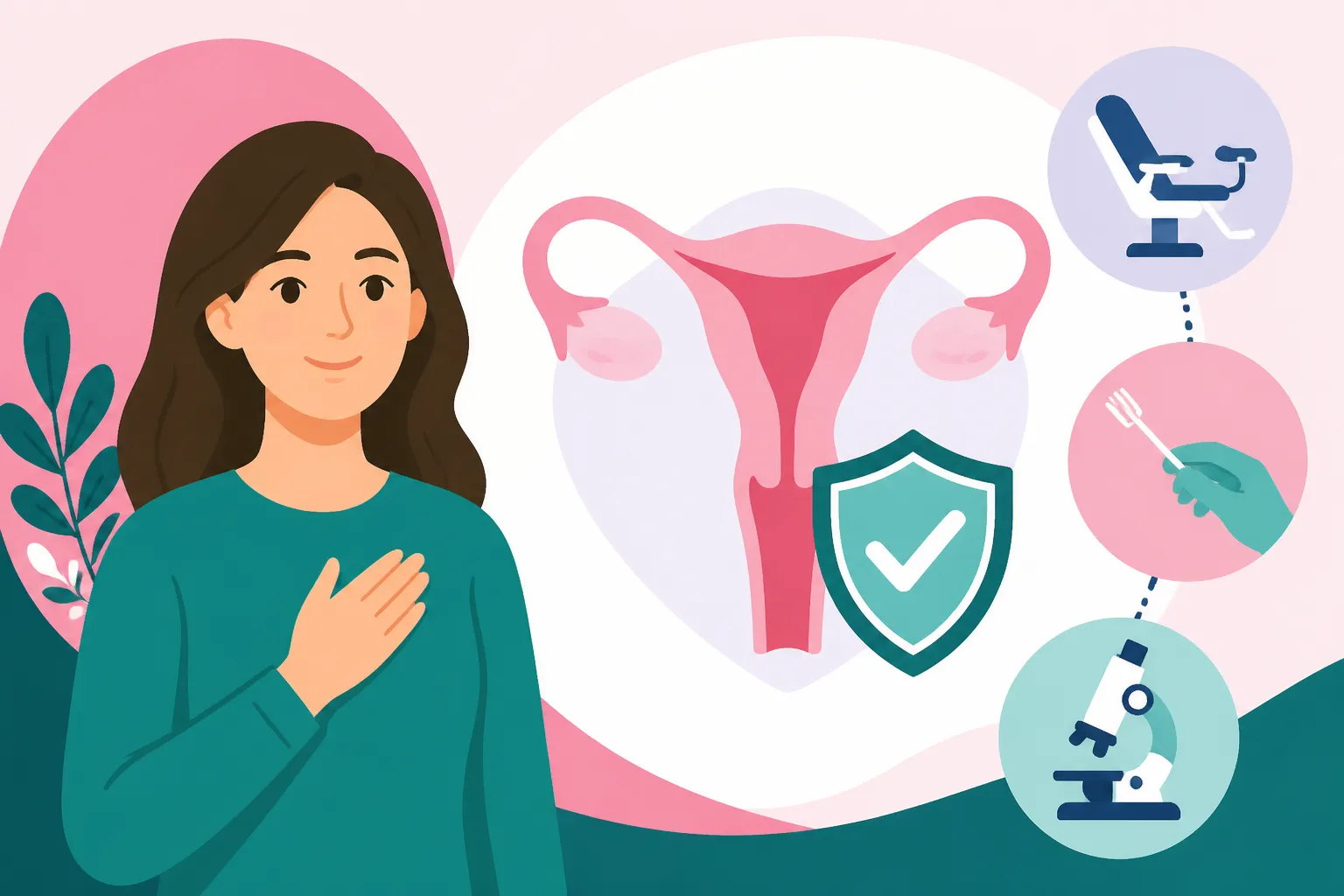
On the day of the appointment, remember to bring The Yellow Health Card (Sundhedskort): Your Key to Danish Healthcare. You will need to scan it at the arrival terminal in the waiting room. The procedure itself is very quick, usually lasting no more than five to ten minutes. One thing I found surprising is that Danish GP offices are often quite minimalist; don't expect a fancy changing room or a heavy cloth gown. Usually, you are just asked to undress from the waist down behind a small curtain. It’s a very "no-nonsense" Danish experience—efficient, professional, but perhaps a bit more exposed than what you’re used to back home.
Understanding the Screening Frequency and Methods
Denmark updated its screening protocols recently to better utilize HPV (Human Papillomavirus) testing. The frequency of your invitations will change as you age, moving from every three years to every five years. This can feel like a long time to wait, especially if you have a history of health concerns. While the public system is robust, some expats choose to supplement their care with Private Health Insurance (Sygeforsikring "danmark"): Is It Worth It? or international plans from Cigna Global to allow for more frequent private check-ups if they feel the five-year gap is too wide.
| Age Group | Screening Frequency | Primary Testing Method |
|---|---|---|
| 23 – 29 Years | Every 3 Years | Cytology (Cell Examination) |
| 30 – 59 Years | Every 5 Years | HPV DNA Testing |
| 60 – 64 Years | Final Screen | HPV DNA Testing |
For women in the 30-59 age bracket, the system primarily looks for the presence of high-risk HPV strains. If the HPV test is negative, the risk of developing cervical cancer before the next screening is extremely low, which is why the interval is five years. If you are under 30, the system still primarily uses cytology (looking at the cells under a microscope) because HPV infections are very common in younger women and often clear up on their own without causing cell changes.
If you are particularly nervous about the procedure, some regions in Denmark have begun trialing "self-sampling" kits for women who consistently skip their appointments. While not yet the standard for everyone’s first invitation, it shows the system's flexibility. Regardless of the method, the goal is the same: early detection. For more details on the broader scope of care available to you, I highly recommend reading about Women’s Health: Routine Screenings, Gynecology, and Contraception.
Results, Follow-Ups, and the Colposcopy Process
After your smear test, you typically won't hear anything for two to four weeks. In Denmark, "no news is good news" is often the mantra, but I always prefer to check for myself. You can see your results as soon as the lab finishes them by logging into the national health portal. Learning How to View Your Medical Records and Lab Results on Sundhed.dk is an empowering way to stay on top of your health without waiting for a letter.
If your results come back with "atypical cells" or show high-risk HPV, do not panic. This is exactly why the screening exists. Your GP will receive the results simultaneously and will contact you via Digital Post or a phone call to discuss the next steps. Depending on the finding, you might be asked to come back for a repeat test in six months, or you might be referred to a gynecologist for a colposcopy.
A colposcopy is a more detailed look at the cervix using a specialized magnifying instrument. Because this is a specialized procedure, it falls under the referral system. You will need a referral from your GP to see a gynecological specialist in the public system for free. If you have a private policy through SafetyWing or Cigna Global, you might be able to bypass the public waiting times, but generally, the Danish system prioritizes cancer-related referrals quite highly, so wait times are usually manageable. You can find more information on this hierarchy in our guide on Finding Medical Care in Denmark: GPs, Specialists, and Referrals.
Managing Your Health as a Foreign Resident
It is important to remember that if you move to a new address within Denmark, you must update your registration. The health invitations are tied to your registered address in the CPR system. If you move and don't tell the municipality, your invitation will go to your old apartment, and you might miss a crucial screening window. The integration between your residency status and your health rights is explained deeply in the Healthcare in Denmark for Foreign Residents: Complete System Guide (2027).
For those who are in Denmark on a shorter-term basis or are waiting for their residency to be finalized, the screening program might not automatically "catch" you. If you are here on a work visa and have a high-stress job, it is easy to let these things slide. However, preventative health is a cornerstone of the Danish lifestyle. If you are covered by an international plan like SafetyWing while you wait for your yellow card, you can often book a private gynecologist visit in Copenhagen or Aarhus to keep your screening schedule on track.
Finally, if you find that the language barrier is making the process difficult, you are entitled to certain protections. While most Danish doctors speak excellent English, the technical terms of a medical report can be confusing. Don't be afraid to ask your GP to explain the results in plain English. The Danish system is designed to be transparent, and as a resident, you have the right to understand every aspect of your "Journal" (medical record). Staying informed and proactive is the best way to navigate the administrative hurdles and ensure that your health remains a priority while you enjoy your life in Denmark.
Disclaimer
This article is for informational purposes only and does not constitute professional medical advice, diagnosis, or treatment. Always seek the advice of your physician or another qualified health provider with any questions you may have regarding a medical condition. The Danish healthcare system rules and screening intervals are subject to change by the national health authorities.