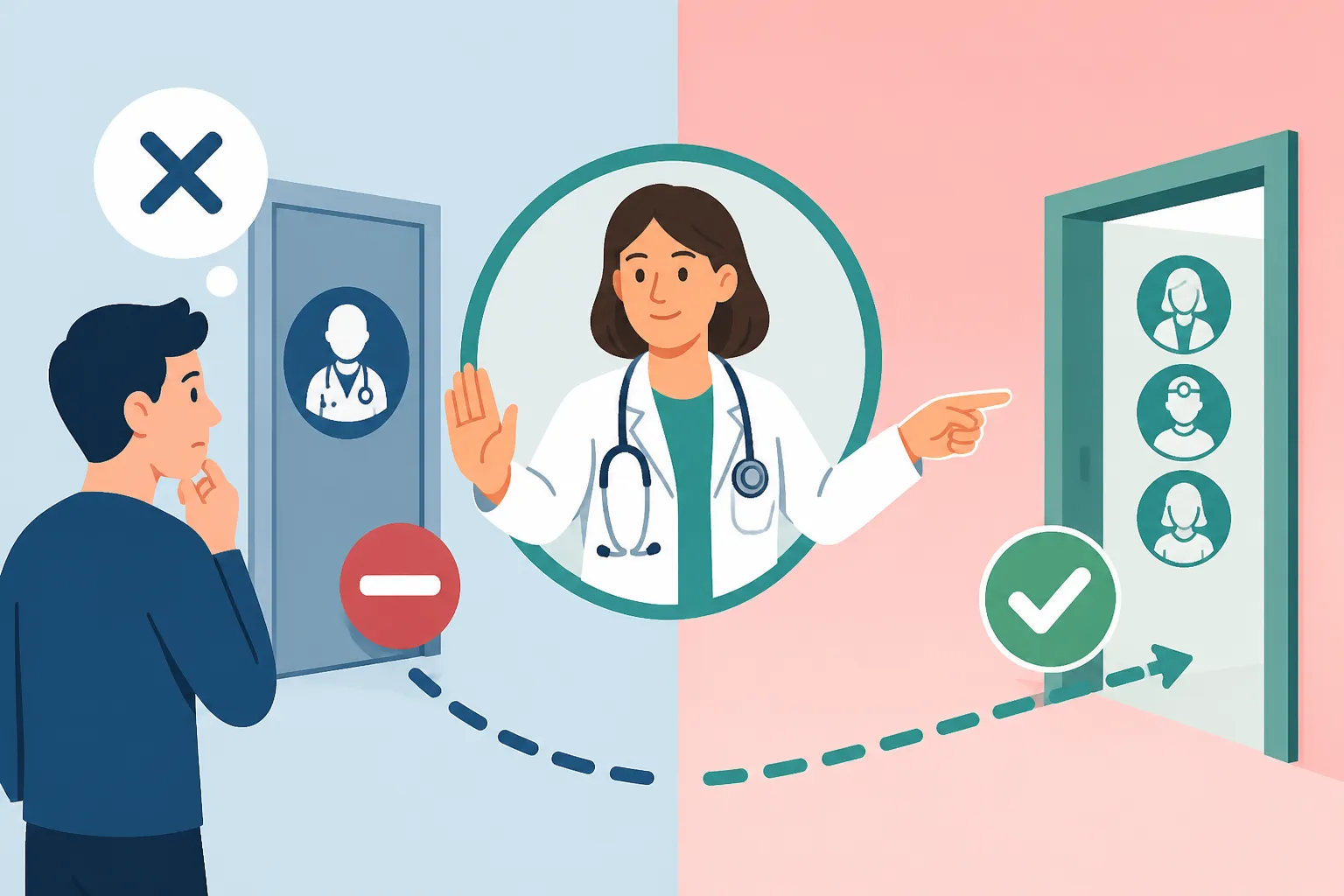
The Role of the GP: Why You Cannot Go Directly to a Specialist
The most jarring realization for many new arrivals in Denmark is that you cannot simply pick up the phone and book an appointment with a cardiologist, dermatologist, or gynecologist just because you feel something is wrong. I remember the sheer confusion I felt during my first winter in Aarhus when a persistent skin issue flared up; I called five different private clinics only to be told the same thing: I needed a referral from my "own doctor" first. This guide is designed to demystify the Danish gatekeeper system, explain exactly why the General Practitioner (GP) holds the keys to the kingdom, and show you how to navigate this structure without losing your mind.
Understanding the Danish Healthcare Gatekeeper System
The Danish healthcare model is built on the principle of centralized coordination, and the General Practitioner, known locally as the Egen Læge, is the absolute center of that universe. Unlike systems in the United States or parts of Southern Europe where "doctor shopping" is common, the Danish system assumes that your GP knows your medical history better than anyone else. This professional acts as a filter, ensuring that highly specialized hospital resources are reserved for patients who truly need them, while routine issues are handled at the primary care level.
The Philosophy of Primary Care Coordination
The reason you are tethered to a specific GP is rooted in the Danish concept of holistic health. The government believes that if one person oversees your vaccinations, your annual check-ups, and your minor ailments, they can spot patterns that a specialist focusing only on one organ might miss. When I first moved here, I found it restrictive, but I eventually realized that having a single point of contact simplifies my records. Everything—from your blood test results to your hospital discharge summaries—flows back to your GP. This ensures that when you do finally see a specialist, they aren't starting from scratch. You can read more about how this integrates with your residency in our guide on Understanding CPR Registration and Your Healthcare Entitlement.
Group 1 vs. Group 2 Health Insurance
When you receive your yellow card, you are by default placed in "Group 1" insurance. This is the standard for 99% of residents. In Group 1, all GP visits are free, but you are strictly required to have a referral to see a specialist. However, there is a lesser-known option called Group 2. In Group 2, you have the freedom to visit any GP and any specialist without a referral. The catch? You must pay a portion of the fee yourself, and the GP can charge you for the consultation. For most expats, Group 1 is the logical choice because the costs in Group 2 can spiral quickly. For a deeper dive into these categories, check out our article on What Does 'Group 1' vs 'Group 2' Health Insurance Mean?.
Why the System Prioritizes General Practice
By funneling everyone through a GP, Denmark maintains one of the most cost-effective and egalitarian healthcare systems in the world. It prevents the "worried well" from clogging up waiting lists for MRIs or specialized surgeries, which theoretically keeps the system free at the point of use for everyone. As an expat, this means you have to learn the "language" of the GP. You aren't just going there for a cure; you are going there to build a case for why you need a specialist. If you are still waiting for your paperwork to clear, you might consider Expat Health Insurance: Coverage Before You Get Your CPR Number to ensure you aren't left unprotected during the transition.
How to Choose and Change Your General Practitioner in Denmark
Because your GP is the gatekeeper to all other services, choosing the right one is perhaps the most important administrative task you’ll face after getting your CPR number. When you first register your address at the International House or your local Kommune, you will be asked to choose a doctor from a list of those currently accepting new patients within a 15-kilometer radius of your home.
Finding a GP with an Open List
The list of available doctors fluctuates constantly. In popular neighborhoods in Copenhagen or Aarhus, the best clinics often have "closed lists," meaning they are at full capacity. I’ve spent hours refreshing the registration page just to see if a highly-rated clinic near my apartment had opened up. If you are struggling to find a provider, it’s worth looking at How to Find a GP Accepting New Patients in Copenhagen for specific local strategies. Remember that if you live in a rural area, your choices will be naturally limited, but the quality of care remains standardized across the country.
The Practicalities of Changing Your Doctor Online via Borger.dk
If you move or if you simply don't click with your current doctor, you can change your GP online through the Borger.dk portal using your MitID. It currently costs a fee of around 225 DKK (2026 rates) to change your doctor, unless you are moving house, in which case it is free. The process is instant, and your digital medical records will be transferred automatically. For a step-by-step walkthrough, see our guide on How to Change Your Doctor Online via Borger.dk.
What to Look for in an English-Speaking Practice
While almost all Danish doctors speak excellent English, the "bedside manner" and the willingness to explain the "why" behind the gatekeeper system can vary. Some clinics are more "expat-friendly" and understand that foreigners might be used to more proactive testing. When searching, look for clinics that use the Min Læge app efficiently, as this allows you to book appointments and have text consultations in English. Finding a doctor who respects your concerns is vital for navigating Healthcare in Denmark for Foreign Residents: Complete System Guide (2027) successfully.
The Referral Process: From GP to Specialist
So, you’ve seen your GP, and they agree that your heart palpitations or your persistent joint pain requires a specialized eye. What happens next? This is where the digital efficiency of Denmark really shines, but it can also feel like a "black hole" if you don't know where to look.
When a Referral (Henvisning) is Necessary
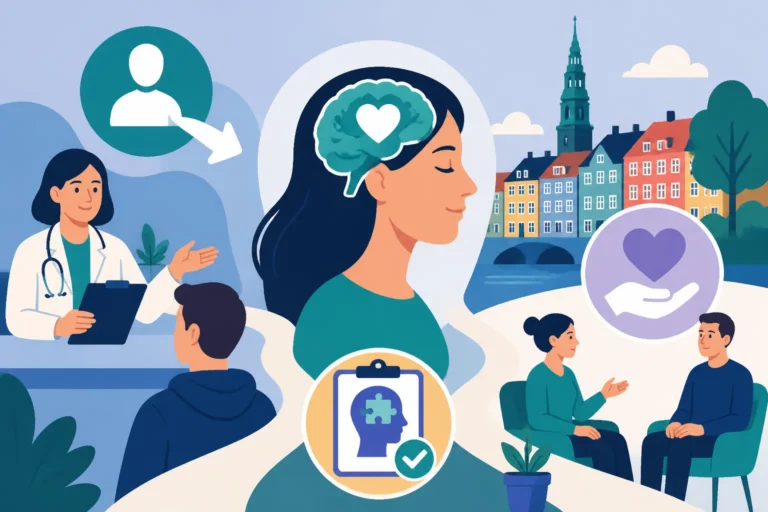
A henvisning is a digital "ticket" created by your GP. It is uploaded to a national server. You don't usually get a piece of paper; instead, the referral sits in the system, and any specialist in that field across the country can see it. This is required for almost everything: physiotherapists, psychologists, cardiologists, and dermatologists. Without this digital mark on your record, the specialist's booking system will literally block them from seeing you under the public health scheme.
Exceptions to the Rule: Specialists You Can Visit Directly
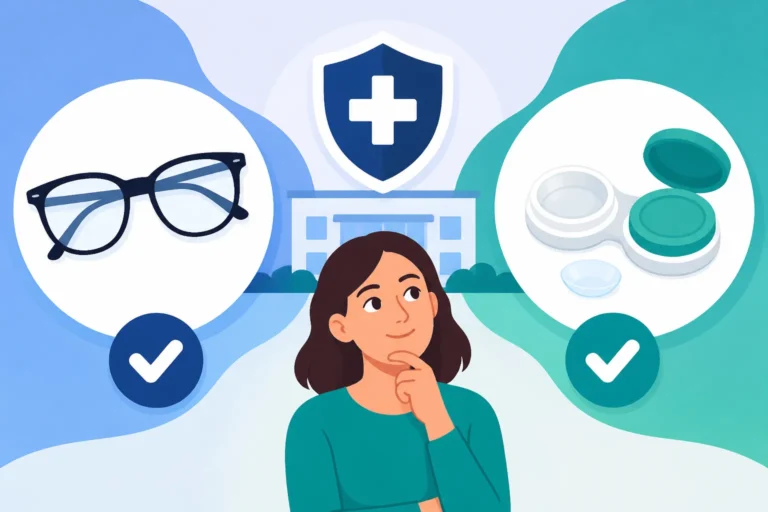
There are a few key exceptions to the gatekeeper rule where you can bypass the GP entirely. You can book directly with an eye doctor (ophthalmologist) or an ear, nose, and throat (ENT) specialist. This is a lifesaver if you have an acute sinus issue or need a vision check. I didn't know this for my first two years and wasted so much time waiting for GP appointments just to get an ENT referral. You can learn more about this in our specific guide on Accessing an ENT (Ear, Nose, Throat) Specialist Without a Referral. Additionally, dentists are entirely outside the GP system; you simply find one and book. Check out Dental Care in Denmark: Costs, Subsidies, and Private Insurance Options for the financial details on that.
Tracking Your Referrals via Sundhed.dk and MitID
Once a referral is made, you are responsible for finding the specialist and booking the appointment yourself. You can log into Sundhed.dk and MitID: Navigating Denmark’s Digital Health Portals to see your active referrals. The portal will show you when the referral was made and when it expires (usually after 6 months). It also allows you to see How to View Your Medical Records and Lab Results on Sundhed.dk, which is incredibly helpful for keeping track of what your GP actually told the specialist about your condition.
Dealing with Waiting Times and Patient Rights
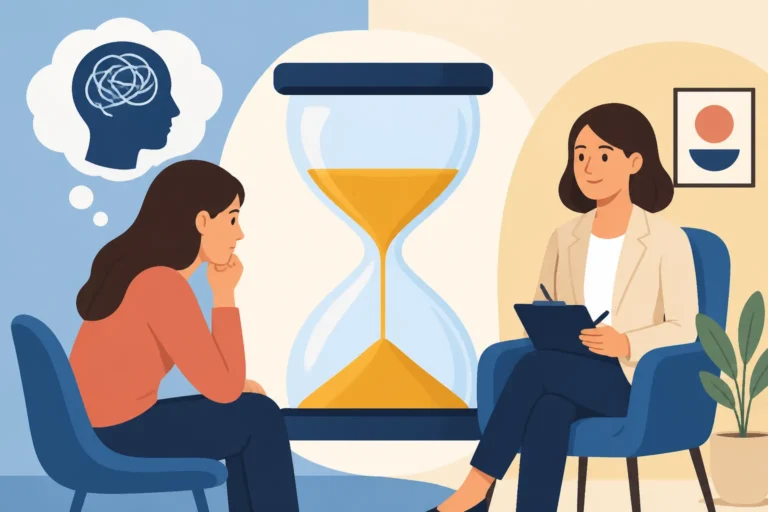
This is the part where the "empathy" of this guide is most needed. The waiting times for specialists in the Danish public system can be, frankly, exhausting. It is not uncommon to see a 12-week wait for a dermatologist or a 20-week wait for a non-urgent psychologist appointment.
Current Waiting Times and Patient Rights
Denmark has a "Diagnostic Guarantee." If the hospital system cannot start your investigation or treatment within 30 days, you may have the right to be referred to a private hospital at the government's expense. However, this often only applies to serious conditions and hospital-based specialists, not necessarily the local community dermatologist. You can monitor the current situation via Waiting Times in Danish Public Hospitals and Patient Rights. If you find yourself in an agonizingly long queue, you have the right to "Free Hospital Choice," meaning you can look for a hospital in another region with a shorter wait.
When to Consider Private Health Insurance
Because of these wait times, many expats opt for private solutions. If you have a policy through Cigna Global, you can often bypass the public referral system and see a private specialist within days. Cigna Global is particularly popular among high-earning expats who cannot afford to wait months for a diagnosis that affects their ability to work. Similarly, SafetyWing offers a robust "Nomad Health" product that can be a great bridge if you are transitioning between countries or jobs and don't want to rely solely on the public "wait-and-see" approach.
The Role of Sygeforsikring "danmark"
Many residents join a private insurance association called Sygeforsikring "danmark". This is not the same as full private health insurance like Cigna Global; rather, it is a co-pay system that refunds you a portion of your costs for things like dental work, physical therapy, and prescription medication. It is a "must-have" for long-term residents. You can read our analysis on Private Health Insurance (Sygeforsikring "danmark"): Is It Worth It? to see which "Group" you should join.
Specialist Access Quick Reference
| Specialist Type | Referral Required? | Typical Wait Time | Cost (Group 1) |
|---|---|---|---|
| Dermatologist | Yes | 8 – 16 Weeks | Free |
| Cardiologist | Yes | 4 – 12 Weeks | Free |
| ENT (Ear, Nose, Throat) | No | 2 – 6 Weeks | Free |
| Eye Doctor | No | 4 – 10 Weeks | Free |
| Psychologist | Yes | 12 – 26 Weeks | Subsidized (60%) |
| Physiotherapist | Yes | 1 – 3 Weeks | Subsidized (approx. 40%) |
| Gynecologist | Yes | 4 – 12 Weeks | Free |
Navigating Urgent Needs: When the GP is Closed
What happens if you have a medical issue that can't wait for a GP appointment but isn't a life-threatening "112" emergency? This is another area where the gatekeeper system has a specific "after-hours" version.
Emergency vs. Out-of-Hours Care
You should never just show up at an Emergency Room (Akutmodtagelse) in Denmark. You will be turned away unless you arrived in an ambulance. Instead, you must call the "Out-of-Hours Doctor" (Lægevagten) or, if you are in the Capital Region, the 1813 medical helpline. These practitioners act as the "temporary gatekeepers." They will triage you over the phone and decide if you need to stay home, see your own GP the next day, or come in for an urgent assessment. For more details on this, see Emergency vs. Out-of-Hours Care: When to Call Lægevagten (1813).
Managing Chronic Conditions and Mental Health
If you suffer from a chronic condition like diabetes or asthma, your GP will likely manage your care entirely, only sending you to a specialist for an annual review. This can be frustrating if you are used to seeing a specialist every three months. The same applies to mental health. The GP is the one who must issue a referral for subsidized therapy. If you are struggling, it is vital to know Finding Medical Care in Denmark: GPs, Specialists, and Referrals as early as possible to start the clock on those long waiting lists.
Bridging the Gap with International Coverage
For those who find the Danish public system's speed insufficient for their mental or physical health needs, international providers like SafetyWing and Cigna Global provide a necessary alternative. SafetyWing is excellent for those who are still in the "Yellow Card" waiting period, as it covers you globally and provides a level of private access that the public system cannot match in terms of speed. Cigna Global offers a more "premium" experience, often including direct access to private specialists without the need for a GP to "agree" that your condition is serious enough.
Navigating the GP Relationship as an Expat
The key to a successful experience in the Danish health system is communication. Danes value directness. If you go to your GP and say, "I am worried about this because of my family history," they are far more likely to grant a referral than if you simply demand one.
I’ve learned that being my own advocate is necessary. If you feel your GP is being too conservative, you can ask for a "second opinion" within the practice, or you can use your right to change doctors. It’s also helpful to have your Yellow Health Card (Sundhedskort): Your Key to Danish Healthcare always ready, both in physical form and on the app, as you must scan it at every point of contact within the system.
Ultimately, the GP is not there to block you, but to manage your journey through a very complex, high-demand system. Once you understand the rules of the game—how the digital referrals work, which specialists are "free-for-all," and when to use your private insurance—the frustration of the "gatekeeper" starts to fade, replaced by the security of knowing you are part of a system that, while slow, rarely leaves a patient behind.
Disclaimer
This article is for informational purposes only and does not constitute medical or legal advice. Healthcare regulations and waiting times in Denmark can change frequently. Always consult with a qualified medical professional or the official Danish health authorities (Sundhedsstyrelsen) for specific advice regarding your health or insurance status. Internal links provided are for further reading within this content hub and were accurate at the time of publication.