Waiting Times in Danish Public Hospitals and Patient Rights
You finally secure a referral from your GP, only to be told the nearest specialist has an opening in four months. I remember staring at my phone in disbelief when I first moved to Aarhus, realizing that "free" healthcare doesn't always mean "fast" healthcare. This guide breaks down exactly how waiting times work in the Danish public system and the legal rights you have to ensure you get treated sooner rather than later.
Understanding the Waiting List Reality in Denmark
When you first arrive and receive your The Yellow Health Card (Sundhedskort): Your Key to Danish Healthcare, there is a sense of security knowing that the state has your back. However, the Danish healthcare system operates on a principle of "clinical necessity" rather than "on-demand" service. This means that while emergency life-saving treatments are incredibly efficient, elective procedures or initial specialist consultations can involve significant delays. I’ve spent many hours in waiting rooms and on phone calls with regional offices, and the first thing you need to accept is that the system is built on a triage model.
The Triage System and Clinical Necessity
In the Danish system, every referral is categorized based on urgency. If your condition is life-threatening, such as a suspected cancer or acute cardiac issue, you enter what is known as a "Pakkeforløb" or a standardized care package. In these cases, the wait times are almost non-existent because the system is legally mandated to move you through diagnostics and treatment within days. However, for most expats dealing with chronic but non-emergency issues—think persistent back pain, non-urgent dermatological checks, or elective knee surgery—you are placed in a secondary tier.
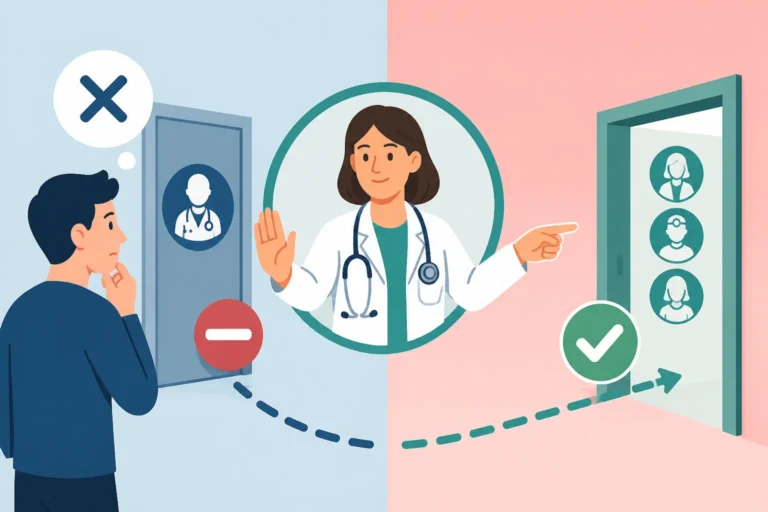
This tiering can be incredibly frustrating. You might feel that your quality of life is severely impacted, but if the clinical assessment determines that your life is not in danger, you are added to the standard waiting list. It is vital to understand that your position on this list is not just about when you joined, but about the relative severity of everyone else on that list. This is why The Role of the GP: Why You Cannot Go Directly to a Specialist is so important; your GP is the one who must advocate for your urgency level in the referral letter.
Regional Disparities and Why Your Location Matters
Denmark is divided into five healthcare regions: Region Hovedstaden (Copenhagen area), Region Sjælland, Region Syddanmark, Region Midtjylland, and Region Nordjylland. One of the most "Danish" realizations you will have is that a wait time for a hip replacement might be three months in Copenhagen but only six weeks in Viborg. These regional disparities are a result of local hospital capacities, staffing levels, and the specific demand for certain specialties.
When you receive your referral, you aren't strictly tethered to your local hospital. Many foreigners don't realize they have the right to look across regional borders to find a shorter queue. It can be worth traveling to a different municipality to see a specialist, such as an ENT doctor, sooner than is possible in your own city. This flexibility is a core part of your rights, but it requires you to be proactive in researching wait times on platforms like eSundhed.dk.
The Psychological Impact of the Danish Wait and See Approach
There is a distinct cultural philosophy in Danish medicine often described as "wait and see." Unlike in some other countries where doctors might order a battery of tests for a minor complaint, Danish doctors prefer to see if the body can resolve the issue with minimal intervention first. For an expat used to immediate diagnostic imaging or blood work, this can feel like negligence or an attempt to save money at your expense.
Validation of this frustration is necessary. It is hard to feel at home when you feel unheard by the medical establishment. However, understanding that this is the standard of care for everyone—Danes included—can help take the personal sting out of the experience. To navigate this, you must learn to communicate your symptoms clearly and emphasize how they affect your ability to work or care for your family, as "functional impairment" is a key metric used to move people up the priority list.
The Extended Right to Choose a Hospital (Udvidet Frit Sygehusvalg)
The most powerful tool in your arsenal as a resident is the "Udvidet frit sygehusvalg," or the extended right to choose a hospital. This is a legal guarantee designed to prevent the public system from becoming a stagnant bottleneck. If the public system cannot offer you an appointment within a specific timeframe, the state is essentially forced to pay for you to go elsewhere, including to certain private clinics that have agreements with the regions.
The 30-Day Diagnostic and Treatment Rule
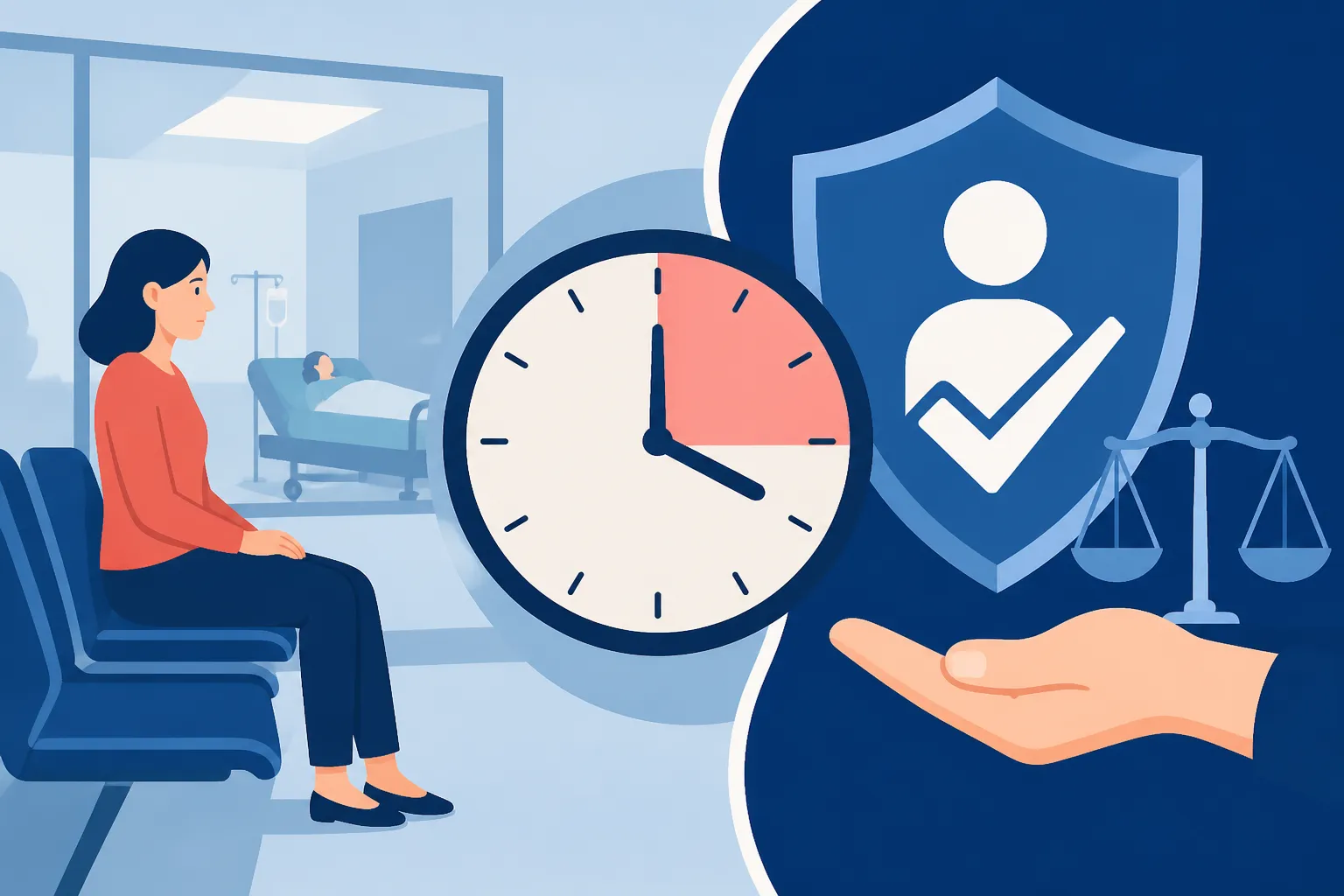
As of current regulations, the general rule is that you have a right to be diagnosed within 30 days of your GP’s referral being received by the hospital. If the hospital cannot provide a diagnostic plan or the necessary tests within those 30 days, you are entitled to use the extended right to choose. This doesn't mean the treatment must be finished in 30 days, but the "clarification" of what is wrong with you must happen within that window.
Similarly, once you are diagnosed and a treatment plan is made, a secondary 30-day clock begins for the treatment itself (such as a surgery or specialized therapy). If the public hospital says the wait is two months for the surgery, you have the right to ask to be referred to a private hospital that has a contract with the Danish regions (known as an "aftalehospital"). This is a massive "I've-been-there" tip: always ask the secretary at the hospital department, "Is the wait time longer than 30 days, and can I use the extended right to choose?"
How to Invoke Your Rights When the Deadline Passes
The system rarely volunteers this information proactively. Usually, you will receive a letter (a "visitationsmeddelelse") in your digital mailbox (e-Boks or Mit.dk) stating that you have been accepted for treatment and providing a date. If that date is further than 30 days away, you need to act. Your first step should be contacting the department listed in the letter. If they cannot move the date up, your next call is to the regional Patient Advisor (Patientvejlederen).
These advisors are neutral civil servants whose entire job is to help you navigate your rights. They can look at the database of all private and public hospitals and tell you exactly where the shortest queue is. They can also facilitate the transfer of your referral. It is a remarkably efficient system once you know which buttons to press. For those still waiting for their residency papers, Expat Health Insurance: Coverage Before You Get Your CPR Number is a vital read, as these rights only kick in once you are fully registered in the system.
Exceptions to the Guarantee: When the 30-Day Rule Doesn’t Apply
It is important to manage expectations because the 30-day rule isn't an absolute for every single medical interaction. For instance, the guarantee may be suspended or extended during national crises, major strikes, or if the specific treatment you need is so specialized that only one or two hospitals in the country perform it. Furthermore, the 30-day rule specifically applies to the time until an appointment is offered. If you turn down the first offered appointment because the date doesn't suit your personal schedule, the 30-day guarantee is considered met, and the clock resets.
There are also certain psychiatric treatments and highly specialized rehabilitations where the wait times are notoriously longer and the "extended right" is harder to invoke due to a lack of private alternatives. In these scenarios, having a secondary plan is wise. While you are navigating these public hurdles, services like SafetyWing can provide a safety net for travel-related or urgent care needs that fall outside the standard public hospital sphere, especially if you are traveling between countries.
The Essential Role of the Patient Advisor (Patientvejleder)
Many expats struggle in silence because they don't know that the "Patientvejleder" exists. When I first had to navigate a complicated surgery for a family member, I felt like I was banging my head against a bureaucratic wall. Discovering the patient advisor office was a game-changer. These offices are located in every region and are staffed by people who understand the legal framework of Healthcare in Denmark for Foreign Residents: Complete System Guide (2027) better than anyone else.
Who Are They and How Can They Help You?
The Patient Advisor is your advocate within the system. They are not doctors, but they are experts in patient rights. Their primary role is to inform you about waiting times, help you understand your options for "free hospital choice," and guide you through the process of complaining if you feel your rights have been violated. They have access to real-time data on hospital capacities that isn't always visible to the public.
If you receive a letter saying you have to wait 12 weeks for a scan, you can call the advisor and say, "I have a right to be diagnosed in 30 days. Can you find me a hospital—public or private—that can do this sooner?" They will literally do the "shopping" for you. This service is free and available to anyone with a CPR number. It's one of the best examples of the Danish welfare state working for the individual, yet it remains underutilized by the international community.
Navigating the Conversation: What to Ask Your Advisor
When you call the advisor, you need to be prepared. Have your CPR number and your referral details ready. Since most of these advisors speak excellent English, language shouldn't be a barrier, but it helps to use the specific Danish terms. Ask about "ventetider" (wait times) and "omvisitering" (re-referral).
Here are three specific questions to ask:
- "Which hospitals in Denmark currently have the shortest wait time for this specific procedure?"
- "Does my current wait time exceed the 30-day guarantee for diagnostic or treatment rights?"
- "Can you help me transfer my referral to a private 'aftalehospital' under the extended right to choose?"
Remember that Understanding CPR Registration and Your Healthcare Entitlement is the foundation for all these interactions. If you aren't yet in the system, you won't have a patient advisor assigned to you, which is where private options like Cigna Global become incredibly valuable for maintaining continuity of care.
Cancer and Heart Disease: The Fast-Track (Pakkeforløb) System
While the general wait times can be a headache, the Danish system shines when things are truly serious. The "Pakkeforløb" (Integrated Care Pathways) were introduced to ensure that no one dies on a waiting list for life-threatening conditions. If a GP suspects cancer, they don't just "refer" you; they "package" you.
How the Package System Overrides Standard Wait Times
Once you are in a Pakkeforløb, the standard 30-day rules are replaced by even stricter timelines. For example, if a certain type of cancer is suspected, the initial specialist consultation must often happen within 48 to 72 hours. Scans, biopsies, and the start of treatment are all scheduled in a pre-determined sequence with almost no gaps. This is why the Danish system is often ranked so highly for acute care despite the complaints about elective wait times.
This plays out in practice; the speed at which the system moves for a suspected malignancy is breathtaking. It is a total "all hands on deck" approach. The hospital will often call you directly rather than sending a letter, and they will expect you to show up at the appointed time without exception. In this lane, you are no longer just a number on a list; you are a high-priority patient with a dedicated coordinator.
What to Expect During an Urgent Referral
During an urgent referral, you might be sent to a hospital far from your home because that is where the specialized equipment is available immediately. The system prioritizes speed over local convenience. You will likely find that How to View Your Medical Records and Lab Results on Sundhed.dk becomes your most visited website, as results are uploaded there almost instantly.
It is also during these times that you realize why The Role of the GP: Why You Cannot Go Directly to a Specialist is so strictly enforced. By keeping the specialist queues clear of minor issues, the system ensures that the Pakkeforløb patients have immediate access to the surgeons and oncologists they need. It’s a trade-off: you wait longer for your bunion surgery so that your neighbor doesn't have to wait for their chemotherapy.
Private Alternatives and the Role of Supplemental Insurance
Sometimes, the public system's "clinical necessity" doesn't align with your personal needs. Perhaps you have a professional deadline and need that surgery now, or maybe you simply prefer a specific doctor. This is where private healthcare in Denmark comes into play. It is a growing sector that operates alongside the public system.
When to Step Outside the Public System
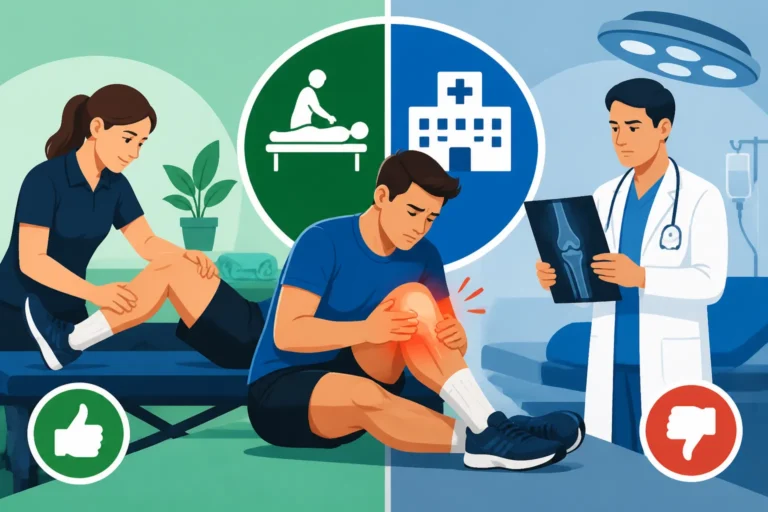
You might choose to go private if the public wait is within the 30-day legal limit but still too long for your liking. Or perhaps you want to see a specialist that the public system doesn't deem "necessary" yet, such as certain types of physiotherapy or advanced dermatological treatments. If you go private entirely on your own, you pay out of pocket, and it can be expensive.
However, many expats have private insurance through their employers. It is very common for Danish companies to provide "Sundhedsforsikring" as a perk. This insurance usually covers the cost of private hospitals, allowing you to bypass the public queue entirely. If you are a freelancer or your company doesn't provide this, you can buy it yourself. Newcomers are often advised to check if their Private Health Insurance (Sygeforsikring "danmark"): Is It Worth It? level covers private specialist visits, as this is the most common form of supplemental insurance for Danes.
Comparing SafetyWing and Cigna Global for Expats
For the international community, the choice often comes down to how much "global" coverage you need. Cigna Global is a fantastic option for those who want a premium, comprehensive "Hero" solution. It allows you to access private specialists in Denmark and abroad without the stress of the 30-day public rule. If you have a pre-existing condition or simply want the peace of mind that you can fly back to your home country for treatment, Cigna Global is the standard-bearer.
On the flip side, SafetyWing is often the go-to for younger expats, digital nomads, or those in the "waiting period" for their CPR number. It’s affordable and covers emergency situations effectively. While the public system is excellent for major issues, having private coverage through Cigna Global ensures that the "minor" issues don't linger for months, affecting your work-life balance. I’ve found that many expats use a hybrid approach: they use the public system for big things and Cigna Global for the things they want done "yesterday."
| Feature | Public System (Yellow Card) | Private (e.g., Cigna Global) |
|---|---|---|
| Cost | Free (tax-funded) | Monthly premium |
| Wait Times | 30-day diagnostic guarantee | Usually 1-7 days |
| GP Referral | Mandatory for specialists | Often not required |
| Choice of Doctor | Limited to assigned hospital | High degree of choice |
| Room Quality | Shared or private (clinical) | Private (hotel-style) |
Practical Strategies for Reducing Your Wait Time
Being a "good patient" in Denmark doesn't mean being a quiet patient. While the culture values modesty, the healthcare system responds to those who are informed and proactive. If you simply sit and wait for the letter, you are at the mercy of the default settings. If you use the following strategies, you can often shave weeks or months off your wait.
Using Digital Tools to Compare Hospital Performance
The Danish government is surprisingly transparent about wait times. You can visit mitsygehusvalg.dk to see a live comparison of waiting times for specific procedures across every hospital in the country. Before you even see your GP, you can check which hospital has the shortest queue for, say, an MRI or a gallbladder surgery.
When you sit down with your doctor, you can say, "I see that Hospital X has a 4-week wait while the local hospital has 12 weeks. Can you please send my referral directly to Hospital X?" GPs are usually happy to do this because it lightens the load on the local system. By using these digital tools, you are taking the burden of choice into your own hands. This is why How to Choose and Change Your General Practitioner (GP) in Denmark is a skill you need to master early on; you want a GP who is willing to work with you on these logistics.
The Call-Back Strategy and Flexible Scheduling
Once your referral is at a hospital, call the department secretary. Be extremely polite—they are the gatekeepers of the calendar. Tell them that you are available on short notice if there are any cancellations (afbud). Many people cancel their appointments at the last minute, and if the secretary knows you can be there in an hour, you might jump the queue by weeks.
This requires flexibility, but it’s how I managed to get a specialist appointment in three days instead of three months. It also helps to ensure your contact information is correct in the system. You can check this by How to View Your Medical Records and Lab Results on Sundhed.dk. If the hospital has an old phone number or the wrong email, you might miss a "fast-track" opportunity. Finally, don't be afraid to ask, "Can I See a Dermatologist in Denmark Without a Referral?" The answer is usually no in the public system, but knowing these boundaries helps you decide when it's time to just pay for a private consultation to save your sanity.
Disclaimer
The information provided in this guide is for educational and informational purposes only and does not constitute legal or professional medical advice. Healthcare regulations, waiting time guarantees, and insurance policies in Denmark are subject to change. While we strive to provide the most up-to-date information for 2026, always consult official government sources such as Borger.dk, Sundhed.dk, or a legal professional regarding your specific situation. The mention of private insurance brands does not constitute an endorsement over the public health system's requirements.