Can I See a Dermatologist in Denmark Without a Referral?
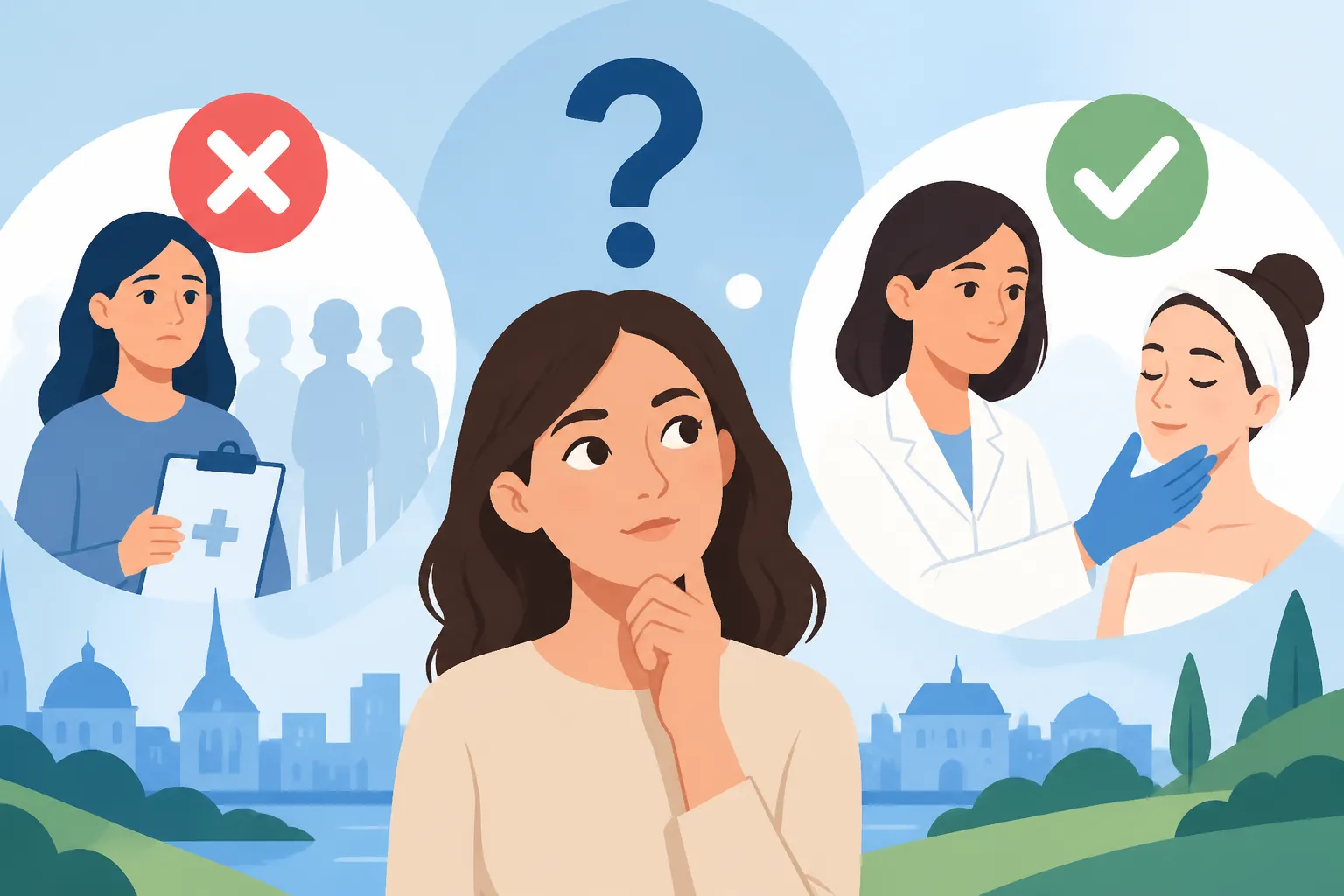
One of the most jarring realizations for new arrivals in Denmark is that you cannot simply call up a specialist and book an appointment because you have a skin concern. I remember the panic of developing a persistent cystic breakout shortly after moving to Aarhus and being told by my Danish colleagues that I couldn't just "see a dermatologist." This guide breaks down exactly how the referral system works, when you can bypass it, and how to handle the administrative hurdles of Danish skin care.
The Gatekeeper System and Your General Practitioner
In Denmark, the healthcare system is built on a "gatekeeper" model. This means your General Practitioner (GP), or praktiserende læge, is the primary point of entry for almost all medical issues. Unless you are in a life-threatening emergency, the GP is the person who decides whether your condition warrants a specialist's attention. This can be incredibly frustrating when you’ve had the same skin condition for years and just want your usual prescription, but the system is designed to ensure specialists only see cases that a generalist cannot handle.
When you first receive The Yellow Health Card (Sundhedskort): Your Key to Danish Healthcare, you are assigned a GP. This doctor is your first stop for anything from a weird mole to chronic eczema. For most residents, the consultation with the GP is free, but it is the GP who must issue a henvisning (referral). Without this digital referral, a public dermatologist will not see you under the state-funded system.
I’ve sat in those waiting rooms many times, feeling like I had to "prove" my skin issue was serious enough for a specialist. The reality is that Danish GPs are highly trained to handle common dermatological issues like mild acne, basic fungal infections, or standard rashes. They will often suggest a first-line treatment themselves before even considering a referral. If you want to see a specialist, you need to be very clear about how your condition is impacting your quality of life or why previous treatments haven't worked.
Group 1 vs Group 2 Health Insurance Status
What many expats don't realize is that your "Group" status determines your freedom to see a specialist. When you register for your CPR number, you are by default placed in "Group 1." This is the standard for 99% of people living in Denmark. However, there is a "Group 2" option that changes the rules entirely, including how you access dermatologists.
In Group 1, you have a specific GP and must have a referral for everything except the eye doctor and the ENT (Ear, Nose, and Throat) specialist. In Group 2, you do not have a specific GP; you can visit any doctor you like, and you do not need a referral to see a dermatologist. The catch? You have to pay a portion of the cost for every single medical visit, including the GP and the specialist. The state only covers a subsidized amount, and you pay the "gap."
| Feature | Group 1 (Standard) | Group 2 (Choice) |
|---|---|---|
| Referral Needed? | Yes, for Dermatology | No, you can go directly |
| Cost of GP Visit | Free | Partial Payment Required |
| Choice of GP | Fixed (Locked to one) | Any GP in Denmark |
| Dermatology Cost | Free (with referral) | Partial Payment Required |
| Ease of Access | Slower (Wait for referral) | Faster (Direct booking) |
Switching groups is possible via Borger.dk, but it costs a fee (around 225 DKK) and there is a waiting period. For most, staying in Group 1 is the most economical choice, but it requires patience. If you are still waiting for your registration to process, you might need to look into Expat Health Insurance: Coverage Before You Get Your CPR Number to bridge the gap, as the public system won't cover you until your yellow card is active.
How to Get a Referral for a Dermatologist
If you are in Group 1, the process begins with an appointment with your GP. You should use the "Min Læge" app to book this. During the consultation, explain your symptoms clearly. If the GP agrees that you need a specialist, they will create an electronic referral in the national system. You won't get a physical piece of paper; the referral is tied to your CPR number and sits in a "cloud" accessible by all specialists in Denmark.
Once the referral is issued, you are responsible for finding a dermatologist and booking the appointment yourself. You can use the website Sundhed.dk to find a list of local specialists. It is highly recommended to check Sundhed.dk and MitID: Navigating Denmark’s Digital Health Portals to understand how to view your own referrals and find practitioners with the shortest waiting times.
Be warned: the wait times for public dermatologists in major cities like Copenhagen or Aarhus can be staggering—sometimes six months or more for non-urgent issues. When you call a clinic, they will ask for your CPR number to "pull" the referral from the system. If you haven't seen your GP yet, they simply cannot book you in under the public scheme. This is why The Role of the GP: Why You Cannot Go Directly to a Specialist is such a fundamental concept to grasp early on in your Danish life.
Seeing a Private Dermatologist Without a Referral
If you are in pain, or if the six-month wait for a public specialist is simply unacceptable, you can opt for a private dermatologist. In this scenario, you do not need a referral from your GP. You are acting as a "private-pay" patient. You simply find a private hospital or clinic (like Aleris-Hamlet or Mølholm) and book an appointment directly.
The benefit here is speed. You can often get an appointment within a week. The downside is the cost. A first-time consultation with a private dermatologist in Denmark typically starts at around 1,500 DKK to 2,500 DKK, not including any biopsies, treatments, or prescriptions. If you have international coverage through a provider like Cigna Global, these costs may be fully or partially reimbursed depending on your plan. Cigna Global is particularly popular among long-term expats who want to bypass the public system's queues for specialized care.
For digital nomads or those who have just arrived and are still Understanding CPR Registration and Your Healthcare Entitlement, a private visit might be the only immediate option. If you are using SafetyWing for your initial relocation period, it’s worth checking if your skin condition is an acute issue covered under their policy. While SafetyWing is primarily designed for travel and unexpected medical emergencies, it provides a crucial safety net before you are fully integrated into the Danish system and have your yellow card in hand.
Insurance Options and Supplemental Coverage
Many Danes and expats choose to supplement the public system with private insurance to avoid the dermatology wait times. The most common local option is "Sygeforsikring 'danmark'", a member-owned insurance group. If you are a member of 'danmark', they provide a subsidy for many healthcare costs. However, even with 'danmark', if you want the public system to pay the bulk of the specialist fee, you still need that referral.
If you are employed by a large Danish company, you likely have "Sundhedsforsikring" (Private Health Insurance) as a benefit. Brands like PFA, Danica, or Velliv often provide coverage that allows you to see a private dermatologist within days. In this case, you usually call the insurance company first, they authorize the treatment, and they tell you which private clinic to go to. This is the "fast track" that many people in Denmark use to avoid the public system’s backlog.
For those who are self-employed or working for companies without these benefits, maintaining a private policy with Cigna Global can be a lifesaver. It ensures that when you see a suspicious mole or have an acne flare-up that is damaging your confidence, you can act immediately rather than waiting for a GP to decide if you are "worthy" of a referral. It's also worth noting that SafetyWing can be a great temporary solution for those who are transitioning between countries and haven't yet secured a permanent Danish insurance solution.
Prescriptions and Pharmacy Rules for Skin Care
Once you finally see a dermatologist—whether public or private—the way you get your medication is also quite specific. In Denmark, most "active" skin treatments (like high-concentration Retinoids, Accutane, or strong steroid creams) are prescription-only. You cannot buy them over the counter.
The specialist will send an electronic prescription to the national server. You can then go to any Apotek (pharmacy) in the country, scan your yellow health card, and they will see your prescription. If you are looking for advice on how to manage this digitally, I suggest reading about Using the Medicinkortet App: Managing Your Prescriptions Digitally. This app shows you exactly how many refills you have left and what the specialist has prescribed.
If you are seeing a private dermatologist and paying out of pocket, you still get the same access to the prescription server. However, the cost of the medication itself is subsidized by the state based on how much you spend on prescriptions annually. It’s a sliding scale: the more you spend, the more the state covers. This is another area where having supplemental insurance can help, as some policies will reimburse the "co-pay" portion of your medication costs.
What to Do in Urgent Situations
If you have an acute dermatological emergency—such as a severe allergic reaction, a rapidly spreading infection (cellulitis), or a painful, blistering rash—you shouldn't wait for a GP referral. In these cases, you should follow the standard emergency procedures. During the day, call your GP and insist on an "acute" appointment. After hours (after 4:00 PM or on weekends), you should call the out-of-hours medical service.
In the Capital Region, this is reached by calling 1813. You can find more details on this in our guide to Emergency vs. Out-of-Hours Care: When to Call Lægevagten (1813). They have nurses and doctors who can evaluate if you need to see a doctor immediately. While they aren't dermatologists, they can provide emergency treatment for skin conditions that cannot wait.
For anything else that is "urgent" but not an "emergency" (like a mole that has changed shape), your GP is still the primary path. When you call for the appointment, be very specific. Use words like "growing," "bleeding," or "irregular borders" if you are concerned about skin cancer. Danish GPs take these keywords very seriously and are much more likely to issue a "pakkerforløb" (fast-track cancer pathway) referral which bypasses the standard waiting list. Knowing Finding Medical Care in Denmark: GPs, Specialists, and Referrals and how to navigate these conversations can save you weeks of anxiety.
Summary of Your Options for Dermatology
Navigating the Danish system requires a shift in mindset. You are moving from a "consumer" model of healthcare to a "triage" model. To help you decide your next move, consider the following paths:
- The Patient Path (Free): See your GP, get a referral, find a specialist on Sundhed.dk, and wait the 3-6 months. This is best for non-critical, chronic issues.
- The Choice Path (Group 2): Pay to switch to Group 2 status, then book any specialist directly while paying a co-pay for all visits.
- The Private Path (Fast): Book a private clinic like Aleris-Hamlet and pay the full 1,500+ DKK consultation fee. Use Cigna Global or your employer’s insurance to cover this.
- The Transition Path (Expat): If you are newly arrived, use SafetyWing for emergencies while you wait for your CPR number and yellow card to be issued.
Regardless of the path you choose, make sure you always have your The Yellow Health Card (Sundhedskort): Your Key to Danish Healthcare with you. Even at a private clinic, they often use it to register your visit and sync your records with the national health system. Denmark's healthcare is excellent once you are in the system, but the "gatekeeper" at the front door is someone you need to learn to work with, not against.
Disclaimer
This article is for informational purposes only and does not constitute professional medical or legal advice. Healthcare regulations and insurance policies in Denmark can change; always consult with the Danish Health Authority (Sundhedsstyrelsen), your local GP, or your insurance provider for the most up-to-date information regarding your specific situation.