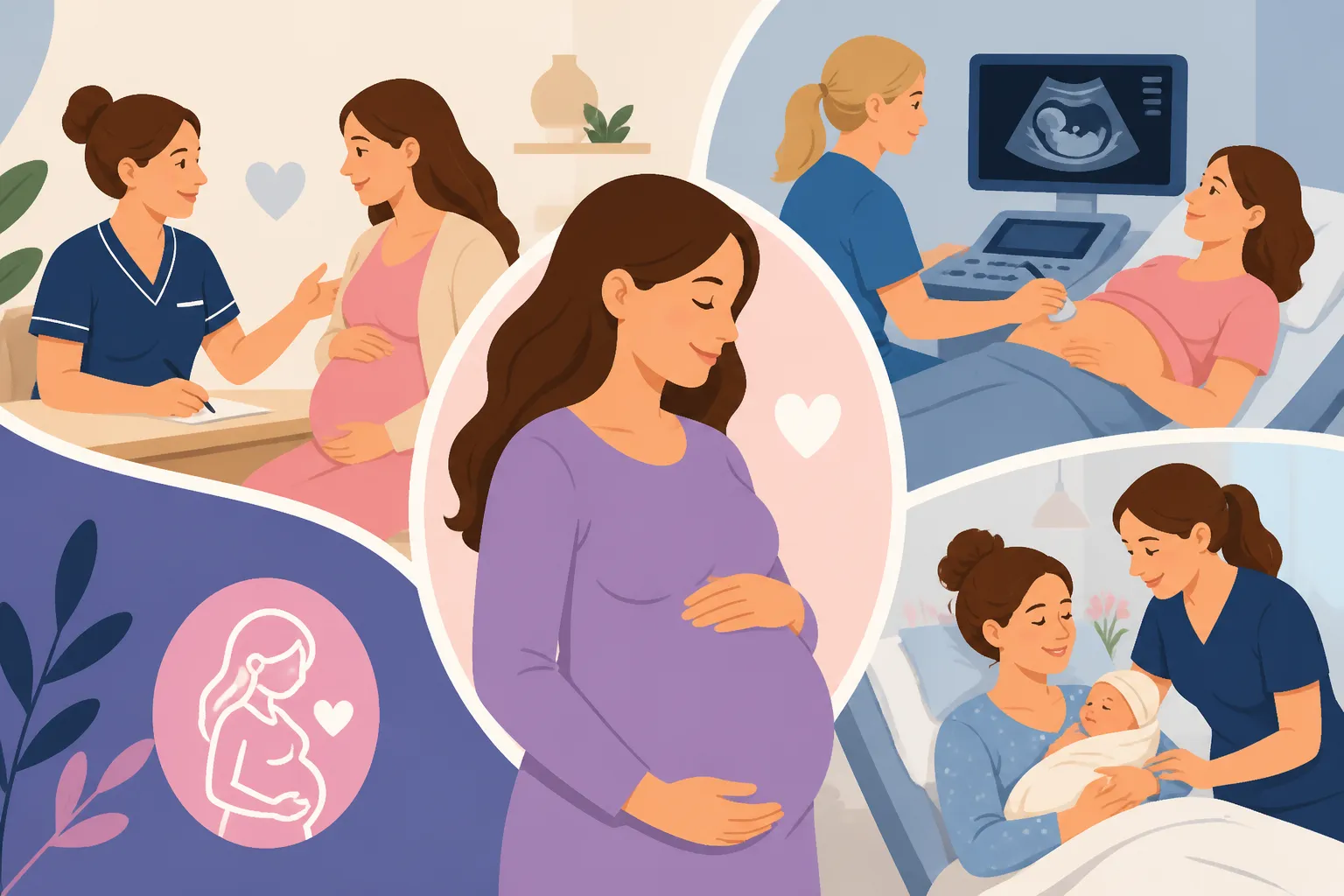
Pregnancy in Denmark: Midwife Consultations, Scans, and Hospital Births
Finding out you are pregnant while living as a foreigner in Denmark can feel like being tossed into a beautiful, yet entirely confusing, sea of bureaucracy and socialized medicine. I remember standing in my tiny Copenhagen kitchen, staring at a positive test, and realizing I had no idea how to even book an appointment without a private clinic. This guide will walk you through every step of the Danish maternity journey, from your first GP visit to the health visitor arriving at your door.
The Foundation of Maternity Care in Denmark
The Danish approach to pregnancy is built on a philosophy of "natural is best," combined with a highly structured public health system. Once you are registered with a CPR number and have your yellow card, almost everything related to your pregnancy is free of charge. However, the system assumes a high degree of autonomy from the parents-to-be. You won't find the aggressive medicalization often seen in the US or some parts of Southern Europe; instead, the focus is on a healthy, low-intervention progression managed primarily by midwives rather than obstetricians.
Navigating the Public System as a Foreigner
To access care, the first thing you must understand is that everything flows through your General Practitioner (GP). You cannot simply call a hospital or a midwife center to announce your pregnancy. The system is designed as a hierarchy where your GP acts as the gatekeeper. If you are still waiting for your residence permit or CPR, you might feel vulnerable, which is why many expats look into Expat Health Insurance: Coverage Before You Get Your CPR Number to ensure they have a safety net during those initial weeks.
Living through this, I found that the most surprising aspect was the lack of "doctors" involved in a healthy pregnancy. If you have no complications, you might only see your GP three times and never see an OB-GYN during the entire nine months. The midwives (jordemødre) are the true stars here. They handle the consultations, the labor, and the immediate postpartum care. This can be a significant cultural shift for those used to private gynecologists, and it’s one of the first hurdles to validate: yes, it is normal not to see a specialist unless something is wrong.
The Role of Private Insurance and Supplemental Care
While the public system is excellent, some expats prefer the continuity of care that private options provide. This is where brands like Cigna Global become highly relevant. A private policy can sometimes grant you access to private scans or even birth clinics that offer a more "concierge" experience. For those who are in Denmark on shorter assignments or who haven't yet integrated into the Healthcare in Denmark for Foreign Residents: Complete System Guide (2027), having a robust international plan ensures you aren't stuck paying out-of-pocket for private consultations which can easily cost 1,500 DKK per visit.
Private care in Denmark usually functions as a supplement rather than a replacement. Even with private insurance, most women still choose to give birth in public hospitals like Rigshospitalet or Hvidovre because the neonatal intensive care units (NICU) in the public sector are world-class. If you are considering a private route, check if your policy through Cigna Global covers prenatal "extras" like additional 3D/4D scans or private physiotherapy for pelvic floor issues, which are often limited in the public sector.
Starting the Journey with Your GP
The very first step is booking an "unundersøgelse" (examination) with your doctor around week 8 or 10. During this first visit, your GP will create your "Vandrejournal." This is a physical, foldable piece of cardboard that contains all your medical data, blood pressure readings, and notes from both the doctor and the midwife. You are expected to carry this paper with you to every single appointment and eventually to the hospital when you go into labor. It feels remarkably analog for such a digital country, but it is your golden ticket through the system.
During this initial visit, you will also discuss your choice of hospital. In the Greater Copenhagen area, you usually have a few choices, such as Herlev, Hvidovre, or Rigshospitalet. Each has its own reputation—Rigshospitalet is known for high-risk cases and specialized care, while Hvidovre is often praised for its maternity hotel and birth facilities. Your GP will send your digital referral to the hospital of your choice, and from that point on, the hospital’s maternity ward and their associated midwife center will be your primary contacts. If you are unhappy with your current doctor's approach, you should look into How to Choose and Change Your General Practitioner (GP) in Denmark before you get too far into your second trimester.
The Antenatal Care Timeline Scans and Screenings
In Denmark, the standard prenatal care package is remarkably consistent across the country. The system provides two major scans and a series of blood tests. While this might seem minimal to some, the Danish health authorities (Sundhedsstyrelsen) follow evidence-based guidelines that prioritize the well-being of the mother and child without unnecessary over-testing.
The First Trimester Scan Nakkefoldsscanning
Between weeks 11 and 14, you will be invited for your first ultrasound, known as the Nakkefoldsscanning (nuchal translucency scan). This scan measures the fluid-filled space at the back of the baby's neck and is combined with a blood test (the "double test") taken a week or two prior. Together, these provide a risk assessment for chromosomal conditions like Down Syndrome. It is important to know that this is entirely voluntary. The midwife or sonographer will ask you multiple times if you actually want to know the risk results.
If the results show a "high risk" (usually defined as greater than 1 in 300), the system moves incredibly fast. You will be offered further diagnostic testing, such as a CVS (chorionic villus sampling) or an NIPT (Non-Invasive Prenatal Test). This is a moment where the "I've-been-there" reality hits hard; the wait for these results can be agonizing. For a deeper dive into these specific milestones, I highly recommend reading the Maternity Care Timeline: Scans (Nakkefold and Misdannelse) Explained to understand the nuances of Danish screening ethics.
The Second Trimester Scan Misdannelsesscanning
The second major milestone is the anatomy scan, or Misdannelsesscanning, which occurs around week 18 to 20. This is a much longer appointment where the sonographer checks the development of the baby’s heart, brain, spine, and limbs. In Denmark, the sonographer’s primary goal is medical screening. While they can usually tell you the sex of the baby if you ask, they will often remind you that "this is a medical examination, not a photo shoot."
One thing to prepare for is that Danish hospitals generally only allow one partner or companion in the scan room. They are quite strict about not bringing children or large groups of family members. If you want a more "social" experience or extra time to see the baby's face in 3D, you will need to book a private clinic. For expats who are still navigating their The Yellow Health Card (Sundhedskort): Your Key to Danish Healthcare, these private scans are a common out-of-pocket expense, though some premium international plans might offer reimbursements.
Routine Blood Tests and Midwife Visits
Beyond the scans, you will have several appointments at your local "Jordemodercenter" (Midwife Center). These centers are often located away from the main hospital, in the heart of the community. In the second and third trimesters, these visits become the backbone of your care. The midwife will check your urine for protein (preeclampsia screening), measure your "Symfyse-fundus" (the growth of your bump), and listen to the baby's heartbeat using a Doppler.
If you have Rh-negative blood, Denmark has a very specific protocol. Around week 25, you will have a blood test to determine the baby's blood type. If the baby is Rh-positive, you will be given an anti-D injection around week 28 and again after birth. This is all handled seamlessly through the public system, but it requires you to be proactive about showing up to your scheduled appointments. If you are struggling to understand how these referrals work, The Role of the GP: Why You Cannot Go Directly to a Specialist explains why your midwife and GP must stay in constant communication via your digital records.
| Appointment Type | Typical Week | Primary Provider | Purpose |
|---|---|---|---|
| First GP Visit | Week 8-10 | GP | Medical history, Vandrejournal, hospital choice |
| Nakkefold Scan | Week 11-14 | Hospital Sonographer | Chromosomal risk assessment |
| First Midwife Visit | Week 13-15 | Midwife | General health, lifestyle, and mental well-being |
| Anatomy Scan | Week 18-20 | Hospital Sonographer | Detailed check of organs and growth |
| Second GP Visit | Week 25 | GP | Blood sugar, iron levels, and general check-up |
| Third Midwife Visit | Week 29 | Midwife | Fetal positioning and birth preparation |
| Fourth Midwife Visit | Week 35-36 | Midwife | Birth plan discussion and pain relief options |
The Midwife Consultations and Birth Preparation
The Danish midwife system is designed to empower women. Unlike the hierarchical structure in many other countries, the midwife (jordemoder) is viewed as an expert in "normal" birth. They are trained to spot complications and refer you to an obstetrician only when necessary. This means your consultations are often long, conversational, and focused on your mental health as much as your physical health.
Building a Relationship with Your Midwife
In most Danish municipalities, you will be assigned to a team of midwives. While the system tries to ensure you see the same person each time, it isn't guaranteed. However, the notes in your Vandrejournal and the digital system ensure that whoever you see is up to speed. This is a good time to ask about "Fødselsforberedelse" (birth preparation classes). Many hospitals offer these for free in Danish, but English-language classes can be harder to find.
If you are living in a major city, you can often find expat-led groups or private classes. It’s also worth checking if your insurance, perhaps through SafetyWing, provides any coverage for wellness or prenatal support if you are still in a transition period between visas. Being an expat means you might lack the "village" of family support, so these midwife visits are crucial for asking the "silly" questions about how the Danish system handles things like home births (which are increasingly popular and fully supported by the public system).
Language Barriers and Communication
Almost all midwives in Denmark speak excellent English. However, the medical terminology can sometimes be tricky. If you don't feel comfortable, you have a legal right to a translator in the Danish healthcare system, though this is usually reserved for those with very limited English/Danish skills. Most expats find that the Finding Medical Care in Denmark: GPs, Specialists, and Referrals process is smooth because of the high level of English proficiency among medical staff.
Don't be afraid to be direct. Danes appreciate directness. If you want a specific type of birth—say, a water birth or an epidural—discuss this early. The Danish system doesn't usually do "birth plans" in the elaborate way some other cultures do, but they do take your "Ønsker til fødslen" (wishes for the birth) seriously. Your midwife will write these into your electronic file so the team at the hospital knows your preferences when you arrive in active labor.
Mental Health and Support Systems
Denmark places a strong emphasis on preventing postpartum depression. During your consultations, the midwife will likely ask about your social network. As an expat, this is the time to be honest. If you are feeling isolated, they can sometimes refer you to "Mødregrupper" (mother groups) specifically for foreigners or provide extra check-ins. This holistic view of Family Health in Denmark: Pregnancy, Maternity, and Pediatric Care is one of the system's greatest strengths.
For those who need more specialized support, such as psychologists who speak English, your GP can provide a referral, though there is often a co-pay unless it is related to a severe diagnosis. Some international insurance plans from Cigna Global offer better access to private mental health professionals without the long wait times often found in the public sector. Navigating the emotional rollercoaster of pregnancy away from home is hard; don't feel like you have to do it alone just because "the Danes are stoic."
Hospital Births and Pain Relief Options
When the big day finally arrives, the experience of Giving Birth in Denmark: Pain Relief Options and Postpartum Care is generally very positive, though it can feel different from what you might expect. Most births happen in the hospital labor wards (fødegangen), which are staffed by midwives. Obstetricians are usually only present if there is a need for an instrumental delivery (vacuum/forceps) or a C-section.
Choosing Your Hospital and The Labor Ward
When you go into labor, you don't just show up at the hospital. You must call the labor ward (Fødemodtagelsen) first. A midwife will talk you through your contractions and advise you when to come in. This "gatekeeping" ensures that the hospital isn't crowded with people in early labor who would be more comfortable at home. It can be frustrating to be told to "take a Panodil and a warm bath" when you feel like the baby is coming, but this is the Danish way.
Once admitted, you will usually have a private birthing room. Many Danish hospitals are equipped with large birthing tubs, as water is a very common form of pain relief here. The rooms are designed to be "hyggelig"—dim lights, bean bags, and a focus on movement. If you find yourself in an emergency situation after hours, you might need to know how the system shifts, which is detailed in Emergency vs. Out-of-Hours Care: When to Call Lægevagten (1813).
Pain Management Strategies
Denmark offers a wide range of pain relief, but they often encourage a "ladder" approach. They might start with sterile water injections (which sting like bee bites but can help with back labor), move to "Lattergas" (gas and air/nitrous oxide), and then finally an epidural.
- Lattergas: Extremely common in Denmark. It doesn't take the pain away completely, but it helps you breathe through the contractions and feel more relaxed.
- Epidural: Available 24/7 in all major hospitals. Unlike some countries where you might feel "judged" for wanting an epidural, Danish midwives are generally very supportive of whatever helps you get through the birth. However, you must wait for an anesthesiologist to become available, which can take 20-40 minutes depending on how busy the hospital is.
- Acupuncture and TENS: Many midwives are trained in acupuncture and will offer it as a natural way to stimulate labor or manage pain.
The C-Section and Instrumental Delivery
If the birth doesn't go as planned, the transition to medical intervention is swift. Denmark has a lower C-section rate than the US but is on par with the rest of Northern Europe. If you have a planned C-section (kejsersnit), it will be scheduled about 7-10 days before your due date. For emergency C-sections, the surgical teams are world-class.
One thing to note is that even in an operating room, the Danish focus remains on the bond between parent and child. They practice "skin-to-skin" immediately whenever possible. If you are worried about the costs of these interventions, remember that as long as you have your CPR, these procedures are free. For those still in the "90-day waiting period" without a CPR, having Expat Health Insurance: Coverage Before You Get Your CPR Number is vital, as an emergency C-section can cost upwards of 40,000 DKK.
Postpartum Care and the Health Visitor
Once the baby is born, the care doesn't stop, but it shifts from the hospital to the community. The Danish postpartum system is one of the most comprehensive in the world, specifically designed to support the "fourth trimester."
The Barselshotel and Hospital Stay
If you are a first-time mother (førstegangsfødende) and everything went well, you will often be moved to a "Barselshotel" (maternity hotel) or a dedicated postpartum ward. Here, you and your partner can stay for 2 or 3 days to learn the basics of breastfeeding and newborn care. Partners usually have to pay a small fee for meals (around 200-300 DKK per day), but the mother's stay is free.
In recent years, due to budget cuts, some hospitals (especially in Copenhagen) have moved toward "early discharge," where healthy mothers are sent home 4-6 hours after birth. While this sounds terrifying, it is backed up by a "home midwife" service where a midwife visits you at home the following day. This is a classic example of the Danish healthcare philosophy: hospital beds are for the sick; healthy families should be at home.
The Sundhedsplejerske (Health Visitor) System
Within the first week of arriving home, you will be contacted by your local What is the Danish Sundhedsplejerske (Health Visitor) System for Babies? service. This is a specialized nurse who will visit your home regularly for the first year. They weigh the baby, check their development, and—most importantly—check on your well-being.
The health visitor is your primary resource for everything from sleep training to starting solids. They also organize the "Mødregruppe" (mothers' group). They will pair you with 4-5 other local women who had babies at the same time. For many expats, this group becomes their primary social circle and a lifeline for surviving the dark Danish winters with a newborn. If you are using an international plan like SafetyWing, you might not need it for these visits, as they are a universal right for everyone living in the municipality with a baby.
Important Medical Screenings for the Newborn
Before you leave the hospital or during the first few days, your baby will undergo two important tests. These are the Mandatary Heel Prick Test and Hearing Screenings for Newborns. The heel prick tests for several rare genetic conditions. You won't hear back unless there is an issue, which in the Danish medical world is always considered "good news."
You will also need to register the birth. If you are married, this often happens automatically. If not, you need to file an "Omsorgs- og ansvarserklæring" (declaration of care and responsibility) via Borger.dk using your MitID. This ensures both parents have legal rights and the baby is issued a CPR number, which is necessary for them to have their own yellow health card.
Costs and Insurance Considerations for Expats
While the public system covers the essentials, being an expat in Denmark often involves navigating gaps in coverage or desiring a higher level of comfort. Understanding how to balance public rights with private insurance is key to a stress-free pregnancy.
Public Coverage vs. Private Top-ups
The "Yellow Card" covers all GP visits, midwife consultations, scans, and the birth itself. However, it does not cover things like:
- Physical therapy for pregnancy-related pelvic pain (unless you get a specific referral which still involves a co-pay).
- Private scans (3D/4D or early "reassurance" scans).
- Alternative treatments like osteopathy or specialized pregnancy massage.
This is where having Private Health Insurance (Sygeforsikring "danmark"): Is It Worth It? or an international policy from Cigna Global comes in handy. Many "danmark" members get reimbursements for things like breastfeeding consultants or physical therapy. If you are a newcomer, a plan like SafetyWing can bridge the gap during your first few months when you might not yet be eligible for the national system but still need prenatal vitamins and initial check-ups.
Dental Care and Pregnancy
One quirky thing about Denmark is that dental care is private for adults. However, pregnancy can be hard on your teeth and gums. While the public system doesn't cover your dentist bills, some private insurances do offer higher reimbursements for "pregnant" check-ups. It is worth visiting the dentist once during your pregnancy to ensure everything is fine, as gum inflammation can be linked to preterm labor.
Budgeting for the "Baby Gear"
While the medical side is free, the "gear" side in Denmark is expensive. Danes love their high-end prams (like Odder or Emmaljunga) which are designed for babies to sleep outside in all weather—a common Danish practice! Expect to pay 10,000 DKK+ for a new pram. Most expats save money by using the vibrant second-hand market on apps like Reshopper or DBA.
Disclaimer
The information provided in this guide is for informational purposes only and does not constitute medical or legal advice. Healthcare regulations and immigration laws in Denmark are subject to change. Always consult with the Danish Health Authority (Sundhedsstyrelsen), your local General Practitioner, or the Danish Immigration Service (SIRI) for the most current and personalized information regarding your specific situation. SafetyWing and Cigna Global are private entities; please review their specific policy terms for coverage details.