What is the Danish Sundhedsplejerske (Health Visitor) System for Babies?
Navigating the first few weeks of parenthood in a foreign country can feel like trying to assemble IKEA furniture in the dark without a manual. When I brought my first baby home to a quiet apartment in Aarhus, I spent the first 48 hours in a state of mild panic, wondering if I was doing anything right. This guide explains the Sundhedsplejerske system, the dedicated health visitors who ensure no family in Denmark has to navigate the fourth trimester alone.
The Role of the Sundhedsplejerske in Danish Society
The word "Sundhedsplejerske" literally translates to "health nurse," but in reality, these professionals are much more than that. They are the backbone of the Danish preventive healthcare system for children. To become a health visitor, a professional must first be a registered nurse and then complete a specialized, government-mandated postgraduate degree in child development and family dynamics.
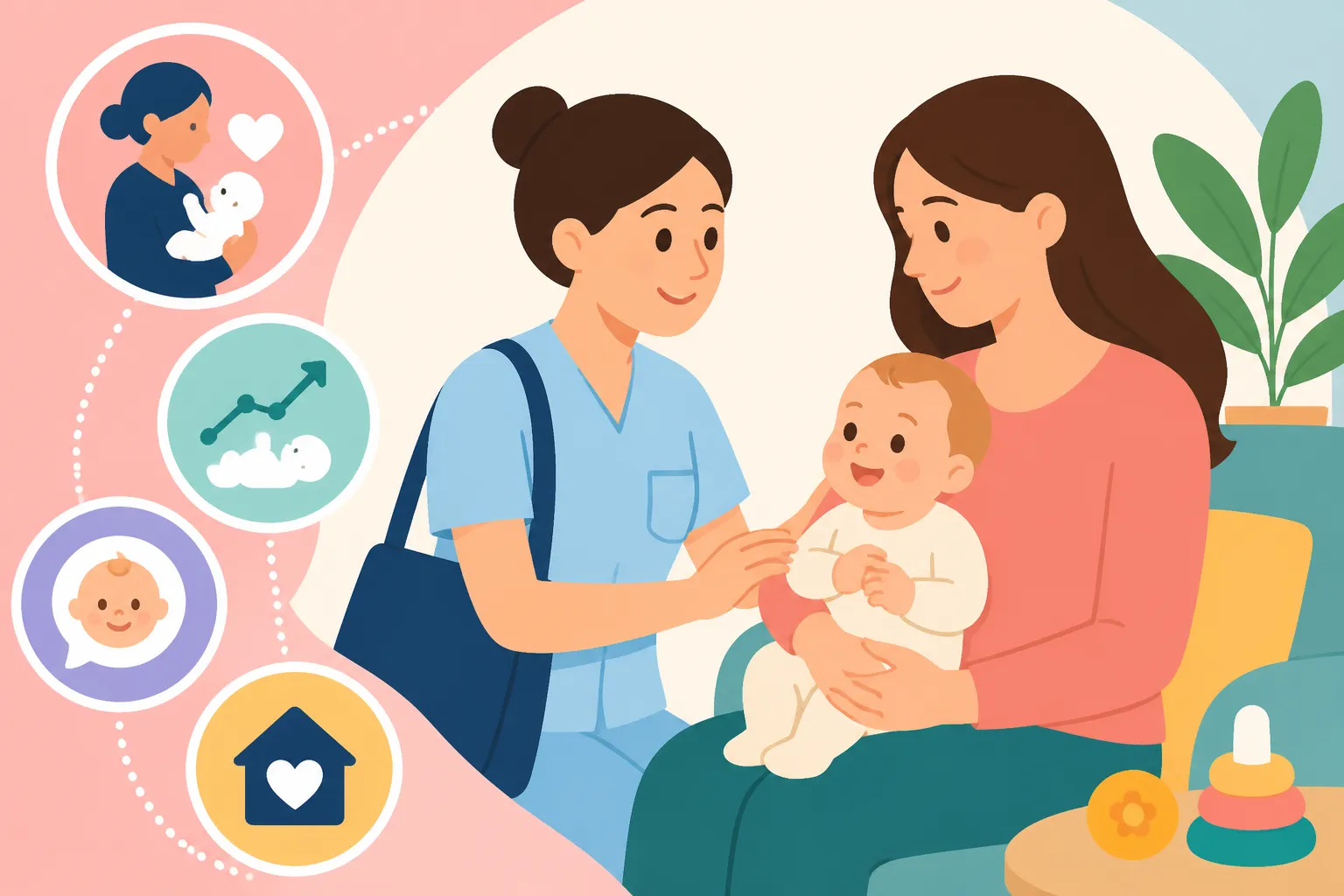
Unlike many other countries where you might have to drag a screaming newborn to a sterile clinic for a 10-minute weight check, the Danish system is built on the principle of home visits. The philosophy here is that a child’s health cannot be separated from their environment. By visiting you in your own home, the health visitor can see how the baby is sleeping, how you are coping with the physical space, and whether the domestic atmosphere is supportive of a new life.
For expats, this can initially feel a bit invasive. I remember scrubbing my floors and hiding the laundry before my first visit, worried I was being "inspected." However, I quickly learned that they aren't there to judge your housekeeping. They are there to catch the small issues—a poor latch during breastfeeding, a slight yellowish tint in the skin, or the early signs of parental exhaustion—before they become crises. This proactive approach is a cornerstone of Healthcare in Denmark for Foreign Residents: Complete System Guide (2027).
How the Initial Contact Happens
The beauty of the Danish system is that you generally don’t have to "apply" for a health visitor. The hospital where you give birth will automatically notify your local municipality (kommune) of the birth. If you are new to the country and gave birth elsewhere, or if you moved shortly after birth, you should contact your local Borgerservice to ensure you are in the system.
Within the first week of arriving home, you will typically receive a phone call or a digital message via e-Boks from your assigned Sundhedsplejerske. They will introduce themselves and schedule the "establishment visit." This usually happens around day 4 or 5 after birth. If you are still waiting for your residence permit, it is vital to have Expat Health Insurance: Coverage Before You Get Your CPR Number to ensure you have a safety net, as the public health visitor system is tied to your registration in the Civil Registration System.
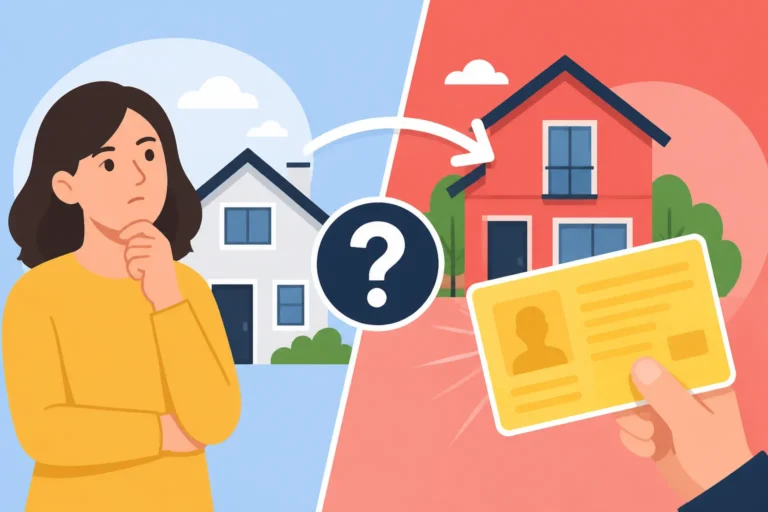
During these early days, if you find yourself in a "waiting period" for your public rights to kick in, specialized providers like SafetyWing can offer temporary peace of mind for medical emergencies. However, once you have The Yellow Health Card (Sundhedskort): Your Key to Danish Healthcare, the services of the health visitor are entirely free and covered by your taxes.
The Schedule of Visits: What to Expect in the First Year
The frequency of visits is standardized across most municipalities, though the "density" of care can increase if the health visitor feels you need extra support. There is no limit to how many times they can visit if there are concerns about the baby's weight or the parents' mental state.
The Establishment Visit (Days 4-5)
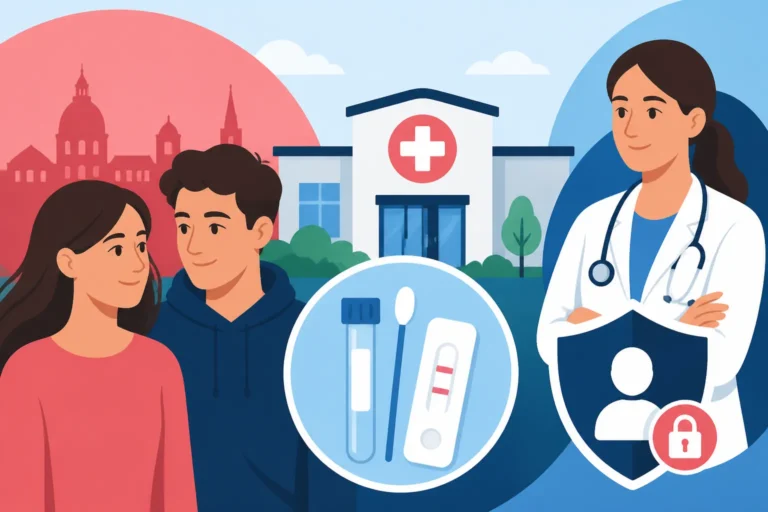
This is the most critical visit. The health visitor will check the baby’s umbilical cord, perform a physical assessment, and discuss the results of the Mandatory Heel Prick Test and Hearing Screenings for Newborns if they were done at the hospital. They will also spend a significant amount of time talking to the mother about her physical recovery. This is a great time to ask about the Maternity Care Timeline: Scans (Nakkefold and Misdannelse) Explained and any follow-up appointments required at the hospital.
The 10-14 Day Visit
By this point, the initial adrenaline has usually worn off, and reality has set in. The health visitor focuses heavily on weight gain and feeding. Whether you are breastfeeding or formula feeding, they provide evidence-based advice without the "mom-shaming" that often occurs in online forums. They will also guide you on the transition from the care you received during Pregnancy in Denmark: Midwife Consultations, Scans, and Hospital Births to long-term pediatric care.
The 2-Month and 4-Month Checkups
These visits focus on motor skills and social development. The nurse will look at the baby's ability to hold their head up and their "social smile." They will also discuss the upcoming vaccination schedule. For expats who may be used to different medical standards, these visits are an opportunity to reconcile Danish practices with their home country's expectations. If you carry supplemental private insurance, such as Cigna Global, you might choose to use it for private pediatric consultations, but the public health visitor remains your primary link to Danish social services.
| Visit Timing | Primary Focus | Key Milestone/Discussion |
|---|---|---|
| Days 4-5 | Physical health & cord care | Jaundice check, feeding start |
| 2 Weeks | Weight gain & feeding | Recovery from birth, rhythm |
| 2 Months | Social development | First vaccinations, "tummy time" |
| 4-6 Months | Introduction to solids | Sleeping patterns, motor skills |
| 8-10 Months | Mobility & transition | Preparing for nursery (vuggestue) |
Maternal Mental Health and the "Edinburgh Scale"
One of the most impressive aspects of the Danish health visitor system is the explicit focus on postpartum depression (PPD). Around the 2nd or 3rd month, the health visitor will ask the mother to fill out a questionnaire known as the Edinburgh Postnatal Depression Scale.
In many cultures, admitting that you are struggling as a new parent is taboo. In Denmark, it is treated as a clinical possibility that needs to be screened for. If you score above a certain threshold, the health visitor doesn't just "refer" you and leave; they act as a bridge to your General Practitioner (GP) and can arrange for more frequent home visits or specialized "vulnerable family" groups.
For many expats, the isolation of being away from family can trigger significant distress. Having a professional walk into your living room and ask, "How are you doing, really?" can be a life-saving moment. This level of integrated care is why Family Health in Denmark: Pregnancy, Maternity, and Pediatric Care is often ranked so highly by international residents.
The Magic of the Mødregruppe (Mothers' Group)
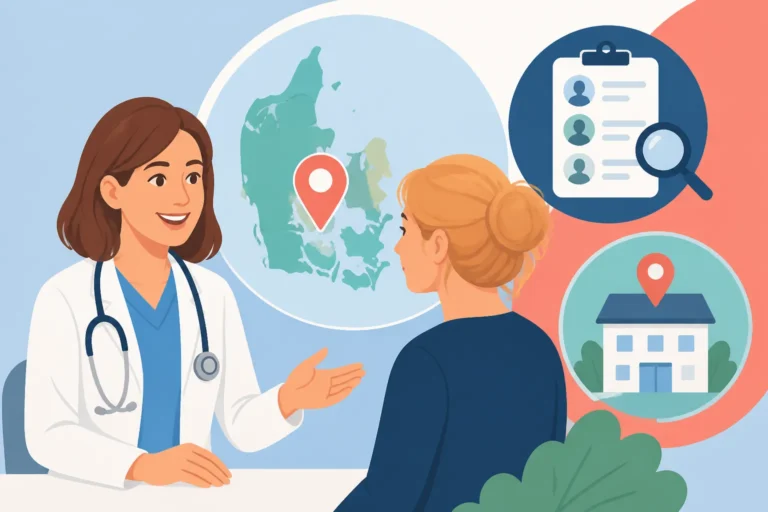
Perhaps the most culturally unique part of the health visitor's job is the formation of the "Mødregruppe." The Sundhedsplejerske looks at the map and her files to find 5-7 women who have given birth around the same time and live in the same neighborhood. She then facilitates the first meeting, usually held at one of the mothers' homes or a local community center.
As an expat, this is your golden ticket to integration. While it might feel awkward to sit in a circle of strangers and discuss diaper changes, these groups often become the primary social circle for new parents. There are mødregrupper that started in 2015 still meeting for dinner today. The health visitor intentionally tries to mix Danes and internationals, though in larger cities like Copenhagen or Aarhus, you can specifically request to be placed in an English-speaking group.
You can find more details on how to maximize this experience in our guide on Finding Maternity Groups (Mødregruppe) Organized by Health Visitors. If you are covered by a private plan like Cigna Global, you might have access to additional wellness resources, but nothing replaces the local, neighborhood-based support of a Danish mothers' group.
Navigating Cultural Differences in Parenting
One of the biggest hurdles for expats is the "Danish way" of parenting, which the health visitor will gently but firmly advocate for. This includes the famous practice of letting babies sleep outside in their strollers even in freezing temperatures (frisk luft).
The health visitor will explain the safety protocols—how many layers of wool the baby needs, the use of a baby monitor, and why this is considered beneficial for the baby’s immune system and sleep quality. If you come from a culture where leaving a baby outside is unthinkable, this can be a point of friction. My advice is to listen to their reasoning. They aren't trying to change your culture; they are sharing what has been proven to work in the specific Danish climate.
They will also provide guidance on the "flat hierarchy" of Danish families and the importance of "ego-time" for parents. If you find yourself overwhelmed, don't be afraid to use the services of providers like SafetyWing for travel-related health needs if you are visiting home, but rely on your health visitor for the day-to-day nuances of raising a "Danish" baby.
Language Barriers and Your Rights
If your Danish is not yet fluent, you might worry about misinterpreting medical advice. The law in Denmark is quite clear: you have a right to an interpreter if you do not speak the language sufficiently to understand your healthcare options.
In many cases, the health visitor will be fluent in English. If they are not, or if you prefer a different language, the municipality is required to provide and pay for a translator for the home visits. Never feel like you are being a burden by asking for one. It is much more expensive for the state to fix a medical mistake than to pay for a translator for an hour.
When the Home Visits End
The official home visit program usually wraps up around the 8-to-10-month mark. This coincides with the time most Danish children begin "vuggestue" (nursery). At this final visit, the health visitor will do a "status" report on the child’s development. This report is often shared with the nursery (with your permission) to ensure a smooth transition.
Once the home visits stop, your primary point of contact for the child’s health becomes your GP. However, most municipalities have "open consultation" hours (Åben Konsultation) where you can drop by a local clinic to have your baby weighed or ask a quick question of a health visitor without an appointment.
While the public system is incredibly robust, some expats prefer the continuity of private care. Maintaining a plan through a provider like Cigna Global can offer faster access to specialists should your child need something beyond the scope of preventive care. However, for the majority of residents, the Sundhedsplejerske system is more than enough to ensure a healthy start.
Practical Tips for Your First Visit
To make the most of this unique Danish service, keep these tips in mind:
- Be Honest: If you are struggling with breastfeeding or feeling "blue," tell them. They have seen it all and are trained to help, not report you.
- Keep the "Yellow Book": You will be given a small physical book (Sundhedsjournal) or a digital equivalent to track growth charts. Keep this updated; you'll need it for future doctor visits.
- Write Down Your Questions: "Baby brain" is real. Keep a list on your phone of things you want to ask during the visit.
- Prepare the Space: You don't need to clean the whole house, but have a clear, warm spot (like a changing table or a bed) where the nurse can examine the baby.
- Check Your e-Boks: All communications from the health visitor will come through official digital channels. If you aren't checking your digital mail, you might miss your appointment.
Disclaimer
This article is for informational purposes only and does not constitute professional medical advice, diagnosis, or treatment. Always seek the advice of your Sundhedsplejerske, General Practitioner, or other qualified health provider with any questions you may have regarding a medical condition or the health and development of your child. The Danish healthcare system undergoes periodic updates; always verify current procedures with your local municipality or on the official Borger.dk portal.