Food Poisoning in Denmark: When to Consult a Doctor
Waking up at 3:00 AM in a dark apartment in Aarhus with a cramping stomach and a cold sweat is a rite of passage no expat wants, but many of us endure. I remember my first bout of food poisoning here; I was terrified to call the doctor because I didn't want to "bother" the system for what I thought was just a bad kebab. This guide clarifies exactly when your symptoms require professional Danish medical intervention and how to navigate the system when you’re too sick to think straight.
Understanding Food Poisoning in the Danish Context
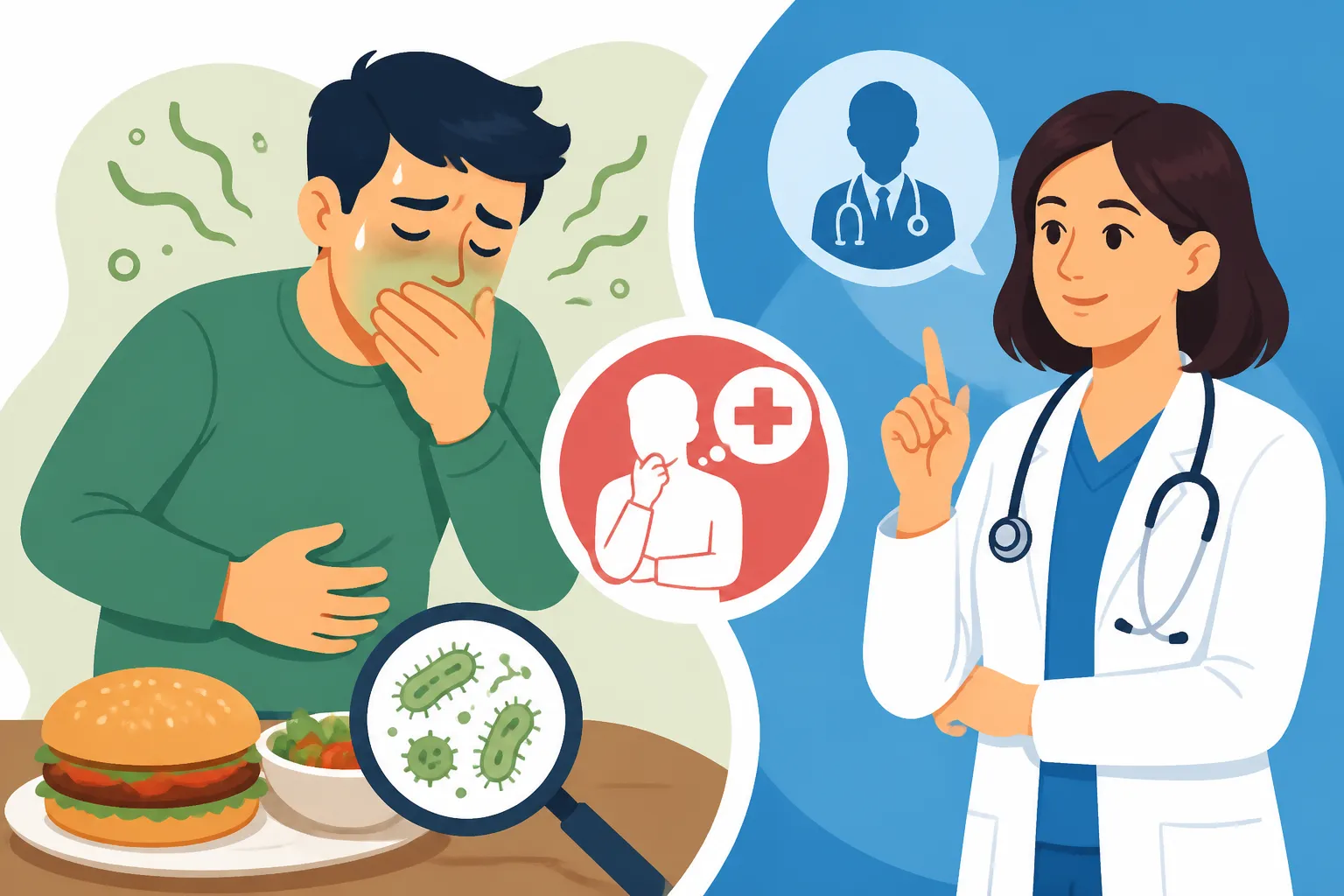
While Denmark has some of the highest food safety standards in the world, the "Smiley Scheme" you see on restaurant windows isn't an absolute shield against bacteria. Food poisoning, or madforgiftning, usually stems from norovirus, Campylobacter, or Salmonella. In my experience, many expats are surprised to find that even high-end cafes can occasionally have a slip-up, or a batch of imported berries might carry a virus.
The struggle for us foreigners is often linguistic. When you're hunched over, trying to figure out if you have diarré or just a sensitive stomach from too much rye bread, the terminology matters. Most cases of food poisoning in Denmark are viral and will pass within 24 to 48 hours without any medicine. However, because the Danish healthcare system is built on a "gatekeeper" model, you need to know how to describe your symptoms accurately to get past the initial phone screening.
If you are still in your first few months and waiting for your paperwork, you might be worried about costs. Expat Health Insurance: Coverage Before You Get Your CPR Number is a vital resource to check if you aren't yet fully integrated into the public system. For those who travel frequently or are digital nomads, having a flexible plan like SafetyWing can provide a safety net while you're transitioning between systems.
When to Consult a Doctor: Identifying the Red Lines
The Danish philosophy toward minor illness is often "wait and see." If you call your GP with a simple case of vomiting, they will likely tell you to drink saftevand (diluted juice) and rest. However, there are specific "red lines" where the "I've-been-there" advice ends and professional help must begin.
Severity and Duration of Symptoms
If your symptoms persist beyond 48 hours without any improvement, it is time to call. In Denmark, doctors are particularly concerned about dehydration. If you cannot keep any liquids down for more than 12 to 24 hours, you risk complications. Watch for signs like dark urine, extreme dizziness when standing, or a dry mouth that doesn't improve with sips of water.
High fevers are another trigger point. A low-grade fever is common with food poisoning, but if your temperature spikes above 38.5°C (101.3°F) and stays there, it could indicate a bacterial infection like Salmonella that might require antibiotics. It is sensible to keep a digital thermometer in your medicine cabinet because the first thing a Danish nurse will ask is, "What is your exact temperature?"
Vulnerable Groups and Risk Factors
Specific groups should not wait 48 hours. If you are pregnant, the risk of Listeria—though rare—is a serious concern in Denmark. You should contact your GP or the maternity ward immediately if you suspect food poisoning. The same applies to the elderly or those with compromised immune systems.
For parents, Family Health in Denmark: Pregnancy, Maternity, and Pediatric Care offers deeper insight into how the system prioritizes children. If your child is showing signs of lethargy or has bloody stools, do not wait for the morning; call the out-of-hours service immediately.
| Symptom Severity | Action to Take | Contact Point |
|---|---|---|
| Mild nausea, 1-2 bouts of diarrhea | Stay home, hydrate, eat salty crackers | None (Self-care) |
| Symptoms lasting >48 hours, unable to hold liquids | Call for a phone consultation | Your GP (Egen Læge) |
| High fever (>39°C), bloody stool, intense abdominal pain | Call immediately | 1813 (Copenhagen) or Lægevagten |
| Unconsciousness, severe respiratory distress, shock | Emergency ambulance | Call 112 |
Navigating the Danish Medical System While Sick
Once you've decided that your "dodgy smørrebrød" situation is more than a minor fluke, you need to engage the system. This is where your The Yellow Health Card (Sundhedskort): Your Key to Danish Healthcare becomes your most important possession.
Contacting Your General Practitioner (GP)
During normal business hours (usually 8:00 AM to 4:00 PM), your first point of contact is your assigned GP. When you call, you will often speak to a nurse first. Be clinical and direct. Instead of saying "I feel terrible," say "I have vomited six times in twelve hours and have a fever of 39 degrees." This helps them categorize your urgency.
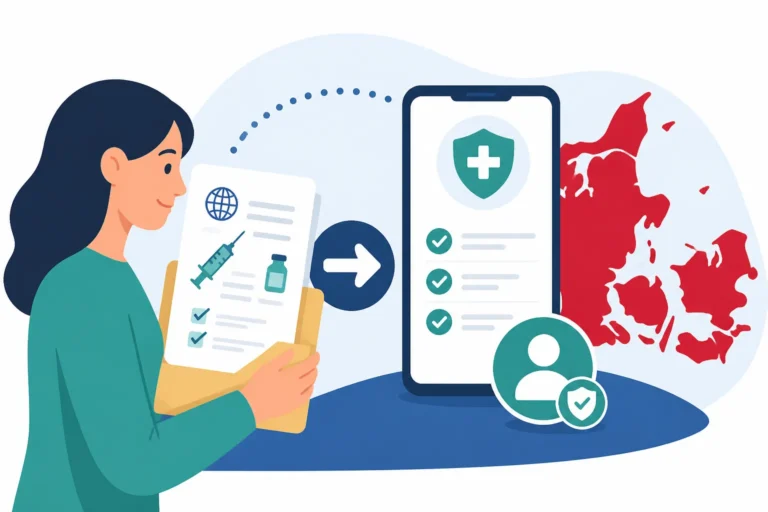
If you are new to the country and haven't quite figured out who your doctor is, you can find this information on the back of your yellow card or by the Sundhedskort App (Using the Sundhedskort App: Managing Your Prescriptions Digitally). If you are looking for more comprehensive private coverage that bypasses some of these public wait times, Cigna Global is a popular choice for expats who prefer a more "concierge" style of medical care.
Using 1813 and Lægevagten
If your symptoms peak at 8:00 PM on a Saturday, do not go to the hospital. Denmark does not have "walk-in" ERs in the way many other countries do. You must call first. In the Capital Region (Copenhagen), the number is 1813. In other regions, you call the Lægevagten.
The triage nurse will decide if you need to stay home, see a doctor at a local clinic, or head to the Akutmodtagelse (Emergency Department). Be prepared for a wait on the phone. I’ve sat on hold for 45 minutes with a bucket in my lap—it’s frustrating, but it is the only way to get seen. For more on this, see Emergency vs. Out-of-Hours Care: When to Call Lægevagten (1813).
Practical Recovery and the Role of the Apotek
While you wait for the symptoms to subside, your local Apotek (pharmacy) is your best friend. However, Danish pharmacies are quite conservative compared to those in the US or UK. You won't find heavy-duty anti-diarrheal medication sitting on a grocery store shelf next to the milk.
Over-the-Counter Options
Most Danish pharmacists will recommend rehydration salts like Revolyt. If you are looking for something to stop the symptoms so you can travel or work, you can ask for Imodium, but they will often advise against it unless absolutely necessary, as the Danish medical philosophy is to let the "poison" leave the body naturally.
You can learn more about these regulations in Over-the-Counter (OTC) Medication: Supermarket vs. Apotek Regulations. If your GP does prescribe something, you won't get a paper slip; it will be sent digitally to your CPR number. You can then go to any pharmacy in the country, scan your yellow card, and they will see the prescription.
Dietary Recovery: The Danish Way
When you can finally face food again, skip the heavy fats. Danes swear by knækbrød (crispbread) and havregrød (oatmeal) made with water. Avoid coffee and dairy for at least 24 hours after your last symptom. If you're struggling with the local options, searching for Food Poisoning in Denmark: When to Consult a Doctor online can sometimes lead you to expat forums where people share where to find familiar comfort foods like plain white rice or specific electrolyte drinks.
Rights and Reporting: What to do After the Crisis
If you are 100% certain that your illness came from a specific restaurant or a contaminated product bought at a supermarket like Netto or Føtex, you have a civic duty in Denmark to report it. The Danish Veterinary and Food Administration (Fødevarestyrelsen) takes these reports very seriously.
Reporting a "dodgy" meal helps the authorities track outbreaks of Salmonella or Listeria. You can submit a report online via their website. If you were part of a large group and everyone got sick, the evidence is much stronger. This is part of the transparency that keeps the Danish food chain safe for everyone.
For those whose illness was so severe it caused long-term issues or required significant time off work, you should understand your rights regarding Sickness Benefit (Sygedagpenge): Your Rights When Off Work Due to Illness. Your employer cannot simply fire you for a few days of food poisoning, but there are protocols for how you must report your "first day of illness."
Navigating Costs and Insurance for Expats
A common fear for new arrivals is the bill. If you have a CPR number and a yellow card, your visit to the GP or the 1813-authorized clinic is free at the point of use. You only pay for the medication at the pharmacy.
However, if you are a tourist or a brand-new expat whose CPR hasn't arrived yet, you might be liable for costs unless you have insurance. This is where Healthcare for EU/EEA Citizens: Using the Blue EHIC Card in Denmark comes into play for Europeans. For non-EU citizens, having a plan like SafetyWing or Cigna Global ensures that an unexpected night in a Danish hospital doesn't result in a massive bill.
Even with the public system, some expats choose to join Private Health Insurance (Sygeforsikring "danmark"): Is It Worth It?), which provides reimbursements for pharmacy costs. While "danmark" doesn't cover the doctor's visit (since that's already free), it can significantly lower the cost of prescriptions if you end up needing expensive antibiotics for a bacterial infection.
Medical Disclaimer
The information provided in this guide is for educational and informational purposes only and is based on personal experience and general knowledge of the Danish healthcare system. It is not intended as a substitute for professional medical advice, diagnosis, or treatment. Always seek the advice of your physician or other qualified health provider with any questions you may have regarding a medical condition. Never disregard professional medical advice or delay in seeking it because of something you have read in this article. If you think you may have a medical emergency, call your doctor or 112 immediately.