Healthcare for EU/EEA Citizens: Using the Blue EHIC Card in Denmark
Many EU expats arrive in Copenhagen or Aarhus assuming their European Health Insurance Card (EHIC) provides total, unrestricted access to the Danish medical system from day one. When I first moved here, I stood in a local clinic with my blue card in hand, only to realize that "temporary stay" coverage is vastly different from being a resident. This guide clarifies how to use your EHIC and when you must transition to local systems.
What is the EHIC and How Does It Apply in Denmark
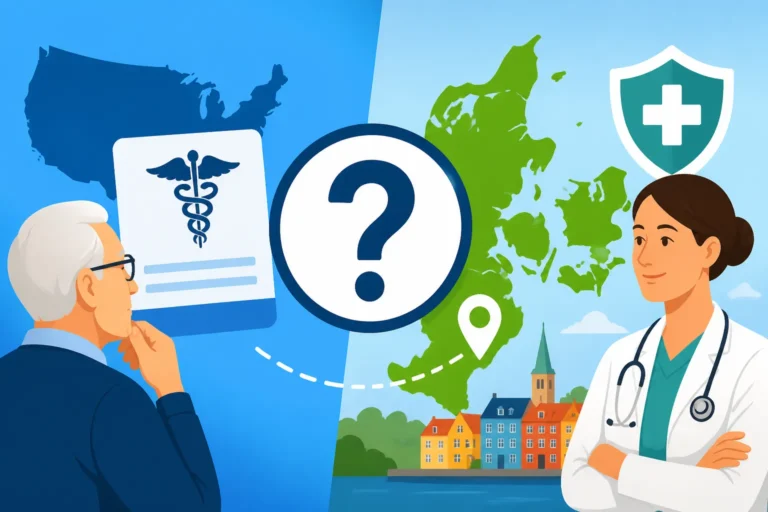
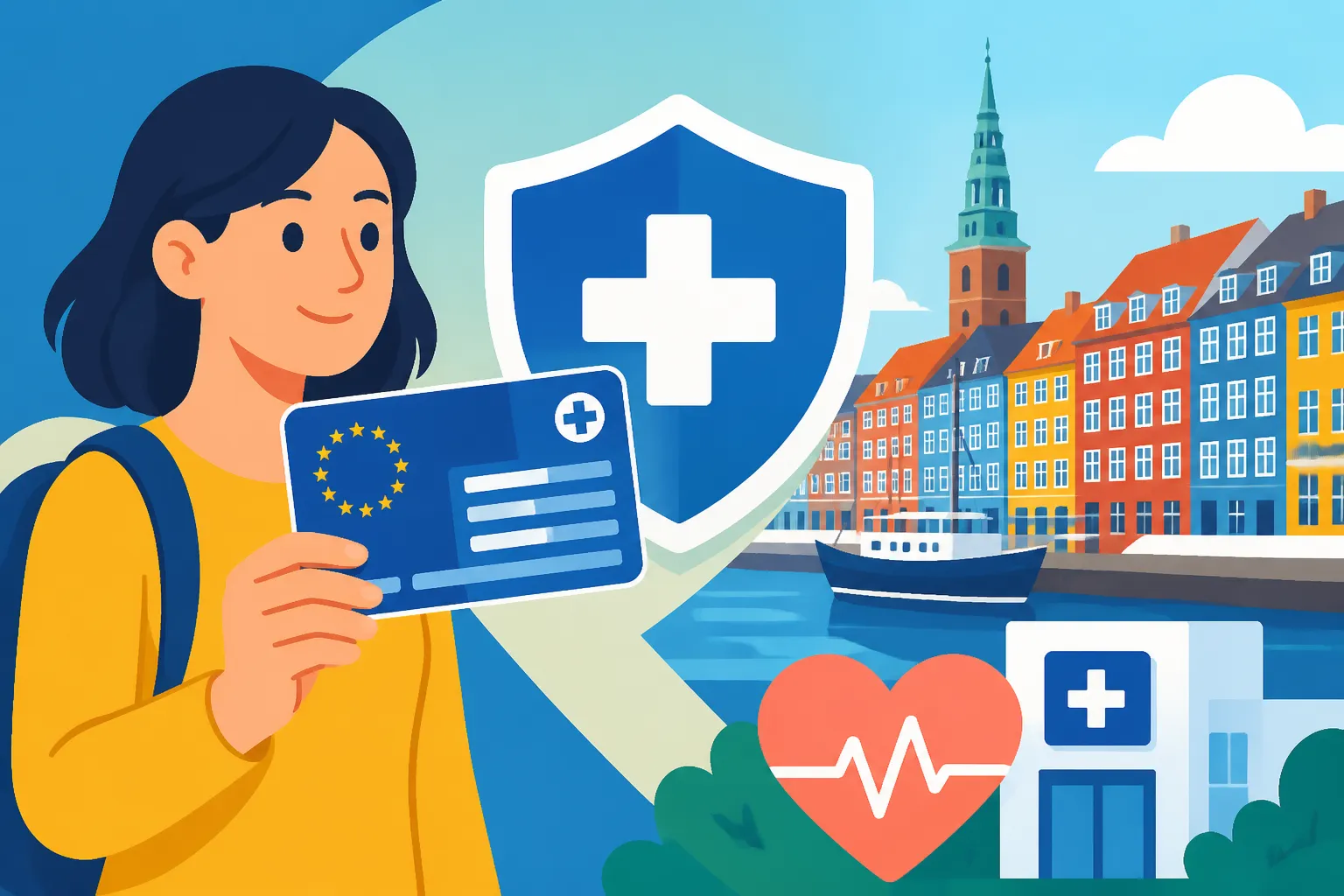
The European Health Insurance Card, commonly known as the "blue card" or EHIC, is a reciprocal agreement between EU/EEA countries and Switzerland. It is designed to ensure that if you are visiting another member state, you receive the same access to state-provided healthcare as a local citizen. In Denmark, this is a massive benefit because the healthcare system is primarily tax-funded and free at the point of use. However, the EHIC is not a replacement for comprehensive insurance, nor is it a permanent solution for those intending to settle.
If you are in Denmark for a holiday, a short-term study program, or while looking for a job before your formal registration, the EHIC is your primary safety net. It covers "medically necessary" treatment. This means you cannot be forced to return home for treatment that cannot wait until your planned departure. It does not, however, allow for "medical tourism" where you travel specifically to receive a procedure. For those who are in the awkward limbo of the first few months, understanding Healthcare in Denmark for Foreign Residents: Complete System Guide (2027) is essential to knowing where the EHIC fits into the broader picture.
One of the most common frustrations I hear from new arrivals is the realization that the EHIC only works with state-affiliated providers. If you accidentally walk into a private clinic in a trendy part of Vesterbro, your blue card will be useless. You must ensure the doctor or hospital is part of the public regional health service. Most general practitioners (GPs) are, but it is always worth asking "Er det under den offentlige sygesikring?" (Is this under public health insurance?) before you sit down.
The Definition of Medically Necessary Treatment
The term "medically necessary" is the most important phrase you need to learn. In the Danish context, this is interpreted by the treating physician. It includes anything from a sudden ear infection or a broken leg sustained while cycling over Dronning Louises Bro, to ongoing monitoring for a chronic condition like diabetes or asthma. If you require dialysis or oxygen therapy, these are also covered, though you generally need to arrange them with a Danish hospital before you arrive.
It is a common misconception that the EHIC only covers emergencies. While it certainly covers a trip to the ER at Rigshospitalet, it also covers visits to a GP for an illness that arises during your stay. If you find yourself needing urgent but non-life-threatening advice outside of business hours, you should look into Emergency vs. Out-of-Hours Care: When to Call Lægevagten (1813) to avoid waiting in a hospital hallway for six hours. The doctors at 1813 (in the Capital Region) will ask for your EHIC details over the phone if you are not yet registered in the system.
However, the EHIC will not cover things that can wait until you go home. If you want a routine check-up because you haven't had one in a while, or if you want to start a long-term elective treatment, the public system will likely deny coverage under the EHIC. For expats who want total control over their healthcare from the moment they land, looking into private options like Cigna Global can bridge the gap where the public system's "necessity" definition feels too restrictive.
Navigating the GP System with an EHIC
In Denmark, the General Practitioner (GP) is the gatekeeper to the entire medical world. You cannot simply call a cardiologist or a dermatologist and book an appointment; you must be referred by a GP. As an EHIC holder, you do not have a "fixed" doctor assigned to you like residents do. Instead, you can contact any GP who has an open list.
Finding a doctor who will take an EHIC patient can be a bit of a localized challenge. In high-density areas like Nørrebro or Østerbro, many GPs are at capacity. You may need to call several offices before one agrees to see you as a temporary visitor. When you call, be very clear that you are an EU citizen with a valid EHIC. Once you are seen, the doctor provides the consultation for free, and they settle the bill with the Danish authorities using your card information.
If you are struggling to find a local doctor who speaks fluent English or has an open slot, some expats find it easier to use services like SafetyWing during their initial transition period. This allows them to seek private care if the public GP wait times are too long during their first few weeks in the country. If you do find a GP you like, remember that this relationship is temporary. Once you receive your residency, you will go through the process of How to Choose and Change Your General Practitioner (GP) in Denmark to get a permanent assignment.
Hospital Admissions and Emergency Services
If you face a true emergency, the EHIC ensures you are treated exactly like a Dane. This means if an ambulance picks you up, you will not receive a bill for the transport or the subsequent life-saving care. This is a point of pride in the Danish system, and it is a relief for many coming from countries with high ambulance fees. For more details on the logistics, you should read about Emergency Medical Care in Denmark: Calling 112, Lægevagten, and ERs.
When you are admitted to a hospital like Aarhus University Hospital (Skejby), you will be asked for your blue card. Keep a physical copy or a high-quality scan on your phone at all times. The hospital will use the numbers on the back of the card to process the costs. If you forget your card, you might be asked to pay upfront and seek a refund from your home country later, which is a bureaucratic nightmare I wouldn't wish on anyone.
The hospital experience in Denmark is highly efficient but can feel "bare bones" to those used to private healthcare. You will likely be in a shared room, and the focus is strictly on clinical outcomes rather than "service." If you prefer the privacy of a single room or faster access to specialists for non-emergencies, a policy from Cigna Global can be a worthwhile investment, as the EHIC only grants you access to the standard public ward.
What the EHIC Specifically Does Not Cover
This is where the "I've been there" reality check comes in. The blue card is not a "get out of jail free" card for all health costs. Denmark has specific areas where even citizens pay out of pocket, and as an EHIC holder, you will be expected to do the same.
| Service Category | Covered by EHIC? | Cost Expectation |
|---|---|---|
| Emergency ER Visit | Yes | Free |
| GP Consultation | Yes | Free |
| Prescribed Medication | Partial | Subsidized (you pay a %) |
| Dental Care (Adults) | No | Full Price |
| Physiotherapy | No | Full Price (without referral) |
| Private Hospitals | No | Full Price |
| Medical Repatriation | No | Full Price |
The biggest shock for most is dental care. In Denmark, adult dental care is almost entirely private. If you have a toothache and go to a "tandlæge" (dentist), the EHIC will likely cover nothing. You will pay the same high rates as a local. You can read more about this in the guide on Dental Care in Denmark: Costs, Subsidies, and Private Insurance Options. Similarly, the EHIC does not cover the cost of flying you back to your home country if you are seriously ill. This "repatriation" cost can run into the tens of thousands of Euros, which is why many savvy travelers use SafetyWing to cover those specific travel-related risks.
Pharmacies and Prescription Medication
When a Danish doctor hands you a prescription (which is usually sent digitally to a central system), you go to the "Apotek" to collect it. Even with an EHIC, medication is not usually free. Denmark uses a sliding scale subsidy system. The more medication you buy in a calendar year, the higher the percentage the state covers.
As a temporary visitor with an EHIC, you will start at the bottom of that scale, meaning you pay the full price for the first several hundred kroner of medication. The pharmacist will ask for your card to register the purchase. If you are on expensive long-term medication, this can add up quickly. It is vital to understand Pharmacies in Denmark: Apotek Rules, Prescriptions, and Subsidies before you head to the counter, so you aren't surprised by the bill.
Transitioning from EHIC to the Yellow Card
The EHIC is a bridge, not a destination. If you are moving to Denmark for more than three months (or six months if you are a job seeker), you are legally required to register for a CPR number. The moment your CPR registration is processed, the healthcare game changes entirely. You are no longer a "visitor" covered by your home country's EHIC; you are a resident covered by Danish taxes.
At this point, you will receive the "Sundhedskort" or Yellow Health Card. This card replaces your EHIC for all healthcare within Denmark. It is your most important piece of plastic. I remember the relief of finally having my yellow card—it meant I no longer had to explain my status to every receptionist. For a deep dive on how this registration works, check out Understanding CPR Registration and Your Healthcare Entitlement.
Once you have your CPR, you should actually stop using your home country's EHIC for treatment inside Denmark. In fact, many countries require you to return your EHIC once you are no longer a resident there. You will then apply for a Danish EHIC to use when you travel away from Denmark on holiday. If you are currently waiting for your registration and feel vulnerable, it is a good idea to look into Expat Health Insurance: Coverage Before You Get Your CPR Number to ensure you don't fall through the cracks during the 4-8 week processing time.
Why Private Insurance Still Makes Sense for EU Citizens
You might be wondering: "If the public system is free and the EHIC covers me for now, why would I ever pay for private insurance?" It's a fair question. The Danish public system is excellent for emergencies and chronic care, but it is under strain.
Wait times for specialists—like a dermatologist for a suspicious mole or a psychologist for burnout—can be months long. Under the EHIC, you have zero rights to skip these queues. Private insurance like Cigna Global allows you to bypass the GP referral system in many cases and see private specialists within days. Furthermore, the public system does not cover "alternative" treatments like osteopathy or certain types of advanced physiotherapy without a long wait.
For digital nomads or those who travel frequently between Denmark and other non-EU countries, SafetyWing provides a level of global flexibility that the EHIC simply cannot match. The EHIC is a regional agreement; it won't help you if you decide to take a weekend trip to London or New York while based in Copenhagen.
Practical Steps for Using Your EHIC in Denmark
- Check the Expiry Date: It sounds simple, but people can be turned away because their card expired a week prior. Renew it before you leave your home country.
- Bring a Physical Card: While Denmark is highly digital, some older GP systems still prefer to scan the physical card or see the backside where the EHIC data is printed.
- Download the Apps: Once you have your CPR, you will want to know How to Download the Sundhedskort App on Your Phone, but until then, keep your physical documents in your wallet.
- Understand Your Group: Most people are "Group 1," meaning they see a GP for free. If you want more freedom, you can technically choose "Group 2," but it involves co-payments. Learn more at What Does 'Group 1' vs 'Group 2' Health Insurance Mean?.
- Keep Receipts: If you are ever forced to pay for a service that you believe should have been covered by the EHIC, keep every single piece of paper. You will need to file a claim with your home country's health authority, and they are notoriously pedantic about documentation.
Using the EHIC in Denmark is generally a smooth process, provided you respect the boundaries of the system. It is a fantastic safety net that allows you to explore the wonders of the Viking ship museum in Roskilde or the nightlife of Kødbyen with peace of mind. Just remember that it is the first step in your Danish journey, and the goal is always to eventually move into the full residency system.
Important Considerations for Families
If you are traveling with children, they must have their own individual EHIC cards. Unlike some other countries, Denmark does not usually allow a child to be "attached" to a parent's card for administrative purposes. If you are moving here for the long term, you will find the pediatric care excellent once you are in the system, but for those first few weeks, ensure every family member has their blue card ready.
For those in the "gap" period between arrival and receiving a yellow card, the stress of a child getting sick can be overwhelming. This is another area where having a supplementary policy like SafetyWing can provide an extra layer of comfort, as it often includes 24/7 pediatric helplines that can be easier to navigate than the Danish "1813" line if your Danish (or your patience) is thin.
Disclaimer
This guide is for informational purposes only and does not constitute legal or medical advice. Healthcare regulations in Denmark and EU-wide EHIC policies can change. Always check the official guidelines from the Danish Patient Safety Authority (Styrelsen for Patientsikkerhed) or your home country's health department for the most current information. While every effort has been made to ensure accuracy as of 2026, the specific circumstances of your residency or health status may affect your coverage. Explicitly verify all insurance terms with providers like SafetyWing or Cigna Global before purchasing.