How to Find an English-Speaking Pediatrician for Your Child
Nothing triggers expat panic quite like a crying child and a medical system that feels foreign. When my daughter first caught a persistent chest cough in Aarhus, I spent hours frantically Googling for a pediatrician, only to realize I was looking for the wrong thing. This guide will demystify finding English-speaking pediatric care in Denmark, from your first GP visit to private specialist options.
The Gateway to Pediatric Care: Your Local GP
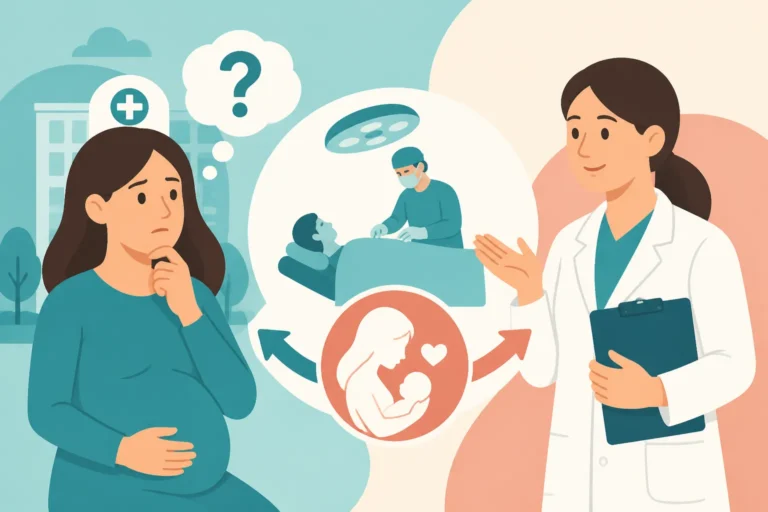
If you are coming from a country where you call a pediatrician the moment your child has a fever, the Danish system will require a bit of a mental shift. In Denmark, the pediatrician (børnelæge) is a specialist, not a primary care provider. This means your first point of contact for anything from a routine ear infection to a developmental concern is always your General Practitioner.
Understanding The Role of the GP: Why You Cannot Go Directly to a Specialist is the most important hurdle for new parents. Your GP is trained to handle the vast majority of childhood illnesses. They are the ones who perform the standard childhood vaccinations and the routine health check-ups at ages 5 weeks, 5 months, 12 months, and then annually until age five. I remember feeling skeptical that a "general" doctor could handle my newborn’s specific needs, but the level of pediatric training among Danish GPs is remarkably high.
The good news for expats is that English proficiency among Danish GPs is near-universal. While the administrative staff might occasionally prefer Danish, the doctors themselves have spent years reading medical literature and attending international conferences in English. When you are going through Understanding CPR Registration and Your Healthcare Entitlement, you will be asked to choose a GP. This choice is vital because this doctor will be the one who decides if your child needs to see a specialized pediatrician.
If your GP determines that your child’s condition requires more specialized knowledge, they will issue a digital referral. Once that referral is in the system, you can contact a private pediatric clinic that has an agreement with the public health service, or your child will be assigned a spot at a hospital-based pediatric department. This is all covered by The Yellow Health Card (Sundhedskort): Your Key to Danish Healthcare, meaning there is no out-of-pocket cost for the consultation or any subsequent hospital treatment.
Searching for English-Speaking Pediatricians in the Private Sector
Sometimes, the wait times in the public system can be stressful, or you might simply want a second opinion from someone who specializes exclusively in children without waiting for a GP's referral. In these cases, you might look toward the private sector. Private pediatricians do exist in Denmark, particularly in larger hubs like Copenhagen, Aarhus, and Odense.
When searching for a private practitioner, you will find that many list their credentials and languages spoken on their websites. If you are still in your first few months and navigating Expat Health Insurance: Coverage Before You Get Your CPR Number, using a private pediatrician might be your only option if you don't yet have access to the public system. Brands like SafetyWing are often used by expats to bridge this gap, providing coverage for those unexpected visits before the yellow card arrives in the mail. For families who prefer a more permanent private solution with higher limits and direct access to specialists, Cigna Global offers plans that can bypass the standard referral wait times.
To find these specialists, the best tool is actually Sundhed.dk, the national health portal. While the interface is primarily in Danish, you can use browser translation tools to filter for "Børne- og ungdomspsykiatri" (child and adolescent psychiatry) or "Pædiatri" (pediatrics). You can also look specifically for clinics that mention "English-speaking" in their profile. If you are living in the capital, you might specifically search for How to Find a GP Accepting New Patients in Copenhagen who has a known interest in pediatrics, as some GPs have additional certifications in child health.
One thing to keep in mind is that even in a private clinic, the "Danish way" is very much about evidence-based, conservative treatment. Don't be surprised if a pediatrician, even a private one, is hesitant to prescribe antibiotics for a viral cough. They will, however, be very thorough in explaining the "wait and see" approach in perfect English, which can be a huge comfort when you’re worried about your little one.
Comparing Pediatric Care Options in Denmark
Choosing between the public system and private care often comes down to the urgency of the situation and your current insurance status. Below is a comparison to help you decide which path to take for your child's health needs.
| Feature | Public System (Yellow Card) | Private Pediatric Clinic | Hospital Emergency (Akutmodtagelse) |
|---|---|---|---|
| Cost | Free (tax-funded) | Paid (Out-of-pocket or Insurance) | Free (tax-funded) |
| Referral Needed? | Yes, from your GP | No (usually) | No, but must call 1813/Lægevagten first |
| Wait Time | Can be weeks for non-urgent | Usually days | Hours (based on triage) |
| Language | English widely spoken | English widely spoken | English widely spoken |
| Best For | Routine checks, chronic issues | Quick second opinions, pre-CPR stays | Acute injury, high fever, breathing issues |
If you find yourself in a situation where the public wait time for a specialist is too long—specifically if it exceeds the national "waiting time guarantee"—you may have the right to seek care at a private hospital at the government's expense. This is part of Waiting Times in Danish Public Hospitals and Patient Rights, a set of rules designed to ensure that no child suffers while stuck in a bureaucratic queue. It is always worth asking your GP or the regional patient advisor about these rights if you feel your child's specialist appointment is too far in the future.
The Role of the Sundhedsplejerske: Your In-Home Pediatric Ally
One of the most incredible parts of the Danish system for parents with infants and toddlers is the health visitor system. This is a service you don't even have to look for; it finds you. Shortly after you bring your baby home from the hospital (or shortly after you register your child's move to Denmark), you will be contacted by a "Sundhedsplejerske."
Understanding What is the Danish Sundhedsplejerske (Health Visitor) System for Babies? is vital because these are specialized nurses who come to your home. They are experts in child development, breastfeeding, growth charts, and the emotional well-being of the parents. In my experience, our health visitor was a lifesaver. She spoke flawless English and was able to spend an hour in our living room answering all those "is this normal?" questions that a busy GP might not have time for.
The health visitor acts as a bridge. If she notices something that concerns her—perhaps a developmental delay or a physical symptom—she will advise you to see your GP and can even write a note to the GP to expedite the process. This is a form of proactive pediatric care that is entirely free and incredibly supportive for expats who may not have their own parents or "village" nearby to offer advice.
If you are struggling with the language or the digital systems, your health visitor is also a great person to ask for help with Booking a Doctor's Appointment in Denmark: MinLæge App Guide. They can show you how to upload photos of a rash or how to message your doctor directly. This digital integration is a hallmark of Danish healthcare, and once you master the apps, it makes managing your child's health much more efficient than the old-school phone tag common in many other countries.
Emergency Pediatric Care and After-Hours Support
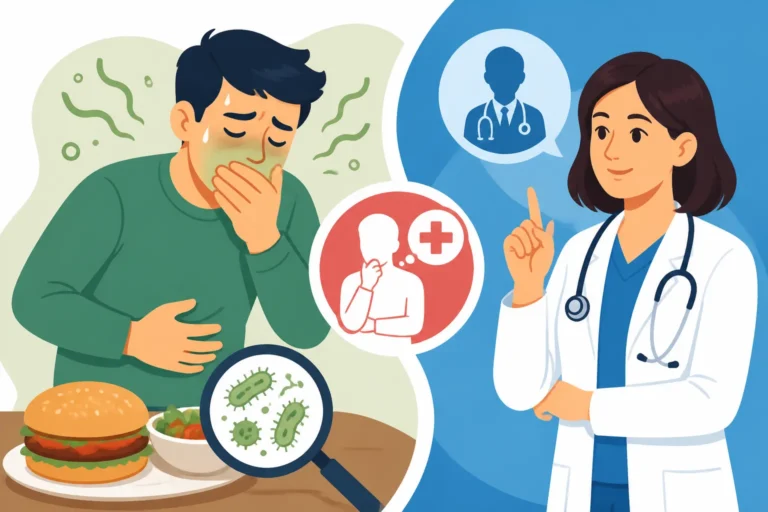
Accidents and sudden illnesses rarely happen during office hours. When your child develops a high fever at 2:00 AM on a Saturday, you cannot wait for your GP. This is when you use the "Lægevagten" (after-hours doctor) or, in the Capital Region, the 1813 helpline.
It is critical to remember: Do not just show up at the Emergency Room (Akutmodtagelse) with a sick child. Unless it is a life-threatening emergency (in which case you call 112), you must call the after-hours service first. They will triage your child over the phone in English. They might give you advice on how to manage the fever at home, or they will give you a specific time and location to show up at an emergency pediatric clinic.
Navigating Emergency vs. Out-of-Hours Care: When to Call Lægevagten (1813) can be intimidating because the phone lines can sometimes have long wait times, especially during flu season. However, the nurses on the other end are specifically trained to listen for "red flags" in children. If they hear a child struggling to breathe or barking with croup in the background, they will prioritize your call.
If you are a non-EU citizen and still waiting for your residence permit to be processed, you might worry about the cost of these emergency calls. While emergency care is generally provided regardless of status, having a plan from Cigna Global or SafetyWing ensures that any follow-up care or prescriptions are covered. Remember that while the visit itself might be free, the medication you get at the Pharmacies in Denmark: Apotek Rules, Prescriptions, and Subsidies will usually require payment, though the Danish state provides a sliding scale subsidy for children's medicine.
If your child is ever admitted to the hospital, you should know that Danish pediatric wards are designed with the family in mind. Usually, one parent is expected (and required) to stay with the child 24/7, and they will provide a bed and meals for you. In these high-stress moments, if you feel there is a misunderstanding due to technical medical terms, you can request assistance. While doctors speak English, for complex surgical discussions, you have certain Translators in Danish Healthcare: Your Right to an Interpreter rights that ensure you fully understand the procedures being proposed for your child.
Important Medical Disclaimer
The information provided in this guide is for educational and informational purposes only and does not constitute professional medical advice, diagnosis, or treatment. Always seek the advice of your physician, pediatrician, or other qualified health provider with any questions you may have regarding a medical condition or the health of your child. Never disregard professional medical advice or delay in seeking it because of something you have read in this article. If you think you may have a medical emergency, call your doctor or 112 immediately. The Danish healthcare system's rules and regulations, including salary thresholds for visas and insurance requirements, are subject to change, and you should always consult official government sources such as Borger.dk or Sundhed.dk for the most up-to-date information.