Can You Request an Elective C-Section in a Danish Public Hospital?
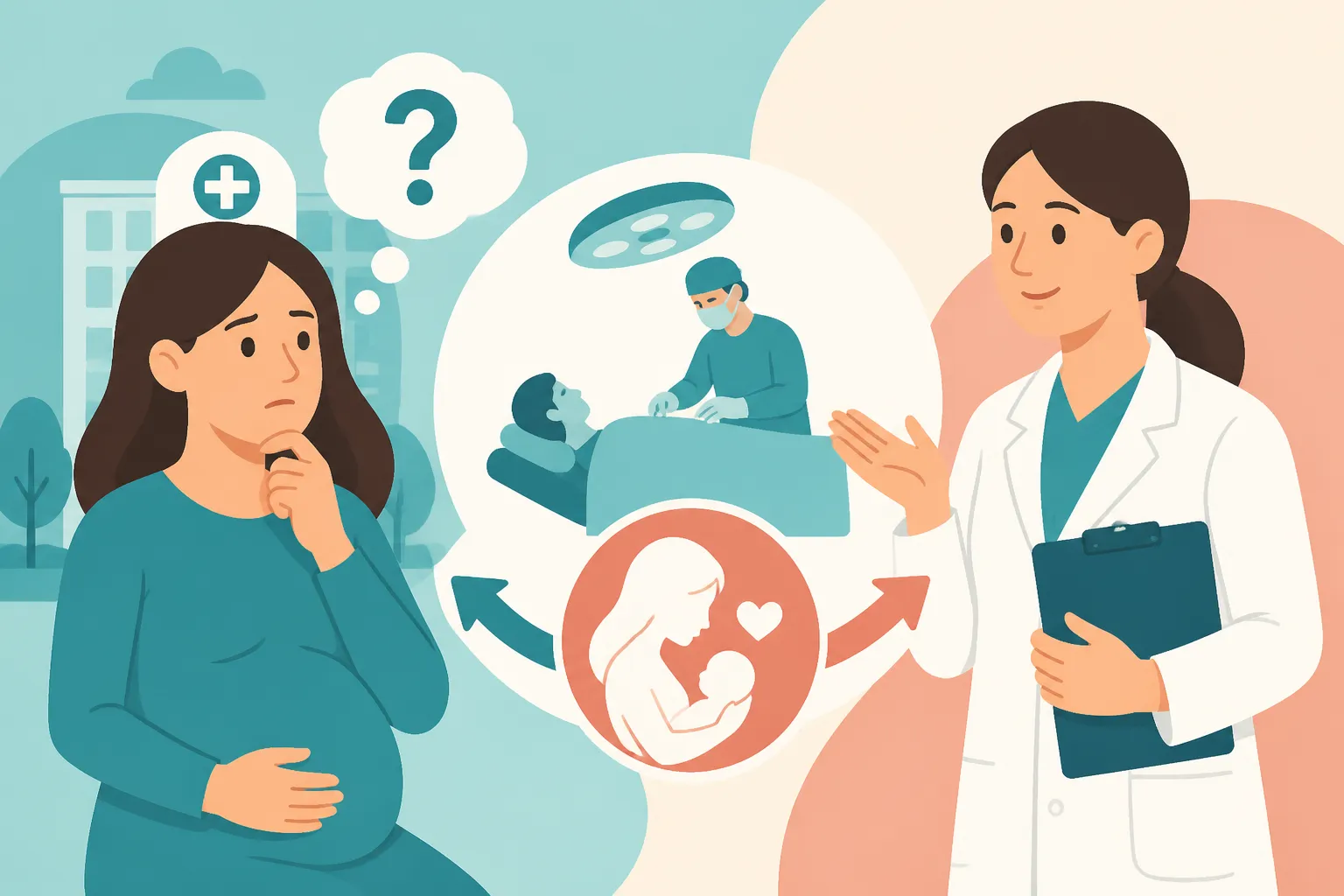
Navigating the Danish maternity system can feel like a cultural obstacle course, especially when your personal birth preferences clash with the local philosophy of natural labor. I remember sitting in my first midwife appointment in Copenhagen, clutching a list of questions and feeling an immediate wave of "the Danish way" washing over my specific concerns. This guide will walk you through the realistic process of requesting an elective C-section in Denmark, validating your choices, and explaining the administrative hoops you must jump through to get there.
The Cultural Philosophy of Birth in Denmark
In Denmark, the healthcare system is built on a foundation of "minimal intervention." This is a beautiful concept for many, but for expats coming from countries where elective C-sections are a standard choice, it can feel incredibly restrictive. The Danish public system operates on the principle that vaginal birth is the safest and most natural path for both the parent and the child. Because of this, an elective C-section—often called an "ønskekejsersnit" or "kejsersnit på moders anmodning"—is not something you simply check a box for on a form.
When you start your journey through Healthcare in Denmark for Foreign Residents: Complete System Guide (2027), you will quickly realize that the system prioritizes clinical necessity over consumer choice. If you are used to a private healthcare model where you are the "customer," the transition to the Danish public model can be jarring. However, it is important to know that you do have rights, and while it isn't as simple as making a request, it is certainly possible to secure an elective C-section if you are persistent and follow the correct protocol.
The system is designed to provide high-quality care for everyone through The Yellow Health Card (Sundhedskort): Your Key to Danish Healthcare. Because the state pays for everything, they are very protective of resources. A C-section is a major surgery that involves a longer hospital stay and more staff, which is why the medical team will often spend a significant amount of time trying to "talk you out of it" or at least ensure you are making the decision with all the facts. This isn't meant to be dismissive, though it often feels that way; it is their way of ensuring you understand the risks involved with surgery.
Starting the Conversation with Your Midwife and GP
Your journey doesn't start at the hospital; it starts at your local clinic. Once you have confirmed your pregnancy, you will need to schedule your first visit with your doctor. If you aren't happy with your current clinic's vibe, you should look into How to Choose and Change Your General Practitioner (GP) in Denmark before you get too far along. Your GP is the person who officially registers your pregnancy and refers you to the midwife service (jordemoderydelsen) at your regional hospital.
During your first midwife consultation, which usually happens around week 13-15, you should bring up your desire for a C-section. Be prepared for a long conversation. The midwife’s role is to support you, but they are also trained to promote vaginal birth. They will likely ask you why you want a C-section. If your reason is "convenience" or "scheduling," you will face an uphill battle. If your reason is rooted in fear, previous trauma, or specific physical concerns, they will listen much more closely.
It is helpful to have your thoughts organized before this meeting. The midwife will document your request in your digital file, which you can eventually see yourself through Sundhed.dk and MitID: Navigating Denmark’s Digital Health Portals. Do not be discouraged if the midwife doesn't give you a "yes" right away. They actually don't have the authority to grant an elective C-section; their job is to refer you to a consultation with an obstetrician (fødselslæge) if you persist in your request.
The Obstetrician Consultation and the Decision Process
The real "decision-maker" is the hospital's obstetrician. After you have spoken with your midwife—potentially several times—you will be granted a consultation with a doctor at the hospital where you are scheduled to give birth. This usually happens later in the second trimester or early in the third. This is the meeting where the "clinical" versus "personal" request is weighed.
During this meeting, the doctor will discuss the medical implications of a C-section versus a vaginal birth. They will look at your history and any potential complications. If there is a medical reason (like a breech baby or placenta previa), the C-section becomes "indicated" and is no longer elective. If the baby is healthy and you are healthy, the doctor will still try to understand your motivation.
Many expats struggle with "tokophobia" (a deep-seated fear of childbirth). In Denmark, if you express this fear, the hospital may offer you extra counseling or specialized midwife sessions (sometimes called "fear of birth" groups) before agreeing to the surgery. They want to ensure that your request isn't based on a lack of information. If you have had a traumatic experience previously, you might find it helpful to read about Giving Birth in Denmark: Pain Relief Options and Postpartum Care to see if the available pain management options change your mind. If they don't, you must stand your ground firmly but politely. In the vast majority of cases, if a woman remains steadfast in her request after all consultations, the hospital will eventually grant the elective C-section, as they do not want to force a woman into a traumatic vaginal birth.
| Aspect | Vaginal Birth (Public System) | Elective C-Section (Public System) |
|---|---|---|
| Decision Authority | Standard Protocol | Obstetrician Approval Required |
| Hospital Stay | Usually 4-24 hours for uncomplicated | 2-3 days typically |
| Recovery Time | Days to weeks | 6 weeks (no heavy lifting) |
| Cost | Free with Yellow Card | Free with Yellow Card |
| Pain Management | Epidural, gas/water, etc. | Spinal anesthesia / post-op meds |
| Scheduling | When the baby is ready | Typically 7-10 days before due date |
When Fear is the Primary Driver: Psychological Support
If your request for a C-section is based on anxiety or mental health, the Danish system handles this through a specific pathway. They take "Angst for fødsel" (fear of birth) quite seriously, but their solution is often therapy rather than immediate surgery. You might be referred to a psychologist or a specialized midwife team that deals specifically with birth anxiety.
This is where Mental Health in Denmark: Accessing Psychologists and Therapy for Expats becomes relevant. While the hospital provides some support, you might want to seek out private therapy if the hospital's resources feel too focused on "converting" you back to a vaginal birth plan. Having a letter from a private psychologist explaining your mental state and why a C-section is necessary for your mental well-being can be a powerful tool when talking to the hospital obstetrician.
If you are new to the country and don't yet have your CPR number, navigating these early anxieties can be even tougher. Some expats choose to use services like SafetyWing to cover their initial health needs or mental health consultations before the public system fully kicks in. Having that extra layer of support during those first few months of pregnancy in a foreign country can be a lifesaver.
The Reality of Private Hospitals and Insurance
Can you just skip the public drama and pay for a C-section? The answer in Denmark is: it’s complicated. While Denmark has a very strong public system, the private sector is smaller and more specialized. There are very few private hospitals that handle births. Most "private" maternity care in Denmark consists of extra midwife visits, scans, or postpartum stays in a private "hotel" setting, rather than the delivery itself.
If you are determined to have a private birth experience where you have more control over the delivery method, you might find that your options within Denmark are extremely limited compared to London, New York, or Dubai. This is where high-end international insurance like Cigna Global can be useful, but you must check the "maternity" clauses carefully. Usually, there is a 12-month waiting period before maternity is covered, and even then, the private infrastructure for delivery in Denmark is sparse.
Most expats find that they must work within the public system. If you find that your local hospital is being particularly difficult, you do have the right to "Fritt Sygehusvalg" (free choice of hospital). This means you can request to be moved to a different hospital's maternity ward if you feel they might be more sympathetic to your needs. This is a common strategy for people living in the Greater Copenhagen area, where different hospitals (like Rigshospitalet, Herlev, or Hvidovre) may have slightly different "cultures" regarding elective requests.
Finalizing the Plan: What Happens Once It's Approved?
If the hospital grants your request for an elective C-section, the process becomes very organized. You will usually be given a date about 10 to 14 days before your actual due date. You will be invited to a "pre-op" day a few days before the surgery to have blood tests, meet the anesthesiologist, and receive instructions on fasting.
On the day of the surgery, you will arrive at the maternity ward early in the morning. Unlike emergency C-sections, the atmosphere for an elective one is usually quite calm. You are allowed to have one partner or support person with you in the operating room. The surgery itself is quick, and the focus remains on "skin-to-skin" contact as soon as the baby is delivered, which is a hallmark of the Danish approach even in surgical births.
Postpartum care for C-sections in the public system is generally excellent. You will be encouraged to stay in the hospital for a couple of days to manage pain and ensure your incision is healing. If you are worried about the language barrier during your recovery, you can look for Finding an English-Speaking Doctor: Directories and Local Strategies to find a pediatrician for your baby's follow-up checks, though almost all hospital staff in the maternity wards speak excellent English.
Practical Tips for Your Consultations
To make the process as smooth as possible, keep these tips in mind:
- Be Consistent: If you change your mind back and forth, the medical team will see it as a sign that you are just "scared" and need more "coaching" toward a vaginal birth. If you are sure, stay sure.
- Use Clinical Language: If you have specific medical concerns, mention them. Use terms like "previous pelvic injury," "family history of birth complications," or "severe anxiety."
- Bring a Partner: Having your partner or a friend there to advocate for you is crucial. Sometimes the pressure to conform to the "natural birth" ideal is high, and having a second person to say "No, she has considered this and her decision is final" helps immensely.
- Check Your Insurance: If you are still in the planning stages of moving to Denmark, consider how SafetyWing or Cigna Global might fill the gaps in your care during your first 90 days.
- Read Up on the System: Knowledge is power. Understanding Pregnancy in Denmark: Midwife Consultations, Scans, and Hospital Births will help you know what is coming at every stage so you aren't blindsided by a midwife's questions.
While it might feel like you are fighting against the current, remember that the Danish healthcare system is ultimately there to ensure a safe outcome for you and your baby. They may challenge your choice, but they cannot legally force you into a procedure you are fundamentally terrified of. Stand your ground, stay informed, and remember that your mental health and sense of safety during birth are just as important as the clinical outcomes.
Disclaimer
The information provided in this article is for informational purposes only and does not constitute professional medical advice, diagnosis, or treatment. Healthcare policies in Denmark, including those regarding elective C-sections and insurance coverage, are subject to change. Always seek the advice of your physician, midwife, or other qualified health provider with any questions you may have regarding a medical condition or birth plan. The mention of specific insurance brands does not constitute a formal endorsement; readers should conduct their own due diligence before purchasing any financial or health products.