Getting a Second Opinion in the Danish Public Health System
Navigating a medical diagnosis in a foreign language and system is terrifying, especially when you feel your concerns are being dismissed by a local doctor. I remember sitting in my GP's office in Aarhus, feeling like my chronic pain was being brushed off as "lifestyle-related" when I knew it was something deeper. This guide explains exactly how to navigate the Danish healthcare system to secure a second opinion, ensuring you receive the care and clarity you deserve.
Understanding Your Legal Right to a Second Opinion in Denmark
In Denmark, the right to a second opinion isn't always a "blanket" right for every minor ailment, but for serious, life-threatening, or complex conditions, the law is quite clear. Under the Danish Health Act (Sundhedsloven), patients have a specific "right of assessment" (vurderingsret) if they are facing a serious illness and the current treating department is uncertain about the diagnosis or the treatment plan. This is a crucial distinction to understand because the Danish system is heavily triaged. If you are dealing with a standard cold or a minor sports injury, your GP (General Practitioner) acts as the ultimate gatekeeper, and getting another perspective within the public system often requires a bit more administrative maneuvering.
For major diagnoses—think cancer, neurological disorders, or complex cardiac issues—the public system actually has built-in mechanisms for second opinions. If a hospital department in Region Hovedstaden or Region Midtjylland cannot provide the necessary expertise or if the diagnosis is particularly elusive, they are often required to refer you to a more specialized facility, sometimes even abroad. However, for most expats, the struggle isn't with these high-level cases; it's with the "everyday" specialist referrals where you feel the first specialist you saw didn't take you seriously.
When you are in the public system, you are generally assigned to a specific hospital based on your geography. However, the principle of Choosing a Hospital for Elective Surgery: Fritt Sygehusvalg Explained allows you some flexibility. This "free choice of hospital" means that if you are unhappy with the assessment at one public hospital, you may be able to request that your referral be sent to a different one. It is important to note that while you can choose a different hospital, you cannot always demand a "second opinion" just because you didn't like the first one's answer. You must provide a medical or logical reason why the first assessment was insufficient.
Navigating the GP Gatekeeper System for a Second Opinion
The biggest hurdle for most of us is the GP. Since the Danish system is based on the How to Choose and Change Your General Practitioner (GP) in Denmark model, your doctor is the person who must write the referral for any specialist. If your GP says "no" to a referral, you are effectively stuck in the public system. Many expats get frustrated here because they feel the GP is trying to save the state money. In reality, it's a culture of "watchful waiting" that is very Danish but can feel like neglect to someone used to a more interventionist medical culture.
If you strongly disagree with your GP’s refusal to refer you to a specialist for a second opinion, you have a few options. First, you can simply How to Change Your Doctor Online via Borger.dk. This costs a small fee (around 225 DKK), but it allows you to find a doctor who might have a different perspective on your symptoms. Some patients switch GP when they feel a previous doctor isn't listening to their history of thyroid issues. Sometimes, a fresh pair of eyes is all it takes to get that specialist referral.
Another path is understanding What Does 'Group 1' vs 'Group 2' Health Insurance Mean?. Most residents in Denmark are in Group 1, which means all GP and specialist visits (with a referral) are free. If you switch to Group 2, you gain the freedom to visit any GP and any specialist without a referral. However, you will have to pay a portion of the bill yourself. For someone desperately seeking a second opinion without the "gatekeeper" hassle, switching to Group 2 for a period can be a strategic move, though it is administratively heavier and more expensive.
| Option | Cost | Referral Required? | Best For… |
|---|---|---|---|
| Standard GP Referral | Free | Yes | Clear medical cases where the GP agrees. |
| Changing GPs | ~225 DKK | N/A | When you feel your current GP isn't listening. |
| Switching to Group 2 | Partial Payment | No | Maximum freedom to see any specialist. |
| Private Specialist | Full Cost | No | Immediate second opinions without public wait times. |
| Cross-Border Care | Variable | Usually | Complex cases not treatable in Denmark. |
Utilizing Private Insurance for Faster Second Opinions
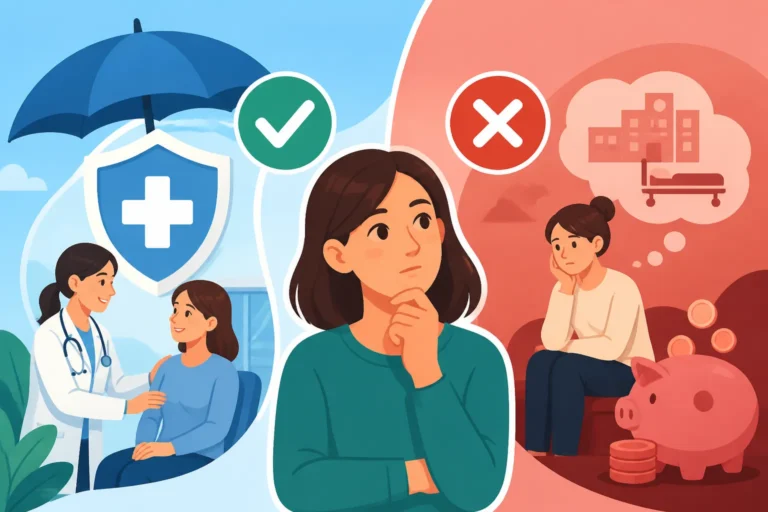
If the public system is moving too slowly or you’ve hit a wall with your local specialists, private insurance is the most common "escape hatch." Many expats are surprised to learn that even with a Yellow Card, having supplemental coverage can change your experience entirely. Brands like Cigna Global are popular among the international community because they allow you to bypass the public referral system and head straight to private clinics like Aleris-Hamlet or Capio.
When I first arrived, I was confused about the role of private hospitals. I thought the public system was the only way. But if you have comprehensive international coverage from Cigna Global, you can often book a second opinion with a top-tier specialist within days. This is particularly helpful if you are dealing with orthopedic issues or dermatology, where public wait times can be months. Even if you are still in your First 90 Days: Health Insurance Requirements for Non-EU Expats and using a provider like SafetyWing, you might have coverage for emergency or urgent assessments that the public system would otherwise deprioritize.
For those who are settled, looking into Private Health Insurance (Sygeforsikring "danmark"): Is It Worth It? is a must. While "danmark" is a reimbursement-based co-op and doesn't "skip the line" in the same way as a full private policy, it provides subsidies for many private specialist consultations. If you choose to pay out-of-pocket for a second opinion at a private clinic, being a member of "danmark" can help you claw back some of that cost. SafetyWing is also a great bridge for those who are between jobs or waiting for their CPR number to be finalized, as it provides that initial layer of security when the Danish administrative wheels are turning slowly.
How to Prepare for a Second Opinion Consultation
Once you have secured a second opinion—whether through a new GP, a Group 2 switch, or private insurance—you need to be incredibly prepared. The Danish medical culture values brevity and data. You shouldn't just show up and say, "The other doctor was wrong." Instead, you need to present your case logically. Start by How to View Your Medical Records and Lab Results on Sundhed.dk and printing out your recent blood tests, scan results, and notes.
When you sit down with the new doctor, use a "facts-first" approach. Explain that you are seeking a second opinion because your symptoms have persisted despite the first treatment plan, or because you have new information that wasn't considered. It’s also helpful to mention any family history or previous treatments you had in your home country. Danish doctors can be skeptical of foreign medical records, so having them translated or clearly summarized is vital.
If you are dealing with a language barrier, remember Translators in Danish Healthcare: Your Right to an Interpreter. While many Danish doctors speak excellent English, medical terminology can be tricky. If you feel that your initial "misdiagnosis" or lack of referral was due to a misunderstanding, you have the right to request a professional interpreter for your second opinion consultation. This ensures that every nuance of your pain or symptoms is accurately conveyed to the new specialist.
Managing the Emotional Stress of Disagreeing with the System
It is mentally exhausting to fight for your health in a country that isn't your own. There is a specific type of "expat burnout" that happens when you feel the system is working against you. If the stress of seeking a second opinion is taking a toll, don't ignore it. You might want to look into Accessing English-Speaking Therapists and Counselors in Copenhagen to help process the frustration of navigating these administrative hurdles.
I’ve found that the best way to handle the Danish system is with "persistent politeness." Danes generally trust their system and their doctors implicitly. When you challenge a diagnosis, you aren't just challenging a person; you're challenging a deeply ingrained cultural trust in the state. By framing your request for a second opinion as a collaborative effort to "get back to work" or "improve your quality of life," you align yourself with Danish values of productivity and health.
Don't forget to use the digital tools at your disposal. The Sundhed.dk and MitID: Navigating Denmark’s Digital Health Portals guide is your best friend here. You can see exactly what the first doctor wrote about you. Sometimes, seeing those notes helps you realize there was a simple misunderstanding that you can correct in your second opinion. If the notes say "patient seems fine," but you were in agony, you can point to that discrepancy and ask for a more thorough physical examination next time.
Challenging a Refusal and Patient Complaints
If you have tried everything—changing GPs, asking for referrals, and presenting your data—and you are still being denied a second opinion for a serious issue, you can escalate the matter. Every region in Denmark has a "Patient Office" (Patientkontoret) with patient advisors (patientrådgivere). These are people whose entire job is to help you navigate your rights. They are independent of the doctors and can tell you if your right to a "vurderingsret" is being violated.
You can also look into Understanding Patient Compensation (Patienterstatningen) in Denmark if you believe a delay in a second opinion has led to actual harm. While this is a more extreme step, knowing that these protections exist can give you the confidence to stand your ground. Most of the time, simply mentioning that you have spoken with a patient advisor can "grease the wheels" and get that referral moving.
In the end, your health is your responsibility. Whether you use Cigna Global to go private or navigate the Emergency vs. Out-of-Hours Care: When to Call Lægevagten (1813) system for an urgent second look, do not settle for a diagnosis that feels wrong. The Danish system is excellent once you are "in," but getting the right person to open the door often requires the tenacity of someone who knows their own body better than any bureaucrat.
Disclaimer
This article is for informational purposes only and does not constitute professional medical or legal advice. Healthcare regulations in Denmark, including the Danish Health Act and SIRI requirements, are subject to change. Always consult with a qualified medical professional or a legal expert regarding your specific health situation and rights within the Danish public health system. Information regarding private insurance providers like SafetyWing and Cigna Global should be verified directly with the providers as terms and coverage limits frequently update.