How to Find a GP Accepting New Patients in Aarhus
You have finally secured your apartment in Aarhus, perhaps near the bustling Latin Quarter or the sleek new builds in Aarhus Ø, only to realize that the most critical piece of your Danish life—the CPR number—is tethered to a doctor you didn't actually choose. I remember the sinking feeling of being assigned a clinic in Viby when I lived in Trøjborg, realizing that a simple flu visit would require two buses and an hour of commuting. Finding a GP (General Practitioner) accepting new patients in Aarhus is one of the most common administrative hurdles for expats, and this guide will show you exactly how to navigate the digital portals and local geography to find the right medical match.
The Aarhus Doctor Dilemma: Why Lists Are Often Closed
Aarhus is Denmark’s second-largest city and its fastest-growing educational hub. With over 50,000 students descending on the city every year, the healthcare infrastructure in the city center (Midtbyen) is constantly under pressure. When you first register for your CPR number, the system typically assigns you a doctor based on your proximity to their clinic. However, the most popular clinics—those with English-speaking staff or modern facilities near Aarhus University—often have "closed lists" (lukket for tilgang).
The "closed" status means the doctor has reached their maximum capacity of patients, usually around 1,600 per practitioner. In a high-density area like Aarhus C, a clinic might open its list on a Tuesday morning and be fully booked by Tuesday afternoon. Some expats wait months for their preferred clinic near Bruuns Galleri to open up, only to miss the window because they weren't checking the portal daily. This creates a competitive environment that feels more like booking concert tickets than seeking medical care.
Furthermore, the geographical layout of Aarhus plays a role. If you live in the suburban rings like Højbjerg or Risskov, you might find it much easier to secure a local GP. But for those of us living in the densest parts of the city, the struggle is real. You are legally entitled to a doctor within 15 kilometers of your residence, but in a biking city like Aarhus, 15 kilometers can feel like an eternity when you have a high fever. Understanding The Yellow Health Card (Sundhedskort): Your Key to Danish Healthcare is the first step in realizing that this little plastic card is your ticket to changing this situation.
Navigating the Lægevalg: The Digital Search Step-by-Step
To find a doctor who is actually taking patients, you have to move beyond the paper forms and dive into the digital heart of Denmark. The primary tool you will use is the "Lægevalg" (Doctor Choice) service on Borger.dk. This portal is the only way to see a live, real-time list of which clinics in Aarhus have their doors open.
First, you need to log in using your MitID. If you are still waiting for your digital ID, you might feel stuck. During this limbo period, many expats find peace of mind by using Expat Health Insurance: Coverage Before You Get Your CPR Number to ensure they aren't left vulnerable. Once you are in the system, you can search by zip code (e.g., 8000 for Aarhus C, 8200 for Aarhus N). The system will display a list of doctors. Look specifically for the "Åben for tilgang" (Open for intake) label in green. If you see "Lukket for tilgang" in red, you cannot select that doctor unless you are moving house or have a specific family reason.
When I was looking for a doctor near the Aarhus Botanical Gardens, I found that the map view on Sundhed.dk was far more helpful than a simple list. It allows you to visualize exactly where the clinic is located relative to the 1A or 5A bus lines. Once you find an open clinic, the process of switching is nearly instantaneous online. However, keep in mind that unless you are moving to Aarhus for the first time or changing addresses, there is a fee of approximately 225 DKK to change your doctor. You can find more details on the mechanics of this in our guide on How to Change Your Doctor Online via Borger.dk.
What to Do During the "Wait Period" and Insurance Gaps
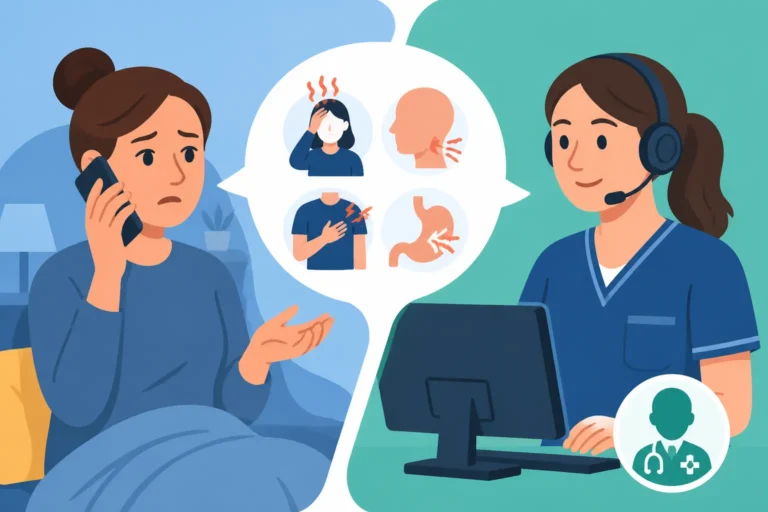
A common scenario in Aarhus is the "CPR Gap." This is the period between arriving in Denmark and actually receiving your yellow card in the mail. During these weeks, you are technically covered by the Danish Health Act for emergency care, but you don't have a designated GP for routine issues, prescriptions, or referrals. This is where many expats feel the most anxiety.
If you find yourself in Aarhus without a CPR number yet and you need non-emergency medical advice, you cannot simply walk into a GP clinic and ask for a check-up. They will ask for your card immediately. For this reason, many international arrivals rely on digital-first solutions like SafetyWing, which is designed for nomads and expats who haven't yet integrated into a national system. It provides a safety net while you wait for the Danish bureaucracy to process your registration. For those who want more comprehensive, long-term private options that go beyond the public system's offerings, Cigna Global is a frequent choice, especially if you prefer to bypass the GP referral system entirely and go straight to specialists.
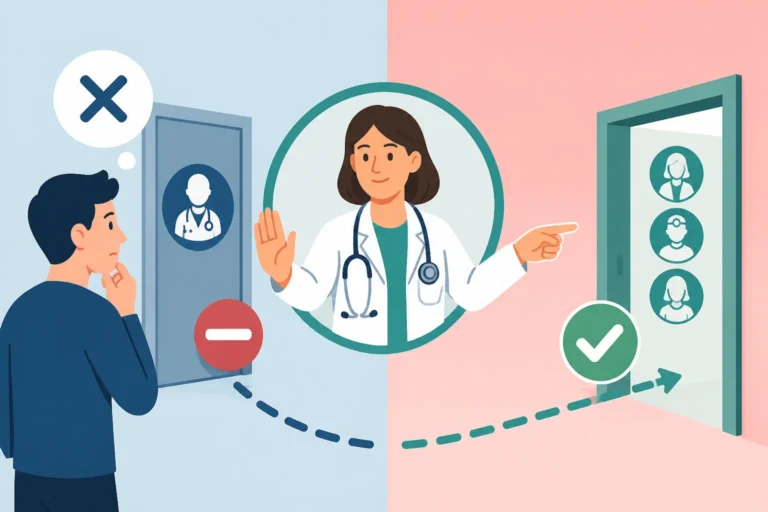
Remember that Understanding CPR Registration and Your Healthcare Entitlement is crucial because the date your CPR is issued is the date your public coverage "officially" begins. If you have a pre-existing condition that requires medication, do not wait for the yellow card to arrive. Bring your foreign prescriptions and perhaps consider SafetyWing for the initial month to cover any gaps. Once you have your card, you will quickly learn The Role of the GP: Why You Cannot Go Directly to a Specialist, which is the cornerstone of the Danish medical philosophy.
| Aarhus District | Zip Code | Availability Trend | Tips |
|---|---|---|---|
| Aarhus C (Midtbyen) | 8000 | Very Low | Check lists at the start of the month. |
| Aarhus N (Trøjborg/University) | 8200 | Moderate | Many student-focused clinics here. |
| Aarhus V (Hasle/Frydenlund) | 8210 | High | Better chance of finding English-speaking staff with open lists. |
| Aarhus S (Viby/Højbjerg) | 8260/8270 | Moderate | Good for families; clinics are often larger. |
| Aarhus Ø (Docklands) | 8000 | Very Low | Very few clinics physically located in this new district. |
Aarhus-Specific Strategies for a Better GP Match
Aarhus is a "village-city," meaning word-of-mouth is powerful. If you are a student at Aarhus University, the Studenterrådet (Student Council) often has insights into which doctors are "expat-friendly" or have a better understanding of international health records. Some clinics in the 8000 and 8200 areas are very accustomed to international students and may have more streamlined processes for Translating Foreign Vaccination Records into the Danish System.
Another strategy is to look for "Lægehus" (Medical Houses) rather than solo practitioners. A Lægehus is a larger clinic with multiple doctors (Læger) working together. These clinics are more likely to have open slots because they have a higher total patient capacity. In Aarhus, several large Lægehuse are located near the train station and the Skejby hospital area. The advantage of a larger clinic is that if your primary GP is on holiday, another doctor in the same building can see you, and they all share access to your medical records via the central system.
If you are frustrated by the lack of options in the city center, consider looking at clinics along the Letbane (Light Rail) route. Because the Letbane is so efficient, a doctor in Lisbjerg or Skejby might actually be easier to reach than one on the other side of the Aarhus pedestrian street (Strøget). Before you commit, it is worth checking How Long Does It Take to Receive the Yellow Card in the Mail? because you cannot officially "lock in" your choice until that card is in your hand.
The Cost of Switching and the Physical Card
In Aarhus, as in the rest of Denmark, your first GP selection is free when you move to the municipality. However, many expats realize after a few months that they don't click with their assigned doctor or the clinic's "MinLæge" app response time is too slow. If you decide to switch doctors later, you must pay the administrative fee through Borger.dk.
Once you pay the fee and select your new Aarhus GP, a new yellow health card will be sent to your registered address within about two weeks. This card will have the new doctor’s name, address, and phone number printed on it. It is a common mistake to think you can keep using your old card. You must wait for the new one, though the digital version in the "Sundhedskort" app usually updates within 24 hours. While you wait, you might wonder Can You Go to the Doctor in Denmark Without a CPR Number?—the answer is generally no for routine care, which highlights why getting your choice right the first time is so beneficial.
If you find the public system’s wait times for certain procedures in Aarhus (like dermatology or physiotherapy) too long, you might also look into Private Health Insurance (Sygeforsikring "danmark"): Is It Worth It? to supplement your public coverage. Many Aarhus residents use this to get subsidies on dental work and physical therapy, which are not fully covered by the yellow card.
Final Tips for Aarhus Residents
Finding a doctor is only half the battle; the other half is communicating effectively once you are in the room. Most doctors in Aarhus speak excellent English, but the medical system here is very focused on "self-management." Don't be surprised if your doctor recommends "vent og se" (wait and see) for a minor cough. This can be jarring if you come from a country where prescriptions are handed out more freely.
Always check the clinic's own website once you find one that is open. Many Aarhus clinics have their own portals for booking appointments and renewing prescriptions, which can be much faster than calling. If you are struggling with the transition, remember that companies like Cigna Global offer a level of concierge-style service that can bridge the cultural gap while you get used to the Danish way of doing things. Whether you choose the public path or supplement with SafetyWing for your initial arrival, taking control of your GP choice will make your life in Aarhus infinitely more comfortable.
Disclaimer
The information provided in this article is for informational purposes only and does not constitute legal, financial, or medical advice. Healthcare regulations, GP availability, and digital portal procedures in Denmark are subject to change by the Danish Health Authority (Sundhedsstyrelsen) and the Ministry of Interior and Health. Always consult official government sources such as Borger.dk or Sundhed.dk for the most up-to-date information. If you are experiencing a medical emergency in Aarhus, please call 112 immediately or contact the out-of-hours medical service (Lægevagten) at 70 11 31 31.