Translators in Danish Healthcare: Your Right to an Interpreter
Imagine sitting in a sterile examination room, pain radiating through your chest, while a doctor explains your diagnosis in rapid-fire Danish that sounds like a blur of vowels. I remember my first emergency room visit in Odense, nodding like a bobblehead while having no clue what the nurse was saying about my medication. This guide solves that terrifying communication gap by explaining your legal right to an interpreter in the Danish healthcare system.
The Legal Framework of Interpretation Rights in Denmark
The Danish healthcare system is built on the principle of informed consent, which is legally impossible if you do not understand what the medical professional is telling you. Under the Danish Health Act (Sundhedsloven), healthcare providers have a duty to ensure that patients are fully informed about their state of health, the various treatment options, and the risks of complications or side effects. This duty fundamentally implies that if a language barrier exists, the system must provide a bridge.
The Role of the Healthcare Professional in Assessing Need
It is technically the responsibility of the doctor, dentist, or hospital staff to determine if an interpreter is necessary to provide safe and effective treatment. In my experience, doctors are usually quite proactive about this because they are terrified of a "misunderstanding" leading to a malpractice suit. However, you should never wait for them to offer. If you feel your Danish is not up to discussing complex surgical risks or psychiatric nuances, you must speak up immediately when booking your appointment.
The assessment isn't just about whether you can order a "pølsehorn" at the bakery; it's about whether you can accurately describe symptoms and understand dosages. Even if you are attending a session for Mental Health in Denmark: Accessing Psychologists and Therapy for Expats, the clinical precision required means that a professional interpreter is often a necessity rather than a luxury. Do not let a busy receptionist make you feel like you are being a burden for requesting one; it is a fundamental part of your patient rights.
Professional Standards for Medical Interpreters
In Denmark, medical interpretation is a serious profession. These are not just bilingual people off the street; they are trained to handle medical terminology and, more importantly, to remain neutral. When you use an official interpreter, they are bound by strict confidentiality (tavshedspligt), just like your doctor. This is why the system prefers them over your well-meaning Danish neighbor or a family member.
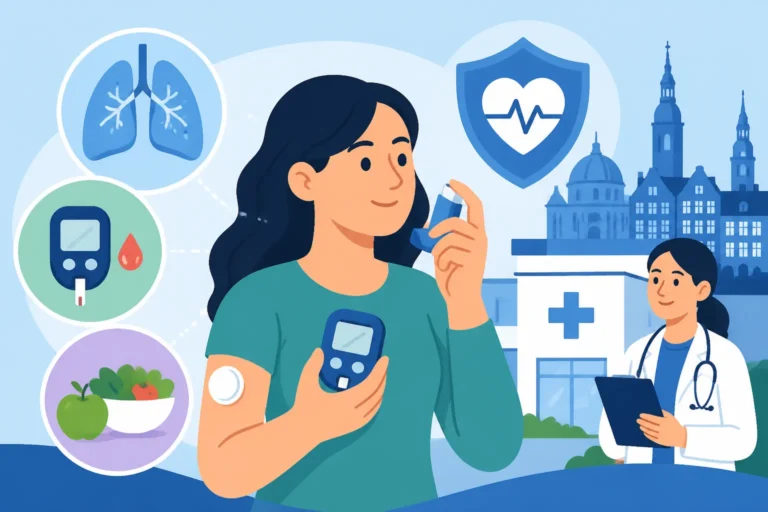
Using a professional ensures that nothing is "filtered." Family members may try to "soften" bad news when translating for a relative, which is a disaster in a medical context. A professional interpreter will translate exactly what the doctor says, including the tone and the specific clinical terms. This level of accuracy is vital when you are Managing Chronic Conditions (Diabetes, Asthma) in the Danish System and every detail of your treatment plan matters.
The Three Year Rule and the Interpretation Fee
One of the biggest shocks for long-term expats is the "Tolkegebyr" or interpretation fee. When you first arrive, the state covers the cost of your interpreter. However, there is a very specific clock ticking from the moment you register your address in the CPR system. Understanding this timeline is crucial to avoid a bill that can range from 190 DKK to over 1,500 DKK depending on the length and type of the medical consultation.
Understanding the 3-Year Deadline
If you have lived in Denmark for more than three years, the law assumes you have had enough time to learn sufficient Danish to navigate a medical visit. After this 3-year "grace period," you are legally required to pay a co-payment for interpretation services. This rule was implemented to encourage integration, but as many of us know, learning Danish while working a high-pressure English-speaking job is easier said than done.
The clock doesn't stop if you leave for a few months and come back; it is based on your total residency duration. If you are worried about your upcoming surgery and realize you've been here for three years and two months, you will likely see a bill added to your treatment. For those still in their first 90 days, it is worth looking into Expat Health Insurance: Coverage Before You Get Your CPR Number to see how language support is handled before the public system fully takes over.
Current Fee Rates for 2026
The fees are adjusted annually and are split into two categories: outpatient/GP visits and hospital admissions. For a standard consultation at your GP or a specialist, the fee is approximately 191 DKK. However, if you are hospitalized, the fee jumps significantly to around 1,512 DKK because the interpreter may need to be on-call or present for multiple rounds with different doctors.
It is important to note that these fees are per "event." If you have a follow-up appointment a week later, you pay the fee again. This is why many expats eventually decide to invest in Private Health Insurance (Sygeforsikring "danmark"): Is It Worth It? or similar supplemental plans, though it's important to check if they cover these specific administrative fees. Most private plans like Cigna Global focus more on the treatment itself, but they often provide access to a network of doctors who already speak fluent English, effectively bypassing the need for a separate interpreter.
Exemptions: When the Fee is Waived
Thankfully, the Danish state isn't completely heartless. There are several clear exemptions where you do not have to pay the interpretation fee, even if you have lived in the country for a decade. These exemptions are designed to protect the most vulnerable and ensure that "medical necessity" always trumps "administrative rules."
Physical and Mental Health Exceptions
The fee is waived if the patient's inability to speak or understand Danish is due to a reduced physical or mental functional capacity. This includes patients with dementia, severe mental illness, or those who have suffered a stroke that affects their language centers. If you are in the process of Neurodiversity Support: ADHD and Autism Diagnosis for Adults, and your condition makes it significantly harder to process a second language under stress, your doctor can make a clinical note to waive the fee.
The key here is that the doctor must be the one to sign off on the exemption. It isn't an automatic flag in the system. You need to have an honest conversation with your GP about why you cannot reasonably be expected to use Danish in a medical setting. If your doctor agrees, they will code the interpretation request in a way that bypasses the billing department.
Children and Parental Rights
Interpretation is always free for children under the age of 18. Furthermore, if you are a parent who has been in Denmark for more than three years, but your child requires medical attention, you do not have to pay for an interpreter to understand your child's treatment. This is vital for Family Health in Denmark: Pregnancy, Maternity, and Pediatric Care, as the state prioritizes the child's safety and the parents' ability to provide proper care at home.
Many parents panic about this, thinking their residency status will affect their child's care. Rest assured, if you are sitting in a pediatric ward, the system wants you to understand every word about your child's health, and they will provide a "tolk" at no cost to you. This also applies during the various Vaccinations in Denmark: The Childhood Immunisation Programme visits where informed consent from the parent is required.
How to Book an Interpreter for Your Appointment
The logistics of getting an interpreter are surprisingly digital, but they require you to be proactive. You cannot simply show up to the hospital and expect someone to be standing there waiting for you. The "system" needs lead time to book a qualified professional through one of the regional interpretation agencies.
Booking Through Your GP or Specialist
When you call your doctor to book an appointment—perhaps using the MinLæge App Guide—you should mention immediately that you need an interpreter. The receptionist will then book the interpreter through the regional portal. You will need to specify which language you require. While English is the most common request, the system supports dozens of languages, from Arabic to Vietnamese.
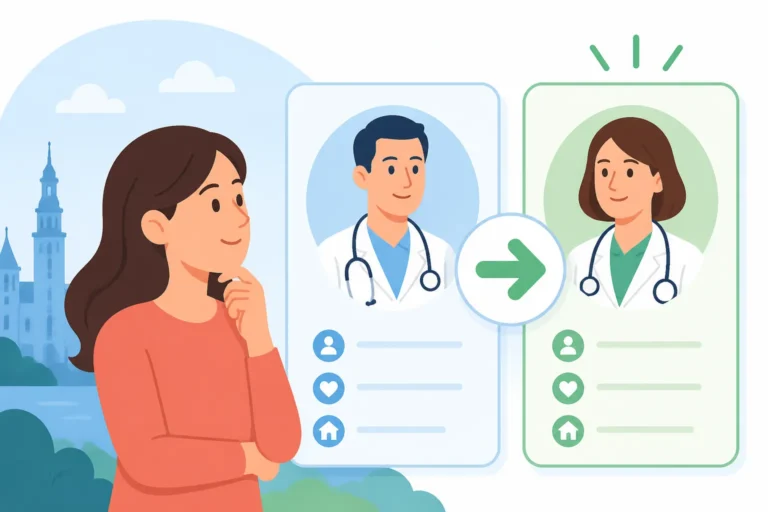
The interpreter will be booked for a specific time slot. If you are late for your appointment, the interpreter might have to leave for their next booking, and you might still be charged the fee (if applicable). It is also worth noting that some GPs will try to "make do" with English if they are confident in their own skills, but if you feel you need a professional, you have the right to insist on one. If you find your doctor is resistant, you might consider How to Choose and Change Your General Practitioner (GP) in Denmark to find someone more accommodating.
Video vs. Physical Interpretation
In recent years, the Danish regions have moved heavily toward video interpretation (videotolkning). This is more efficient and allows for shorter wait times. During your appointment, the doctor will turn on a screen or a tablet, and a professional interpreter will appear via a secure link. It feels a bit like a Zoom call, but it is highly encrypted for privacy.
Physical interpretation, where the person actually comes to the room, is increasingly reserved for "complex" cases. This might include delivering a terminal diagnosis, psychiatric evaluations, or long surgical consultations. If you have a strong preference—for example, if you have a hearing impairment and need to see the interpreter's lips clearly—you should state this when the booking is made. In Hospital Admissions in Denmark: What to Expect, video interpretation is the standard for daily rounds, while physical interpreters are often brought in for the initial intake or major consultations.
Comparing Your Interpretation Options
| Scenario | Interpretation Type | Cost (After 3 Years) | Recommendation |
|---|---|---|---|
| Routine GP Checkup | Video Interpreter | ~191 DKK | Use the official system to ensure accurate records. |
| Emergency Room (ER) | Phone or Video | Free (Emergency) | Focus on speed; the hospital will handle the link. |
| Long-term Hospital Stay | Physical or Video | ~1,512 DKK | Discuss exemptions with your lead doctor immediately. |
| Private Specialist | Private/Bilingual Staff | Varies | Use Cigna Global or SafetyWing to find English-speaking clinics. |
| Pregnancy/Birth | Physical/Video | Free (for Child/Moms) | Book well in advance via your midwife (jordemoder). |
Navigating Language Barriers Without an Official Interpreter
Sometimes the system fails, or you find yourself in a situation where an official interpreter isn't available immediately. While the legal right exists, the practical reality of a busy Danish hospital on a Friday night can be different. In these moments, you need a "Plan B."
Bringing a Friend or Family Member
While the system discourages using relatives for "official" translation due to privacy and accuracy concerns, they can be a great emotional support. However, be careful. If you rely on a friend, the doctor may assume you are "fine" and not book an official interpreter for the next, more critical appointment. It helps to have a friend there for comfort, but it is still wise to request the "tolk" for the actual medical data.
There is also a cultural nuance here. Danes value "autonomy" and "privacy" highly. If you bring a spouse into a consultation for something like Women’s Health: Routine Screenings, Gynecology, and Contraception, the doctor might actually ask if you are comfortable with them being there. They want to ensure you are speaking for yourself. If you are looking for specific specialists who already speak English, you can check Finding an English-Speaking Gynecologist in Aarhus or Odense for more direct options.
Digital Tools and Translation Apps
Google Translate and similar apps have become remarkably good, but they are not medical grade. They often struggle with Danish medical shorthand or specific pharmaceutical names. There are cases where "lightheaded" was translated into something that suggested a much more serious neurological issue. Use apps for "low-stakes" communication—like asking for a glass of water or where the restroom is—but do not rely on them for discussing surgical risks.
If you are stuck, a better digital tool is the Medicinkortet App: Managing Your Prescriptions Digitally. Because the app shows the names of your medications and dosages in a standardized format, you can show your screen to a doctor to ensure there is no confusion about what you are currently taking. This "visual" communication is often more effective than a poorly translated sentence.
What to Do if Your Request for an Interpreter is Denied
It is rare, but sometimes a healthcare provider might refuse to book an interpreter, claiming your Danish is "good enough" or that "everyone speaks English anyway." If you feel this is compromising your safety, you have several avenues for recourse.
The Right to Complain
If you believe your right to information and communication has been violated, you can file a formal complaint. The first step is usually to speak with the "Patientkontor" (Patient Office) in your specific region (Region Hovedstaden, Region Midtjylland, etc.). They have patient advisors (patientvejledere) whose entire job is to help you navigate these conflicts. They are neutral and can often resolve the issue with a single phone call to the clinic.
If the situation is more serious—for example, if a lack of an interpreter led to a medical error—you should look into the formal process for How to Report Medical Malpractice in the Danish Healthcare System. This is a more involved legal process, and having a paper trail of your request for an interpreter is vital. Always send a follow-up email after a verbal request for an interpreter so you have a time-stamped record.
Seeking English-Speaking Alternatives
If the public system is proving too difficult to navigate language-wise, many expats use their private insurance to access the private hospital sector. Companies like Cigna Global and SafetyWing often have international desks that can help you find clinics where the staff are not just "proficient" in English but are accustomed to treating international patients.
While the "Yellow Card" system is fantastic, the private sector often offers a more "concierge" experience when it comes to language. If you are struggling with complex issues, you might find that Does Denmark Have Private Hospitals? Costs and Access provides a more stress-free path. Even within the public system, some hospitals are more "international" than others. For example, Finding Medical Care in Denmark: GPs, Specialists, and Referrals in Copenhagen will generally be more accustomed to non-Danish speakers than a small clinic in rural Jutland.
Practical Tips for Your Next Appointment
To ensure everything goes smoothly, follow this veteran expat checklist:
- Request Early: Ask for a "Tolk" the moment the appointment is booked. Don't wait for the day of.
- State Your Language: Be specific. If you prefer British English over American English (or vice-versa), or if you need a specific dialect, say so.
- Confirm the Fee: If you have been here over 3 years, ask the receptionist: "Will I be charged the Tolkegebyr for this?"
- Prepare a Summary: Write down your symptoms and questions in English. Even if the interpreter is there, having a written list ensures nothing is forgotten in the heat of the moment.
- Use the Apps: Have Sundhed.dk and MitID: Navigating Denmark’s Digital Health Portals ready on your phone to show the doctor your history if the interpreter is struggling with a specific past diagnosis.
Moving to a new country and navigating its healthcare is daunting enough without a language barrier. By knowing your rights and the "3-year clock," you can ensure that your health is never "lost in translation." Whether you are Using the Blue EHIC Card in Denmark as a new arrival or a long-term resident, being your own advocate is the best medicine.
Disclaimer
This guide is for informational purposes only and does not constitute legal or medical advice. Regulations regarding interpretation fees and patient rights in Denmark are subject to change by the Ministry of Health and the regional authorities. Always verify current fees and rules with your local GP, the regional Patient Office (Patientkontoret), or via the official government portal at Borger.dk. The author and publisher are not responsible for any actions taken based on the information provided in this article.