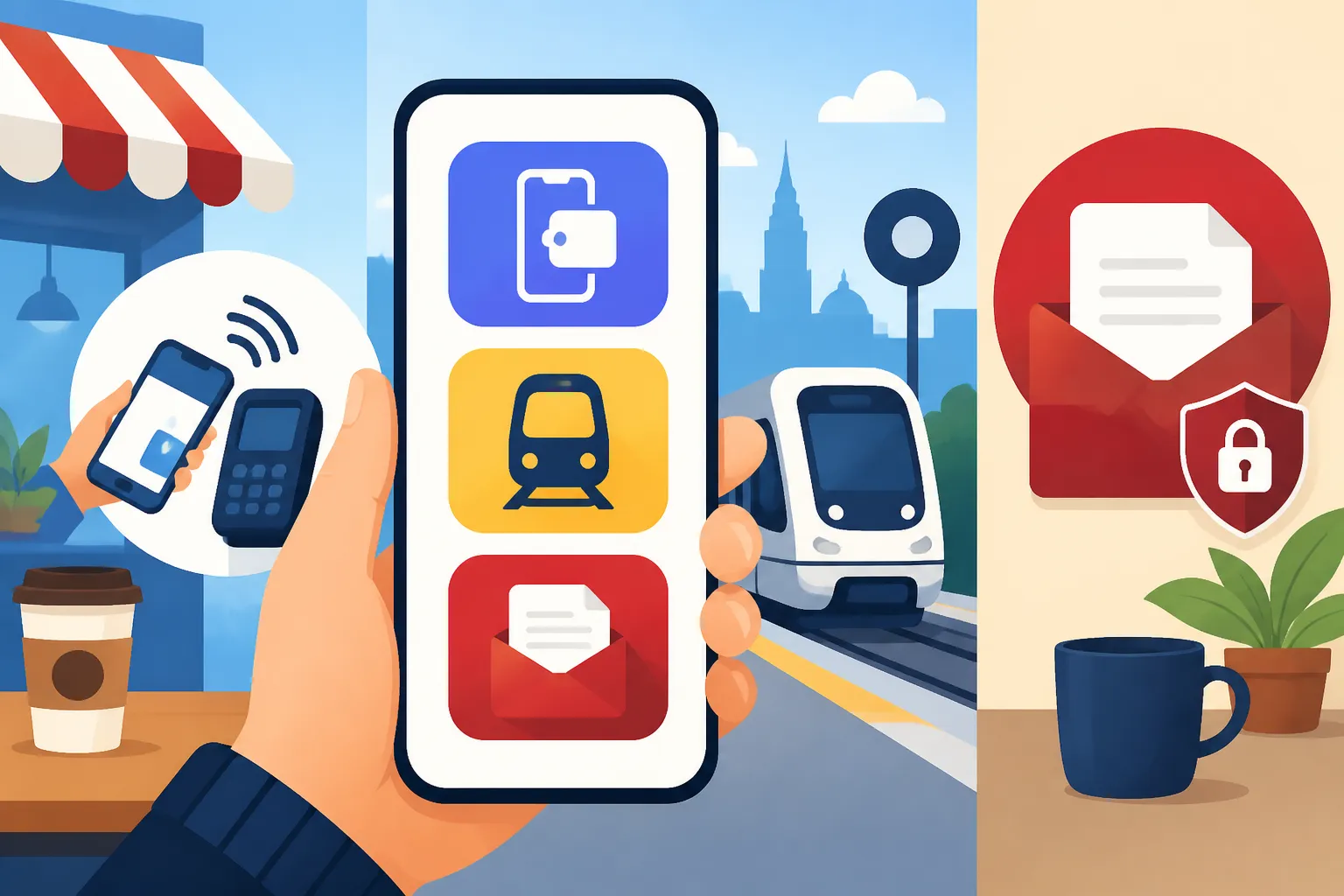
Best Apps for Daily Life in Denmark: MobilePay, Rejseplanen, and e-Boks
Ah, Denmark! A land of sleek design, seamless efficiency, and… a digital landscape that can feel like trying to navigate a fjord blindfolded when you first arrive. You’ve probably heard whispers of how incredibly digitized everything is here, and trust me, those whispers are true. From paying for your coffee to dealing with the tax authorities, nearly every facet of Danish daily life is funneled through an app or an online portal. It can be overwhelming, to say the least, trying to figure out which apps are essential and how to even get them set up. This guide is here to cut through the confusion, walking you through the absolute must-have apps that will transform your expat experience from frustrating to fantastically functional.
The Administrative Essentials: Your Digital Gateway to Danish Life
When you first land in Denmark, it often feels like you're caught in a digital chicken-and-egg situation. You need a CPR number to get a bank account, a bank account to get MitID, and MitID to access practically everything else. But once you're through that initial bureaucratic hurdle, these apps become your absolute lifelines. They're not just convenient; they're indispensable. Without them, you're essentially locked out of modern Danish society.
MobilePay: Your Wallet in Your Pocket
Let's start with the king of convenience: MobilePay. Forget cash, forget fumbling for your bank card. In Denmark, MobilePay is the way to pay. Seriously, I've seen people pay for a single teabag at a market stall using MobilePay. It's truly pervasive, and if you don't have it, you'll feel like you're stuck in the Stone Age.
This brilliant little app, developed by Danske Bank, is essentially a peer-to-peer payment system and a digital wallet rolled into one. Once you've got your Danish bank account and a NemKonto set up – which, by the way, is crucial for everything from receiving your salary to getting any kind of public benefit – you can easily link it to MobilePay. The setup process is straightforward, requiring your CPR number and MitID to verify your identity. If you're struggling to get your bank account sorted, remember that setting up your NemKonto is a vital step in this whole digital ecosystem. You can learn more about Setting Up Your NemKonto: How to Link It to Receive Salary and SU.
You’ll use MobilePay for everything: splitting restaurant bills with friends, paying for groceries, buying second-hand items on local marketplaces, even paying some bills or parking tickets. Many smaller shops and market stalls don't even accept cash anymore, only MobilePay or card. It’s so ingrained that often, instead of asking for your card, people will just say "MobilePay?" It’s definitely a cultural norm you’ll quickly adopt. It’s worth noting that while you can sometimes use MobilePay with a foreign card, having a Danish bank account linked to it opens up all its functionalities and makes it truly seamless. For a deeper dive into this, check out MobilePay and Cashless Denmark: Surviving Without Physical Cash.
MitID: Unlocking Everything Digital
If MobilePay is the key to your financial transactions, then MitID is the master key to almost your entire digital existence in Denmark. This is Denmark's official digital ID system, replacing the old NemID, and it's absolutely non-negotiable for anyone living here. You’ll need MitID to log into your online banking, access your digital post (e-Boks), communicate with government agencies like SKAT (the tax authority), access your health records on Sundhed.dk, and even apply for housing.
Getting MitID is often one of the first major hurdles for new expats. Typically, you'll get it through your Danish bank once your CPR number and bank account are established. They’ll help you set up the MitID app on your phone and link it to your passport. There are also options to get it at a Citizen Service Centre (Borgerservice) if your bank can't assist, but you’ll need a valid passport and potentially other documents. The frustrations can be real, especially if you get locked out or switch phones. Believe me, dealing with MitID issues is a rite of passage for every expat. The app itself is incredibly secure, requiring either a fingerprint, face scan, or a personal code to authorize logins. Just remember to keep your MitID app updated and back up your login details safely. For comprehensive guidance on this vital tool, see NemKonto and MitID: The Core of Danish Digital Finance (2027) and Using MitID for Banking: Security, Device Registration, and App Setup.
E-Boks and Mit.dk: Your Official Mailbox
In Denmark, physical mail from official sources is largely a thing of the past. Instead, all your official communication from government agencies, municipalities, banks, pension funds, and even some utility companies will arrive in your digital mailbox. There are two primary platforms for this: E-Boks and Mit.dk. Both are equally important, as different institutions use different platforms, so it's wise to set up both.
E-Boks has been around for a while and is used by a vast majority of public and private entities. Mit.dk is a newer platform designed to consolidate more digital communication, including some health-related messages. Once you have MitID, setting up these accounts is usually seamless; you simply log in with your MitID, and your digital mailbox is activated. The critical thing here is to check these regularly. Missing a letter from SKAT about your tax assessment, or a notice from Udbetaling Danmark (the public benefits agency), could lead to significant problems, from fines to missed benefits. I’ve known expats who learned this the hard way! These platforms are where you'll receive important documents like your annual tax assessment, reminders about school enrollment, or updates on your pension. Getting familiar with E-Boks vs. Mit.dk: Receiving Official Financial Mail from the State will save you a lot of headaches down the line.
Getting Around: Navigating Denmark's Efficient Transport Systems
One of the true joys of living in Denmark is the incredibly efficient public transport and, of course, the unparalleled cycling culture. But even these streamlined systems require the right digital tools to navigate them effectively. Don't worry, you won't be left stranded!
Rejseplanen: Your Public Transport Navigator
If you’re relying on public transport – and let's be honest, almost everyone does here, even if they own a car – then Rejseplanen is your best friend. This app is an absolute must-have for anyone commuting, traveling, or just exploring Denmark. It provides real-time information and planning for all public transport options: trains (DSB), S-trains, Metro, buses, and even some local ferries across the entire country.
You can input your starting point and destination, and the app will give you the fastest and most convenient routes, including transfers, travel times, and platform numbers. It even shows potential delays and disruptions, which, while rare, do happen. It's incredibly accurate and saves you from constantly trying to decipher different timetables. Whether you’re a tourist for a week or a seasoned resident, this app is indispensable. For those digging deeper into how the public transport system works, Public Transport in Denmark: Rejsekort, Trains, and Commuting is a fantastic resource. While Rejsekort (the physical travel card) is essential for consistent travel, Rejseplanen helps you strategize your movements.
Public Transport Operator Apps: DOT, DSB, and Movia
While Rejseplanen is excellent for planning, sometimes you need to buy a specific ticket or check information related to a single operator. This is where the individual public transport apps come in handy:
- DSB app: For national train travel. You can buy tickets, reserve seats, and check departure boards specifically for DSB trains. This is particularly useful for longer journeys between cities, where you might want to purchase an Orange billet for cheaper fares well in advance.
- DOT Mobilbilletter app: DOT (Din Offentlige Transport) covers public transport in Greater Copenhagen and Zealand (buses, Metro, S-trains). With this app, you can easily buy single tickets, 24/72-hour passes, or even a Klippekort (clip card, though less common now). It's great for spontaneous trips when you haven't topped up your Rejsekort.
- Movia app: If you live outside the immediate Copenhagen area, for instance in some parts of Zealand, Movia is the regional bus operator. Their app allows you to buy tickets for their specific routes.
While these might seem redundant if you have Rejseplanen, they serve different, specific purposes, especially for ticket purchasing. For a truly smooth experience, you’ll likely use Rejseplanen for planning and then one of these operator apps to actually buy your ticket on the go.
Cycling Apps: From Directions to Repairs
Denmark is a cyclist's paradise, and embracing the bike is a quintessential part of expat life here. But even on two wheels, apps can enhance your experience significantly.
- Google Maps / Apple Maps: While not exclusively cycling apps, these are excellent for cycling directions in Denmark. They often suggest dedicated bike paths and safer routes, which is crucial when navigating unfamiliar cities. Given Denmark's incredible cycling infrastructure, these maps usually get it right.
- Bike repair apps / Local bike shop apps: While there isn't one universal app for this, many local bike shops have their own apps or robust online presences for booking repairs, checking stock, or offering advice. If you're a keen cyclist, identifying your local repair shop and checking if they have an app or a good mobile-friendly website is a smart move. When you're considering jumping into the cycling culture, remember that Danish Cycling Culture: Rules, Buying a Bike, and Safety outlines everything you need to know to stay safe and legal on your bike.
- Donkey Republic / Swapfiets: These aren't just apps but integrated services. Donkey Republic is a popular bike-sharing service, especially useful for short-term needs or tourists. You use the app to locate, unlock, and pay for bikes. Swapfiets, on the other hand, is a subscription service for bikes – you pay a monthly fee, and they provide you with a bike and handle all maintenance and repairs. The app helps you manage your subscription and contact support. If you're weighing your options, comparing Using Swapfiets vs. Buying a Used Bike on DBA can give you perspective on cost and convenience.
Daily Conveniences and Local Living: Making Denmark Home
Beyond the administrative and transport essentials, there are a host of other apps that will make your daily life smoother, help you save money, and truly integrate you into the Danish way of living.
Banking Apps: Managing Your Money
Once you’ve wrestled with getting your Danish bank account open – a process that can sometimes feel like pulling teeth due to strict regulations, but is absolutely worth it – you'll quickly become reliant on your bank's mobile app. Whether you choose a traditional bank like Danske Bank, Nordea, or Jyske Bank, or a digital challenger like Lunar, their apps are generally excellent and user-friendly.
These apps allow you to:
- Check your balance and transaction history in real-time.
- Transfer money between accounts (both your own and to others).
- Set up recurring payments (Betalingsservice) for rent and utilities. This is a game-changer for automating your monthly expenses.
- Manage your debit and credit cards, including blocking them if lost or stolen.
- Access e-statements and other important financial documents.
The convenience of managing your finances from your phone means fewer trips to the physical bank (which are already pretty scarce here!). Make sure to familiarize yourself with the features of your chosen bank's app, as it will be another core tool in your digital life.
Food Delivery and Grocery Shopping Apps
Denmark has embraced the convenience of food delivery, especially in larger cities. When you're tired after a long day or just want to treat yourself, these apps are lifesavers:
- Wolt: Arguably the most popular food delivery service, Wolt offers a vast selection of restaurants and even some grocery and convenience stores. Their app is slick, and delivery is generally fast and reliable.
- Just Eat: Another major player, Just Eat also has a wide range of restaurant options. It's often worth checking both Wolt and Just Eat for restaurant availability and any special offers.
- Too Good To Go: This app is brilliant and aligns perfectly with Danish values of sustainability. It connects you with restaurants, bakeries, and supermarkets selling surplus food at a discounted price at the end of the day. It’s a fantastic way to get affordable meals or groceries and reduce food waste.
- Nemlig.com: This is Denmark's largest online grocery store. You can do your entire weekly shop from their app or website and have it delivered directly to your door. It's incredibly convenient, especially if you struggle with navigating Danish supermarkets or finding specific items. Given the breakdown of Supermarkets in Denmark: Netto, Rema 1000, and Føtex Compared, you might find Nemlig.com simplifies your shopping experience by bringing a wide variety right to you.
Second-Hand & Local Marketplaces (DBA, Facebook Marketplace)
One of the best ways to save money in Denmark and truly embrace the Danish "genbrug" (reuse) culture is by buying second-hand. There are two platforms that dominate this space:
- DBA (Den Blå Avis): This is the Danish equivalent of Craigslist or Gumtree, but much more mainstream and reliable. You can find everything here, from furniture and electronics to cars and clothes. The DBA app is well-designed and allows you to browse, post items for sale, and communicate with buyers/sellers. It’s a great resource, especially when you're setting up your first apartment. Remember that Renting in Denmark: Complete Guide for Expats (2027) will offer insights into whether your rental comes furnished, and DBA can help fill in the gaps for unfurnished spots.
- Facebook Marketplace: Almost as popular as DBA, Facebook Marketplace is another excellent resource for second-hand items. It's particularly strong for local community groups, where people often give things away for free or sell at very low prices. Joining expat and local buy/sell groups on Facebook can also be incredibly useful.
Communication Apps: Staying Connected
While not uniquely Danish, having the right communication apps is crucial for staying connected, especially when you first arrive.
- WhatsApp: This is the most widely used messaging app in Denmark for personal communication. Group chats for workplaces, schools, or social circles almost exclusively happen on WhatsApp.
- Telco Apps: Once you get a Danish SIM card, downloading your chosen provider's app (e.g., Telenor, TDC, YouSee, Telia) will allow you to manage your subscription, check data usage, and top up credit easily.
- Airalo: For those precious first few days or weeks before you get a Danish SIM and set up your permanent life, an eSIM app like Airalo can be a lifesaver. You can buy a data plan for Denmark (or other countries) online, install it instantly on your compatible phone, and have internet access the moment you land. This means you can use Google Maps, look up transport, and stay in touch without hunting for a physical SIM card or relying on patchy Wi-Fi. It's fantastic for bridging that initial connectivity gap.
Specialized and Niche Apps for Expat Life
Beyond the daily essentials, a few specialized apps cater to specific needs, making certain aspects of Danish life much more manageable for expats.
Health Apps: Sundhed.dk and MinLæge
Navigating the Danish healthcare system can be a steep learning curve, but these apps are designed to put your health information at your fingertips.
- Sundhed.dk: This is the official public health portal, and while it's primarily a website, its mobile interface is robust. Logging in with MitID allows you to access your personal health records, view test results, see your prescription history (Medicinkortet), and find information about specialists and treatments. It’s incredibly powerful and provides a level of transparency that many expats appreciate once they understand how to use it. Knowing your way around Sundhed.dk is crucial, so definitely explore Sundhed.dk and MitID: Navigating Denmark’s Digital Health Portals for detailed steps.
- MinLæge (My Doctor) app: This app is designed for direct communication with your General Practitioner (GP). You can use it to:
- Book and change appointments.
- Renew prescriptions digitally. For more on this, check out How to Renew a Prescription Digitally via the MinLæge App.
- Send non-urgent messages to your doctor (e.g., asking for advice on minor symptoms or follow-ups).
- Receive messages from your GP.
This app streamlines interactions with your doctor, saving you phone calls and sometimes even a trip to the clinic. It requires your CPR number and MitID to link to your assigned GP. You’ll be assigned a GP after you receive your yellow health card, so Understanding CPR Registration and Your Healthcare Entitlement is the very first step.
Parking and Car-Sharing Apps
If you drive in Denmark, parking apps are indispensable, particularly in urban areas. While car ownership is expensive due to high taxes, car-sharing services offer a flexible alternative.
- EasyPark / ParkMan: These are the two most common parking apps. You input your car's license plate number and your payment details, and then you can start and stop parking sessions directly from your phone. This means you only pay for the exact time you're parked, avoiding overpaying or rushing back to a meter. They operate in most Danish cities and are incredibly convenient.
- GreenMobility / ShareNow: These are popular car-sharing services available in larger cities like Copenhagen. You use their apps to locate available cars, unlock them, and pay by the minute or hour. It's a fantastic option for those who need a car occasionally but don't want the expense and hassle of ownership.
News and Language Learning Apps
Integrating into Danish society often means understanding what's happening locally and, ideally, learning a bit of Danish.
- DR Lyd / TV 2 Play: These are the apps for Denmark's national public broadcasters. DR Lyd offers radio, podcasts, and audiobooks, while TV 2 Play provides on-demand TV shows and live channels. These are excellent for immersing yourself in Danish culture, listening to news, and picking up the language. Many shows have subtitles, which is a great learning aid.
- Duolingo / Memrise: While not Danish apps, these popular language-learning platforms are excellent for expats trying to grasp the notoriously tricky Danish language. Consistent practice, even for 10-15 minutes a day, makes a huge difference.
Essential Apps for Expats in Denmark
To summarize, here's a quick overview of the apps that will become your constant companions in Denmark:
| App Name | Primary Function | Key Benefit for Expats | Requires MitID/CPR? |
|---|---|---|---|
| MobilePay | Digital payments, peer-to-peer transfers | Virtually cashless transactions everywhere, bill splitting. | Yes (for full use) |
| MitID | Official digital ID for secure logins | Access to banking, government services, health records. | Yes |
| E-Boks / Mit.dk | Digital post from public and private sectors | Essential for official communication, tax, health, benefits. | Yes |
| Rejseplanen | Public transport planning & real-time info | Efficient travel planning across all modes of transport. | No |
| Your Bank's App | Online banking, transfers, bill payments | Comprehensive financial management on the go. | Yes |
| MinLæge | GP communication, appointments, prescriptions | Direct, convenient interaction with your doctor. | Yes |
| Wolt / Just Eat | Food delivery from restaurants | Wide range of takeaway options delivered to your door. | No |
| Nemlig.com | Online grocery shopping and delivery | Convenient home delivery for all your groceries. | No |
| DBA | Second-hand marketplace | Affordable furniture, electronics, and more; eco-friendly. | No |
| Airalo | eSIM for mobile data (pre-arrival/short-term) | Instant internet access upon arrival, avoids physical SIM hassle. | No |
Final Thoughts on Navigating the Digital Danish Landscape
Embracing these apps isn't just about convenience; it's about empowerment. The more comfortable you become with Denmark's digital tools, the smoother your integration will be. Yes, the initial setup can be frustrating – you’re not alone in feeling like you're constantly jumping through hoops – but once you've linked your CPR, NemKonto, and MitID, a whole new world of efficiency opens up.
Keep your phone charged, ensure you have stable internet (perhaps with a data plan from a provider like Airalo when you first arrive!), and get used to using these apps constantly. They are truly the backbone of daily life in Denmark, and mastering them is a crucial step in making this beautiful, digitized country feel like home.
Disclaimer
The information provided in this guide is intended for general informational purposes only and does not constitute legal, financial, or medical advice. While every effort has been made to ensure accuracy, regulations and services in Denmark can change. Always consult official government sources, your bank, or relevant service providers for the most current and specific information pertaining to your individual situation.