Moving Truck Rentals: Should You Hire Movers or Do It Yourself?
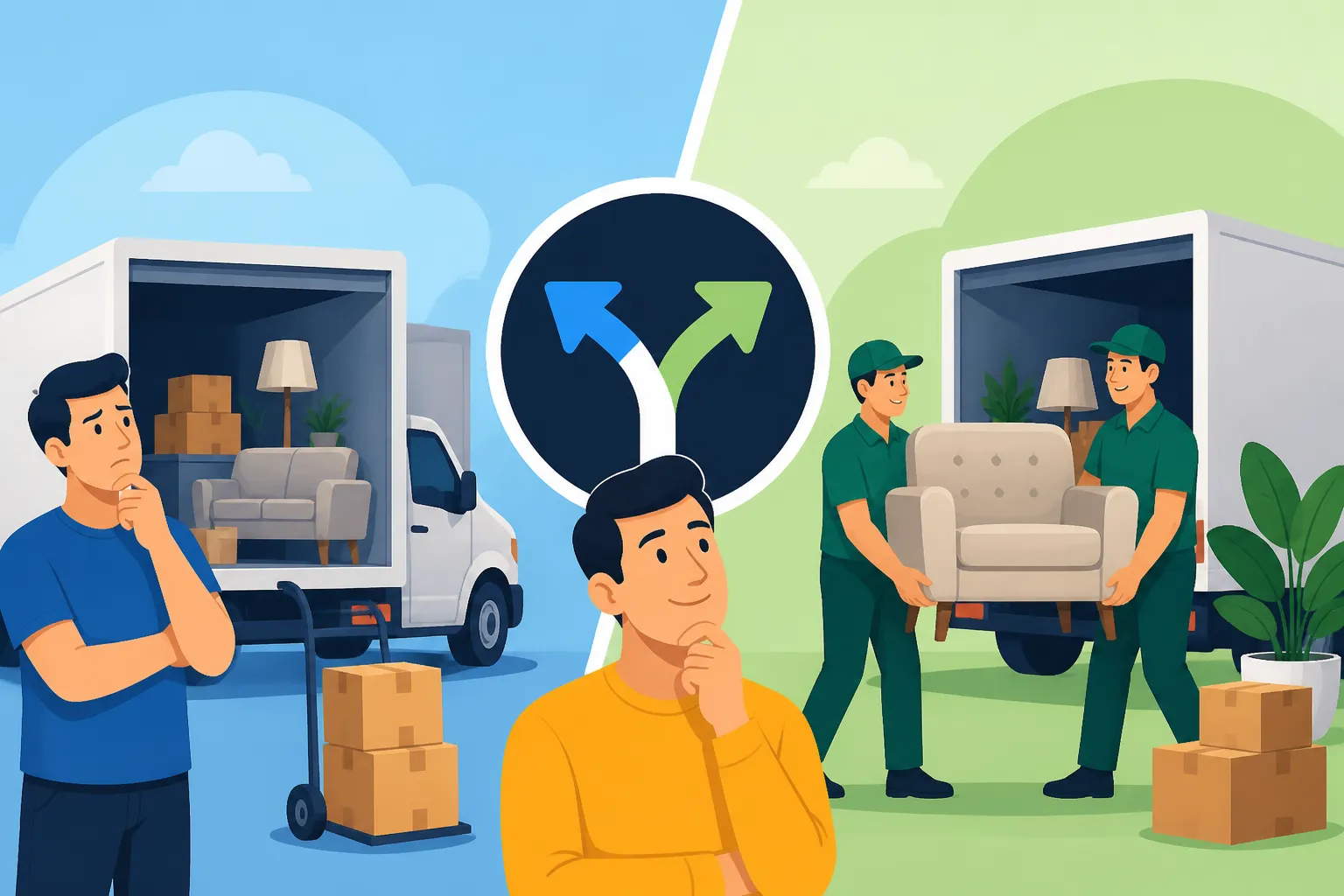
Moving in Denmark is often cited as one of the most stressful experiences you can undertake as an expat, right up there with deciphering your first tax return or understanding the intricacies of the A-kasse. The logistics can be a nightmare, especially when you're grappling with a new language, unfamiliar procedures, and perhaps a smaller social network than you had back home. This guide will walk you through the nitty-gritty of moving truck rentals versus hiring professional movers, helping you decide which path makes the most sense for your sanity and your wallet here in Denmark.
The Unique Challenges of Moving in Denmark
Let's be honest, moving is rarely fun, no matter where you are. But moving to or within Denmark, especially as a foreigner, presents its own special set of hurdles. You might be used to large houses, wide doorways, and easily accessible loading zones, but Denmark often throws smaller apartments, narrow stairwells, and strict parking rules your way. It’s not just about packing boxes; it’s about navigating a system that might feel entirely alien.
The "Hygge" of Moving: Why it's Not Always Cozy
Ah, hygge. The Danish concept of coziness and well-being. While Danes are masters of creating hygge in their homes, the process of getting those cozy furnishings into a new home can be anything but hyggeligt. You'll find yourself dealing with situations like apartments that don't have lifts, even on the fourth or fifth floor, or buildings with incredibly tight turns in their stairwells, making moving larger furniture a true test of strength and spatial awareness.
Then there’s the expectation, or rather, the lack thereof, regarding help. In some cultures, moving is a community event, with friends and family readily volunteering their time and muscle. In Denmark, while your close friends might offer a hand, it's not always the ingrained tradition you might expect. People are busy, and asking for a full day of heavy lifting is a significant ask, often accompanied by the expectation of ample pizza, beer, and perhaps a small gift afterward. You can't just assume a small army will appear to help you hoist your sofa up five flights of stairs.
Navigating Logistics with Limited Space and Help
One of the biggest eye-openers for many expats is the sheer amount of planning required. Before you even think about moving, you've likely spent weeks finding your new abode. If you're coming from abroad, you might be looking for temporary solutions on platforms like Spotahome while you secure a long-term lease. Once you have that new address, the clock starts ticking. Not only do you have to manage packing, but you also need to coordinate utilities, change your official address, and prepare for those crucial Move-In Inspection (Indflytningssyn): Documenting Property Flaws and Move-Out Inspection (Fraflytningssyn): Getting Your Deposit Back.
Parking a large moving van in a Danish city can be a real headache. Many streets have limited parking, or it's permit-only, which means you might have to park a fair distance from your building, adding extra time and effort to your move. Furthermore, if you're moving from a temporary space or haven't quite sorted out your local phone plan, staying connected with anyone helping you, or with the rental company, can be tricky. This is where services like Airalo, providing an eSIM, can be an absolute lifesaver, ensuring you have data and communication capabilities without fussing over local SIM cards. It’s all these small, cumulative logistical challenges that make moving in Denmark a distinctly Danish experience.
The DIY Route: Renting a Moving Van and Recruiting Friends
Alright, so you've decided to tackle this beast yourself. I get it. The idea of saving some money and having complete control over your belongings is appealing. But let's talk about what that actually entails here in Denmark. It's totally doable, but it requires a solid plan, a good understanding of the local rules, and a whole lot of elbow grease.
Finding Your Transport: Rental Companies and Vehicle Options
First things first: you'll need a van. There are several reputable companies in Denmark where you can rent moving vans. Major players include:
- One2move: A popular choice with locations across Denmark. They often have a good selection of vans, from smaller models suitable for a student apartment to larger ones for a small family home. Their booking process is usually straightforward online.
- Europcar, Hertz, Sixt, Avis: These international rental giants also operate in Denmark and offer commercial vans. They might be a bit pricier than local options, but they often have good customer service and a wide network of pick-up/drop-off points.
- Smaller local providers: In larger cities, you might find smaller, independent rental companies. These can sometimes offer better rates, but always check their reviews and terms carefully.
When choosing a van, think about the size of your belongings. Is it just a few boxes and a sofa, or are you moving an entire household? Overestimate if you can afford it. Trust me, making two trips because your van was too small is far more annoying (and expensive in terms of fuel and time) than having a bit of empty space in a larger van. You'll typically need a standard Category B driving license for most moving vans up to 3,500 kg. For larger vehicles, you might need a different license. Always double-check with the rental company.
Hidden Costs and Practicalities of Self-Moving
Renting a van isn't just the sticker price. You need to factor in several other elements:
- Rental Fee: This is the obvious one, often charged per day or per hour. Weekend rates tend to be higher.
- Mileage: Some companies offer unlimited mileage; others charge per kilometer over a certain limit. If you're moving across regions, this can add up quickly.
- Fuel: You'll pick up the van full and need to return it full. Diesel vans are common, so be sure you know what fuel type it takes. Fuel prices in Denmark are not cheap.
- Insurance: Basic insurance is usually included, but often with a hefty deductible (selvrisiko). Consider extra insurance to reduce this deductible, especially if you're not used to driving larger vehicles in tight city environments. Scratches, bumps, and minor accidents happen, and the last thing you want is a massive bill after a stressful move.
- Parking Fines: City parking regulations are strict. Loading/unloading zones often have time limits, and parking illegally, even for "just a minute," can result in expensive fines. Plan your parking strategy at both your old and new addresses. You might need to research local municipal rules for temporary parking permits if you plan to block a street for an extended period, especially in areas with very limited street parking.
- Moving Equipment: Do you have a furniture dolly? Moving blankets? Straps to secure items? Many rental companies offer these for an extra fee, or you can buy them from hardware stores like Bauhaus or Silvan. Don't underestimate how much these can make your life easier and protect your belongings.
- Cleaning: You'll be expected to return the van clean. Factor in a quick vacuum or sweep, or face potential cleaning fees.
Let's put some numbers to it. A typical van rental for a day might be around DKK 500-800. Add DKK 200-400 for fuel (depending on distance), DKK 100-200 for reduced deductible insurance, and potential costs for equipment. Suddenly, your "cheap" DIY move can easily hit DKK 1,000-1,500 for a day, excluding any friends' pizza and beer.
Assembling Your A-Team: The Friends & Family Factor
This is where the "social contract" comes in. If you're relying on friends, make sure you ask well in advance and be very clear about the commitment involved. Remember what I said about it not being a cultural given for a huge turnout? Danes value their time and commitments, so a firm "yes" means a lot.
- Communicate Clearly: Tell them exactly what time to be there, what kind of work is involved (heavy lifting, light packing), and how long you expect it to take.
- Fuel Them: Provide plenty of food and drink. Pizza, soda, and beer are standard. Coffee and snacks for breaks are also appreciated.
- Be Prepared: Have everything packed and ready to go. Don't expect your friends to help you pack. Have clear instructions on what goes where.
- Small Thanks: A sincere thank you is essential. Some expats offer a small gift card or a bottle of wine as a token of appreciation. It's not mandatory, but it certainly doesn't hurt.
- Safety First: Heavy lifting can lead to injuries. Make sure everyone knows how to lift safely and that you're not overloading anyone.
If you don't have a large network of friends or family in Denmark, this aspect of DIY can be the toughest. You might consider posting in expat Facebook groups, but be prepared that most people might not be keen on free labor from a stranger. This is where the balance starts to tip towards professional help if your personal "A-team" is small or nonexistent.
Hiring Professional Movers: A Premium on Peace of Mind
For many, the thought of doing all that heavy lifting, driving a huge van, and dealing with parking fines is enough to make them reach for their wallet. Hiring professional movers in Denmark definitely costs more upfront, but it often buys you something priceless: peace of mind and significantly less stress.
When Professional Help Makes Sense
So, when is it really worth the investment to hire movers?
- Long-Distance Moves: If you're moving from Copenhagen to Aarhus, or even further, the logistics of driving a large van for several hours, potentially overnight, then unloading, can be exhausting and time-consuming. Movers handle the long haul, leaving you free to focus on settling in.
- Large Homes or Many Belongings: If you have a two-bedroom apartment or more, or simply a lot of furniture and boxes, the sheer volume of work can be overwhelming. Professionals can pack, load, transport, and unload much more efficiently.
- Physical Limitations: If you have back problems, are pregnant, or simply aren't keen on heavy lifting, this is a no-brainer. Your health is more important than saving a few thousand kroner.
- Time Constraints: If you're juggling work, family, and the hundred other things that come with a move, delegating the physical labor can save you valuable time.
- Lack of Local Support Network: If you're a new expat still building your social circle, it might be tough to rustle up enough willing volunteers for a DIY move.
- Valuable or Fragile Items: For pianos, antique furniture, or delicate artwork, professional movers have the expertise and specialized equipment to ensure safe transport.
- Deposit Protection: A big one in Denmark! Landlords are notoriously strict during the Move-Out Inspection (Fraflytningssyn): Getting Your Deposit Back. Professionals can help ensure your old place is left in pristine condition, reducing the risk of deductions from your hefty initial rental costs like deposits and prepaid rent.
Finding Reliable Movers: What to Look For and Ask
Don't just pick the first company you see online. Do your homework.
- Get Multiple Quotes: Contact at least 3-5 different moving companies. This helps you compare prices and services. Provide as much detail as possible: list of items, distance, access at both locations (e.g., stairs, no lift, parking availability).
- Check Reviews and Recommendations: Google reviews, Trustpilot, and expat Facebook groups are excellent resources. Look for companies with consistently good feedback, especially from other expats.
- Insurance and Licensing: Ensure the company is properly insured and licensed. What level of liability do they take for damaged goods? This is critical.
- Services Offered: Do they just move boxes, or can they help with packing, disassembling/reassembling furniture, and even cleaning? Many offer a range of services.
- Fixed Price vs. Hourly: Ask for a fixed price quote if possible. Hourly rates can sometimes lead to unexpected bills if the job takes longer than anticipated.
- English-Speaking Staff: While not essential, it certainly makes communication smoother on moving day.
- Read the Fine Print: Just like your Typeformular A10: Understanding the Standard Danish Lease Agreement, understanding the terms and conditions of your moving contract is crucial. What are their cancellation policies? What happens if there are delays?
Some popular moving companies in Denmark that expats often use include:
- Mover: Known for competitive pricing and a user-friendly online booking system.
- Flyttefirma Danmark: A larger, well-established company with a good reputation for reliability.
- Local smaller firms: Search for "flyttefirma København" (or your city) to find local options. Sometimes these smaller firms can offer more personalized service.
Breaking Down the Bill: What Your Money Covers
A professional moving quote will typically include:
- Labor: The number of movers and the estimated hours.
- Transportation: The truck, fuel, and driving time.
- Basic Insurance: Coverage for damages, usually with a deductible.
- Equipment: Dollies, blankets, straps – all provided by the movers.
- Additional Services: Packing materials, packing services, furniture assembly/disassembly, cleaning, storage solutions. These are usually add-ons.
Expect a local move of a 2-bedroom apartment within a city to cost anywhere from DKK 4,000 to DKK 10,000 or more, depending on the volume of items, access, and additional services. Cross-country moves will naturally be higher. While this might seem like a lot compared to a van rental, remember what you're paying for: professional expertise, efficiency, insurance, and the immeasurable value of not having to lift that ridiculously heavy wardrobe yourself. For a more complete picture of what to budget, check out our guide on the Cost of Living in Denmark 2026: Budgets for Singles and Families.
Making Your Moving Decision: A Comprehensive Comparison
Ultimately, the choice between DIY and hiring professionals comes down to a balancing act of cost, convenience, and your personal circumstances. There's no one-size-fits-all answer, but we can break it down to help you weigh your options. Remember, every move is a big step, especially when you're Changing Your CPR Address via Borger.dk When You Move and adjusting to a new home in Denmark.
Cost vs. Convenience: A Detailed Breakdown
Let's look at the pros and cons in a structured way:
| Feature | DIY Moving (Van Rental) | Professional Movers |
|---|---|---|
| Cost | Lower upfront, but consider fuel, insurance, and potential fines. | Higher upfront, but transparent pricing for services. |
| Physical Effort | High – you and your friends do all the lifting. | Low – movers do the heavy lifting and maneuvering. |
| Time Commitment | High – planning, packing, loading, driving, unloading, cleaning van. | Low – you pack (or they do), then supervise. |
| Stress Level | High – logistics, coordination, potential damages, parking. | Lower – experts handle the complexities. |
| Flexibility | Very high – you control the schedule completely. | Moderate – you work around their schedule. |
| Equipment | You rent/buy dollies, blankets, straps. | Provided by movers (professional-grade). |
| Insurance | Basic rental van insurance (high deductible), no cargo insurance. | Comprehensive cargo and liability insurance usually included. |
| Experience | Relies on your (and friends') moving experience. | Professional movers are experienced and efficient. |
| Damage Risk | Higher risk of damaging belongings or the rental property. | Lower risk due to expertise and proper equipment. |
| Cleanliness | You're responsible for cleaning the van. | Not a concern for you (unless they offer cleaning services for your old place). |
This table clearly illustrates the trade-offs. If your budget is extremely tight, you have minimal belongings (think student dorm room), a strong network of helpful friends, and ample free time, then DIY might be the way to go. However, for most expats with more than a few boxes, the convenience and expertise of professionals often outweigh the higher cost.
Consider your starting point and destination. Are you leaving a perfectly Renting in Denmark: Complete Guide for Expats (2027) apartment, where you need to be meticulous to get your deposit back? Are you moving into a new place that might need some Finding an English-Speaking Handymen: Finding Plumbers and Electricians right away? All these factors play into the equation.
Beyond the Boxes: Mental Load and Timelines
Moving isn't just about moving physical objects; it's a huge mental undertaking. You're changing your environment, possibly your commute, and your routines. The mental load of organizing a DIY move can be immense:
- Calling friends, coordinating schedules.
- Booking the right size van.
- Planning the route and parking.
- Worrying about damaging items or getting a scratch on the rental van.
- The sheer physical exhaustion that can leave you drained for days.
Professional movers reduce this mental load significantly. You can focus on the other essential tasks of setting up your new life in Denmark, like getting your utilities sorted – electricity, water, heating, and internet. For more on that, take a look at our guide on Utilities Setup: Electricity, Water, Heating, and Internet.
Timelines: A DIY move can often stretch over several days if you're not efficient, especially if you can only get help from friends on a specific weekend. Professional movers, however, can often complete a local move in a single day, sometimes even within a few hours. This means less disruption to your life and a quicker transition into your new home.
In conclusion, while the DIY approach might save you some kroner, it demands a significant investment of your time, energy, and a reliance on your social network. Hiring professional movers, though pricier, offers a smoother, less stressful experience with greater accountability for your belongings. For many expats navigating the complexities of Danish life, that peace of mind is truly invaluable. Weigh your personal circumstances carefully, get those quotes, and make the choice that will best serve your sanity during this significant transition.
Disclaimer
Please note that the information provided in this guide is for general informational purposes only and does not constitute legal, financial, or professional advice. Rules and regulations, especially concerning visas, taxation, and housing, can change frequently in Denmark. Always consult official sources, relevant authorities, or qualified professionals for advice tailored to your specific situation. While we strive to provide accurate and up-to-date information, we cannot guarantee its completeness or accuracy at all times.