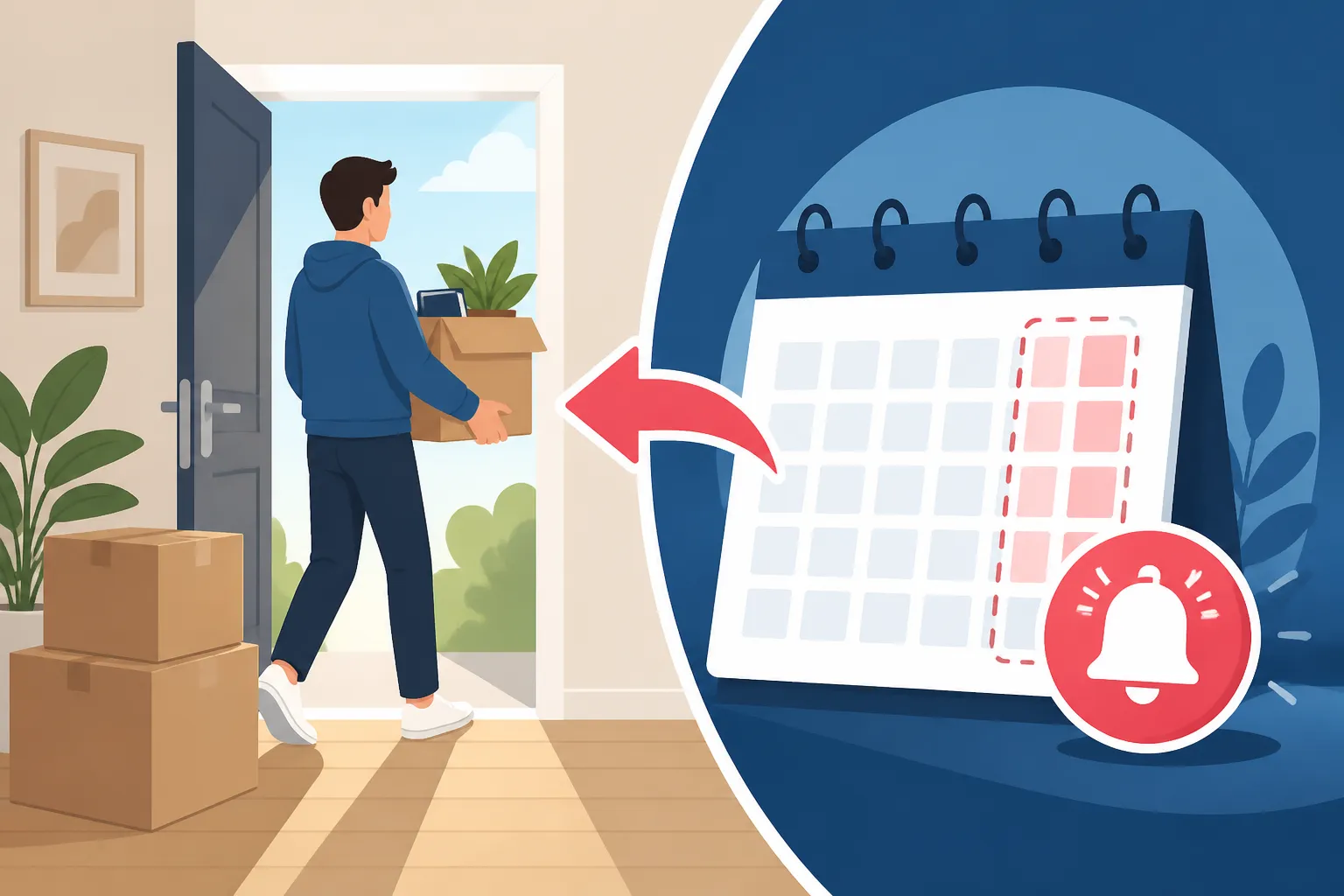
Why You Have to Move Out 14 Days Before Your Lease Actually Ends
So, you’ve finally found that perfect place in Denmark, signed on the dotted line, and then you spot it – that peculiar clause asking you to move out a full 14 days before your lease actually expires. It's confusing, often frustrating, and leaves many expats scratching their heads, wondering why they're essentially paying for two weeks they can't even use. This guide will peel back the layers of this uniquely Danish rental quirk, explaining why it exists and how you can navigate it smoothly without losing your mind (or your deposit!).
The Danish Rental System's Peculiarities: Why the Early Exit?
The Danish rental market can be a bit of a labyrinth, especially for newcomers. Beyond the high deposits and prepaid rent, this 14-day early move-out stipulation is one of those things that really throws people off. It’s not just a random landlord whim; it’s deeply rooted in the practicalities and legal interpretations of Danish tenancy law.
Understanding the "Nyistandsat" or "Normal Stand" Clause
One of the biggest drivers behind the early move-out clause is the condition in which you are expected to return the apartment. Many leases, particularly those involving professional landlords or larger rental companies, will state that the apartment must be returned in "nyistandsat" condition – essentially meaning "newly renovated" or "re-established condition." This is different from "normal stand," which means wear and tear is accepted.
If your contract stipulates "nyistandsat," it implies that the landlord has the right to repaint walls, sand floors, professionally clean, and make any minor repairs to bring the apartment to a fresh state for the next tenant. Now, imagine trying to get all that work done the day after the previous tenant moves out, especially if they have a large family and leave behind a mountain of boxes and dust. It’s simply not feasible. The 14-day buffer is precisely for this reason: it gives the landlord sufficient time to carry out these extensive renovations and preparations without losing rent from the new tenant. They want the place sparkling and ready the moment the next contract begins.
The Legal Basis for Early Handover
While there isn't a single, explicit paragraph in the Danish tenancy act (Lejeloven) that mandates a 14-day early move-out for tenants, this practice stems from the landlord’s right and obligation to maintain the property and ensure it meets standards for subsequent rentals. The law states that a tenant must return the property in a condition consistent with the lease agreement, allowing for normal wear and tear unless "nyistandsat" is specified.
Landlords, through their standard contracts like the Typeformular A10: Understanding the Standard Danish Lease Agreement, often interpret this to mean they need a period to prepare the property. If your lease agreement (which you absolutely must read thoroughly!) includes this clause, it’s legally binding. It’s seen as a reasonable period for the landlord to perform necessary maintenance, painting, and cleaning, which might otherwise delay the next rental period or lead to disputes over the condition of the apartment. Essentially, you're paying for those two weeks so the landlord can fix up the place before the next tenant moves in, making the transition seamless for them.
The Landlord's Rationale: Time for Renovation and Re-renting
From a landlord's perspective, this 14-day period is an absolute lifesaver. It’s not about squeezing an extra two weeks' rent out of you (though it might feel that way), but about operational efficiency and protecting their investment.
Preparing for the Next Tenant
Think about everything that goes into preparing an apartment for a new resident. It's more than just a quick vacuum! Depending on the condition of the apartment and the terms of your lease, landlords might need to:
- Professional Cleaning: A deep clean, often beyond what a tenant can or is expected to do, covering everything from oven interiors to window sills.
- Painting: Especially if the walls are scuffed, marked, or painted in a non-neutral color. This can take several days, including drying time.
- Floor Treatment: Sanding and varnishing wooden floors is a common expectation if the contract specifies "nyistandsat." This is a multi-day process that requires the apartment to be completely empty.
- Minor Repairs: Fixing small holes in walls, repairing leaky taps, tightening loose cabinet doors – small things that add up.
- Key Exchange and Inventory: Managing the handover of keys, checking the inventory, and ensuring all utilities are switched over.
These tasks cannot simply happen in a day or two. If you, as the outgoing tenant, were allowed to stay until the very last day, the landlord would either have to push back the new tenant's move-in date (losing potential rent) or rush the renovations, potentially compromising quality.
Minimizing Vacancy Periods
For landlords, every day an apartment sits empty is a day of lost income. The Danish housing market, especially in cities like Copenhagen and Aarhus, is highly competitive, and landlords want to minimize the gap between tenants. By incorporating the 14-day buffer, they create a reliable window to get the apartment into pristine condition, ensuring it’s ready for the next person precisely when their lease begins. This strategy is about optimizing their rental income and reducing the risk of a new tenant moving into an unkempt or still-being-renovated property, which could lead to immediate complaints or even a new dispute over the move-in condition. It's a business decision, designed to streamline their operations.
Navigating the Early Move-Out as a Tenant
This clause can feel like a financial hit, but with good planning, you can navigate it effectively. The key is knowing your rights and obligations, and being proactive.
Reviewing Your Lease Agreement
First things first: pore over your lease agreement with a fine-tooth comb. This is your bible when it comes to your rental rights and duties in Denmark. Specifically look for clauses relating to:
- Move-out notice period: How much notice you need to give.
- Condition of the apartment upon departure: Does it say "nyistandsat" or "normal stand"? This makes a huge difference.
- The exact dates for handover and lease termination: Clearly understand when you must vacate and when your rent obligations officially end.
- Deposit deductions: What the landlord can deduct from your deposit for repairs, cleaning, or renovation.
Understanding these points from the start, perhaps even before you commit to a property on platforms like Spotahome, can save you a lot of grief. If the lease mentions "nyistandsat" and the 14-day overlap, mentally prepare for it.
The Move-Out Inspection (Fraflytningssyn) and Deposit Return
The early move-out period is often tied directly to The Move-Out Inspection (Fraflytningssyn): Getting Your Deposit Back. The landlord will conduct this inspection once you’ve moved all your belongings out. It’s crucial to be present during this inspection. Document everything with photos and videos before and during the inspection. This visual evidence can be your best friend if there are disputes later about the apartment's condition.
During this inspection, the landlord or their representative will assess what needs to be done to bring the apartment back to the agreed-upon condition (e.g., "nyistandsat"). The costs for these repairs, cleaning, and renovations will typically be deducted from your deposit. The 14-day period allows these works to commence immediately after you've moved out and the inspection has taken place, minimizing the time the landlord has to wait before the new tenant arrives. Remember, the goal is often to hand it over in a fresh state, which sometimes means deductions even if you feel the wear is "normal."
Practical Strategies for Managing the Overlap
This is where it gets tricky, as you’ll effectively be paying rent for two places for a short period. Here are some strategies:
- Overlap Your Leases: If you’re moving to another rental in Denmark, try to negotiate your new lease to start 1-2 weeks before your old lease officially ends, but after your required move-out date. This allows you a crucial buffer to move your belongings without feeling rushed.
- Temporary Storage: If a direct overlap isn't possible, consider renting a storage unit for a week or two. Companies like Shurgard or Pelican Self Storage are common in Denmark and can be invaluable for holding your furniture between places.
- Plan Your Move Meticulously: Start packing early, and consider hiring professional movers, especially if you have heavy furniture. Moving truck rentals can be booked, but often need to be done well in advance. Having a clear plan for your Moving Truck Rentals: Should You Hire Movers or Do It Yourself? will reduce stress.
- Budget for the Double Rent: Accept that this is a reality of Danish renting and factor the extra two weeks' rent into your moving budget. It’s part of the cost of transitioning between homes here.
- Maintain Digital Connectivity: During this chaotic period, staying connected is vital. Ensure your phone plan is sorted, or consider an eSIM from providers like Airalo if you need quick, temporary data for coordinating logistics. Remember also to update your address with the authorities via Changing Your CPR Address via Borger.dk When You Move and ensure your E-Boks: Don't Forget to Update Your Digital Mail Address is current so you don't miss any official correspondence.
| Task Category | What it entails | Why it happens during the 14-day overlap |
|---|---|---|
| Cleaning | Professional deep cleaning (kitchen, bathroom, windows, floors). | Landlords often demand a higher standard than tenants can achieve, or want the property professionally sanitized for the next tenant. |
| Painting | Walls, ceilings, trim repainting to a neutral color. | To ensure a fresh, unmarked appearance for new tenants, especially if the lease specifies "nyistandsat" (newly renovated). |
| Floor Care | Sanding, varnishing, or deep cleaning of wooden floors. | Wear and tear on floors is expected, and often a professional treatment is required to restore them, a lengthy process that needs an empty apartment. |
| Minor Repairs | Patching holes, fixing loose fixtures, touch-ups. | Small damages accumulate, and the landlord uses this time to address them before a new tenant moves in, avoiding immediate maintenance calls. |
| Utility Transfer | Ensuring all utility accounts are switched to the new tenant/landlord. | Requires the property to be empty to get final readings for electricity, heating, and water, which is part of Utilities Setup: Electricity, Water, Heating, and Internet. |
Potential Pitfalls and Tenant Rights
While the 14-day rule is common, it doesn't mean landlords can simply do whatever they want with your deposit. Knowing your rights is power.
Unfair Demands and What to Do
Sometimes, landlords might try to claim excessive amounts from your deposit for things that fall under "normal wear and tear" or for renovation costs that are unreasonably high. This is where you need to be vigilant.
- Documentation is Key: As mentioned, take extensive photos and videos of the apartment before you move in (documenting any existing flaws via The "14-Day Defect Reporting" Rule After Moving Into a Rental), after you’ve moved your belongings out, and during the move-out inspection. This helps prove the condition you left the apartment in.
- Challenge Unreasonable Demands: Don’t be afraid to question charges you believe are unfair. Ask for itemized invoices for any work done.
- Normal Wear and Tear: The Danish tenancy law distinguishes between actual damage and normal wear and tear. A landlord cannot deduct for general aging of paint or floors if the contract states "normal stand." Even with "nyistandsat," they usually cannot charge you for the full cost of a brand new floor, for instance, but rather for the restoration to a 'newly renovated' state, taking into account the age of the materials.
The Role of LLO (Lejernes Landsorganisation)
This is perhaps the most crucial piece of advice for any expat navigating the Danish rental market: join Tenant Rights and LLO (Lejernes Landsorganisation) Protection. The Danish National Tenants' Union (LLO) is an organization specifically designed to protect tenants' rights. If you find yourself in a dispute with your landlord over deposit deductions, unfair charges, or any other lease-related issue, LLO can offer legal advice, help you interpret your contract, and even represent you in negotiations or before the municipal rent control board (Huslejenævnet).
Many expats have found themselves facing significant deductions from their deposits, only to have LLO step in and help them recover a substantial portion. It's a small annual fee for membership, but it can literally save you thousands of kroner. If you suspect your landlord is overstepping, especially regarding clauses like the 14-day move-out or the "nyistandsat" condition, LLO is your first port of call. They can advise you on how to formally How to Submit a Dispute to the Huslejenævnet (Rent Control Board) if negotiations fail. Understanding your Initial Rental Costs: Navigating Deposits and Prepaid Rent Laws from the start can also help manage expectations regarding what is permissible.
Conclusion: Understanding the Danish Rental Norms
While the requirement to move out 14 days before your lease technically ends can feel unfair and financially burdensome, it's a deeply ingrained practice in the Danish rental system. It serves a practical purpose for landlords, allowing them the necessary time to prepare properties for the next tenant, especially when aiming for a "nyistandsat" condition.
As an expat, the best defense is always preparation and knowledge. Read your lease thoroughly, document everything, budget for the overlap, and don't hesitate to seek help from organizations like LLO if you feel your rights are being infringed upon. With these tools in hand, you can navigate this unique Danish rental quirk with a bit more confidence and a lot less stress.
Disclaimer
Please note that the information provided in this guide is for general informational purposes only and does not constitute legal advice. While we strive to provide accurate and up-to-date information based on our experience and publicly available data, Danish tenancy laws (Lejeloven) can be complex and are subject to change. For specific advice regarding your individual lease agreement or any disputes with your landlord, it is highly recommended to consult with a legal professional or seek assistance from organizations like Lejernes Landsorganisation (LLO).