Typeformular A10: Understanding the Standard Danish Lease Agreement
Moving to Denmark often feels like a series of administrative boss battles, and the final hurdle is usually a 15-to-20-page document written in dense, legalistic Danish known as the Typeformular A10. If you are staring at this contract feeling overwhelmed, you are not alone; almost every expat has sat at a kitchen table with a translation app, trying to figure out if they are signing away their soul or just a security deposit. This guide breaks down exactly what you are looking at so you can sign with confidence.
What Exactly is the Typeformular A10?
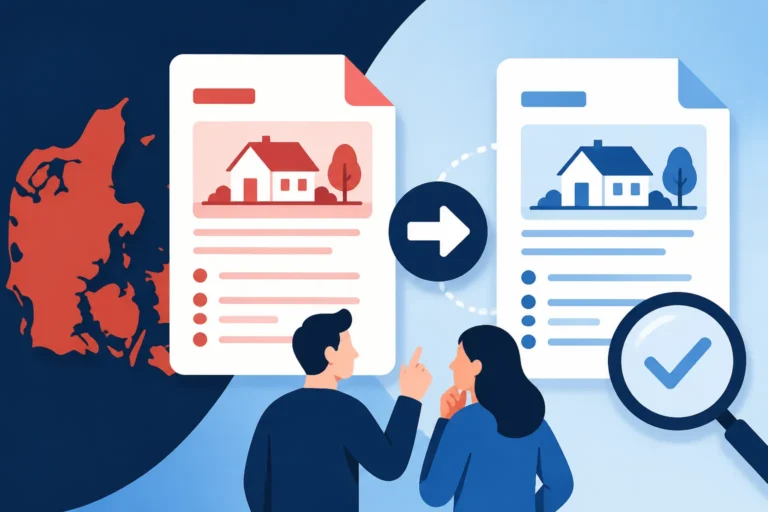
When you look for a place to live in the Danish rental market, you will quickly realize that the system is incredibly regulated. The Typeformular A10 is the "Standard Lease Agreement" authorized by the Danish Ministry of Interior and Housing. It was introduced to replace the older A9 version, primarily to keep up with changes in the Danish Rent Act (Lejeloven). Its purpose is to create a level playing field between landlords and tenants, ensuring that the basic rights of both parties are protected under a uniform structure.
Many expats have seen people try to use hand-written notes or "informal" emails as contracts. In Denmark, that is a massive red flag. If a landlord isn't using the Typeformular A10, you should proceed with extreme caution. The standard form ensures that all the mandatory legal protections are included by default. However, the catch is that while the form is standardized, the "deviations" allowed in certain sections can significantly change your obligations. Understanding the nuances of Renting in Denmark: Complete Guide for Expats (2027) starts with mastering this specific document.
Why the Standard Form Exists
The Danish government realized decades ago that the power dynamic between a landlord and a tenant is naturally skewed. To prevent predatory practices, they created a template where the most important legal rules are already baked into the text. This means a landlord cannot simply "opt-out" of the Danish Rent Act. Even if they write a clause saying they can evict you with two days' notice, if it contradicts the Rent Act and the Typeformular A10 framework, it is legally void.
For foreigners, this is a double-edged sword. On one hand, you have great protection. On the other hand, the document is only available in Danish to remain legally "official." Even if your landlord provides an English translation, the Danish version is the one that holds weight in a court of law or before a rent committee. This is why many expats use services like Spotahome to find verified listings where the communication is clearer, but you will still eventually face the A10 during the signing phase.
Identifying the Latest Version
Laws change, and the Typeformular A10 was updated recently to reflect the 2022 consolidation of the Danish Rent Act. You should always check the bottom of the pages or the front cover for the edition date. Using an outdated version isn't necessarily illegal, but it can lead to confusion if the older clauses no longer align with current legislation. The current version is designed to be more "digital-friendly," allowing for easier communication via email and digital platforms.
When you receive the PDF, check the top right or bottom left corner. If you see "Typeformular A, 10. udgave," you are looking at the correct, modern version. If you are just arriving and need data to translate these pages on the fly, having an eSIM from Airalo can be a lifesaver, ensuring you have a stable connection to look up legal terms while sitting in a cafe with your potential landlord.
Breaking Down the Essential Sections of Typeformular A10
The contract is divided into several numbered sections, often referred to as "paragraffer." While every section matters, the first few establish the "who, what, and where" of your new life in Denmark. It is vital to ensure that the details here match your passport and the physical reality of the apartment. Mistakes in these sections can lead to issues when you try to register your address for your CPR Registration Rule: Why Your Address Matters.
Section 1 and 2: The Parties and the Property
Section 1 identifies the landlord and the tenant. Make sure your name is spelled exactly as it appears on your passport. If you are moving in with a partner, both names should ideally be on the lease to ensure you both have residency rights. Section 2 describes the property itself—the address, the number of rooms, and the total square meters.
Square meterage in Denmark is often calculated based on the "BBR" (Building and Dwelling Register), which includes a portion of common areas like hallways or stairwells. Don't be surprised if the apartment feels slightly smaller than the number on the paper; this is a standard Danish quirk. Also, check if the "use" is listed as residential, as this is required for you to register your CPR number. If a landlord says you cannot register your address there, it is usually because the property isn't legally zoned for living, or they are dodging taxes.
Section 3: The Start Date and Duration
This section defines when your lease begins and, crucially, when it ends. Most Danish leases are "unlimited" (tidsubegrænset), meaning they continue until you or the landlord terminates them. However, many landlords try to insert a "limited-term" clause (tidsbegrænset), often for two years. Under Danish law, a landlord must have a very specific, valid reason for a time-limited lease—such as moving abroad temporarily or intending to sell the property later.
If you sign a time-limited lease without a valid reason provided by the landlord, a rent committee might actually be able to overturn the time limit, effectively making your lease unlimited. This is a complex area of law, and if you are unsure, it is worth consulting Tenant Rights and LLO (Lejernes Landsorganisation) Protection to see if your specific time limit is legally enforceable.
Section 4: Rent and Payments
This is where the money talk happens. It lists the monthly rent, the amount of the deposit, and any prepaid rent. In Denmark, it is standard for a landlord to ask for three months' rent as a deposit and three months' of prepaid rent, plus the first month's rent. This adds up to seven months of rent upfront, which can be a massive financial shock.
The rent amount should be clearly stated, and the contract must specify what is included. Usually, utilities like water and heating are paid "aconto" (as an estimate) on top of the base rent. Be very careful if the rent seems unusually high for the area. You can often challenge the rent level after moving in if it significantly exceeds the market rate for similar properties in your municipality.
Understanding Section 11: The Special Terms
If the Typeformular A10 is a map, Section 11 is the "uncharted territory" where most of the danger lies for expats. This section is reserved for "Særlige vilkår" or Special Terms. Anything that deviates from the standard rules of the Rent Act or the previous 10 sections must be written here. Because the rest of the document is standardized, landlords use Section 11 to add specific requirements that can cost you thousands of kroner when you move out.
Custom Clauses and Deviations
In Section 11, the landlord might specify that you are not allowed to have pets, or that smoking is prohibited. They might also outline specific rules for the use of the basement or shared laundry facilities. For an expat, the most critical thing to look for is anything that mentions "nyistandsat" (newly refurbished). If the apartment is handed over as "newly refurbished," you are generally expected to return it in the same condition, which usually involves a professional paint job and floor sanding.
Many newcomers gloss over Section 11 because they were exhausted by the translation process, only to realize later that they agreed to pay for the professional deep-cleaning of the entire apartment upon exit. Always ensure you understand every single bullet point in this section. If you need a more detailed breakdown of what to watch for, check out Section 11 of Typeformular A10: The Hidden Clauses to Watch For.
Maintenance Obligations
Standard Danish law usually splits maintenance between the landlord and the tenant. Usually, the landlord handles the "exterior" (roof, windows, structural walls) while the tenant handles the "interior" (painting, wallpapering, and floor treatment). However, Section 11 can shift more of this burden onto you.
For instance, a clause might state that you are responsible for maintaining the garden or clearing snow from the sidewalk in front of the building. In some cases, you might even be responsible for the repair of appliances like the dishwasher or washing machine. If these terms are in Section 11, they are binding. If they aren't there, the standard rules apply, which are generally more favorable to the tenant.
Vacating the Property
Section 11 often contains a clause regarding the "move-out period." A very common (and legal) Danish practice is to require the tenant to move out 14 days before the lease officially ends. Why? To allow the landlord time to paint and sand the floors for the next tenant—all while you are still paying rent for those two weeks.
This feels incredibly unfair to most foreigners, but it is a standard part of the Danish rental culture. If this clause is present in Section 11, you must factor those two weeks into your moving budget and timeline. If you don't see this clause, you technically have the right to stay until the very last day of your notice period, though this is rare in modern professional leases.
Financial Obligations and Deposits
The financial side of a Danish lease is often the most stressful part for expats. The sheer amount of liquidity required to secure a flat in Copenhagen or Aarhus is staggering. The Typeformular A10 outlines these costs in Section 4, but the implications of these numbers are felt for years.
| Payment Type | Maximum Legal Amount | Purpose | Refundable? |
|---|---|---|---|
| Deposit | 3 Months' Rent | Covers damages or unpaid rent upon move-out. | Yes, minus repair costs. |
| Prepaid Rent | 3 Months' Rent | Covers the final months of your stay after you give notice. | No, it is "used" as rent. |
| Aconto (Utilities) | Varies | Estimated payment for water and heating. | Adjusted annually (refund/extra bill). |
| First Month's Rent | 1 Month's Rent | Your first month of living in the property. | No. |
Understanding the Deposit (Depositum)
The deposit is your landlord's security. In Denmark, it is highly regulated. The landlord can only use this money to bring the apartment back to the state it was in when you moved in (minus "fair wear and tear," though that definition is notoriously strict in Denmark).
One of the biggest mistakes expats make is assuming they will get their full deposit back. In reality, unless you are a professional-grade painter and floor sander, the landlord will likely deduct a significant portion for these services. This is why Initial Rental Costs: Navigating Deposits and Prepaid Rent Laws is such an essential read; it helps you budget for the fact that the deposit is often more of a "moving-out fee" than a refundable bond.
Prepaid Rent (Forudbetalt leje)
Prepaid rent is different from a deposit. This is money that sits with the landlord to cover your rent during your notice period. For example, if you have three months of prepaid rent and you decide to move out, you give your three months' notice and then you do not pay rent for the final three months.
Landlords use this to protect themselves against tenants who might vanish without paying their last few bills. It is important to remember that this money is "locked." You cannot ask for it back in cash; you must "live it out" at the end of your tenancy.
Utilities and Aconto Payments
In Section 4, you will see a box for "aconto" payments. This is an estimated monthly amount for heating, water, and sometimes electricity. Once a year, the landlord receives a statement from the utility providers. If you used less than you paid for, you get a refund. If you used more (often the case during a cold Danish winter), you will get a "supplementary bill."
This is why you should always check the radiators and windows when you move in. Drafty windows mean higher heating bills, which means a nasty surprise in your mailbox come April. Understanding how Aconto Payments: How Danish Heating and Water Bills Are Estimated work is key to avoiding debt with your landlord.
Maintenance and the Inspection Process
In Denmark, the condition of the apartment is documented through two mandatory meetings: the move-in inspection and the move-out inspection. The Typeformular A10 sets the stage for these, but the actual inspections are where the financial fate of your deposit is decided.
The Move-In Inspection (Indflytningssyn)
For professional landlords (those owning more than one property), a move-in inspection is mandatory. You and the landlord walk through the apartment, and the landlord creates a "move-in report." You must be invited to this, and you should bring a friend or a "witness" if possible.
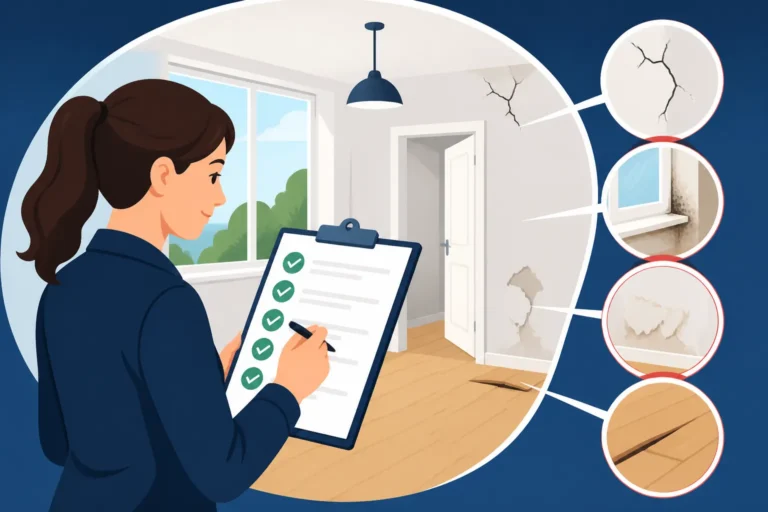
During this process, be obsessive. Check every floorboard for scratches, every wall for scuffs, and every appliance for functionality. If you don't document a scratch now, you will pay to fix it when you leave. You have a 14-day window after moving in to report "hidden defects" that weren't caught during the inspection. This is the most important two weeks of your tenancy. Make sure you follow The "14-Day Defect Reporting" Rule After Moving Into a Rental to the letter.
The Move-Out Inspection (Fraflytningssyn)
When you decide to leave, a move-out inspection must be conducted no later than two weeks after the landlord becomes aware that you have vacated the property. During this meeting, the landlord will note what needs to be fixed.
As an expat, this is often a point of high friction. Landlords may insist on professional painting even if the walls look clean to you. In Denmark, "standard" often means "like new." If you disagree with the landlord's assessment, do not sign the move-out report. Instead, note your disagreements on the document itself. This is where having a membership with Joining LLO (Tenants' Union): How to Fight Unfair Rent Increases pays for itself ten times over.
Interior vs. Exterior Maintenance
The Typeformular A10 defaults to the landlord being responsible for exterior maintenance and the tenant for interior. However, "interior maintenance" in Denmark specifically refers to painting, whitening, wallpapering, and floor treatment. It does not usually include things like repairing a broken pipe or a leaking roof.
If your toilet breaks or the oven stops working due to old age, that is almost always the landlord's responsibility. If they try to charge you for these things in Section 11, it might be an "unreasonable" clause that could be struck down by a rent board. Always keep a paper trail of your requests for repairs.
Tenant Rights and Legal Protections
Denmark has some of the strongest tenant protections in the world, but they aren't automatic; you have to know how to trigger them. If you feel your landlord is violating the terms of your Typeformular A10, there are several avenues for help.
Rent Control Boards (Huslejenævnet)
Every municipality in Denmark has a Rent Control Board (Huslejenævnet). For a small fee (usually around 300-400 DKK), they will review your case. They can decide on disputes regarding rent levels, deposit refunds, and maintenance obligations.
The beauty of the Rent Board is that you don't need a lawyer to use it. You simply submit your contract, your evidence (photos, emails), and your complaint. Their decisions are legally binding, although the landlord can appeal them to a higher court. This is a vital resource for anyone Navigating the Move-Out Inspection (Fraflytningssyn): Getting Your Deposit Back.
The Tenants' Organization (LLO)
Lejernes Landsorganisation (LLO) is essentially a union for renters. For a modest annual membership fee, they provide legal advice, contract reviews, and representation in disputes. New expats are often advised that joining LLO is as important as getting a Danish phone number.
Before you sign your Typeformular A10, you can send it to LLO for a "contract check." They will highlight any "traps" in Section 11 and tell you if the rent is significantly above the legal limit. It provides a massive peace of mind when dealing with professional property management firms.
Terminating the Lease
Standard notice for a Danish apartment is three months to the first of the month. If you give notice on the 15th of January, your three months starts on the 1st of February, meaning you are liable for rent until the end of April.
Some contracts for rooms (instead of full apartments) have a one-month notice period. Always check Section 2 and 11 to see exactly what you agreed to. If you need to leave earlier, you can ask the landlord if they are willing to find a new tenant sooner, but they are not legally obligated to help you unless it's a specific hardship case.
Practical Tips for Navigating the Danish Lease
Beyond the legalities, there's a practical side to living under a Danish lease. From the digital systems to the unspoken social rules, here is how to handle the day-to-day.
Translation Strategies
Never sign a document you haven't read in your native language. Since the official A10 is in Danish, use a high-quality PDF translator or, better yet, hire a relocation consultant or use a service like LLO to walk you through it. Google Translate is okay for the basics, but it often misses the legal nuance of "vedligeholdelse" (maintenance) versus "istandsættelse" (refurbishment).
If your landlord provides an English "translation," check it against the Danish original. If there is a discrepancy, the Danish version wins. It is helpful to have Translating the Typeformular A10 Contract into English: Clause by Clause as a reference guide while you go through the document.
Spotting Scams
Rental scams are unfortunately common in the major cities. A huge red flag is a landlord who refuses to use the Typeformular A10 or asks for a deposit via Western Union or to a foreign bank account. A real Danish landlord will have a Danish bank account where you can send your deposit and rent.
Always verify the landlord's identity and ensure they actually own the property (you can check this on websites like Tinglysning.dk). If the deal seems too good to be true—like a cheap two-bedroom apartment in the center of Copenhagen—it probably is. Check out BoligPortal vs. Facebook: How to Spot Rental Scams in Denmark for more protective tips.
Digital Setup and CPR
Once your lease is signed, it serves as your "golden ticket" to the Danish welfare state. You take your signed A10 to the International House or your local municipality (Kommune) to register your address. This is what triggers the issuance of your The Yellow Health Card (Sundhedskort): Your Key to Danish Healthcare.
Without a valid lease that explicitly allows residency, you cannot get a CPR number. Without a CPR number, you cannot get MitID, a bank account, or a proper phone contract. This is why the A10 is more than just a rental agreement; it is your entry point into Danish society.
Disclaimer
This guide is intended for informational purposes only and does not constitute legal advice. While I have lived in Denmark for many years and navigated many rental contracts, the Danish Rent Act is complex and subject to change. Always consult with a legal professional, a relocation expert, or the LLO before signing a legally binding document. Laws regarding rent levels and maintenance can vary significantly between municipalities.