Using MitID for Banking: Security, Device Registration, and App Setup
Ah, MitID. If you’ve been in Denmark for more than five minutes, you’ve probably heard this term thrown around, often with a mix of reverence and mild exasperation by fellow expats. It’s the undisputed digital key to almost everything important here, and for banking, it’s absolutely non-negotiable. Trying to manage your finances in Denmark without understanding MitID is like trying to drive a car without the ignition key – utterly impossible and incredibly frustrating. This guide is here to cut through the confusion, walk you through the setup, and help you unlock the full potential of MitID for your Danish banking life and beyond.
Understanding MitID: More Than Just a Digital Key
For many newcomers, the sheer reliance on a single digital identification system for everything from checking taxes to booking a doctor's appointment can feel overwhelming, even a bit unsettling. In Denmark, however, MitID isn't just a convenience; it's the foundational pillar of digital trust and security that allows you to interact with the public sector, your bank, and a host of private services, all from the comfort of your home. It’s the system that ensures you are you in the digital realm, a crucial component in a society that prides itself on efficiency and digitalization.
What Exactly is MitID and Why Do You Need It for Banking?
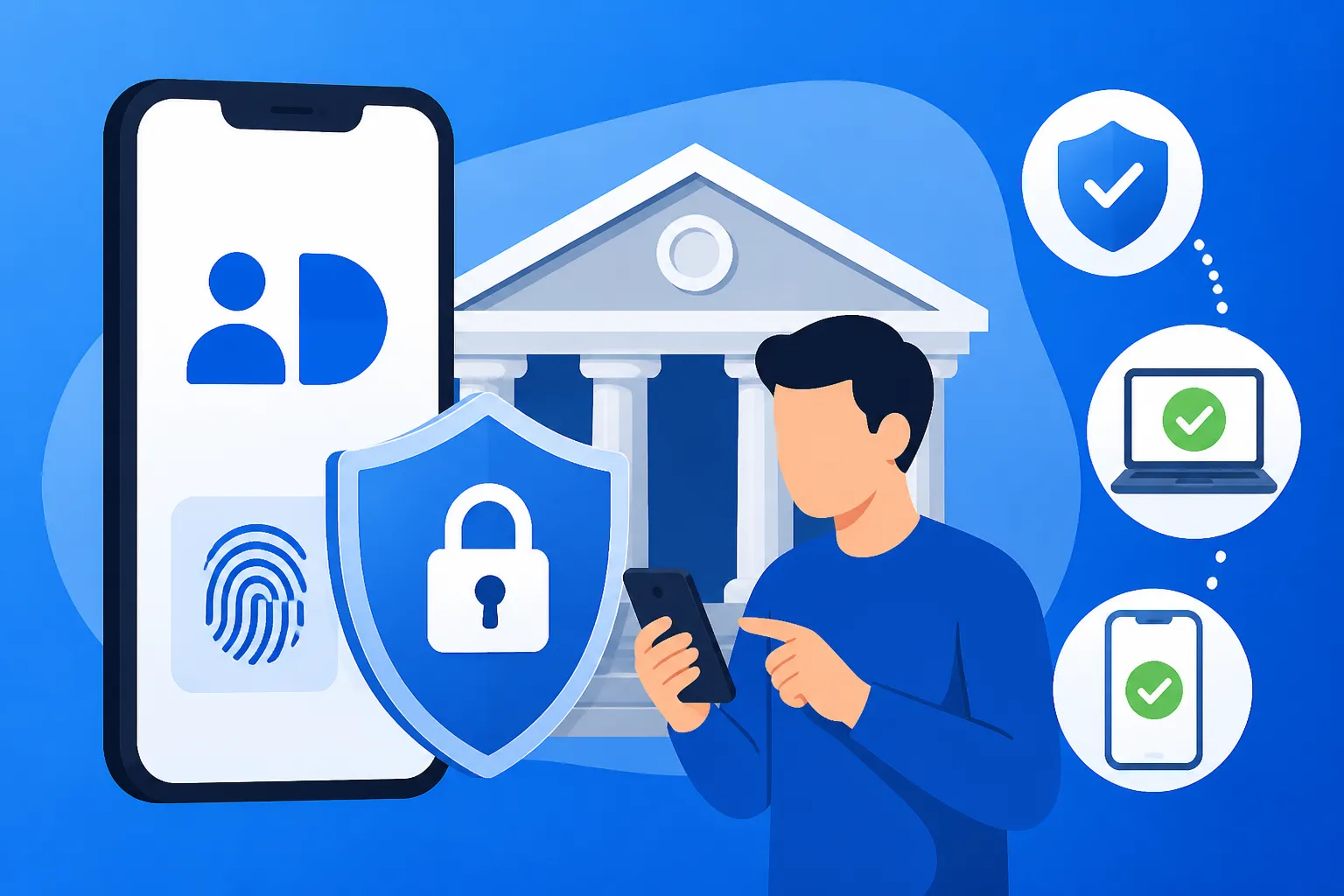
MitID, at its core, is your official digital identification. Think of it as your passport, signature, and government ID, all rolled into one secure, digital package. It's designed to provide strong two-factor authentication, meaning it verifies your identity in two different ways – typically something you know (your MitID user ID and password) and something you have (your MitID app, code display, or chip). This dual verification makes it incredibly secure for sensitive operations. For banking, MitID isn't just recommended; it's a mandatory requirement. You simply cannot access your Danish online bank (Netbank) or mobile banking app without it. From logging in to approving transactions, setting up new payees, or even just checking your balance, MitID is the gatekeeper. It ensures that only you can authorize financial movements from your accounts, protecting you from fraud and giving you peace of mind in a largely cashless society. Without MitID, your Danish bank account is essentially a locked box.
The primary reason banks insist on MitID is robust security and regulatory compliance. Danish financial institutions operate under strict regulations regarding customer identification and transaction verification, designed to prevent fraud and money laundering. MitID provides a standardized, government-approved method for meeting these requirements. This means you won't be using a separate login for your bank; instead, you'll be redirected to the MitID system to confirm your identity before gaining access or approving a transaction. This integration streamlines the user experience while maintaining an extremely high level of security. It's a system built on trust and efficiency, allowing for quick and secure digital interactions that would otherwise require paper forms, in-person visits, or less secure methods.
The Evolution from NemID to MitID: What Changed for Expats?
For those of us who have been in Denmark for a while, you might remember NemID, the predecessor to MitID. NemID was Denmark's digital ID system for over a decade, and while it served its purpose well, technology evolves, and so do security threats. MitID was rolled out to offer enhanced security features, greater flexibility in authentication methods, and a more future-proof infrastructure. For expats, the transition brought both improvements and, let's be honest, a few headaches. While NemID relied heavily on a physical code card, MitID pushes users towards the app as the primary authentication method, though other options remain.
The biggest change, especially for new arrivals, is the initial setup process. While NemID could often be acquired directly from your bank or a citizen service center with relative ease, MitID's initial registration is a bit more stringent, often requiring a valid Danish passport or a visit to a Citizen Service center (Borgerservice) if you don't have one, or lack a NemID to migrate from. This shift reflects a greater emphasis on direct identity verification at the point of issuance to minimize fraud. The good news is that once you’re set up, MitID is generally more user-friendly, particularly with the app, which eliminates the need to carry a physical code card. For existing NemID users, the migration was mostly seamless, guided by on-screen prompts. However, for fresh expats, it means another step in the administrative gauntlet, highlighting the critical importance of a valid passport and, eventually, your Understanding CPR Registration and Your Healthcare Entitlement for everything.
Getting Started: Registering Your MitID
The registration process for MitID can feel a bit like navigating a maze, especially if you're fresh off the plane and still grappling with Danish bureaucracy. But don't worry, countless expats have successfully made it through, and you will too. The key is to understand the requirements and choose the right path for your specific situation. Remember, MitID is intrinsically linked to your CPR number, so getting that sorted is usually step one in your Danish administrative journey.
Initial Setup: Requirements and Methods (Passport Scan, NemID Transfer, Citizen Service)
Before you even think about getting MitID, you absolutely need a Danish CPR number and a valid Danish bank account (or at least an appointment to open one, as banks often assist with MitID). Without these, you're essentially stuck. Once those foundational elements are in place, you have a few primary avenues for acquiring your MitID:
- Passport Scan with MitID App: This is often the quickest and easiest method if you have a Danish passport with a chip (which most modern Danish passports do) and a smartphone that can read NFC chips. You download the MitID app, follow the prompts to scan your passport, and it verifies your identity directly. This method bypasses the need for a physical visit, which is a huge time-saver. Unfortunately, this option is primarily for Danish citizens, meaning many expats will need to explore other routes.
- Using your existing NemID: If you were lucky enough to arrive in Denmark and get a NemID before the full transition, this is by far the simplest way to get MitID. You simply follow the instructions on the MitID website or within your bank's portal, and your NemID will guide you through the process of creating your new MitID. It's a smooth, largely automated transfer of your digital identity.
- Visiting a Citizen Service Center (Borgerservice): This is the most common route for new expats who don't have an existing NemID or a Danish passport. You'll need to book an appointment (often online via Borger.dk), and bring valid identification – typically your passport and residence permit. The staff at Borgerservice will verify your identity in person and help you get MitID set up. This might seem like a hassle, but it's a tried-and-true method that ensures your identity is properly established in the system. Be prepared for a wait, even with an appointment, and always double-check the required documents on your municipality's website before you go. This route is often intertwined with the process of getting your CPR number and opening a bank account, creating a bit of a "chicken and egg" situation that every expat knows well.
It's critical to ensure all your documents are current and valid. An expired passport or a temporary residence permit that's about to lapse can throw a wrench into the works. Always budget extra time for these administrative steps, as Danish bureaucracy, while efficient, can move at its own pace. Also, consider linking to our guide on Opening a Bank Account in Denmark: Document Checklist and Delays, as MitID is often a prerequisite or a co-requisite for that process.
Choosing Your Authentication Method: App, Code Display, or Chip
Once you've initiated the MitID registration, you'll need to choose how you want to authenticate yourself. MitID offers flexibility, but the app is definitely the preferred and most popular choice in Denmark.
- MitID App: This is the flagship method. You download the MitID app to your smartphone or tablet, and when you need to use MitID, a notification pops up asking you to approve the action with a swipe or tap, sometimes requiring a fingerprint, face ID, or a PIN you set up. It’s incredibly convenient, secure, and eliminates the need for physical devices. Most Danes use this method, and you'll find it integrates seamlessly with virtually all services. For most expats, this will be your go-to.
- MitID Code Display: If you don't have a smartphone, or prefer a physical device, you can order a code display. This small device generates a unique one-time code every time you need to authenticate. It’s similar in concept to the old NemID code card but is more dynamic and secure. This is a good option if you worry about phone battery life or simply prefer a tangible gadget.
- MitID Chip: This is a highly secure option, often used by businesses or individuals needing the absolute highest level of security. It's a physical chip that connects to your computer and requires a PIN. While very secure, it's less common for everyday personal banking for most expats due to its cost and less convenient nature compared to the app.
Here's a quick comparison to help you decide:
| Feature | MitID App | MitID Code Display | MitID Chip (Hardware) |
|---|---|---|---|
| Convenience | High (smartphone always with you) | Medium (need to carry device) | Low (requires specific hardware) |
| Security | High (biometrics/PIN protected) | High (dynamic codes) | Very High (physical token, PIN) |
| Cost | Free (requires smartphone) | Free (ordered from MitID) | Paid (can be expensive) |
| Flexibility | Excellent (works with most services) | Good (works where codes are accepted) | Limited (primarily for specific uses) |
| Common Use | Most common for individuals and expats | Good for those without smartphones | Niche, often for business/high security |
The MitID app is truly the most common choice, and you'll find that many services assume you're using it. It's robust, intuitive, and integrates well into the digital Danish ecosystem. If you can, aim for the app!
The Frustration of the Catch-22: MitID without a Bank Account (and vice versa)
This is the classic expat conundrum, isn't it? You need a bank account to get MitID, but often you need MitID to fully open a bank account or access its online features. It's a frustrating loop that many newcomers face, and it often feels like you’re being asked for proof of residence before you can actually reside. The reality is that banks are legally required to verify your identity, and MitID is the preferred method for this in Denmark.
Generally, the sequence goes like this: you get your CPR number, then you make an appointment with a Danish bank. During this appointment, the bank will help you set up your account. Crucially, they will also often assist you in applying for or activating your MitID, especially if you go the Citizen Service route. Some banks, particularly those geared towards expats like Lunar Bank, might have slightly more streamlined processes or English-speaking staff who are well-versed in this Catch-22.
The key is to communicate clearly with your bank during the account opening process. Explain that you are a new arrival and do not yet have MitID. They are accustomed to this scenario and will guide you. Sometimes, they can provide a temporary login for basic access while your MitID is being processed. It's a bureaucratic dance, but it’s one that Danish institutions are equipped to lead you through. Just remember, patience and persistence are your best allies here. And check out our guide on Can I Open a Danish Bank Account Before Getting My CPR Number? for more insights into navigating this initial hurdle.
Security First: Keeping Your MitID Safe
In a country where your digital identity unlocks so much, keeping your MitID secure isn't just a recommendation; it's an absolute necessity. Losing control of your MitID would be akin to losing your wallet, passport, and house keys all at once. Denmark takes digital security very seriously, and you should too.
Best Practices for Protecting Your MitID Credentials
Protecting your MitID really boils down to common sense digital security, but with an extra layer of vigilance due to its central role.
- Choose a Strong User ID and Password: When you first set up MitID, you'll create a user ID (Brugernavn) and a password. Make these unique and strong. Don't use your name, birthday, or anything easily guessable. Combine uppercase and lowercase letters, numbers, and symbols. And for the love of hygge, do not reuse passwords from other accounts.
- Guard Your PIN/Biometrics: If you're using the MitID app, you'll set up a PIN, or use your phone's biometrics (fingerprint/face ID). Treat this PIN like you would your bank card PIN – never share it, don't write it down where others can find it, and be mindful of "shoulder surfers" if you use it in public.
- Only Approve What You Initiate: This is perhaps the most important rule. The MitID app will push notifications to your device. Always verify that the action you're being asked to approve is something you just initiated yourself. If you're not trying to log into your bank, or sign a document, do not approve the request. This is your primary defense against phishing and unauthorized access.
- Keep Your Devices Secure: Your smartphone or tablet is now a critical part of your digital identity. Keep its operating system updated, use a screen lock (PIN, pattern, fingerprint), and be wary of installing apps from untrustworthy sources. If your phone is lost or stolen, immediately block your MitID (more on that below).
- Be Aware of Your Surroundings: When using MitID in public, be mindful of who might be looking over your shoulder. Always ensure your privacy when entering your PIN or approving actions.
Following these practices will significantly reduce your risk of becoming a victim of digital fraud. The Danish system is robust, but the human element is always the weakest link.
Recognizing and Avoiding Common MitID Scams and Phishing Attempts
Scammers are constantly adapting, and Denmark is no exception. They often target new arrivals who might be less familiar with the local systems and language. Knowing what to look out for is your best defense.
- Fake SMS/Emails: You might receive texts or emails pretending to be from your bank, SKAT (the Danish tax authority), or even MitID itself, asking you to click a link to "update your details," "verify your account," or claim a "tax refund." These are almost always phishing attempts. Never click links in unsolicited messages. Legitimate organizations like SKAT or your bank will never ask for your MitID credentials or personal information via SMS or email. They will direct you to log in through their official websites directly. If you have questions about your taxes, it's always best to log in directly to their website, perhaps via the Preliminary Tax Assessment Forskudsopgørelse Avoiding Tax Debt guidance.
- Urgency and Threats: Scams often try to create a sense of urgency or fear, threatening to block your account or impose penalties if you don't act immediately. This is a classic tactic to get you to panic and make a mistake. Take a breath, think critically, and don't let fear dictate your actions.
- Calls from "Support": Be highly suspicious of unsolicited phone calls from someone claiming to be from MitID support or your bank asking for your MitID details. Legitimate support will never ask for your password or for you to approve something on your MitID app that you didn't initiate.
- "Error" Messages: Sometimes, scammers will try to convince you there's an "error" with your MitID or bank account and guide you to a fake website that looks legitimate. Always check the URL in your browser – it should be the official address for your bank (e.g., nordea.dk, danskebank.dk) or mitid.dk.
- Reporting Suspected Scams: If you suspect you've encountered a scam, don't engage. Report it to your bank and, if it relates to MitID, to MitID support. You can also refer to resources like "Common Financial Scams Targeting New Expats in Denmark" for more details.
Remember, if something feels off, it probably is. When in doubt, always go directly to the official website of the service you're trying to access (e.g., your bank's website, Borger.dk, Sundhed.dk) and log in there, rather than clicking a link.
MitID in Action: Banking and Beyond
Once you've successfully wrestled with the registration process and secured your MitID, you'll begin to appreciate just how ubiquitous and essential it is in Denmark. It's not just for your bank; it's for almost every digital interaction you'll have with the country.
Daily Banking with MitID: Transfers, Payments, and Online Access
Your MitID is truly the master key to your financial life in Denmark. Every time you want to log into your online banking portal (Netbank) or your bank's mobile app, you'll use your MitID. This typically involves entering your MitID user ID, then confirming the login on your MitID app (or using your code display/chip). This two-factor authentication ensures that only you can access your accounts.
Beyond just logging in, MitID is crucial for:
- Approving Transactions: Making transfers to other accounts, paying bills, or setting up standing orders (Betalingsservice) all require MitID approval. This ensures that any money leaving your account is authorized by you. For instance, if you're transferring money home using a service like Wise, you'll typically initiate the transfer, and then use MitID to confirm the payment from your Danish bank.
- Setting Up New Payees: Adding a new person or company to pay often requires a MitID confirmation, adding an extra layer of security against unauthorized payments.
- Viewing Account Details: Even for seemingly innocuous actions like checking your account balance or transaction history, MitID provides the secure gateway.
- Digital Signatures: Many financial documents, from mortgage applications to investment agreements, can be digitally signed using MitID, saving you countless trips to the bank. This seamless digital integration is a hallmark of Danish efficiency.
This constant interaction might feel like a lot at first, but it quickly becomes second nature. It’s designed to be quick and intuitive, making your daily banking tasks much faster than traditional methods, especially with the convenience of the MitID app.
Beyond Banking: Other Essential Services Requiring MitID
While our focus here is banking, it's vital to understand that MitID extends far beyond your financial transactions. It's the unifying digital identity across the entire Danish public and private sectors. Here are just a few examples of where you'll use it:
- SKAT (Tax Authority): Filing your The Annual Tax Assessment Notice Årsopgørelse Claiming Deductions accessing your preliminary tax assessment, or communicating with the tax agency all require MitID. It's the only way to securely access your personal tax information.
- Sundhed.dk (Health Portal): Booking doctor's appointments, viewing your medical records, ordering repeat prescriptions, or checking your Yellow Card details are all done via Sundhed.dk, and you need MitID to log in. This includes managing your Using the Medicinkortet App Managing Your Prescriptions Digitally.
- Borger.dk (Citizen Portal): This is the central hub for interaction with public authorities. Changing your address, applying for benefits, checking your digital mail (E-Boks vs. Mit.dk: Receiving Official Financial Mail from the State), or managing your NemKonto – all MitID protected.
- Insurance Companies: Many insurance providers, from home contents insurance (Indboforsikring: Why Home Contents Insurance is Crucial for Renters) to car insurance, will require MitID for logging into your policy or making claims.
- Online Shopping and Services: Increasingly, private companies are integrating MitID as a login or payment verification method, particularly for subscriptions or high-value purchases.
Basically, if it involves sensitive personal data or official interaction, MitID is your key. Embracing it means fully integrating into the digital fabric of Danish society.
Troubleshooting Common MitID Issues for Expats
Even with the best intentions, you might run into a snag or two with MitID. It happens to the best of us! Here are some common issues and how to approach them:
- "I forgot my password/user ID!" Don't panic. The MitID website has a clear "Forgot user ID or password?" link. You'll need to go through a verification process, which might involve using your CPR number and answering security questions, or potentially visiting Borgerservice again if you're fully locked out. Pro tip: Write down your user ID in a secure, offline location when you first set it up.
- "My MitID app isn't working/won't send notifications!" First, check your phone's internet connection. Then, make sure your app is updated to the latest version. Sometimes, simply restarting your phone can resolve minor glitches. If the issue persists, try reinstalling the app (you'll need to reactivate it afterward, which might require a visit to Borgerservice or using another MitID device if you have one).
- "I lost my phone/my phone was stolen!" This is a serious situation. Immediately block your MitID to prevent unauthorized access. You can do this by calling the MitID support hotline (which operates 24/7) or, if you have another device with MitID (like a tablet), you can block it yourself online. For a detailed walkthrough, check out our guide on What to Do If You Lose Your MitID Access and Are Locked Out. Once blocked, you'll need to reactivate MitID on a new device, which usually requires visiting Borgerservice.
- "I'm locked out after too many incorrect attempts!" For security reasons, MitID will temporarily lock your account after too many failed login attempts. This usually resolves itself after a waiting period (often a few hours), but if you're in a hurry, you might need to use the "Forgot password" function or contact support.
- "My MitID expired or needs to be renewed." MitID itself doesn't expire, but the digital certificates linked to it might. Your bank or MitID will typically notify you well in advance if any action is needed. Keep an eye on your digital post for such notifications.
When in doubt, the official MitID website (MitID.dk) is your best friend. It has extensive FAQs and guides, often available in English, and links to their support hotline. Don't hesitate to reach out to them directly.
The MitID App: Your Pocket-Sized Digital Gateway
For most expats, the MitID app will become your constant companion in Denmark's digital landscape. It's designed for maximum convenience and security, turning your smartphone into your digital identity device.
Downloading and Activating the MitID App
Getting the app onto your phone is straightforward, but the activation requires a bit more care.
- Download: Head to your smartphone's app store (Google Play for Android, Apple App Store for iOS) and search for "MitID." Download the official app – make sure it's from Nets or Digitaliseringsstyrelsen (Agency for Digital Government).
- Initial Setup: Open the app. It will guide you through adding a new MitID. This is where your chosen registration method comes into play. If you're setting it up for the first time after a Borgerservice visit, you'll typically use a temporary code provided there. If you're migrating from NemID, the process will be guided online. If you have a Danish passport, the app might prompt you to scan it for direct activation.
- Create Your User ID and Password (if new): If this is your first MitID, you'll establish your unique MitID user ID and password as part of the app setup. Store these securely!
- Set Up a PIN or Biometrics: To secure the app itself, you'll be asked to create a PIN for the app, or to enable fingerprint/face ID authentication, depending on your phone's capabilities. This is what you'll use for quick approvals.
Once activated, your MitID app is linked to your CPR number and effectively becomes your personal digital key. You can install the MitID app on up to three devices, which is a great backup strategy (e.g., on your phone and a tablet).
Managing Multiple Devices and Linking Your Bank Accounts
Many expats appreciate the flexibility of having MitID on more than one device. It's a lifesaver if your primary phone dies or gets lost.
- Adding Another Device: If you already have MitID active on one device (e.g., your phone), you can easily add it to a second device (like a tablet). On the new device, download the MitID app and choose to "Add another MitID." It will then ask you to verify yourself using your already active MitID on your first device. This provides a secure way to expand your access.
- Deleting Devices: If you get a new phone or sell an old one, remember to delete MitID from the old device. You can manage your active MitID devices by logging into MitID.dk with an active MitID and going to your profile settings. This is crucial for security.
- Linking to Bank Accounts: Your MitID itself isn't linked to a specific bank account in the traditional sense; rather, your bank account is linked to your CPR number, and your MitID is authenticated against your CPR number. So, once you have MitID set up, you can use it to log into any Danish bank where you hold an account. There's no separate linking process within the MitID app for each bank. Your bank's online system simply redirects you to MitID for authentication. This streamlined approach makes switching banks or having multiple bank accounts much simpler from a digital identity perspective. Even services like setting up How to Set Up an Apple Pay Account with a Danish Debit Card will typically rely on your bank's app, which in turn uses MitID for secure access.
Navigating MitID as a New Arrival: Tips and Tricks
The initial weeks and months in Denmark are a whirlwind of new experiences and administrative tasks. MitID often sits right at the top of that to-do list.
What to Do If You Don't Have a CPR Number Yet
This is the classic "Catch-22" scenario for new expats. You cannot get MitID without a CPR number. The CPR number is the foundational piece of your identity in Denmark, linking you to all public services and, critically, to your digital identity. So, if you're still waiting for your CPR number:
- Prioritize CPR Registration: Your absolute first step is to register for your CPR number at your local Citizen Service (Borgerservice) office. This is typically done as part of your overall arrival registration.
- Interim Solutions: While you wait for your CPR, you'll be in a bit of a digital limbo. You won't be able to access Danish online banking, public health portals, or any service requiring MitID. For basic financial needs, you might rely on international transfer services like Wise or use cash (though Denmark is largely cashless). Your employer might provide a temporary solution for salary payment before your NemKonto is fully established, but this is rare.
- Plan Ahead: Understand that there will be a waiting period. It often takes a few weeks to receive your CPR number after registration, and then a bit longer to get your The Yellow Health Card Sundhedskort Your Key to Danish Healthcare which confirms your address and CPR. Only once you have your CPR can you begin the MitID process. This means your first few weeks will involve more in-person visits and less digital convenience than you might expect from Denmark. It's a common frustration, so know you're not alone!
Practical Advice for Smooth MitID Integration into Your Danish Life
Integrating MitID smoothly into your daily life is all about preparation and understanding the system.
- Be Patient and Persistent: Danish bureaucracy is efficient, but it's still bureaucracy. Things take time. Don't get discouraged if the process isn't instant.
- Always Book Appointments: For anything involving Borgerservice, always book an appointment online well in advance. Turning up without one will almost always result in a wasted trip.
- Ask for Help (in English): Most Borgerservice staff and bank employees speak excellent English and are used to helping expats with MitID issues. Don't hesitate to ask for explanations if you're unsure about something.
- Keep Your Contact Information Updated: Ensure your phone number and email address registered with MitID and your bank are current. This is vital for security and recovery purposes.
- Utilize Official Resources: The MitID.dk website, Borger.dk, and your bank's website are excellent sources of information, often with English versions available. These are far more reliable than unofficial forums.
- Consider "Taxes for Expats" Services: As you get deeper into Danish life, navigating taxes can be complex. Services like Taxes for Expats can assist with your financial obligations, and naturally, MitID will be central to accessing the necessary SKAT portals for this. Having a smooth MitID setup will make all subsequent financial interactions, including tax declarations, much easier.
- Embrace the Digital: Once you have MitID, embrace it! It genuinely simplifies countless aspects of life here. From managing your finances to communicating with authorities, it’s designed to make your life easier in the long run. The initial hurdles are worth it for the streamlined digital experience that follows.
MitID is undoubtedly one of the most significant gateways you'll encounter as an expat in Denmark. It requires a bit of upfront effort and patience, but once you're set up, it truly unlocks the full digital potential of living here. You'll move from frustrated newcomer to a fully integrated digital Dane in no time.
Disclaimer
Please note that while this guide aims to provide accurate and up-to-date information, the rules and processes surrounding MitID and Danish administration can change. It is always recommended to consult official sources such as MitID.dk, Borger.dk, and your specific bank for the very latest information and personalized advice. This content is for informational purposes only and does not constitute professional financial or legal advice.