Can I Open a Danish Bank Account Before Getting My CPR Number?
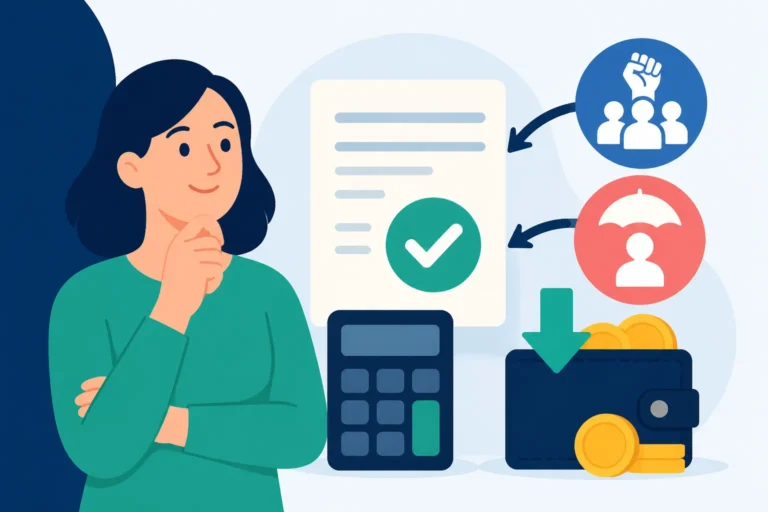
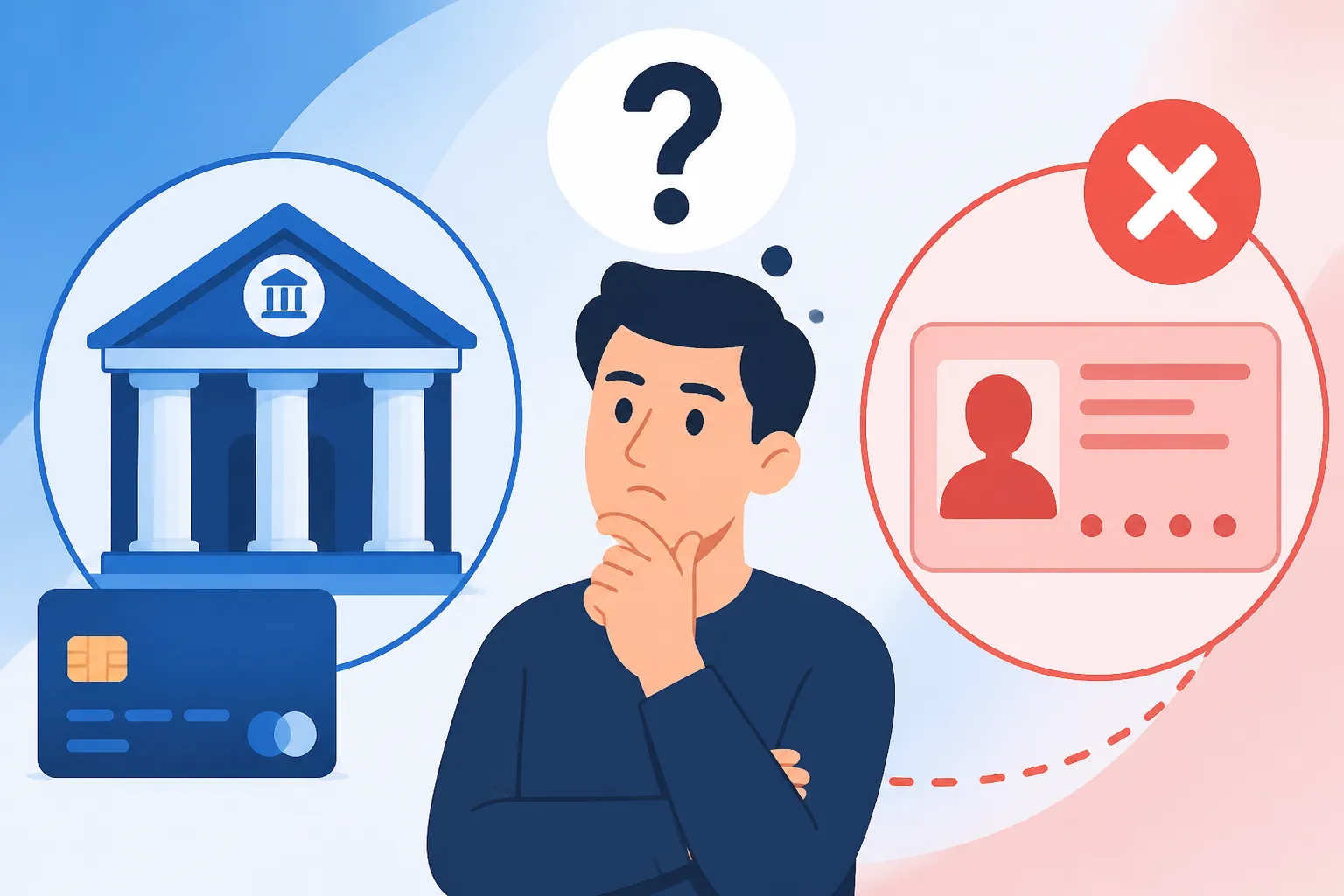
Moving to Denmark often feels like a series of administrative deadlocks, none more frustrating than the banking Catch-22. You need a Danish bank account to receive your salary, but the bank usually won't talk to you without a CPR number. This guide explores whether you can bypass this requirement and provides a realistic roadmap for managing your finances during those first confusing weeks.
The Infamous Danish Banking Catch-22
If you have spent any time in expat forums, you have already heard the horror stories. You arrive in Copenhagen or Aarhus, ready to start your dream job, only to realize that the entire country runs on a digital infrastructure that requires a ten-digit number you don't have yet. The CPR (Central Person Register) number is the golden key to Danish life. It is tied to your health insurance, your tax profile, and, most crucially, your ability to open a traditional bank account.
The frustration stems from a logical loop: to get a CPR number, you need a permanent address. To get a permanent address, you often need to show a deposit or pay rent through a Danish bank. To open that bank account, you need the CPR number. As a veteran who has navigated this, I can tell you that the stress of sitting in the International Citizen Service (ICS) office watching your first payday approach while you have no way to receive the money is a rite of passage no one wants. This guide is designed to help you break that loop or at least find a bridge to get you through the first 30 to 60 days.
The reality is that Danish banks are under extreme pressure regarding Anti-Money Laundering (AML) and Know Your Customer (KYC) regulations. Because Denmark is a highly digitized society with very low levels of cash usage, the banks act as gatekeepers for the state. They are hesitant to take on "unidentified" individuals who haven't been fully vetted by the Danish civil registration system. This isn't personal, though it certainly feels that way when a bank clerk looks at your employment contract and still refuses to open an account. Understanding this administrative mindset is the first step toward successfully Opening a Bank Account in Denmark: Document Checklist and Delays.
Can You Legally Open an Account Without a CPR?
The short answer is a qualified "yes," but the practical answer is "it depends on your persistence and your employer." Under EU law, specifically the Payment Accounts Directive, any person legally resident in the EU has the right to open a "basic payment account" regardless of their nationality or place of residence. However, Danish banks have historically been slow to implement this for non-residents or those without a CPR number, often citing the complexity of verifying foreign documents or the risk of tax non-compliance.
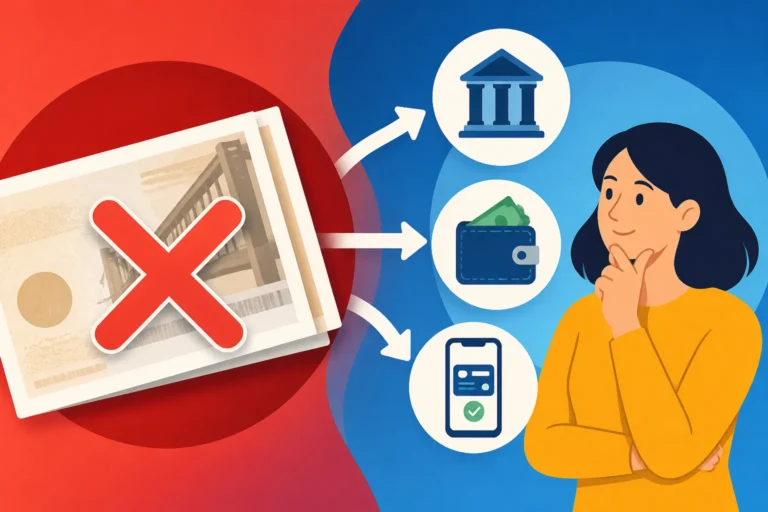
If you are an EU/EEA citizen, your rights are stronger. You can technically apply for a non-resident account, but be prepared for a mountain of paperwork and a wait time that might actually exceed the time it takes to just get your CPR number. For non-EU citizens, the path is even narrower. Most traditional banks will simply point to the door and tell you to come back when you have your "yellow card" (sundhedskort). This is where services like Wise become absolutely vital. Wise allows you to open a multi-currency account that includes a DKK-specific IBAN. While this isn't a "Danish" bank account in the eyes of the Danish tax authorities (SKAT), it can often serve as a temporary vessel for your first salary if your employer is flexible.
New arrivals are often advised to treat the "No" they receive from a bank as a "Not this way." If you have a high-salary contract or are moving under the Expat Tax Scheme (Forskerskatteordningen): The 27% Flat Tax Guide, some banks like Danske Bank or Nordea have specialized "International" or "Private Banking" units that can sometimes initiate the onboarding process while your CPR is still being processed. However, for the average expat, the strategy must be more tactical. You need to leverage your Traditional Banks vs. Digital Banks (Lunar): Which is Best for Expats? options to ensure you aren't left penniless in one of the world's most expensive countries.
The Role of Digital Alternatives and FinTech
Since traditional banks are often a dead end in the first month, FinTech has stepped in to fill the gap. In the past, Lunar (a popular Danish neobank) allowed users to sign up with just a passport and a residence permit. However, as of 2024 and heading into 2026, even digital-first banks have tightened their requirements. Most now require at least a temporary CPR or a MitID to even open the app. This has made the transition harder, but not impossible.
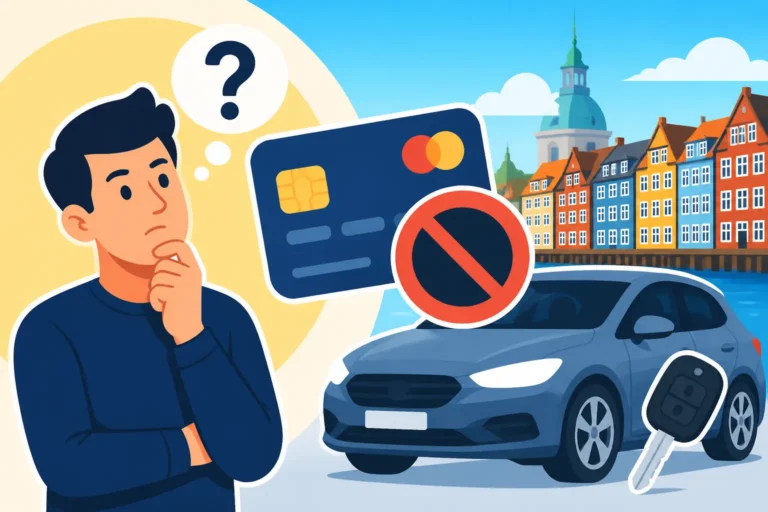
This is where you must look at international providers that offer DKK balances. Having a Wise account ready before you even board the plane is a smart move. You can convert your home currency into Danish Kroner at the real exchange rate, which is essential because you will quickly find that using a foreign credit card for daily groceries at Netto or Rema 1000 will result in a death by a thousand cuts via transaction fees. Furthermore, when it comes time to file your home country taxes, especially for Americans, using a service like Taxes for Expats can help you navigate the FBAR (Report of Foreign Bank and Financial Accounts) requirements that kick in the moment you open any account in Denmark.
| Provider Type | CPR Required? | Best For | Estimated Setup Time |
|---|---|---|---|
| Wise | No | Pre-arrival transfers & 1st salary | 1-3 Days |
| Lunar | Yes (usually) | Daily spending & MitID integration | 3-7 Days |
| Danske Bank | Yes | Long-term mortgage & NemKonto | 2-4 Weeks |
| Nordea | Yes | International wealth management | 2-4 Weeks |
While Wise provides the IBAN, remember that it is not a Danish bank. This means it cannot be linked as your NemKonto and MitID: The Core of Danish Digital Finance (2027) immediately. A NemKonto is the "Easy Account" where all government payments (like tax refunds or child benefits) are sent. Most employers also prefer to pay into a NemKonto. If you use an international IBAN, you may have to manually provide your employer with your SWIFT/BIC codes, and some older payroll systems in Denmark actually struggle to process payments to non-Danish IBANs.
The Strategy for Your First 30 Days
If you are determined to try and open an account before the CPR arrives, you need a "Bank Package." This isn't an official thing, but it's what I call the folder of documents you should carry into every bank branch you visit. Do not just walk in and ask; bring evidence of your "Economic Interest" in Denmark. This package should include your signed employment contract, your residence permit (or the letter from SIRI confirming it is in progress), your passport, and your lease agreement (even if it's a temporary Airbnb or hotel stay).
Show the bank that you are a low-risk, high-value customer. If you are working for a major Danish company like Novo Nordisk, Lego, or Maersk, mention this immediately. Many of these large corporations have "preferred partner" status with certain banks, which can sometimes grease the wheels of the onboarding process. Even then, the bank might only give you a "limited" account that doesn't allow for international transfers or large deposits until the CPR is verified.
Another hurdle you will face is the address. The Catch-22: Getting a CPR Number Without a Permanent Address is real because banks want to mail you a physical debit card. If you are in a temporary hostel or a "no-CPR" sublet, the bank will likely reject the application. They need to see a "Bopælspligt" (residency obligation) address. If you are struggling with this, focus on getting your CPR first and use Wise for your initial expenses. Once that yellow card arrives in the mail, the doors to Danish banking swing open much wider.
Why You Can’t Wait Too Long
You might be tempted to just use your foreign card and ignore the Danish banking system for a while. This is a mistake. Denmark is rapidly becoming a cashless society, and the local payment ecosystem is built around a system called MobilePay and Cashless Denmark: Surviving Without Physical Cash. To use MobilePay, which is how you pay at flea markets, split dinner bills with friends, or even pay some small vendors, you generally need a Danish phone number and a Danish bank account.
Furthermore, once you start working, you are entering the Danish tax system. You will need to understand Taxes in Denmark Explained: A-Skat, AM-bidrag, and Marginal Rates to ensure your employer is deducting the right amount. Without a Danish bank account linked as your NemKonto, any tax overpayments you make won't be easily refunded to you. The system is designed to be a closed loop; if you stay outside that loop, you are effectively paying a "convenience tax" in the form of higher fees and administrative headaches.
For those moving with significant assets or who plan to keep bank accounts in their home country, the complexity increases. I highly recommend consulting with Taxes for Expats early in the process. They specialize in the unique reporting requirements for expats, ensuring that your new Danish account doesn't trigger an accidental audit from your home country's tax authority. Managing the transition between Setting Up Your NemKonto: How to Link It to Receive Salary and SU and your foreign accounts requires a clear paper trail, especially if you are moving large sums for a house deposit later on.
Summary of Actionable Steps
To summarize the most effective path for a new arrival in Denmark:
- Open a Wise account before you leave. Move enough money to cover your first two months of rent and deposits. This bypasses the immediate need for a DKK account for daily spending.
- Apply for your CPR the day you arrive. Don't wait. Use the International Citizen Service if you are in a major city.
- Get a Danish SIM card. You will need a Danish number for almost all bank applications.
- Collect your "Bank Package." Employment contract, passport, and proof of address are non-negotiable.
- Visit a bank in person. While everything in Denmark is digital, your first interaction as a "non-CPR" holder is often better handled face-to-face where you can explain your situation to a human being.
- Link your NemKonto immediately. As soon as the account is open, log into Borger.dk and ensure it is set as your official account for government payments.
Moving to Denmark is an exercise in patience. The system is incredibly efficient once you are inside it, but the "porch" of the Danish house is a cold place to stand while you wait for your CPR number. By using a mix of international FinTech like Wise and being prepared with your documentation, you can navigate the first month without financial disaster. And remember, once you have that account, your next step will be navigating the Taxes in Denmark Explained: A-Skat, AM-bidrag, and Marginal Rates to make sure your hard-earned Kroner stay in your pocket.
Disclaimer
The information provided in this guide is for informational purposes only and does not constitute legal, financial, or tax advice. Banking regulations in Denmark and EU directives are subject to change, and individual bank policies may vary significantly. Always consult with a qualified professional, such as the experts at Taxes for Expats, or contact your specific banking institution for the most current requirements and compliance standards. Be aware that opening foreign bank accounts may trigger reporting requirements in your home country.