The Catch-22: Getting a CPR Number Without a Permanent Address
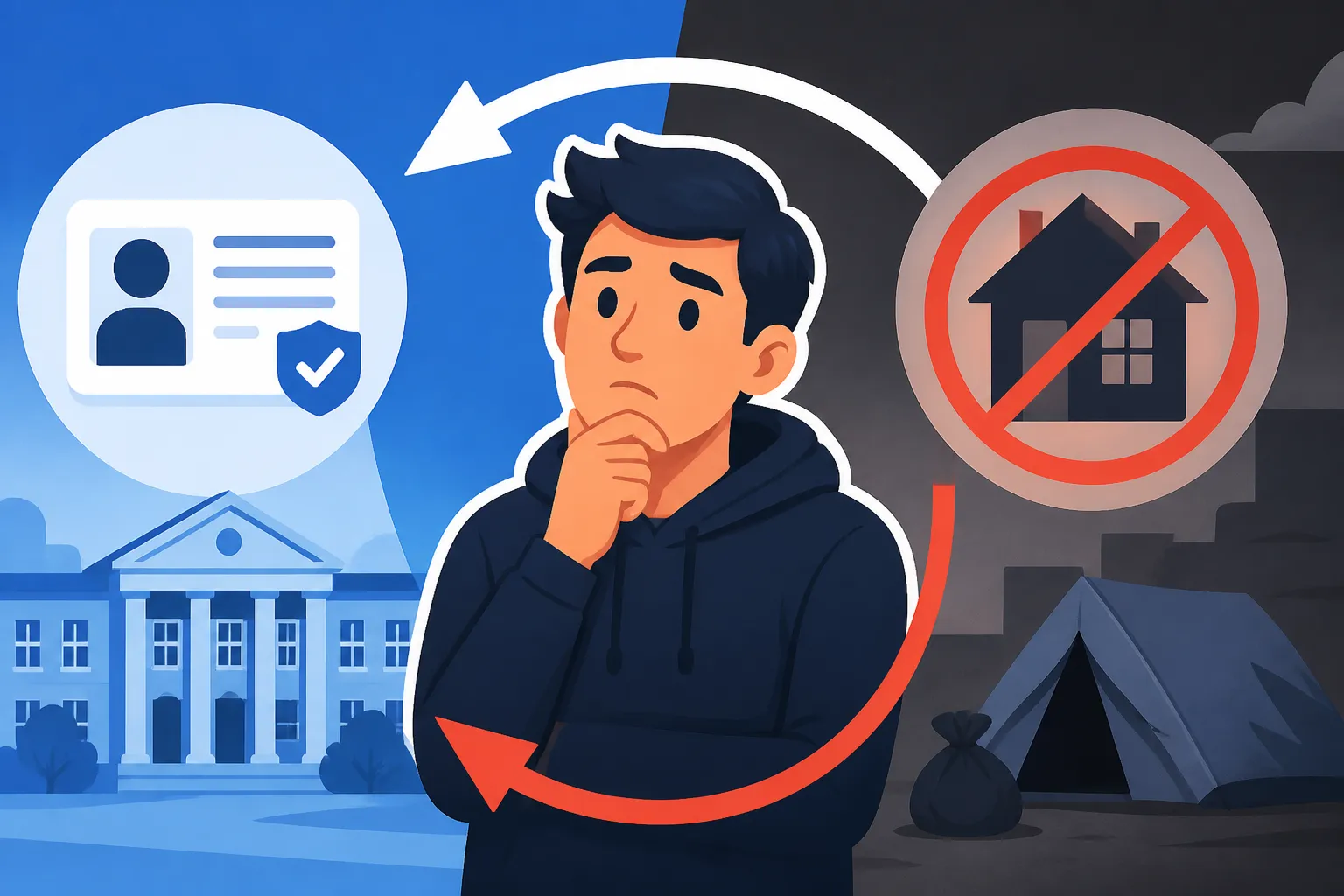
Moving to Denmark is a dream until you hit the administrative wall known as the CPR Catch-22. You need a CPR number to open a bank account, sign a phone contract, or even join a gym, but you cannot get a CPR number without a permanent address. Meanwhile, most landlords demand a CPR number before signing a lease. This guide explains how to break that cycle and secure your residency legally.
Understanding the Danish CPR Catch-22
The Central Person Register (CPR) number is the backbone of Danish society. It is a ten-digit identification number that follows you from the moment you arrive until the moment you leave (or forever, if you stay). Without it, you are effectively invisible to the state’s digital infrastructure. The "Catch-22" arises because the Danish Civil Registration Act requires you to have a "fixed place of abode" to register. For many expats, this creates a stressful period of limbo where you have a job and a salary but no way to receive it because you lack the bank account that requires the CPR number you can't get without the home you haven't found yet.
The physical manifestation of your CPR registration is The Yellow Health Card (Sundhedskort): Your Key to Danish Healthcare. This small plastic card is your most important document. It proves your right to use the public health system and serves as a primary form of ID in various non-governmental contexts. When you're stuck in the Catch-22, the lack of this card feels like a barrier to every basic necessity, from getting a library card to seeing a doctor for a persistent cough.
The frustration is compounded by the fact that Danish landlords are often wary of renting to people without a CPR number, fearing they might be "ghost tenants" or short-term visitors who will flee without paying the deposit. This creates a high-pressure environment where you are competing with locals who already have their paperwork in order. I remember sitting in a cafe in Vesterbro, staring at my laptop, realized I couldn't even buy a local SIM card to call a landlord because I didn't have a CPR. It is a hurdle that feels designed to keep you out, but it is manageable once you understand the loopholes and the sequence of operations.
Legal Requirements for CPR Registration
To register for a CPR number, you must generally stay in Denmark for more than three months (for EU citizens) or have a valid residence permit (for non-EU citizens). The municipality (Kommune) is the authority that handles this registration. You must physically report to the International Citizen Service (ICS) or the local Borgerservice with your passport, your residence permit or EU registration certificate, and, most crucially, a lease agreement or a statement from your landlord confirming you live at a specific address.
The address you provide must be a valid residential address. You cannot register at a business address, a post office box, or, in most cases, a hotel or a hostel. This is where the CPR Bopælspligt: The 180-Day Residency Requirement for Housing comes into play. Most residential properties in Denmark have an obligation for someone to be registered there. If you try to register at an address where the landlord hasn't cleared the "registration rights," your application will be rejected. Always ask a potential landlord: "Can I register my CPR at this address?" If the answer is anything other than a firm "Yes," walk away.
A common misunderstanding involves the "C/O address" (Care Of). You are legally allowed to register at a friend’s or a colleague’s house if they provide a written statement (boligerklæring) that you are living there. However, the municipality may investigate if they suspect "pro forma" registration—where you register at one place but actually live in another (like an Airbnb). The authorities are strict because the CPR number determines which municipality gets your tax money and which doctor you are assigned to.
Navigating the Search for CPR-Compliant Housing
Finding a place that allows CPR registration in cities like Copenhagen, Aarhus, or Odense is notoriously difficult. The market is flooded with "temporary" sublets that don't allow registration because the primary tenant is traveling and doesn't want to lose their own registration status. You must be vigilant. When browsing online, you will encounter many listings that look perfect but have the dreaded phrase "no CPR registration." These are often illegal sublets and should be avoided at all costs.
To save yourself the headache, use reputable platforms that cater to professionals and expats. Platforms like Spotahome are excellent because they verify listings and often clearly state whether CPR registration is possible. Using a service like Spotahome allows you to book a place before you even land in Denmark, giving you a "home base" from which you can immediately go to the Borgerservice to start your registration. This bypasses the week-long struggle of hopping between hostels while trying to convince a landlord on Facebook that you are a reliable tenant.
If you are doing the search yourself, you need to understand the red flags. BoligPortal vs. Facebook: How to Spot Rental Scams in Denmark is a vital comparison to read. Scammers frequently target new arrivals who are desperate for a CPR-eligible address. They might ask for a deposit via Western Union before you’ve seen the place or claim they are "working abroad" and will mail you the keys. Real Danish landlords will almost always use a standard contract (Typeformular A10) and expect payment via a Danish bank transfer, though they will make exceptions for your first month's rent if you haven't set up your local bank yet.
Strategies for New Arrivals Without a Lease
If you arrive without a permanent lease, don't panic. There are "soft landing" options. Some serviced apartments and "aparthotels" in Copenhagen, such as those in the Nordhavn or Ørestad districts, are specifically licensed to allow residents to register their CPR. These are more expensive than a standard room but are worth the investment for the first month just to get your paperwork moving. Once you have that first CPR registration, finding your next permanent home becomes significantly easier because you are no longer an "unregistered" foreigner.
Another strategy is to utilize the International Citizen Service (ICS). If you have a job contract, the ICS can sometimes provide guidance on temporary registration. However, they still require a physical address where you can receive mail. This is vital because your Yellow Card and your MitID activation code will be sent via physical post to that address. If you move before they arrive, you have to start the process over.
While you are waiting for your CPR and your permanent housing to align, you will still need to manage your daily life. One of the first hurdles is communication. You won't be able to get a standard Danish phone contract without a CPR number. Instead of relying on expensive roaming or hunting for a rare prepaid SIM card, I recommend using an eSIM provider like Airalo. You can download a Danish data plan through Airalo the moment you land at Kastrup airport. This keeps you connected to Google Maps and housing apps while you navigate the city, without needing any Danish ID.
Managing the Financial and Medical Gap
The gap between arriving and getting your CPR number is usually 3 to 6 weeks. During this time, you are in a "grey zone." For healthcare, you are not yet covered by the Danish public system. If you have an emergency, you will be treated, but for non-emergencies, you might face high bills. This is why many veteran expats suggest getting Expat Health Insurance: Coverage Before You Get Your CPR Number. It provides peace of mind while you wait for that yellow card to arrive in your mailbox.
Financially, you will be operating as a tourist. Most Danish shops are cashless, and while your foreign Visa or Mastercard will work, you will be hit with exchange fees. Furthermore, your employer cannot easily pay your salary until you have a NemKonto (an assigned "Easy Account"). To speed this up, look into Traditional Banks vs. Digital Banks (Lunar): Which is Best for Expats? once you have your residence permit. Some digital-first banks have slightly more streamlined processes for new arrivals, though they still ultimately require that CPR number to fully activate your account and give you access to the Using MitID for Banking: Security, Device Registration, and App Setup system.
If you find yourself needing medical attention before the card arrives, it is possible to see a doctor, but the process is different. You should read about Can You Go to the Doctor in Denmark Without a CPR Number? to understand the "private patient" fees and how to seek reimbursement later. Generally, the Danish system is very humane, and if you are an EU citizen, your EHIC card will cover you for necessary treatment during this transition period.
Transitioning to Your Permanent Home
Once the Catch-22 is broken and you have your CPR number registered at a temporary, legal address, the real house hunting begins. You will now be a much more attractive candidate for landlords. When you find your long-term apartment, you will need to pay significant upfront costs. It is standard to pay three months' rent as a deposit plus one to three months' of prepaid rent. Be sure to study Initial Rental Costs: Navigating Deposits and Prepaid Rent Laws so you aren't surprised by the massive initial transfer required.
When you finally move from your "soft landing" spot to your permanent home, the administrative work isn't over, but it is much simpler. You must report your change of address online. This is a mandatory step that ensures your tax records, health insurance, and digital mail follow you. You can do this easily by Changing Your CPR Address via Borger.dk When You Move. Within a week or two of reporting the move, a new Yellow Health Card will arrive in your mail with your new address and potentially a new GP (General Practitioner) located closer to your new home.
Finally, before you sign that final lease, double-check the specifics. Not all apartments are created equal in the eyes of the law. Use a checklist to ensure you aren't moving into a place that will cause future CPR issues. Knowing How to Check if an Apartment allows CPR Registration involves looking at the BBR (Building and Dwelling Register) or simply asking the landlord for proof that the unit is registered for residential use.
| Housing Type | CPR Registration Possible? | Best For | Typical Cost (DKK) |
|---|---|---|---|
| Hotel / Hostel | No | First 3-5 days | 600 – 1,200 / night |
| AirBnB | Rarely (Only with host permission) | Short-term stays | 8,000 – 15,000 / month |
| Serviced Apartment | Yes (Usually) | Soft landing / First 30 days | 12,000 – 20,000 / month |
| Private Room (Sublet) | Yes (If legal) | Students / Budget seekers | 4,000 – 7,000 / month |
| Full Apartment (Lease) | Yes (Always) | Long-term residency | 9,000 – 18,000 / month |
Final Practical Advice for the First Week
When you arrive, your priority should be:
- Internet Connectivity: Get your Airalo eSIM active before you leave the airport.
- Physical Address: Move into your pre-booked Spotahome or serviced apartment.
- SIRI/Municipality: Book your appointment for residency registration the moment you have your lease in hand.
- Banking: As soon as you get your CPR number, apply for a bank account. Check the Opening a Bank Account in Denmark: Document Checklist and Delays to ensure you have all your papers ready for the bank teller.
The CPR Catch-22 is a rite of passage for almost every foreigner in Denmark. It is stressful, it is circular, and it feels unnecessarily bureaucratic. But thousands of us have navigated it before you. Stay organized, keep your documents in a dedicated folder, and never pay a deposit for a "no CPR" apartment. Once you have that yellow card in your wallet, the rest of your Danish life will finally start to click into place.
Disclaimer
This guide is for informational purposes only and does not constitute legal or administrative advice. Danish immigration laws and local municipality requirements for CPR registration are subject to change. Always consult the official Borger.dk or LifeinDenmark.dk websites for the most current regulations. Individual circumstances regarding visa types and residency status may affect your eligibility for registration.