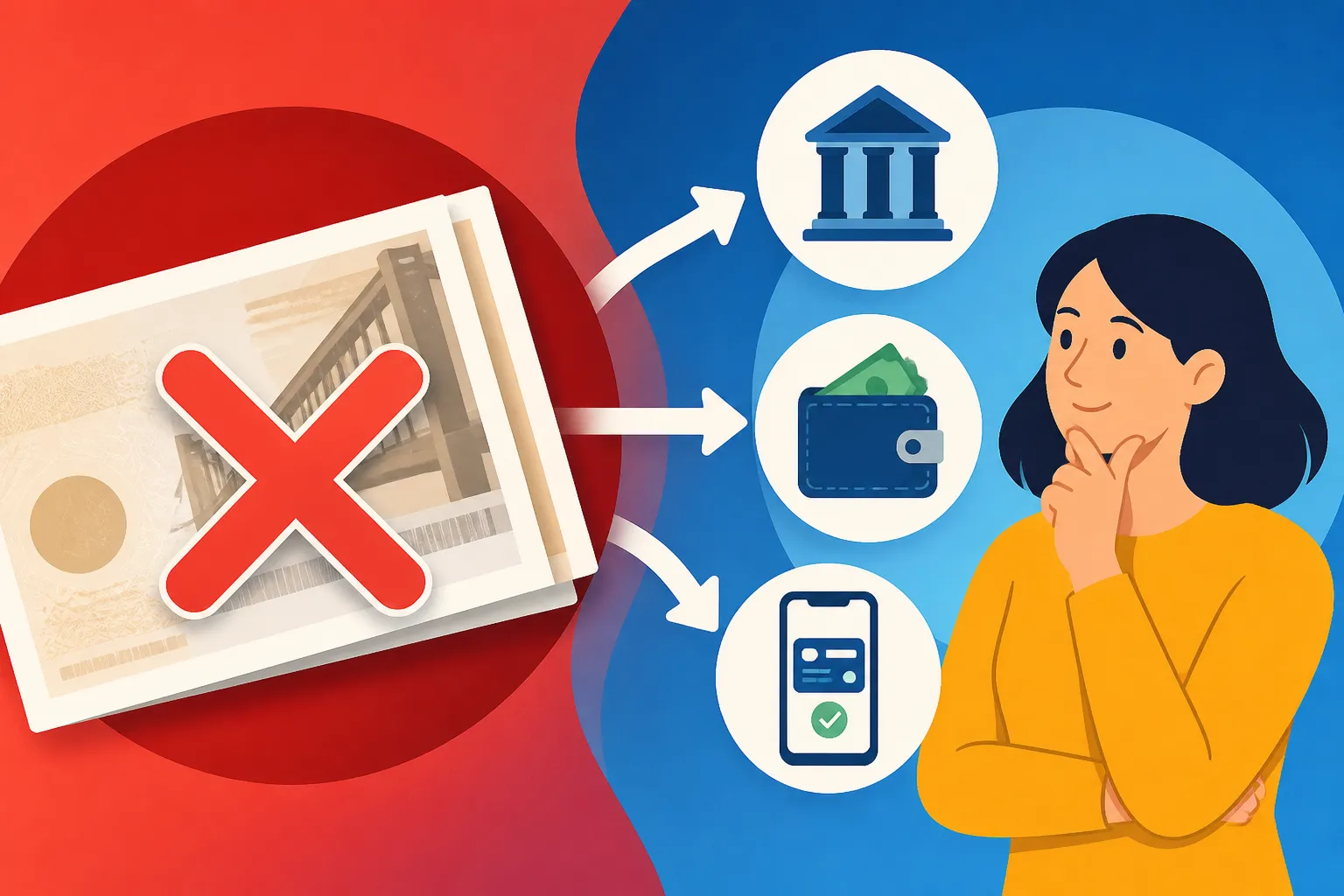
The 1000 DKK Note Phase-Out: What to Do with Old Danish Cash
Finding an old stash of Danish banknotes in a kitchen drawer or an old coat pocket used to be a pleasant surprise, but recently, it has become a source of genuine anxiety for many foreigners living in Denmark. With the Nationalbanken’s decision to phase out the 1000 DKK note and older banknote series, thousands of expats are suddenly scrambling to figure out how to offload high-value cash without triggering a fraud investigation or losing their money entirely. This guide walks you through the timelines, the legal hurdles, and the most practical ways to transition your physical cash into the digital Danish economy before it becomes worthless paper.
Understanding the Great Danish Cash Reset
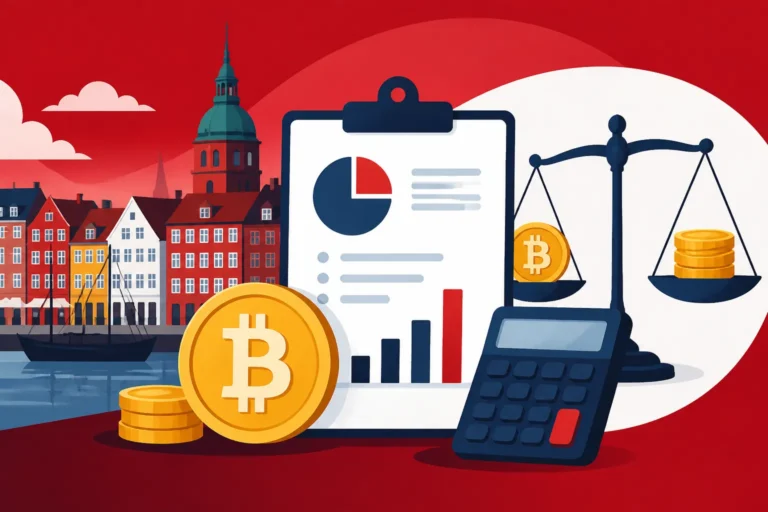
The decision to retire the 1000 DKK note did not happen in a vacuum. If you have lived here for more than a few months, you have likely noticed that Denmark is one of the most cashless societies on the planet. From the local flea market to the most remote hot dog stand in Jutland, everyone expects a digital payment. The 1000 DKK note, once a staple for major purchases, has increasingly become a tool of the "black economy" or simply a relic of the past. Nationalbanken officially announced that the 1000 DKK note will cease to be legal tender after May 31, 2025.
However, it is not just the "thousand-krone" note that is on the chopping block. All Danish banknote series issued before the current 2009 "bridge" series are also being phased out on the same schedule. This includes the older series with famous Danish authors and scientists that some long-term residents might still have tucked away. The goal is to streamline the currency system, making it harder for money laundering to occur and acknowledging the reality that cash is no longer "king" in the Nordics.
For those of us who arrived from countries where cash is still a primary way to pay rent or buy groceries, this shift can feel aggressive. I remember moving here and being shocked that I couldn't even pay for a coffee with a high-value bill without the barista looking at me like I was trying to pass a counterfeit. Understanding Money in Denmark: Banking, Payments, and Financial Setup for Expats is the first step in realizing that in Denmark, if the bank can't track it, they often don't want it. This phase-out is the final nail in the coffin for high-value physical currency in the country.
How to Legally Offload Your 1000 DKK Notes
If you are sitting on a stack of 1000 DKK notes, your first instinct might be to run to the nearest supermarket and buy a year's worth of rye bread. While shops are technically required to accept Danish cash within certain limits, the reality is much more complicated. Under the Danish Anti-Money Laundering (AML) Act, retailers are prohibited from accepting cash payments of 15,000 DKK or more. Even for smaller amounts, many shops are becoming increasingly hesitant to take the 1000 DKK note because they then have the burden of depositing it themselves.
Spending at Retailers and Supermarkets
The most straightforward way to use your old notes is to spend them on daily necessities. Supermarkets like Netto, Rema 1000, and Føtex are generally your best bet for smaller transactions. However, do not expect to walk in with ten 1000 DKK notes and buy a high-end television without questions. While they are legally obligated to accept cash, they are also obligated to report suspicious behavior. My advice is to use the notes for your weekly grocery shop or at larger department stores like Magasin or Illum where high-value transactions are more common.
If you are worried about the legalities of retailers refusing your money, it is worth reading up on Are Supermarkets Legally Required to Accept It? to understand where the lines are drawn. Generally, as long as the transaction is under the 15,000 DKK threshold, they should take it, but don't be surprised if the manager is called over to verify the note. It is a slow process, and in a country that prides itself on efficiency, you will feel the weight of those impatient stares from the people behind you in the queue.
Depositing via ATMs and Bank Branches
The most efficient way to handle a significant amount of cash is to deposit it directly into your Danish bank account. Most modern ATMs in Denmark, particularly those owned by Nordea or Danske Bank, have a "deposit" function. You simply insert your card, choose the deposit option, and feed the notes into the machine. The funds are usually credited to your account almost instantly.
However, there is a catch. Most banks have a daily or monthly limit for ATM deposits. If you try to deposit 50,000 DKK in a single day, the machine might reject the transaction, or worse, your account might be flagged for a manual review. If you have a large sum from a legitimate source—perhaps you sold a car or received a gift before moving—you should contact your bank first. Be prepared to provide documentation for the source of the funds. This is where Traditional Banks vs. Digital Banks (Lunar): Which is Best for Expats? differ; traditional banks have physical branches where you can talk to a human, whereas digital banks like Lunar might require you to use specific partner ATMs or jump through more digital hoops for large cash deposits.
| Option | Ease of Use | Speed | Risk/Hurdles |
|---|---|---|---|
| Retail Spending | Moderate | Fast | 15k DKK limit; merchant hesitation. |
| ATM Deposit | High | Instant | Daily limits; potential AML flags. |
| Branch Deposit | Low | Slow | Requires appointment; heavy documentation. |
| Currency Exchange | Low | Moderate | High fees; limited to smaller amounts. |
The Administrative Reality of High-Value Cash Deposits
This is where things get "very Danish" and, frankly, quite stressful for foreigners. In many countries, cash is private. In Denmark, cash is viewed with a level of suspicion that can feel like a personal insult. If you deposit a large amount of old 1000 DKK notes, the bank is legally required to ensure that this money isn't the result of tax evasion or "black work."
Documenting the Origin of Funds
When you show up at a bank or make a large deposit, they will ask: "Where did this money come from?" Saying "it was under my mattress" is the fastest way to get your account frozen. You need a paper trail. If you brought this cash into the country when you moved, did you declare it at the border? If it was a gift, do you have a signed letter from the donor? If you sold something on DBA (the Danish equivalent of eBay), do you have the sales receipt?
The bank’s compliance department is not your friend in this scenario; they are a regulatory barrier. If you cannot prove where the money came from, they may refuse the deposit entirely. For expats who are still navigating their Preliminary Tax Assessment (Forskudsopgørelse): Avoiding Tax Debt, a large unexplained cash injection into your bank account can also trigger an inquiry from SKAT (the Danish tax authority). They might assume this is undeclared income and tax it at your marginal rate, which can be over 50%.
Tax Implications and Reporting
It is crucial to understand that depositing old cash isn't just a banking hurdle; it's a tax hurdle. If you are an expat with complex financial ties back home, you might want to consult with Taxes for Expats to ensure that your cash holdings don't create a dual-taxation nightmare. SKAT has become incredibly sophisticated at tracking wealth, and the phase-out of the 1000 DKK note is effectively a giant dragnet to catch people with "mattress money" that has never been taxed.
If the money is legitimate savings from your home country, you should be fine, provided you have the bank statements showing the withdrawal from your foreign account. If you find yourself frequently moving money across borders to avoid these issues, using a service like Wise can help maintain a clear digital record of your transfers, which is much easier to explain to a Danish banker than an envelope full of 1000 DKK bills. Keep in mind that Taxes in Denmark Explained: A-Skat, AM-bidrag, and Marginal Rates apply to your worldwide income if you are a resident, so transparency is your only real protection.
Life After the 1000 DKK Note: Navigating Digital Denmark
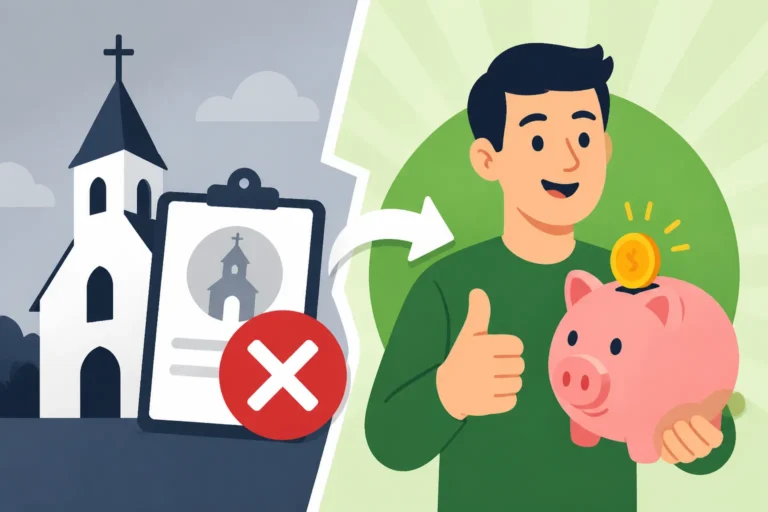
Once you have successfully cleared out your old notes, it is time to fully commit to the digital ecosystem. Denmark is not going back to cash. In fact, the phase-out of the 1000 DKK note is likely just the beginning of further restrictions on physical currency. To survive here without constant administrative headaches, you need to master the local digital tools.
Embracing MobilePay and Contactless
If you don't have MobilePay yet, stop reading and go set it up. It is the lifeblood of Danish society. Whether you are splitting a dinner bill, buying a used bike, or even paying for a small item at a bakery, MobilePay is the standard. It links directly to your Danish bank account and CPR number. For many of us, MobilePay and Cashless Denmark: Surviving Without Physical Cash was the biggest cultural hurdle to overcome, but once you use it, you'll realize why the 1000 DKK note is being retired. It’s simply faster and safer.
For those daily purchases where you would have used cash, the Dankort remains the most cost-effective way for merchants to take your money. Understanding The Dankort: Denmark’s National Debit Card and Why You Want One is essential because some smaller shops still have "Dankort only" policies to avoid the high fees associated with international Visa or Mastercard transactions. If you are relying on a foreign card, you might occasionally find yourself stuck at the checkout, wishing you had that 1000 DKK note—only to remember it’s no longer accepted.
Managing International Finances Digitally
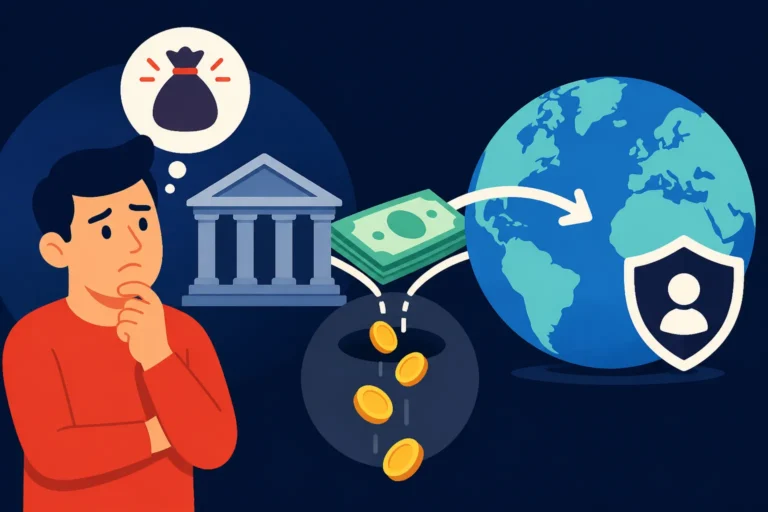
For expats, the struggle often lies in the middle—how to manage money between your home country and Denmark without getting crushed by bank fees or flagged by AML software. Using Wise for international transfers is a common strategy among the veteran expat community here because it provides a transparent, mid-market exchange rate and a clear digital trail that Danish banks respect. It beats the "old way" of carrying large amounts of cash across borders, which is exactly what the Danish government is trying to stop with this phase-out.
As you transition away from cash, keep an eye on Common Financial Scams Targeting New Expats in Denmark. Scammers are well aware that people are nervous about their old 1000 DKK notes and might offer "exchange services" or "safe harbor" for your cash. Never trust anyone who offers to "clean" or exchange your notes outside of official banking channels. The only safe places for your money are a registered Danish bank account or a reputable international payment platform.
The end of the 1000 DKK note is a clear signal: Denmark is moving into a future where every krone has a digital footprint. It can feel like a loss of privacy, and the administrative burden of proving your money is "white" can be exhausting. However, by acting now—well before the May 2025 deadline—you can avoid the long queues at the bank and the suspicious glares at the grocery store. Take your notes, document their source, and get them into the digital system where they can actually be used to build your life here in Denmark.
Disclaimer
This guide is for informational purposes only and does not constitute legal, financial, or tax advice. The rules regarding banknote validity and anti-money laundering procedures in Denmark are subject to change by Nationalbanken and the Danish Parliament. Always consult with a professional financial advisor or the Danish Tax Agency (Skattestyrelsen) regarding your specific financial situation and reporting obligations.