Using Private Medical Concierge Services in Copenhagen
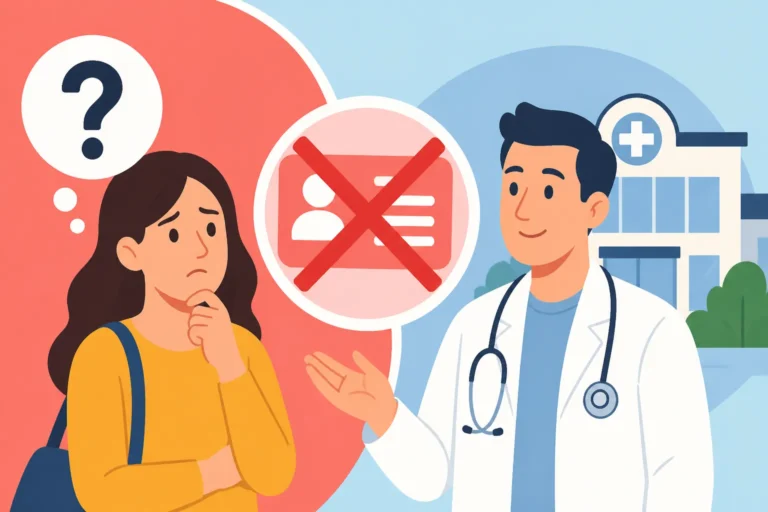
Navigating the Danish healthcare system can feel like trying to solve a Rubik's cube in the dark, especially when you are dealing with a screaming toddler or a chronic condition that just won't wait for a three-week referral. I remember sitting in a cold waiting room for four hours, clutching my chest and wondering if I’d ever see a doctor, only to be told to take some paracetamol and "see how it goes." This guide solves that frustration by detailing how private medical concierge services in Copenhagen offer a faster, more personalized alternative to the standard public route.
What Exactly is a Private Medical Concierge in Copenhagen
In Denmark, we are often told that the public system is the only way, and while it is high-quality, it is built on a "gatekeeper" model. A private medical concierge is essentially a premium, personalized healthcare management service that operates outside the standard municipal clinics. Unlike a standard GP who might have 2,000 patients on their books, a concierge doctor limits their patient list to provide "white-glove" service. This means you aren't just a CPR number in a database; you are a client with a direct line to a physician who knows your medical history by heart.
These services are particularly popular among the international community in Copenhagen because they bridge the cultural and linguistic gap that often exists in public clinics. When you use a concierge service, you are paying for time, access, and advocacy. These doctors will spend 45 minutes with you rather than the standard 10-minute slot allocated in the public system. They help you understand The Yellow Health Card (Sundhedskort): Your Key to Danish Healthcare and how to navigate the complexities of local pharmacies and specialists without the usual bureaucratic friction.
For many expats, the initial hurdle is simply getting into the system. If you are waiting for your paperwork to clear, you might find yourself in a vulnerable position. This is where services like SafetyWing can be a lifesaver, providing travel medical insurance that covers you while you are still in that "limbo" phase before your CPR number is issued. A medical concierge works perfectly alongside such insurance, as they can provide the immediate care you need while the public system is still processing your residency.
The Personalized Care Model vs Standard Clinics
The difference in experience starts from the moment you book. In a standard Danish clinic, you often have to call between 8:00 AM and 9:00 AM just to get a same-day appointment, and even then, it’s a gamble. A private concierge service usually offers 24/7 phone or video access. They act as your health "project manager," coordinating everything from blood tests to specialist consultations.
Furthermore, they often provide house calls—a concept that has largely disappeared from the public sector in Copenhagen. If you are living in an apartment in Østerbro and your child is too sick to be dragged through the rain to a clinic, having a doctor come to your door is worth every krone. They also take the time to explain the Danish approach to medicine, which can be quite conservative (the famous "wait and see" approach), and help you decide when you truly need to push for more aggressive diagnostics.
Navigating the Language Barrier with Medical Concierges
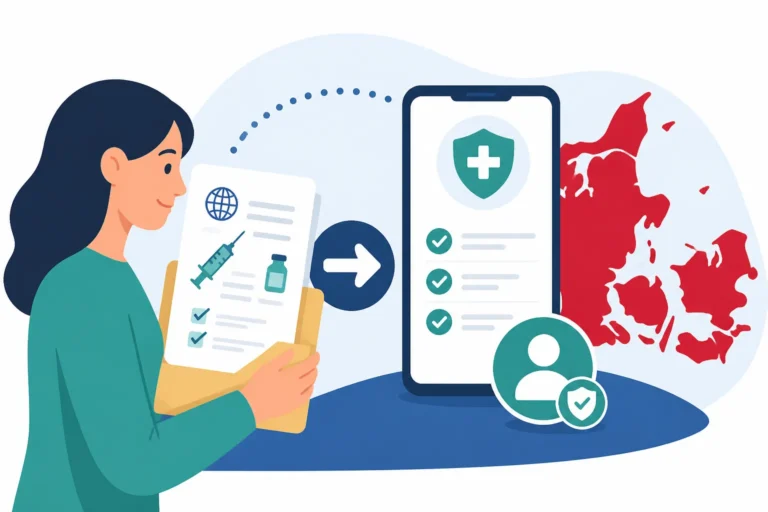
While almost every doctor in Denmark speaks English, there is a difference between speaking a language and providing care in a way that feels culturally familiar. Private medical concierges in Copenhagen often specialize in treating expats and diplomats. They understand that you might be used to a different "speed" of care from your home country. They can help translate your foreign medical records into the Danish context, ensuring that your previous diagnoses and treatments are correctly recognized by local authorities.
This is particularly important when you are trying to use Sundhed.dk and MitID: Navigating Denmark’s Digital Health Portals. These portals are the backbone of Danish health, but they are almost entirely in Danish. A concierge service can walk you through your records on these sites, explaining what the lab results mean and ensuring your "Medicinkort" (medicine card) is up to date.
Why Expats Choose Private Concierge Care Over Public Clinics
The most common reason I hear from fellow expats for switching to private care is the "Referral Wall." In the public system, you cannot simply decide to see a dermatologist or an ENT specialist. You must first convince your GP that it is necessary, and they act as a strict filter. If you have been through this, you know how exhausting it is to advocate for yourself when you feel unwell.
A private medical concierge has a much lower threshold for referrals. Because they are not bound by the same municipal budget constraints, they can refer you to private specialists across the city almost instantly. If you have comprehensive coverage from a provider like Cigna Global, these private specialist visits are often fully covered, allowing you to bypass the months-long waiting lists that plague the public hospitals.
Speed of Access and the Efficiency Gap
Time is the biggest luxury in Copenhagen's medical landscape. In the public system, a "non-urgent" referral for something like an MRI or a specialist consultation can take anywhere from six weeks to six months. For an expat who is only in Denmark for a two-year contract, waiting six months for a knee scan is unacceptable.
Medical concierges leverage their networks with private hospitals like Aleris or Capio to get you in within days. This efficiency is why many international companies include concierge medical access in their executive relocation packages. They know that a day lost to navigating the public health bureaucracy is a day of lost productivity. If you are managing your own care, understanding The Role of the GP: Why You Cannot Go Directly to a Specialist is the first step in realizing why a private alternative might be necessary for your peace of mind.
English-Speaking Expertise and Advocacy
It isn't just about the language; it's about the advocacy. In the public system, you are expected to be very autonomous. You get your referral, you find the specialist, you book the appointment, and you follow up on the results. A concierge service does all of this for you. They will call the specialist’s office, find the earliest opening, send over your files, and then call you to discuss the outcome.
For those with complex needs, this advocacy is vital. If you are Managing Chronic Conditions (Diabetes, Asthma) in the Danish System, having one point of contact who coordinates all your different doctors ensures that nothing falls through the cracks. They can also assist in Finding an English-Speaking Doctor: Directories and Local Strategies if you eventually decide to move back into the public system but want a GP who aligns with your specific needs.
| Feature | Public GP (Yellow Card) | Private Medical Concierge |
|---|---|---|
| Appointment Wait Time | 2-10 days typically | Same-day or next-day |
| Consultation Length | 10-15 minutes | 30-60 minutes |
| House Calls | Rare / Emergency only | Standard service option |
| Specialist Referrals | Strict gatekeeping / Long waits | Direct / Rapid access |
| Cost | Free at point of use | Annual fee or per-session |
| Communication | Phone (limited hours) | 24/7 Direct line / WhatsApp / App |
| Language | English usually available | English / Multilingual focus |
Essential Services Provided by Copenhagen Medical Concierges
The scope of a concierge service goes far beyond a simple check-up. These clinics are designed to be a "one-stop-shop" for the high-end expat experience. One of the most valued services is the comprehensive health screening. In Denmark, the public system does not really do "preventative annual physicals" in the way many Americans or Asians are used to. If you aren't sick, the public GP doesn't necessarily want to see you.
Concierge services, however, offer "Executive Health Checks" that include full blood panels, EKG, lung function tests, and even stress coaching. This proactive approach is a major draw for those who want to stay ahead of their health while living abroad. They can also help you manage the transition of medications, which is a frequent pain point for new arrivals.
24/7 Availability and Emergency Coordination
Nothing is more stressful than a medical emergency in a foreign country. While you should always call 112 for life-threatening issues, many situations fall into the "urgent but not an ambulance" category. The Danish public "Lægevagten" (after-hours doctor) can be difficult to reach and often involves long phone queues.
A concierge service provides a dedicated emergency number where you can speak directly to a doctor who knows you. They can advise you whether to stay home, go to a specific private clinic, or which public ER has the shortest wait. They can even meet you at the hospital to act as your translator and advocate with the staff. This level of support is why many families choose to supplement their public coverage with private options, often supported by international plans from companies like Cigna Global. Understanding the nuances of Emergency Medical Care in Denmark: Calling 112, Lægevagten, and ERs is crucial, but having a concierge doctor on speed dial makes that knowledge much easier to use.
Coordination with Private Health Insurance
Most private medical concierges in Copenhagen are well-versed in working with international insurance providers. They understand how to document visits and treatments so that you can easily claim them back. If you are considering Private Health Insurance (Sygeforsikring "danmark"): Is It Worth It?, a concierge doctor can help you understand which "Groups" or levels of coverage will best subsidize your private treatments.
They can also assist with the paperwork for Expat Health Insurance: Coverage Before You Get Your CPR Number. For digital nomads or those on short-term assignments, using a service like SafetyWing alongside a private concierge ensures that you have a "safety net" that functions just as well, if not better, than the local system from day one.
How to Find and Vet a Private Concierge Service
Copenhagen has a growing number of private clinics, but not all offer a true "concierge" experience. When looking for a provider, you should ask about their patient-to-doctor ratio. If they don't limit their intake, they aren't providing a concierge service; they are just a private clinic.
You should also look for a service that is centrally located, perhaps near the major expat hubs in Indre By or Hellerup. Check if they have a digital platform or app for easy communication. The ability to text your doctor a photo of a rash or a question about a prescription dosage is one of the primary benefits you are paying for.
Integration with the Danish Digital Health System
Even though they are private, the best concierge doctors in Copenhagen will still integrate with the national systems. They should be able to upload your prescriptions to the "FMK" (Fælles Medicinkort) so you can pick up your medication at any Pharmacies in Denmark: Apotek Rules, Prescriptions, and Subsidies.
Make sure they can also see your records from the public system (with your permission). This ensures that if you do end up in a public hospital for an emergency, your concierge doctor can follow your progress and coordinate your care once you are discharged. This "hybrid" approach—using the best of private speed and public infrastructure—is the gold standard for expat health in Denmark.
Costs and Membership Models
Most concierge services in Copenhagen operate on a membership model. You pay an annual fee that covers a certain number of consultations, 24/7 access, and administrative support. Others might offer a "pay-as-you-go" model for expats who only want to use the service for specific issues, like navigating a complex referral.
Before signing up, verify if your insurance (such as Cigna Global) will reimburse the membership fee or only the individual consultation costs. Some premium expat packages from major employers will cover the entire membership, recognizing it as a vital part of "duty of care" for their employees.
Final Thoughts on Private Care in Copenhagen
Ultimately, using a private medical concierge isn't about saying the Danish public system is bad—it’s about recognizing that as an expat, your needs are different. You don't have twenty years of experience navigating the local "rules," you might not speak the language fluently, and you likely don't have a local family network to help you during a crisis.
A concierge service provides the peace of mind that comes with knowing you have a professional advocate in your corner. Whether it's getting a same-day appointment for a flu-ridden child or bypassing a six-month wait for a specialist, the investment in private care often pays for itself in reduced stress and better health outcomes. As you settle in, take the time to research your options and perhaps book an initial consultation to see if a specific doctor's style matches your expectations.
Disclaimer
This article is for informational purposes only and does not constitute professional medical or legal advice. Healthcare regulations and insurance policies in Denmark can change; always verify current requirements with official Danish authorities or a qualified legal professional. The mention of specific brands does not imply a medical endorsement.