Hearing Care: Accessing Hearing Aids Through the Public System
Trying to follow a conversation at a crowded café in Vesterbro or catching the nuances of a Danish colleague's soft-spoken advice during a meeting can be exhausting when your hearing isn't what it used to be. I remember the sinking feeling of realizing I was nodding along to sentences I only half-heard, terrified I’d miss a crucial detail about my residency status. This guide clears the fog on how to navigate the Danish public system to secure hearing aids, from your first GP visit to fitting the right device.
Understanding the Danish Dual Hearing Care System
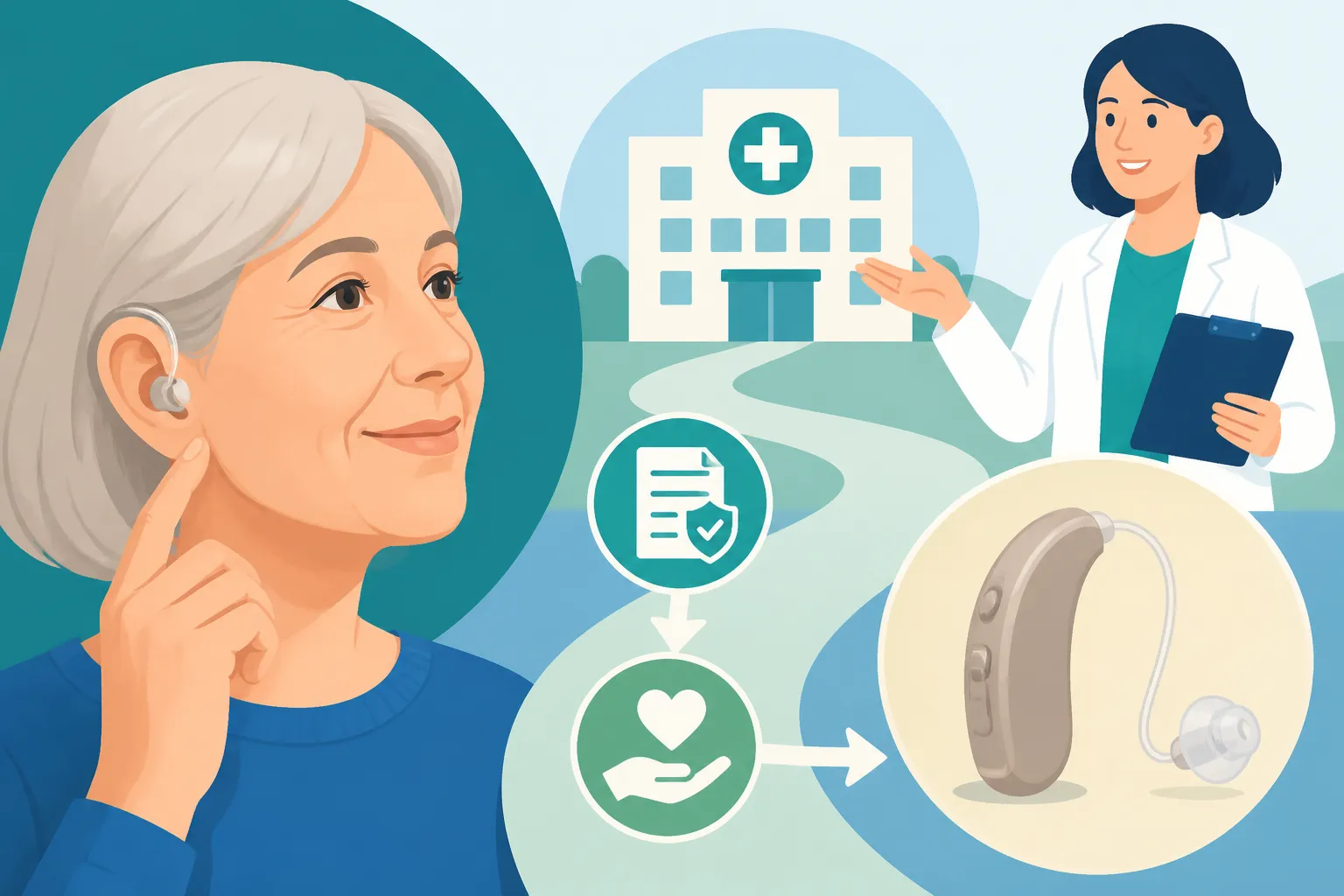
Denmark operates a unique hybrid system when it comes to hearing health. Unlike some countries where you are either entirely in the public system or entirely on your own in the private market, Denmark allows residents to choose between fully subsidized care at a public hospital or a subsidized "voucher" system for private clinics. It is a world-class system, but it requires a bit of strategic planning to navigate effectively.
The Public Hospital Route vs Private Clinics
If you choose the public hospital route, the entire process—including the consultation, the hearing tests, the hearing aids themselves, and all follow-up adjustments—is completely free of charge. You don’t pay a single krone out of pocket. However, the trade-law here is time. Public hearing clinics are notorious for long waiting lists, sometimes stretching from six months to over a year depending on your region. This is where Healthcare in Denmark for Foreign Residents: Complete System Guide (2027) becomes essential reading, as it explains the broader infrastructure you are stepping into.
Private clinics offer a much faster alternative. If you have a referral from an ear specialist, the Danish state provides a fixed subsidy (tilskud) to help cover the cost of hearing aids purchased through a private dispenser. This subsidy is currently around 6,700 DKK for two hearing aids (or half that for one). If you choose a high-end model that costs 15,000 DKK, you pay the difference. For many expats, the speed of private care is worth the cost, especially if they have supplementary coverage from providers like Cigna Global.
Eligibility and the Role of the Yellow Card
To access any of these subsidies or free services, you must be covered by the Danish public health insurance. This means you must have a CPR number and your physical or digital Sundhedskort. New arrivals are often told that The Yellow Health Card (Sundhedskort): Your Key to Danish Healthcare is more valuable than your passport for daily life. Without it, you are effectively a tourist in the eyes of the healthcare system.
For those who are in the "limbo" period—perhaps you’ve just arrived and are waiting for your CPR registration to clear—it is vital to have a safety net. This is where Expat Health Insurance: Coverage Before You Get Your CPR Number becomes relevant. While you wait for the state system to kick in, services like SafetyWing can provide the necessary medical bridge, though they typically cover acute issues rather than chronic hearing aid fittings. Once you are registered, Understanding CPR Registration and Your Healthcare Entitlement ensures you are officially in the system.
The Four Year Rule for Replacements
The Danish system is generous, but it has boundaries. Whether you go through a public hospital or use a private subsidy, you are generally only eligible for new hearing aids every four years. The state views this as the standard lifespan for the technology. If you lose your hearing aids or they break beyond repair before the four-year mark, you may have to cover the full cost of a replacement yourself, unless you have specific insurance or can prove a significant change in your hearing levels.
The First Step Starting Your Journey with the GP
Everything in the Danish medical world starts with your General Practitioner. You cannot simply walk into an audiology clinic and demand a subsidy; the "gatekeeper" system is strictly enforced. My first experience with this involved a bit of frustration because I wanted to skip the line, but I quickly learned that The Role of the GP: Why You Cannot Go Directly to a Specialist is a fundamental rule of Danish efficiency.
Securing Your Referral
Book an appointment with your doctor and explain your hearing difficulties. Be specific about how it affects your life—whether it's at work, in social settings, or while trying to learn the language. Your GP will perform a basic check to ensure your hearing loss isn't caused by something simple like earwax buildup. Once they confirm a potential issue, they will issue an electronic referral (henvisning).
At this stage, you should also ensure you are comfortable with your doctor. If you feel there's a language barrier or they aren't taking your concerns seriously, remember that you have the right to switch. Check out How to Choose and Change Your General Practitioner (GP) in Denmark for the logistics of finding a doctor who better fits your needs.
Finding an Ear Nose and Throat Specialist
Once you have your referral, you need to find an ENT specialist (Ørelæge). Unlike the GP, where you are assigned to one specific doctor, you can choose any ENT specialist who has an agreement with the public health service. You can find these on Sundhed.dk. Most specialists have their own waiting lists, but they are usually much shorter than hospital clinics.
During this visit, the specialist will conduct a more thorough examination to rule out underlying medical conditions that might require surgery or medication rather than just hearing aids. They will then "activate" your right to the hearing aid subsidy or place you on the hospital waiting list. This is a critical part of Finding Medical Care in Denmark: GPs, Specialists, and Referrals that many foreigners find confusing.
Navigating the Digital Paperwork
After your ENT visit, the referral will be visible in your digital health folder. You can access this via the Sundhed.dk portal or the Min Læge app. It’s a good idea to get used to these platforms early. Everything from your lab results to your hearing test data will be stored here. If you are struggling with the digital setup, Sundhed.dk and MitID: Navigating Denmark’s Digital Health Portals offers a step-by-step walkthrough.
Choosing Between Public and Private Care
This is the most significant decision you will make in the process. It’s a choice between "Free but Slow" and "Fast but Potentially Costly." Having lived through both sides of the Danish system, I can tell you that your current employment status and financial flexibility will likely dictate your path.
The Public Hospital Experience
If you opt for the public route, your ENT specialist will send your data to the audiology department of your local hospital (e.g., Gentofte Hospital in Copenhagen or Aarhus University Hospital). You will then receive a letter in your e-Boks with an appointment time. Be prepared: the "Garantifrister" (waiting time guarantees) for hearing aids are often suspended or extended due to high demand.
The advantage of the hospital is the clinical expertise. If you have complex hearing loss or a history of ear surgery, the hospital specialists are often better equipped than a standard high-street clinic. For more on how hospital rights work, see Waiting Times in Danish Public Hospitals and Patient Rights. While the technology provided is "standard," Danish standard is actually very high, often including modern digital brands like Oticon or Widex (which are, incidentally, Danish companies).
The Private Clinic Subsidy (Voucher)
If the waiting list is too long—say, 50 weeks—and you need to hear for your job tomorrow, you take the private route. You simply find an authorized private hearing clinic (Høreklinik). Tell them you have a referral from an ENT. They will conduct their own hearing tests and show you a range of models.
The clinic will handle the paperwork to claim the state subsidy for you. However, be wary of the sales pitch. Private clinics are businesses. They might try to sell you a model that costs 20,000 DKK, claiming the "free" or "fully subsidized" models aren't good enough. In reality, most people find the models that fit within the subsidy range to be quite adequate for normal daily life. If you have an international policy with Cigna Global, you might even be able to claim back the surplus cost, depending on your plan’s "Optical and Hearing" riders.
Comparing Your Options
| Feature | Public Hospital | Private Clinic |
|---|---|---|
| Cost | 100% Free | Subsidized (Tilskud of ~6,700 DKK) |
| Waiting Time | Long (6–18 months) | Short (1–4 weeks) |
| Choice of Device | Limited to state-contracted models | Wide range of brands and styles |
| Batteries/Parts | Free (often mailed to you) | You pay (though some offer service deals) |
| Follow-up | Structured but can be hard to book | Very flexible and personalized |
Financial Subsidies and Private Insurance
Understanding the money trail is the best way to avoid "sticker shock." While the Danish system is robust, the costs associated with maintenance, batteries, and high-end tech can add up over that four-year cycle.
How the Subsidy is Calculated
The subsidy is adjusted annually. It is designed to cover a "reasonable" device. If you are an EU citizen, the rules are fairly straightforward, but if you are here on a work visa, you should confirm your rights haven't changed. For those looking for extra peace of mind, Private Health Insurance (Sygeforsikring "danmark"): Is It Worth It? is a must-read. If you are a member of "danmark" (the private insurance association), they offer additional reimbursements for hearing aids that can significantly lower your out-of-pocket costs.
Ongoing Costs and Maintenance
Once you have your hearing aids, the costs don't stop. You’ll need batteries, filters, and occasionally new domes or molds. In the public system, you can often order batteries for free through a central portal like Oticon's "Battery Service" for the regions. In the private system, you usually buy them yourself. Pharmacies in Denmark: Apotek Rules, Prescriptions, and Subsidies can be a source for cleaning supplies, though most specialized clinics have better prices for specific hearing aid accessories.
For expats who travel frequently, consider if your devices are insured against loss abroad. Standard Danish home insurance (Indboforsikring) often covers them, but check your policy. If you are still using SafetyWing for your travel segments, ensure you understand their "valuable items" clauses, although hearing aids are typically classified as medical prosthetics.
Upgrading Your Technology
Every year, hearing aid technology improves—AI noise reduction, Bluetooth streaming to your iPhone, and rechargeable batteries are now standard. If you want the "Ferrari" of hearing aids, you will almost certainly have to go private and pay a top-up. Cigna Global plans often have higher limits for such medical appliances, which can make the difference between a basic device and one that allows you to stream your favorite podcasts directly to your ears while cycling through Copenhagen.
Practical Life with Hearing Aids in Denmark
Wearing hearing aids in Denmark is socially very common; the country is a global leader in audiology technology, so there is very little stigma. However, there are practicalities to consider, especially given the Danish climate and lifestyle.
Biking and Weather Considerations
The Danish wind is the enemy of hearing aid microphones. If you are a year-round cyclist, look for models with wind-noise reduction. Also, remember that Denmark is damp. Moisture is the leading cause of hearing aid failure here. Investing in a "drying box" or a dehumidifier station is essential for keeping your devices functional through the rainy autumn months.
Workplace Support and Accommodations
If your hearing loss affects your ability to work, the Danish municipality (Kommune) can sometimes provide additional assistance. This might include specialized equipment for your office, such as "Roger" pens or FM systems for meetings. This falls under the "Social-Medical" support system, which is separate from the standard healthcare system. It's worth discussing this with your HR department or the local Jobcenter if you are struggling.
Social Integration and the Language Barrier
Learning Danish is hard enough without a hearing impairment. If you are attending Sprogcenter classes, tell your teacher about your hearing aids. Most classrooms in Denmark are equipped with acoustic dampening, but being seated at the front can make a massive difference in catching the "stød" and other subtle Danish pronunciation markers.
Digital Management and Sundhed.dk
Today, the Danish health system is almost entirely paperless. Your hearing test results, your "hearing aid passport," and your follow-up schedule will all be managed through your digital ID.
Using the Sundhedskort App
While you’ll get a physical card, the Sundhedskort app is what you’ll use most. When you arrive at an ENT specialist or a hospital clinic, you scan your phone at the terminal to check in. This triggers the system to notify the staff you are there. If you haven’t set this up yet, check The Yellow Health Card (Sundhedskort): Your Key to Danish Healthcare for the digital setup guide.
Accessing Your Medical History
On Sundhed.dk, you can see exactly what the doctor wrote about your hearing. This is incredibly helpful if you need to provide records to an international insurer like Cigna Global or if you move to a different region in Denmark and need to show your new GP your history. Transparency is a hallmark of the Danish system, and as an expat, you have full access to these files in English through most browser translation tools.
Repairs and Emergency Care
If your hearing aid stops working on a Friday afternoon, don't panic. While you usually go back to your dispensing clinic, some regions have "hearing technical departments" (Høreteknisk afdeling) that handle emergency repairs. If your hearing loss is sudden and accompanied by pain or dizziness, that is a medical emergency. In those cases, you should bypass the hearing aid clinic and follow the protocols in Emergency Medical Care in Denmark: Calling 112, Lægevagten, and ERs.
Disclaimer
This guide is for informational purposes only and reflects the Danish healthcare system as of 2026. Health regulations, subsidy amounts, and waiting times can change frequently based on political decisions and regional budget adjustments. Always consult with your local General Practitioner or a certified audiology professional before making decisions regarding your hearing health. Private insurance coverage depends entirely on your individual policy terms with providers such as SafetyWing or Cigna Global.