What to Say When Calling Lægevagten (Out-of-Hours Doctor)
Waking up at 2 AM with a screaming toddler or a sudden, sharp pain in your side is terrifying when you are in a foreign country. I remember my first midnight health scare in Aarhus, staring at my phone and wondering if the operator would even understand my panicked English or if I’d be told to just wait until morning. This guide provides the exact scripts, phone numbers, and cultural "hacks" you need to navigate Lægevagten effectively.
Understanding the Role of Lægevagten in the Danish System
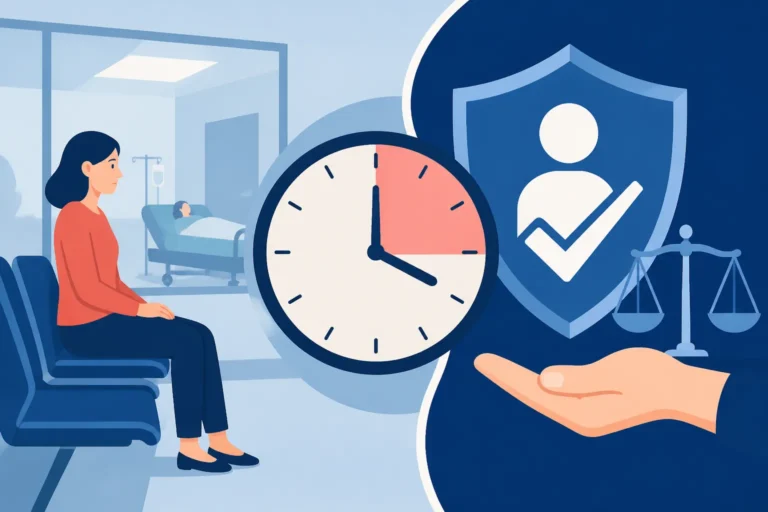
Before you even pick up the phone, you have to understand where Lægevagten fits into the Danish healthcare hierarchy. Unlike some countries where you might head straight to an Urgent Care center or a private clinic, Denmark is very structured. During the day, your point of contact is always your own doctor. But from 4:00 PM to 8:00 AM on weekdays, and 24 hours a day on weekends and public holidays, your regular GP is closed. This is when Lægevagten (the "Doctor on Watch") takes over.
It is important to remember that this is not a service for convenience. If you call about a stubbed toe that happened three days ago or a prescription renewal for hay fever, the triage nurse will likely be quite firm with you. They are there for acute illnesses that cannot wait until your GP opens. If you are a newcomer and haven't navigated this yet, you might want to read about The Role of the GP: Why You Cannot Go Directly to a Specialist to understand why the "gatekeeper" system is so strictly enforced here.
The system is designed to triage. This means they are constantly filtering who actually needs to see a doctor in person and who can be managed at home with a bit of advice. As an expat, this can sometimes feel dismissive, but it’s just the Danish way of managing resources. If you are still in your first few months and don't have your CPR number yet, you might be relying on Expat Health Insurance: Coverage Before You Get Your CPR Number or a private provider like SafetyWing to bridge the gap before the public system fully kicks in.
Regional Numbers: Who Do You Actually Call
One of the most confusing things for foreigners is that there isn't just one "Lægevagten" phone number for the whole country. Denmark is divided into five administrative regions, and each has its own system. Calling the wrong one will result in a polite but frustrating redirection.
| Region | Area Covered | Phone Number |
|---|---|---|
| Region Hovedstaden | Copenhagen and North Zealand | 1813 |
| Region Sjælland | Roskilde, Køge, Næstved, etc. | 70 15 07 00 |
| Region Syddanmark | Odense, Esbjerg, Vejle, etc. | 70 11 07 07 |
| Region Midtjylland | Aarhus, Randers, Horsens, etc. | 70 11 31 31 |
| Region Nordjylland | Aalborg, Hjørring, Thisted, etc. | 70 150 300 |
If you are living in the capital, you are likely looking for Emergency vs. Out-of-Hours Care: When to Call Lægevagten (1813). The 1813 service in Copenhagen is slightly different as it is staffed by nurses who can also direct you to the emergency room, whereas in other regions, you are often speaking directly to a system that routes you to a rotating pool of GPs.
The Checklist: What to Have Ready Before You Dial
In the heat of the moment, it’s easy to forget basic details. The person on the other end of the line is working through a digital form, and they cannot proceed without specific data points. I always keep a "medical "cheat sheet" on my fridge just in case.
Your CPR Number is Non-Negotiable
The first thing you will be asked for—often by an automated voice before you even reach a human—is your 10-digit CPR number. This is the key to your entire medical history. If you are calling for your child, have their number ready, not yours. If you are a tourist or a brand-new expat without a CPR, you can still call, but be prepared for a longer manual registration process. In these cases, having your policy details from Cigna Global or SafetyWing handy can help if you end up needing to visit a private facility later. You should also check out The Yellow Health Card (Sundhedskort): Your Key to Danish Healthcare to understand why this card is so vital.
Current Temperature and Medication
The nurse will almost certainly ask: "Does the patient have a fever?" Don't guess. Take the temperature before you call. Also, be ready to list any medication already taken. If you’ve already given your child liquid paracetamol, know the exact dosage and the time you gave it. If you have been managing a chronic condition, keep your Using the Medicinkortet App: Managing Your Prescriptions Digitally open so you can read off the exact names of your medications.
Your Exact Location
If the situation is deemed serious enough for a home visit (which is rare but possible) or if they need to send you to the nearest "akutklinik" (urgent care station), they need to know exactly where you are. If you are staying at an Airbnb or a hotel, have the address written down.
The Conversation: A Step-by-Step Script
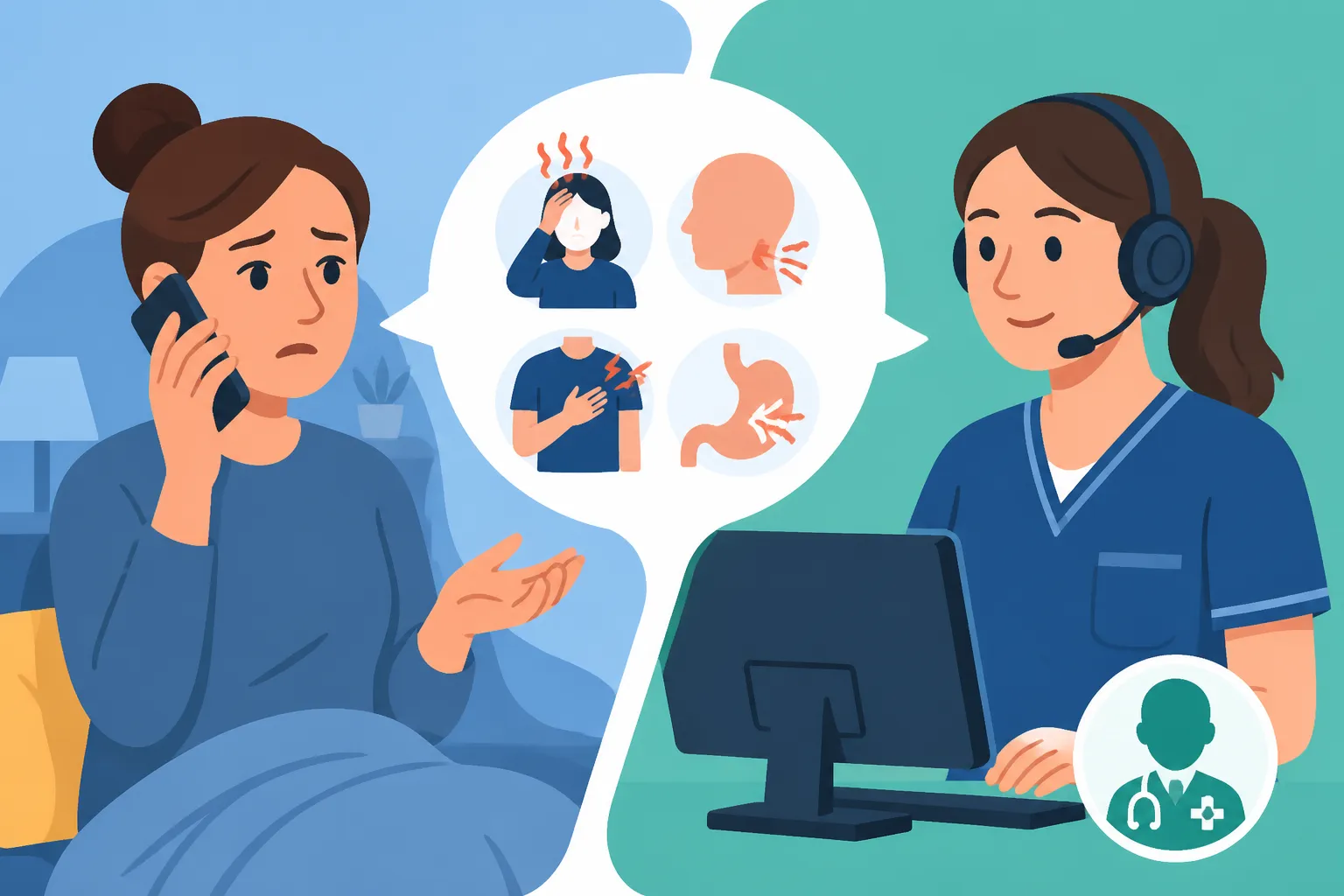
When the nurse answers, they will usually say "Lægevagten, det er [Name]." You can immediately respond in English. Almost all medical staff in Denmark speak excellent English, though they may appreciate it if you ask, "Is it okay if we speak English?" first.
Step 1: The Brief Summary
Start with the most "alarming" symptom first.
- Bad: "Hi, I've been feeling a bit off all day and I have a headache and my stomach hurts."
- Good: "I am calling because I have a sudden high fever of 40.2 and a very stiff neck."
Step 2: Describing the Pain
Danish doctors love specifics. Instead of saying "it hurts a lot," use a scale of 1 to 10. Describe the type of pain: is it "stikkende" (stabbing), "murende" (a dull ache), or "brændende" (burning)? If you are unsure of the terminology, our guide on Finding Medical Care in Denmark: GPs, Specialists, and Referrals can help you prepare for these descriptions.
Step 3: The Triage Questions
Be prepared for the nurse to push back. Their job is to keep people out of the hospital if possible. They might ask:
- "Can the patient drink water?"
- "Is the patient conscious and alert?"
- "Have you tried Panodil or Ibumetin?"
Do not take this as them not caring. They are following a clinical algorithm. If you feel the situation is truly urgent, be firm but polite. You are your own best advocate. If you have a complex medical history, it helps to mention that your records are available on How to View Your Medical Records and Lab Results on Sundhed.dk for them to check.
Common Outcomes: What Happens Next?
Once you’ve finished your "interview," the nurse or doctor will make one of three decisions.
1. Telephone Advice
This is the most common outcome. They will tell you to stay hydrated, take over-the-counter pain relief, and call your own GP at 8:00 AM. If this happens, don't feel like you've failed. You now have a record in the system that you called, which can be helpful if the condition worsens later. For advice on what you can buy without a prescription, see Pharmacies in Denmark: Apotek Rules, Prescriptions, and Subsidies.
2. Consultation at a Clinical Hub
They may ask you to come to a specific hospital or clinic. Note that you cannot just show up; you must be invited. They will give you a time slot. Be prepared to travel, as the "Lægevagt" stations are often centralized. When you arrive, remember that you must scan your card—this is a strict rule. Read more on Why You Must Scan Your Yellow Card in the Waiting Room so you don't sit there for hours without being seen.
3. Home Visit or Ambulance
If the patient is too ill to move (e.g., a very elderly person or someone with severe mobility issues), a doctor might come to you in a "Lægevagtbil." If the situation is life-threatening, the nurse will bypass Lægevagten entirely and patch you through to the 112 dispatch for an ambulance. If you are worried about the cost of this, rest assured that for residents, this is covered, but tourists should check Emergency Medical Care in Denmark: Calling 112, Lægevagten, and ERs for details.
Cultural Nuances: Why They Might Say "Wait and See"
The Danish medical culture is famously conservative when it comes to intervention. In many countries, a fever in a child results in an immediate prescription for antibiotics. In Denmark, the philosophy is "se tiden an"—wait and see. They prefer to let the body fight off viral infections naturally.
This can be incredibly frustrating for expats who are used to more proactive care. If you are told to wait, ask for "red flags." Say: "I understand I should wait, but what symptoms should trigger another call to you?" This shows the nurse you are willing to cooperate but also that you need a safety net. If you have private insurance like Cigna Global, you might have access to a secondary "telehealth" service where you can get a second opinion from a doctor in your home country for peace of mind.
For those managing ongoing issues like mental health, the out-of-hours service is generally for crisis only. If you need more long-term support, you should look into Mental Health in Denmark: Accessing Psychologists and Therapy for Expats during normal business hours.
Navigating the Language Barrier with Kids
When your child is sick, your stress levels are 10x higher. Danish pediatric care is excellent, but it is very focused on the child's general "trivsel" (well-being). The nurse will ask if the child is playing, smiling, or interested in a screen. If the child is lethargic and won't drink, that is a major red flag in Denmark.
If you are a parent, it's a good idea to familiarize yourself with Family Health Information in Denmark: Pregnancy, Maternity, and Pediatric Care before an emergency happens. Knowing the Danish names for childhood illnesses (like "skoldkopper" for chickenpox or "mellemørebetændelse" for an ear infection) can make the Lægevagten call much smoother.
Practical Tips for the Call
- Don't call from a noisy room: The connection to the regional hubs can sometimes be grainy.
- Use a headset: You might be on hold for 10-20 minutes during peak times (like Sunday evenings).
- Write down the instructions: When the doctor speaks, you might forget the specific dosage or the clinic address they give you.
- Check the pharmacy hours: If they prescribe something, you'll need to find a "døgnapotek" (24-hour pharmacy). Your caller will usually tell you which one is closest.
If you are an EU citizen, make sure you have your Blue Card ready if you haven't received your Yellow Card yet. You can find more about this in our guide on Healthcare for EU/EEA Citizens: Using the Blue EHIC Card in Denmark.
Disclaimer
This article is for informational purposes only and does not constitute professional medical advice, diagnosis, or treatment. Always seek the advice of your physician or other qualified health provider with any questions you may have regarding a medical condition. Never disregard professional medical advice or delay in seeking it because of something you have read in this guide. If you are experiencing a life-threatening emergency, dial 112 immediately.