How Long is the Wait for a Psychologist Referral in Denmark?
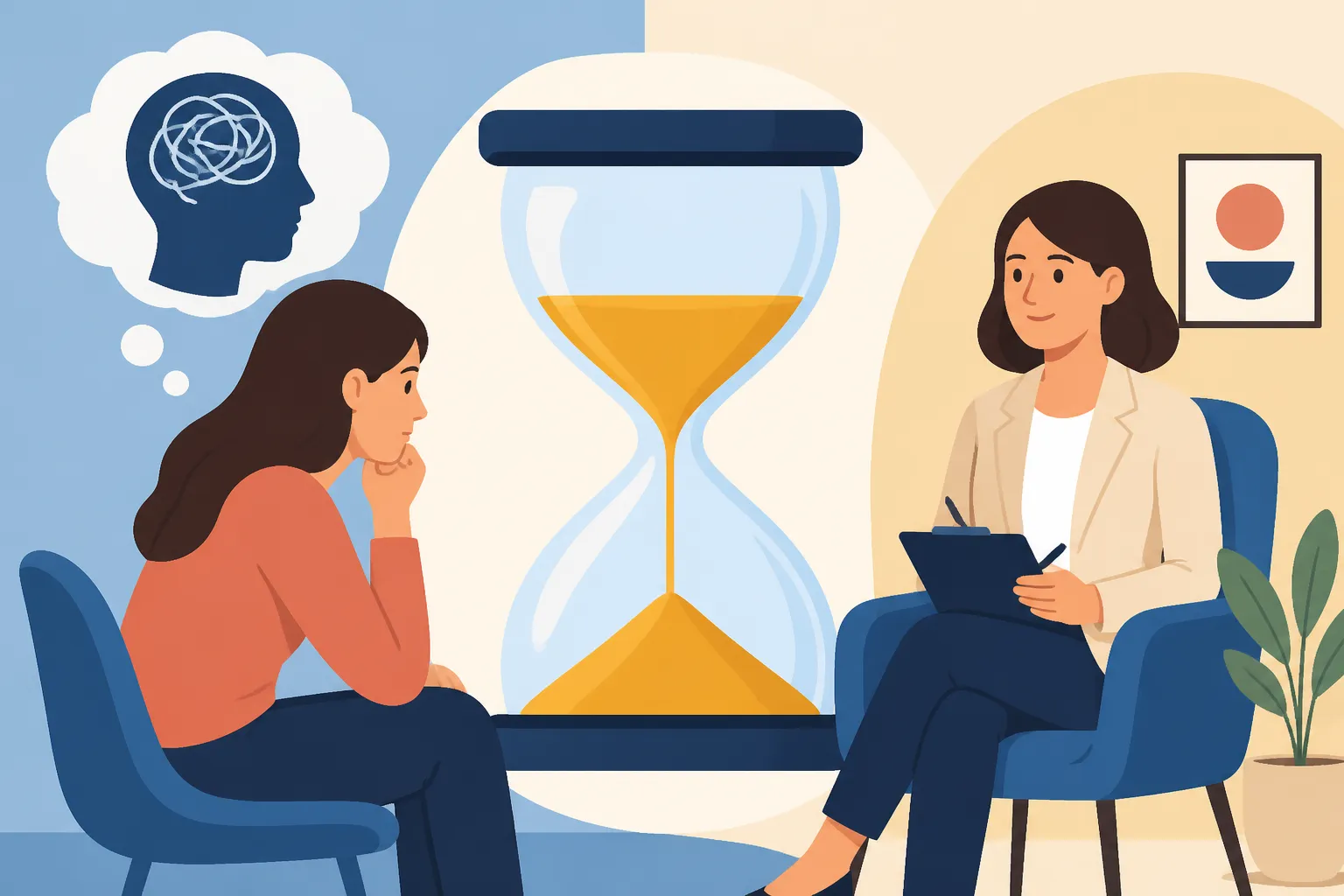
One of the most jarring realizations for many expats moving to Denmark is that even with a "universal" healthcare system, mental health support isn't always instant. I remember sitting in my living room in Aarhus, staring at a digital referral on my phone and realizing the first available appointment was four months away. This guide breaks down the actual timelines you can expect for a psychologist referral and how to navigate the system without losing your mind in the process.
The Reality of Mental Health Waiting Times in Denmark
The Danish healthcare system is built on a foundation of "equal access," but the reality for mental health services is often a bottleneck of high demand and limited supply. When you receive a referral from your doctor, you are essentially entering a queue for a "psykolog med ydernummer"—a psychologist who has a contract with the public health insurance system to provide subsidized sessions. Because these subsidies make therapy significantly more affordable, the waiting lists are notoriously long.
In 2026, the average wait time for a subsidized psychologist in major cities like Copenhagen or Aarhus typically ranges from 12 to 24 weeks. However, for specific categories—such as youth between the ages of 18 and 24 suffering from depression or anxiety—the government has made efforts to prioritize care, though "priority" might still mean waiting six to eight weeks. If you are outside this age bracket or seeking help for other issues like PTSD or bereavement, the wait can feel like an eternity.
The variation between regions is significant. While a clinic in central Vesterbro might be booked out for six months, you might find a shorter wait time if you are willing to travel to a smaller town in Zealand or Jutland. This is why Finding Medical Care in Denmark: GPs, Specialists, and Referrals is so critical; your general practitioner (GP) can provide the referral, but they rarely know the exact live waiting times of every individual psychologist.
Regional Differences in Waiting Lists
Wait times are not standardized across the country. The Capital Region (Region Hovedstaden) usually sees the longest delays due to the high density of expats and students seeking English-speaking care. In contrast, Region South Denmark or Region North Jutland might have shorter queues, but finding a psychologist who is comfortable conducting deep clinical therapy in English becomes the new challenge.
To get an accurate picture of current delays, you should use Sundhed.dk and MitID: Navigating Denmark’s Digital Health Portals. On the Sundhed.dk platform, there is a specific search tool (Find Behandler) that allows you to filter psychologists by region and see their self-reported waiting times. Be warned, though: these numbers are often optimistic. A "10-week wait" listed online often turns into 14 weeks once you actually call the clinic.
The Role of Your GP in the Timeline
Your GP is the gatekeeper. You cannot simply decide to use the public subsidy; you must first book a consultation to discuss your mental health. I’ve found that being incredibly direct with your GP is the only way to move forward. If you downplay your symptoms, they may suggest "waiting and seeing," which only delays your entry into the referral queue.
Once the GP issues a digital referral, it is uploaded to a central server. This referral is valid for a specific number of sessions (usually 12) and must be used within a certain timeframe. Understanding How GP Referrals Reduce the Cost of Psychologist Visits is vital because the referral doesn't just save you money—it dictates which psychologists you can actually see. You are restricted to those who accept the "yellow card" subsidy.
Navigating the Referral Process Step-by-Step
Once you have your referral, the clock doesn't start ticking automatically. You are responsible for "shopping around" and contacting psychologists yourself. This is where many foreigners get stuck. They wait for a call that never comes. In Denmark, you must be your own advocate.
The process usually looks like this:
- Visit your GP and receive a "henvisning" (referral).
- Use the "Find Behandler" tool on Sundhed.dk to locate psychologists with an "ydernummer" near you.
- Call—do not just email—multiple clinics to ask about their current waiting list for English-speaking patients.
- Once a psychologist accepts you, they pull your referral down from the server using your CPR number.
If you find that the wait is too long, you might consider looking into Private Health Insurance (Sygeforsikring "danmark"): Is It Worth It? as they provide rebates for psychological care that can help offset the cost of going private and skipping the public queue entirely.
Why Some Expats Opt Out of the Public Queue
The primary reason to skip the public system is speed. If you are in the middle of a mental health crisis, waiting five months is simply not an option. Many expats arrive in Denmark with international coverage from providers like Cigna Global or SafetyWing, which can be a literal lifesaver. These private insurance plans often allow you to see a private psychologist within days, rather than months.
When you use a brand like SafetyWing, you aren't bound by the Danish "ydernummer" system. You can choose any qualified psychologist, including many who operate exclusively in the private sector and have immediate availability. Similarly, Cigna Global offers modular plans that specifically include mental health outpatient care, which bypasses the need for a GP referral and the subsequent months of waiting.
| Care Type | Estimated Wait Time | Cost (with Referral) | Cost (Private/Insurance) |
|---|---|---|---|
| Public (Subsidized) | 12 – 30 Weeks | ~450 DKK per session | N/A |
| Private (Out-of-Pocket) | 1 – 2 Weeks | Full Price | ~1,100 – 1,500 DKK |
| International Insurance | 1 – 2 Weeks | Depends on Deductible | Covered by SafetyWing or Cigna Global |
| Student Counseling | 2 – 4 Weeks | Free (Limited) | N/A |
Using Private Insurance to Skip the Line
If your employer hasn't provided a local private health insurance policy (like Mølholm or Danica), you may feel stuck. However, if you maintained an international policy like Cigna Global, you can often access "Global Telehealth" or local English-speaking therapists with zero wait time. For those who are still in their first few months in the country, Expat Health Insurance: Coverage Before You Get Your CPR Number is a crucial read, as the public system won't even talk to you until that yellow card arrives.
SafetyWing is particularly popular among the digital nomad and "flexpat" community in Copenhagen because it offers a bridge between travel insurance and full-scale health insurance. If you find the Danish public system's delays to be untenable, checking your policy details for mental health coverage is the first thing you should do.
Alternatives and Shortcuts for Faster Care
If the public wait is too long and you don't have private insurance, there are still a few ways to find support. Denmark has a strong "Foreningsliv" (association life), and there are several NGOs that offer low-cost or free counseling, especially for expats.
One option is to look into Mental Health in Denmark: Accessing Psychologists and Therapy for Expats, which outlines various English-speaking non-profits. Organizations like the "Sct. Nicolai Tjenesten" offer anonymous phone counseling, and "Studenterrådgivningen" provides excellent support if you are enrolled in a Danish university.
Workplace and Student Support Systems
Many large Danish companies have "Sundhedsforsikring" (private health insurance) as a standard benefit. Before you head to your GP, check your employment contract. These private policies often guarantee a psychologist appointment within 10 working days. Some newcomers struggle for months in the public system, only to realize their company's Danica or PFA insurance could have solved the problem in two weeks.
For students, the timeline is usually much better. Most universities have internal counseling services that bypass the national health system. While they aren't meant for long-term clinical therapy, they can provide immediate "first aid" for stress, anxiety, or loneliness.
Online Therapy and Global Solutions
In the digital age, you are no longer restricted to psychologists physically located in Copenhagen or Aarhus. Many expats use online platforms that connect them with therapists in their home countries or through global networks. While this doesn't use the Danish subsidy, it eliminates the wait time.
If you are using a service like SafetyWing, they often have integrated telehealth options that are included in your premium. This allows you to speak with a professional in your native language without ever leaving your apartment, which is particularly helpful during the dark, isolating Danish winters when Winter Depression (SAD) in Denmark: Light Therapy and Vitamin D Tips becomes a relevant concern for many of us.
Tips for Managing While You Wait
Waiting for professional help is exhausting. It is important to know that there are emergency resources available if your situation worsens while you are on a waiting list. If you reach a point where you cannot keep yourself safe, you must bypass the psychologist referral system entirely.
In such cases, you should look into Emergency Medical Care in Denmark: Calling 112, Lægevagten, and ERs. Denmark has "Psykiatrisk Skadestue" (Psychiatric Emergency Rooms) in every major region. These are walk-in clinics for acute mental health crises. They do not require a referral and are open 24/7.
Utilizing Crisis Lines and Support Groups
While you wait for your first appointment, don't underestimate the power of peer support. There are several English-speaking groups in Denmark focused on mental wellness. You can find many of these through Mental Health Hotlines in Denmark: English Services for Immediate Help.
"Livslinien" is the national suicide prevention hotline, and while their primary language is Danish, they will almost always speak English if you are in distress. Additionally, many expats find that focusing on Social Integration: Making Friends and Understanding Danish Etiquette helps reduce the feelings of isolation that often exacerbate mental health issues during the long transition period of moving to a new country.
Keeping Your Referral Active
Remember that a Danish referral has an expiration date. If you haven't booked an appointment within six months of receiving it from your GP, it will likely expire, and you'll have to start the whole process over again. Keep a log of every psychologist you call and the wait times they quote you. If you truly cannot find anyone with a wait under six months, go back to your GP. Sometimes, they can pull strings or suggest alternative clinics that aren't as visible on the main portals.
Dealing with the Danish system requires patience and a bit of "system-hacking." Whether you choose to wait for the subsidized care or invest in a policy from Cigna Global to get immediate help, the most important thing is that you don't wait in silence. The system is slow, but it does work—if you know how to push the right buttons.
Disclaimer
This guide is for informational purposes only and is based on personal experiences and general knowledge of the Danish healthcare system as of 2026. Healthcare regulations and waiting times can change frequently. Always consult with your General Practitioner (GP) or a qualified medical professional regarding your mental health. This article does not constitute medical or legal advice.