Preventive Care in Denmark: Why Annual Checkups Are Not Standard
Coming from a country where a "yearly physical" is a standard part of your calendar, the Danish approach to healthcare can feel like a cold shower. I remember calling my doctor in Østerbro for my first annual checkup and being met with total silence before the receptionist asked, "But what is wrong with you?" This guide explores why Denmark prioritizes symptom-based care over proactive screening.
The Cultural Shock of Danish Preventive Medicine
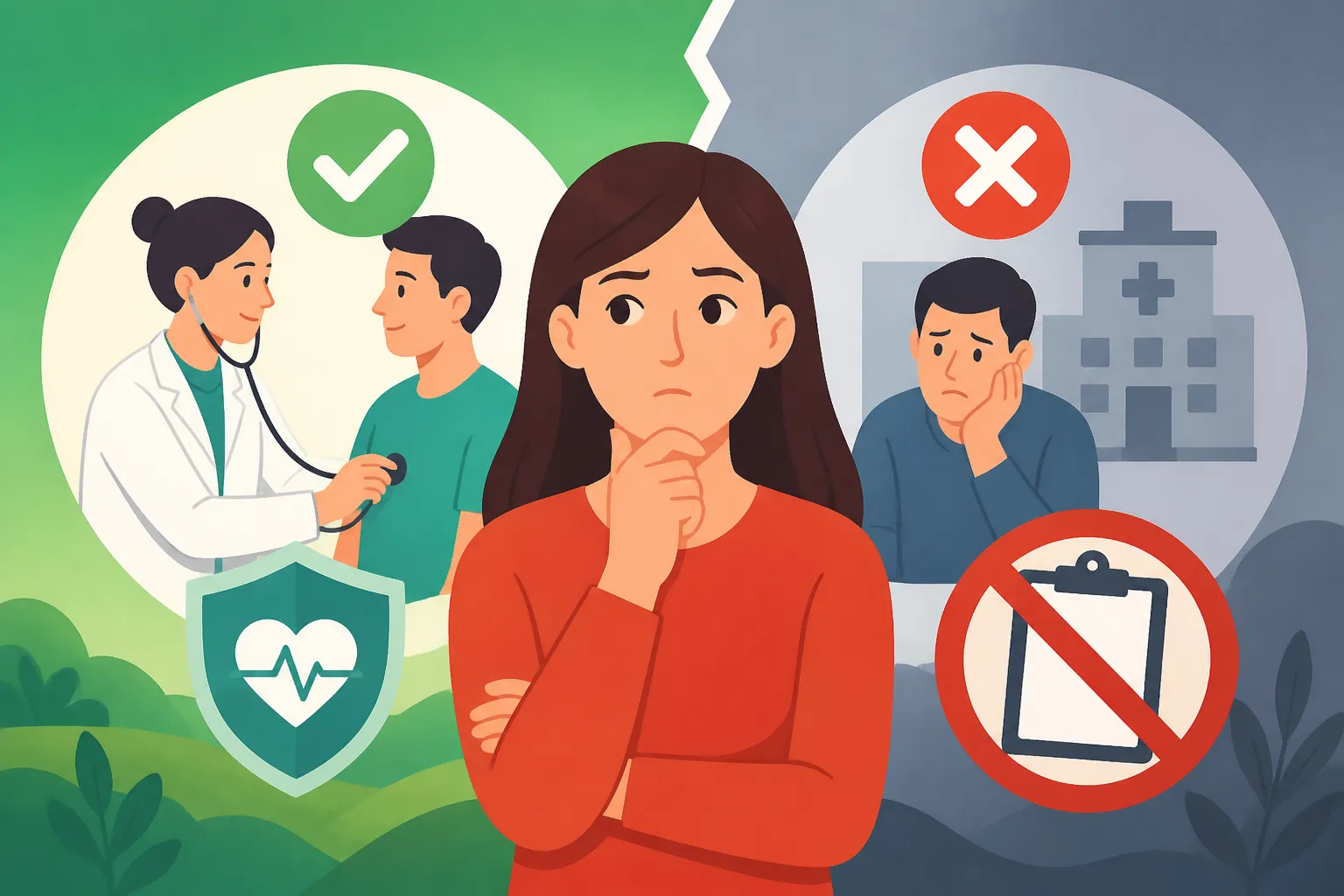
The transition to the Danish healthcare system often involves a significant psychological shift for expats. In many parts of the world, particularly the United States or Central Europe, "preventive care" is synonymous with an annual visit to the doctor to get your blood pressure checked, your heart listened to, and a battery of blood tests run—even if you feel perfectly fine. In Denmark, this practice is almost non-existent within the public system. The Danish philosophy is rooted in evidence-based medicine which suggests that for healthy, asymptomatic adults, these annual screenings often lead to over-diagnosis, unnecessary anxiety, and a waste of public resources.
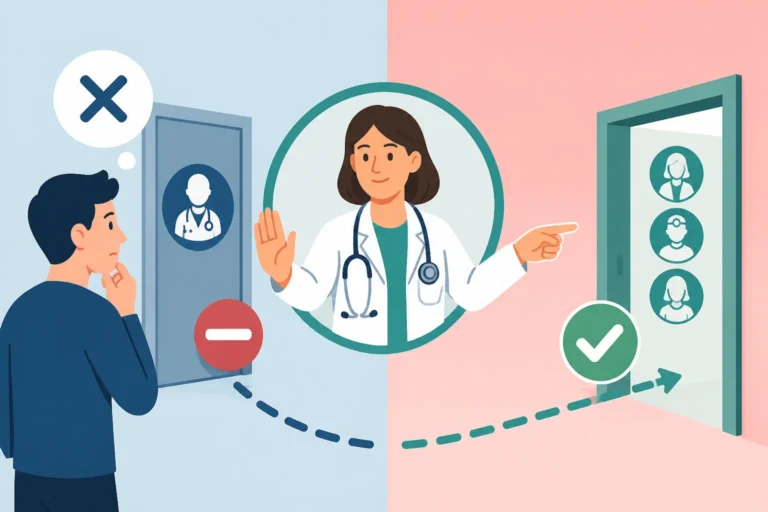
When you first receive The Yellow Health Card (Sundhedskort): Your Key to Danish Healthcare, it feels like you’ve been granted a golden ticket to a world-class system. However, that ticket operates on the principle of "need-based access." The Danish government views the general practitioner (GP) as a vital gatekeeper. Their job is not to find problems where none exist, but to treat symptoms that are currently impacting your quality of life. For many of us, this feels like the system is being reactive rather than proactive, and it can be incredibly frustrating to be told "come back when it hurts" when you’ve been taught that early detection is everything.
The Philosophy of the Danish GP System
To understand why checkups aren't standard, you have to understand how the system is funded and managed. The Danish healthcare model is a tax-funded, universal system that prides itself on efficiency and equality. Because the system is "free" at the point of use, there is a heavy emphasis on ensuring that clinical interventions are actually necessary. Research frequently cited by the Danish Health Authority (Sundhedsstyrelsen) indicates that general health checks for the entire population do not necessarily reduce mortality or morbidity.
This philosophy is baked into the training of every doctor you will meet. They are trained to look for clinical indications. If you are a 30-year-old non-smoker with no family history of heart disease, your GP will likely refuse to do a routine EKG or full metabolic panel. They aren't being difficult; they are following the national clinical guidelines. For expats, this can lead to a feeling of being dismissed. I’ve sat in those small, minimalist waiting rooms feeling like I had to "prove" I was sick just to get a basic test. It’s a culture shock that requires a new way of communicating with medical professionals.
The Symptom-First Approach
The "Symptom-First" approach means that the conversation always begins with: "What brings you here today?" If your answer is "nothing, I just want a checkup," the appointment will likely be very short. To navigate this, expats often learn that they need to identify specific concerns. Instead of asking for a general checkup, you might mention that you've been feeling unusually tired or have noticed a change in your digestion. This gives the GP a clinical "hook" to justify further investigation or blood work.
This approach also places a higher burden of self-awareness on the patient. You are expected to monitor your own body and know when something is "off." While this empowers the patient in theory, it can be terrifying for those who moved to Denmark from systems where the doctor took the lead in monitoring health trends over decades. If you are a digital nomad or on a short-term assignment, you might find this lack of proactive care so jarring that you prefer to maintain Expat Health Insurance: Coverage Before You Get Your CPR Number or a private policy that allows for more frequent "wellness" visits.
What the Yellow Card Actually Covers and Does Not
The Danish public health system is incredibly comprehensive when it comes to acute illness, chronic disease management, and emergency care. However, the lines of what is "preventive" are drawn very strictly. Understanding these boundaries is essential for managing your expectations and your health. The yellow card is not a gym membership for your health; it is a safety net for your illness.
While the system avoids "general" checkups, it is very aggressive about "targeted" screenings. There is a distinction between checking a healthy person for everything and checking a specific demographic for a high-risk condition. Denmark has some of the most efficient screening programs in the world for things like cervical cancer and colon cancer, but these are managed centrally and triggered by your age and gender in the CPR registry, not by a request to your GP.
Routine Screenings vs. Annual Physicals
In Denmark, the state proactively invites you to screenings based on national programs. For example, Cervical Cancer Screenings (Smear Tests): Reminders and Processes are highly automated. You will receive an invitation in your digital mailbox (e-Boks or Mit.dk) when it is time. You don't need to ask for it; the system knows you are due. The same applies to Access to Bowel Cancer Screening for Expats Over 50, where a test kit is often mailed directly to your home.
The "physical exam" where a doctor checks your reflexes, looks in your ears, and palpates your abdomen for no reason is considered "old-fashioned" in the Danish context. They believe that unless there is a specific complaint, these exams rarely yield useful data. If you are used to the American style of "executive physicals," you will find the Danish public offering almost non-existent. For those who want that level of detail, brands like Cigna Global can be a lifesaver, as their private tiers often include wellness benefits that the Danish state simply won't pay for.
Blood Work and Lab Tests: The Strict Criteria
One of the most common complaints from foreigners in Denmark is the difficulty of getting "routine" blood work. Back home, you might get a full lipid panel, vitamin levels, and kidney function tests every year. In Denmark, your GP will only order these if they suspect an underlying issue. For example, Vitamin D testing is a huge point of contention. Despite the dark winters, doctors will often tell you to just "take a supplement" rather than testing your levels, unless you show signs of extreme deficiency or bone pain.
When blood work is ordered, it is usually highly specific. You won't get a "full panel" just because you're curious. This can be problematic for those with a family history of high cholesterol or diabetes who want to track their numbers closely. I’ve found that being very specific about family history—mentioning that a parent had a heart attack at 45, for instance—is the only way to get these "preventive" tests approved. If the public system feels too restrictive, some expats use SafetyWing for their travel-heavy lifestyles or look into private clinics in Copenhagen that offer "health packages" (sundhedspakker) for a fee.
Navigating Specific Screenings and Checkups
While "annual physicals" are out, Denmark has robust systems for specific life stages. The key is knowing which system handles what. Healthcare in Denmark is decentralized, so while your GP is your main point of contact, they aren't the ones doing the heavy lifting for pregnancy or childhood development.
If you are moving with a family, you’ll find that the "preventive" care for children is actually quite excellent and much more frequent than it is for adults. Similarly, if you are managing a chronic condition, the system shifts gears and becomes very proactive. The "reactive" nature of Danish healthcare mostly applies to the healthy, working-age population.
Women’s Health and Cancer Screenings
Denmark takes women's health very seriously, but again, it is specialized. You don't go to a gynecologist for a routine checkup; you go to your GP. Most smear tests and birth control consultations happen in the GP’s office. If there is an abnormality, you are then referred to a specialist. This is a common point of confusion: The Role of the GP: Why You Cannot Go Directly to a Specialist is the most important rule to remember. You cannot simply book an appointment with a gynecologist because you want a checkup.
For those interested in more holistic care, Women’s Health: Routine Screenings, Gynecology, and Contraception covers the broader spectrum of what is available. It is worth noting that while the screenings are free, the "wellness" side of gynecology—discussing things like libido or general hormonal balance—is often better handled in the private sector or through comprehensive plans like those from Cigna Global, which offer more time for consultation than the standard 15-minute public GP slot.
Cardiovascular and Chronic Disease Monitoring
If you have a diagnosed condition like hypertension or diabetes, the system's "preventive" nature changes. You will be put on a "care plan" which includes regular checkups, blood work, and specialist visits. In this case, the state is very proactive because they want to prevent the high costs of hospital admissions. This is where Managing Chronic Conditions (Diabetes, Asthma) in the Danish System becomes your primary guide.
The challenge is for those who are "at risk" but not yet "diagnosed." If you are borderline for high blood pressure, you might find the GP’s "wait and see" approach stressful. In my experience, the Danish system trusts the body to self-regulate more than other systems do. They are less likely to prescribe statins or blood pressure medication at the first sign of a high reading, preferring lifestyle changes first. This can be a hard adjustment if you are used to a more "medication-first" preventive culture.
Pediatric Preventive Care
If you have kids, forget everything I said about "no checkups." The Danish pediatric system is a well-oiled machine of preventive visits. From birth until the child leaves school, there is a strict schedule of "Boerneundersoegelser" (child examinations). These happen at specific intervals: 5 weeks, 5 months, 1 year, and then annually until age 5. These are performed by your GP and are incredibly thorough, covering growth, motor skills, and social development.
In addition to the GP visits, you have the "Sundhedsplejerske" (Health Visitor) system. This is one of the gems of the Danish system. A nurse specialized in child development comes to your home multiple times in the first year to weigh the baby, help with breastfeeding, and check on the mother’s mental health. This is proactive, preventive care at its best. For more on this, you should check out Family Health Information: Pregnancy, Maternity, and Pediatric Care.
Comparison of Preventive Care Models
| Feature | Danish Public System (Yellow Card) | Private/International Insurance (e.g., Cigna Global) |
|---|---|---|
| Annual Physical | Not standard/Often refused | Usually included in Wellness modules |
| Blood Work | Only if symptomatic or high-risk | Available upon request/Wellness check |
| Cancer Screenings | Age-based, automated invitations | Available upon request/Specialist access |
| Specialist Access | Requires GP referral (can take weeks) | Direct access (often within days) |
| GP Appointment | ~15 minutes, focused on one issue | 30-60 minutes, holistic focus |
| Pediatric Care | Extensive, scheduled until age 15 | Supplementary to public or private peds |
Bridging the Gap: Private Options and International Insurance
So, what do you do if you aren't comfortable with the Danish "wait until it breaks" approach? Many expats chose to supplement the public system. It isn't an "either/or" situation; you can have your yellow card for emergencies and a private policy for your peace of mind. Private health insurance is becoming more common among Danes as well, mostly to skip the waiting lines for elective surgeries, but for expats, it’s about that preventive access.
If you are a frequent traveler or a digital nomad spending time in and out of Denmark, a brand like SafetyWing is often the "Hero" solution. It provides the global flexibility that the localized Danish system lacks. However, if you are a permanent resident who wants the luxury of an annual head-to-toe physical, you might look into Private Health Insurance (Sygeforsikring "danmark"): Is It Worth It? or a high-tier Cigna Global plan. These allow you to visit private hospitals like Aleris-Hamlet, where "health checks" are a standard product you can buy.
Private Hospitals and Specialized Health Packages
Denmark has a growing sector of private hospitals. While the public system handles 90% of the care, private clinics cater to those who want more control. You can walk into a private clinic and pay for a "Comprehensive Health Check" which includes blood work, an EKG, lung function tests, and a long talk with a doctor. These packages usually cost between 3,000 and 8,000 DKK.
For many of us, this is a steep price to pay for something that was "free" back home. But for the peace of mind it provides, especially if you have a complex medical history, it can be worth it. It’s also important to note that many Danish employers now include private health insurance (like PFA or Danica) as a job benefit. Before you buy your own, check your work contract! You might already have access to private preventive care without knowing it.
The Role of International Health Insurance
For the expat who is "between systems"—perhaps you’ve arrived but don't have your CPR number yet—having international coverage is non-negotiable. You cannot even see a GP for a "non-emergency" without that CPR number unless you pay out of pocket, and the rates are high. During this waiting period, Expat Health Insurance: Coverage Before You Get Your CPR Number is vital.
Even after you get your yellow card, international plans like those from SafetyWing or Cigna Global provide a bridge. If the Danish GP says "no" to a test you feel is necessary, these plans often allow you to seek a second opinion or see a specialist privately. This "dual-track" approach is how many long-term expats manage to stay sane in a system that can sometimes feel overly bureaucratic and stingy with diagnostic tests.
Strategies for Getting the Care You Need
Learning to speak "Danish Doctor" is a skill in itself. If you approach the system with the mindset of a consumer who is always right, you will be disappointed. If you approach it as a partner in a resource-limited system, you will get much further. The Danes value directness, but they also value "reasonableness."
When you book an appointment, remember that you are usually only allocated 15 minutes. Don't show up with a list of ten things. Pick the most important concern and lead with that. If you are struggling to find a doctor who listens, you might need to look into How to Choose and Change Your General Practitioner (GP) in Denmark to find someone whose communication style matches yours.
How to Talk to Your GP: The Danish Way
Danish doctors respond best to "functional impairment." If you say, "I want my iron checked," they might say no. If you say, "I am so tired that I cannot finish my workday or play with my children, and I am concerned about my iron levels," they are much more likely to order the test. You have to translate your desire for "prevention" into a description of "current symptoms."
It also helps to be informed but not arrogant. Mentioning that you've been reading the guidelines on Sundhed.dk and MitID: Navigating Denmark’s Digital Health Portals shows that you are trying to work within their system. Ask for their "clinical reasoning" if they deny a test. Often, they will explain the risks of false positives, which can be an enlightening conversation that builds trust.
Leveraging the Health Visitor System for Families
For those with young children, the "Sundhedsplejerske" is your best friend. They have more time than the GP and are often more empathetic to the "worried parent" vibe. They can't prescribe medication, but they can tell you if a rash is worth a GP visit or if your child’s development warrants a specialist referral.
Don't be afraid to ask them the "silly" questions. They are there to prevent the GP from being overwhelmed with minor issues, so they are happy to spend an hour talking about sleep cycles or nutrition. This is the one area of Danish healthcare where you are actually encouraged to be proactive. If you are feeling isolated as a new parent, you can also ask them about Finding Maternity Groups (Mødregruppe) Organized by Health Visitors, which is a great way to meet other parents and share health tips.
Understanding Patient Rights and Second Opinions
If you truly feel that something is wrong and your GP is not listening, you do have rights. The Danish system is not a dictatorship. You are entitled to a second opinion in certain cases, especially regarding serious diagnoses or surgeries. This is known as "frit sygehusvalg" (free hospital choice), though it usually applies to where you receive treatment rather than the initial diagnosis.
If the relationship with your GP has completely broken down, you can change your doctor for a small fee (around 225 DKK). Sometimes, simply moving to a different clinic can change your entire experience. Some clinics in more international areas like Frederiksberg or Aarhus C are more accustomed to the expectations of expats and might be slightly more flexible with "preventive" requests. For more on navigating these hurdles, see How to Change Your Doctor Online via Borger.dk.
Summary Table: Navigating Preventive Care
| Patient Need | Action Strategy | System Contact |
|---|---|---|
| Annual Wellness Exam | Use Private Insurance or Pay Private Clinic | Private Hospital (Aleris, etc.) |
| Cervical/Colon Cancer Screen | Wait for Digital Invitation (e-Boks) | Central Screening Registry |
| Vitamin D / Blood Check | Link to specific symptoms (Fatigue/Pain) | General Practitioner (GP) |
| Child Development Check | Follow the automated schedule | GP and Health Visitor |
| Vaccinations | Follow national program or pay at Apotek | Vaccinations in Denmark: The Childhood Immunisation Programme |
| Chronic Disease Follow-up | Scheduled via GP "Care Plan" | GP / Specialist |
Disclaimer Regarding Healthcare Advice
This article is for informational purposes only and is based on personal experiences and general knowledge of the Danish healthcare system. I am not a medical professional. Healthcare regulations and clinical guidelines in Denmark can change. You should always consult with a registered Danish General Practitioner (GP) regarding your specific health concerns. If you are in an emergency situation, call 112 immediately. For out-of-hours non-emergency medical help, contact the medical helpline in your region (e.g., 1813 in the Capital Region). The mention of private insurance brands like SafetyWing and Cigna Global is based on their common usage among the expat community and does not constitute a formal medical endorsement. Always read the fine print of any insurance policy to understand your coverage limits regarding preventive care.