Post-Concussion Syndrome: Support from Danish Neurologists
The frustration of dealing with a concussion in Denmark often stems from the "wait and see" approach that characterizes much of the public healthcare system. I remember sitting in my dark living room in Aarhus, months after a bike accident, wondering why my brain still felt like it was underwater while my GP insisted I just needed more rest. This guide breaks down how to navigate the Danish medical system to get the specialized neurological support you actually need for Post-Concussion Syndrome.
Understanding Post-Concussion Syndrome in the Danish Context
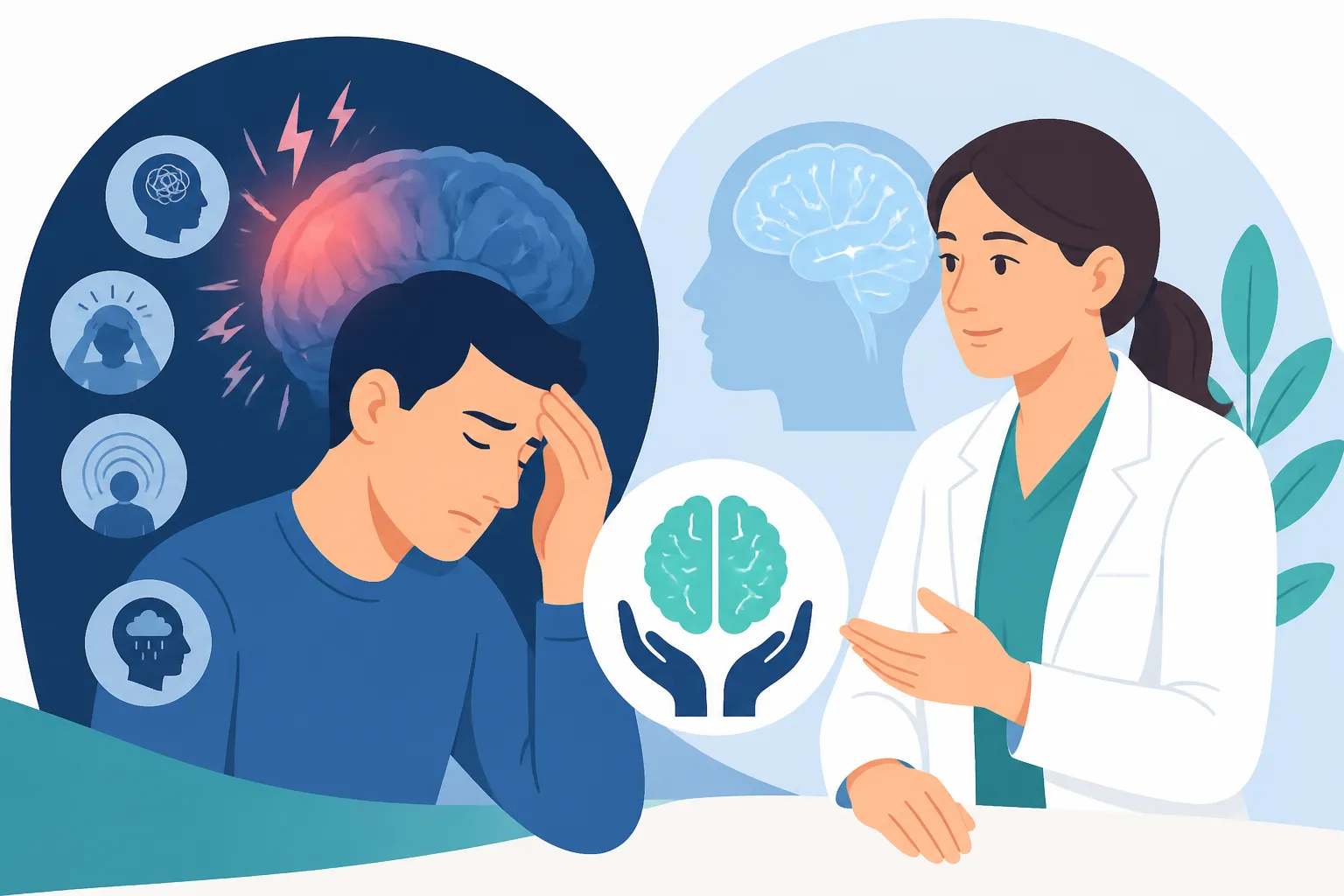
In Denmark, a concussion is referred to as a hjernerystelse. While most people recover within a few weeks, a significant percentage of expats find themselves battling symptoms for months, a condition known as Postcommotionelt syndrom (PCS). The Danish healthcare philosophy tends to be conservative, emphasizing natural recovery and gradual reintegration. However, when headaches, dizziness, and cognitive fatigue persist, you must move beyond basic advice.
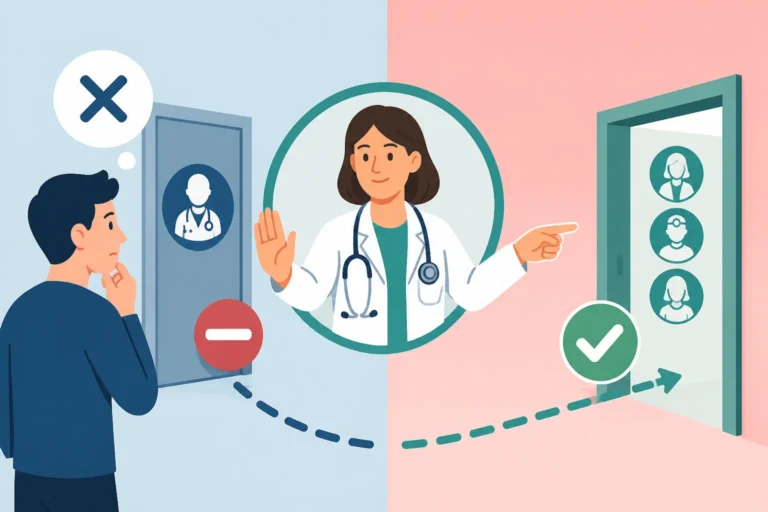
The Danish system is built on a foundation of trust in the General Practitioner (GP). Your GP, or egen læge, acts as the gatekeeper to all specialized care. If you are struggling with PCS, you cannot simply book an appointment with a neurologist at Rigshospitalet or Aarhus University Hospital on your own. You must first prove the necessity of this specialized care to your doctor to secure a henvisning (referral).
One of the biggest hurdles is the "invisible" nature of the injury. Unlike a broken arm, PCS doesn't show up on a standard CT or MRI scan. When you visit your doctor, it is vital to describe your symptoms not just as "pain," but in terms of functional limitations. For instance, explaining that you cannot look at a computer screen for more than ten minutes without a migraine is far more effective in the Danish system than simply saying you have a headache. This is a crucial part of Finding Medical Care in Denmark: GPs, Specialists, and Referrals.
The Role of the GP and the Referral Process
Your journey toward neurological support begins at your local clinic. When you have your The Yellow Health Card (Sundhedskort): Your Key to Danish Healthcare, you are entitled to free consultations. During these meetings, your GP will likely perform basic neurological tests—checking your pupils, balance, and reflexes. If these are normal, they may suggest more rest.
To get a referral to a neurologist, you must be persistent. Danish medical culture values "self-reliance," but PCS requires active management. If your symptoms persist beyond 4–12 weeks, you should explicitly ask for a referral to a neurolog. Under the public system, once the referral is in the system, it becomes visible on Sundhed.dk and MitID: Navigating Denmark’s Digital Health Portals. You can then choose which neurologist you want to see, though wait times vary significantly by region.
If you find that your GP is dismissive, you have the right to change your doctor. This is a common move for expats who feel their concerns are being lost in translation or cultural differences. You can learn How to Change Your Doctor Online via Borger.dk to find a practitioner who might be more specialized in sports medicine or neurological issues.
Public vs. Private Neurological Care
Once you have your referral, you face a choice: wait for a public appointment or go private. The public system is excellent but often burdened by long lists. You should check the current Waiting Times in Danish Public Hospitals and Patient Rights to see if your local hospital has a backlog. If the wait time exceeds 30 days for a diagnostic assessment, you may be eligible for the "Extended Right to Choose a Hospital" (Udvidet frit sygehusvalg), which allows you to be treated at a private clinic at the state's expense.
For many expats, private insurance is the faster route. If you have coverage through a provider like Cigna Global, you can often bypass the long public queues entirely. Private neurologists in Copenhagen or Aarhus often have appointments available within days rather than months. These specialists often provide more time for consultation, which is essential for the complex history-taking involved in PCS.
If you are a newcomer and haven't yet received your CPR number, you are in a vulnerable position. This is where specialized expat insurance like SafetyWing becomes invaluable. It provides a safety net for those in the "limbo" period, ensuring that an acute neurological issue doesn't result in a massive out-of-pocket bill before you are fully integrated into the Danish system. For more on this, see Expat Health Insurance: Coverage Before You Get Your CPR Number.
| Feature | Public System (Yellow Card) | Private System (e.g., Cigna Global) |
|---|---|---|
| Cost | Free at point of use | Covered by premium/self-pay |
| Access | Requires GP Referral | Often direct access or faster referral |
| Wait Times | 4–20 weeks (typical) | 1–2 weeks |
| Provider Choice | Limited to regions | Extensive national network |
| Follow-up | Structured but can be slow | Flexible and frequent |
Specialized PCS Rehabilitation Centers
Danish neurologists often work in tandem with multidisciplinary teams because PCS is rarely "just" a neurological issue; it involves physical, psychological, and visual components. If your neurologist confirms PCS, they may refer you to a specialized rehabilitation center.
One of the most well-known institutions is the Center for Hjerneskade (Center for Brain Injury). They offer comprehensive programs that include:
- Neuropsychologists: To help with cognitive "fog" and the emotional toll of the injury.
- Physiotherapists: Specifically those trained in vestibular rehabilitation to treat dizziness and balance issues.
- Occupational Therapists: To help you structure your day and manage your limited "energy envelope."
Accessing these centers through the public system can be competitive. Often, your municipality (kommune) must approve the funding for such a program. This is where Physiotherapy in Denmark: Getting GP Referrals and Managing Costs becomes a vital piece of your recovery puzzle. A referral for physiotherapy can help address the neck tension (cervicogenic headaches) that almost always accompanies a concussion.
Navigating Work and Sickness Benefits
A major stressor for expats with PCS is the fear of losing their job. Danish labor laws are generally supportive, but you must follow the correct procedures to be protected. If your neurologist or GP advises you to work reduced hours, this is known as a delvis sygemelding (partial sick leave).
Under the Danish system, if you are off work for a significant period, you may be entitled to Sickness Benefit (Sygedagpenge): Your Rights When Off Work Due to Illness. To qualify, your employer and the municipality will require documentation. Danish neurologists are accustomed to writing these "status reports" for the kommune. Be aware that there is a heavy emphasis on "returning to work" as part of the therapy, which can sometimes feel premature if you are still struggling with light and noise sensitivity.
Communication with your boss is key. The Danish workplace culture is built on transparency. Using the advice found in Sick Leave from Work for Stress (Sygemelding): Steps to Protect Your Job can help you apply the same principles to a physical brain injury, ensuring your employer understands that your recovery is not linear.
Mental Health and the Emotional Toll of PCS
Long-term PCS often leads to anxiety and depression, particularly for expats who may be isolated from their primary support networks. Danish neurologists are increasingly aware of this "secondary" impact. If you find yourself struggling with the mental burden, you should ask for a psychological referral.
While the public system offers subsidies, the wait times for psychologists are notoriously long. You can read more about How GP Referrals Reduce the Cost of Psychologist Visits to understand the pricing structure. Many expats choose to use their private insurance, such as Cigna Global, to access English-speaking therapists immediately. Addressing the frustration of "not being yourself" is just as important as treating the physical headaches.
Managing Your Records on Sundhed.dk
In Denmark, you are the owner of your health data. Every time you see a neurologist, their notes, the results of any scans, and your blood work are uploaded to the national health portal. It is highly recommended that you learn How to View Your Medical Records and Lab Results on Sundhed.dk.
Reviewing these notes allows you to ensure that nothing was lost in translation during your appointment. If a neurologist mentions "postcommotionelt syndrom" in their notes, it provides you with powerful documentation when dealing with insurance companies or your employer. It also allows you to track your prescriptions through the Using the Medicinkortet App: Managing Your Prescriptions Digitally, which is useful if you are prescribed nerve pain medication or migraine preventatives.
Practical Tips for Living with PCS in Denmark
Living in a country that relies heavily on cycling and bright, open-plan offices can be a nightmare for someone with PCS. Here are a few "boots on the ground" tips for surviving the recovery period in Denmark:
- The Sun Card App: Ensure you have the digital version of your health card. When you finally get that neurologist appointment, you will need to scan it. Learn How to Download the Sundhedskort App on Your Phone to make the process seamless.
- Noise Canceling Headphones: Essential for navigating the S-trains or Metro in Copenhagen, where the "beep" of the doors can be a major trigger for those with sound sensitivity.
- The "Pink" Card: If your symptoms are severe, you might need help with transport. Discuss with your kommune if you are eligible for any disability transport services, though this is usually reserved for more permanent injuries.
- Vitamin D: Danish winters are dark, and low Vitamin D can worsen the fatigue associated with PCS. Check out Winter Depression (SAD) in Denmark: Light Therapy and Vitamin D Tips for advice that is surprisingly relevant to concussion recovery.
Finding the Right Neurologist
If you are looking for a specialist who understands the expat experience, you might want to look into private clinics in the larger cities. Many neurologists in Denmark have practiced abroad and speak perfect English. While the public system assigns you to a hospital based on your address, the private sector allows you to choose based on expertise in "traumatologi" or "hovedpine" (headache) disorders.
For those in the capital, searching for specialists via How to Find a GP Accepting New Patients in Copenhagen can often lead you to clinics that have close ties with private neurological consultants. Remember, even with Cigna Global or other private plans, having a solid relationship with a local GP who understands your PCS history is the anchor of your care.
Disclaimer
This guide is for informational purposes only and is based on personal experiences and general knowledge of the Danish healthcare system as of 2026. Medical systems and regulations are subject to change. Always consult with a qualified medical professional in Denmark regarding your specific health condition. If you are experiencing an emergency, call 112 immediately or contact the out-of-hours medical service (Lægevagten).