Subsidized Podiatry (Fodterapi) for Diabetics in Denmark
Navigating a chronic condition like diabetes in a new country is an overwhelming administrative hurdle that often leaves expats feeling lost in a sea of Danish terms and bureaucratic tiers. I remember the panic of trying to decipher my first "henvisning" while worrying if my foot care would break my monthly budget. This guide simplifies the process of accessing subsidized podiatry (fodterapi) in Denmark, ensuring your health and wallet remain protected.
Understanding Fodterapi in the Danish Healthcare System
In Denmark, foot care is divided into two very distinct categories: cosmetic pedicures and medical podiatry, known locally as fodterapi. For those of us living with diabetes, this distinction is critical because the state views foot health not as a luxury, but as a preventative necessity to avoid long-term complications. If you are used to a system where you simply book an appointment and pay out of pocket, the Danish approach will feel more structured and, fortunately, more supportive once you know the rules.
The Danish public healthcare system is built on the principle of equal access, but it operates through a series of "gatekeepers." For diabetics, the primary gatekeeper is your General Practitioner (GP). You cannot simply walk into a podiatry clinic and expect the government to pick up the tab. Everything begins with your status as a registered resident. This is why Understanding CPR Registration and Your Healthcare Entitlement is the first step for any newcomer. Without that registration, you aren't yet part of the subsidy loop that makes specialist care affordable.
If you are a new arrival and haven't yet received your CPR number, you are in a bit of a "grey zone." During this period, it is advisable to have a bridge policy like SafetyWing to cover unexpected medical needs. While such policies are great for emergencies, they usually won't cover routine subsidized podiatry, which is why getting into the Danish system via The Yellow Health Card (Sundhedskort): Your Key to Danish Healthcare is so vital for long-term management of Managing Chronic Conditions (Diabetes, Asthma) in the Danish System.
The Difference Between a Pedicurist and a Statsautoriseret Fodterapeut
When searching for care, you will see many shops offering "fodpleje." Be very careful here. A fodplejer is often someone with a shorter, non-regulated education focusing on aesthetics. As a diabetic, you must specifically look for a Statsautoriseret Fodterapeut (State-Authorized Podiatrist). These professionals have a protected title and are the only ones authorized to treat patients under the public subsidy scheme.
A state-authorized podiatrist is trained to perform vascular and neurological screenings, which are essential for diabetic patients. They check for neuropathy (loss of sensation) and poor circulation, which are the leading causes of diabetic foot ulcers. When you visit a state-authorized clinic, they are legally required to document your foot health in a way that integrates with the national health database, allowing your GP to see your progress on Sundhed.dk and MitID: Navigating Denmark’s Digital Health Portals.
Why the Public System Prioritizes Diabetic Foot Care
The Danish health authorities are highly focused on "preventative medicine." It is significantly cheaper for the state to subsidize your monthly or quarterly foot exam than it is to treat a severe infection or perform an amputation. This is why diabetics are one of the few groups in Denmark who receive a significant percentage of their podiatry costs covered by the regions.
However, the amount of subsidy you receive isn't a flat rate for everyone. It is based on a clinical assessment of your risk level. This risk-based approach ensures that those with the highest chance of complications receive the most frequent and most heavily subsidized care. It can feel a bit like being graded, but it’s a highly effective way to ensure the people who need help most aren't left behind.
Eligibility and the Referral Process for Diabetics
To get your foot care subsidized, you must follow a very specific path. Many expats try to bypass this by calling podiatrists directly, only to be told they have to pay the full private rate. To avoid this, your first stop must always be your GP. This is a core part of The Role of the GP: Why You Cannot Go Directly to a Specialist.
During your annual or quarterly diabetes check-up, your GP will examine your feet. If they determine that you need professional podiatry, they will issue an electronic referral (henvisning). This referral is sent into the "cloud" of the Danish health system. You don't usually get a physical piece of paper; instead, when you call a podiatrist, they can see the referral in their system using your CPR number.
The Four Risk Groups (Inddeling i Grupper)
Once you have your referral, you will be categorized into one of four groups. This classification determines how much the government will pay and how many treatments you can have per year.
| Risk Group | Clinical Description | Subsidy Level |
|---|---|---|
| Group 1 | No known risk factors (normal sensation/circulation). | 50% Subsidy for annual screening only. |
| Group 2 | Occasional risk (minor changes in sensation or circulation). | 50% Subsidy for screening and regular treatments. |
| Group 3 | Significant risk (deformities, severe neuropathy, or history of ulcers). | 50% Subsidy for more frequent specialist treatments. |
| Group 4 | Very high risk (active ulcers or severe complications). | 50% Subsidy with high-frequency specialized care. |
It is a common misconception that Group 1 receives no help. Even if your feet are currently perfect, the system wants you to have an annual screening to keep them that way. For Groups 2, 3, and 4, the subsidy remains at 50% of the agreed-upon state rate, but the frequency of allowed visits increases. If you have comprehensive private coverage through a provider like Cigna Global, you might be able to claim back the remaining 50%, depending on your specific policy's "outpatient specialist" clauses.
How to Find a Podiatrist with a "Ydernummer"
Not every podiatrist accepts the public subsidy. To use your referral, you must find a clinic that has a ydernummer (provider number). This means they have a contract with the Danish Regions to provide subsidized care.
The best way to find these is by Finding Medical Care in Denmark: GPs, Specialists, and Referrals through the official portal, Sundhed.dk. When searching, look for the filter "Tager imod henvisning" (Accepts referrals). If you go to a clinic without this agreement, you will be responsible for 100% of the cost, regardless of your diabetic status. In busy cities like Copenhagen or Aarhus, these clinics can have waiting lists, so it is wise to book your first appointment as soon as your GP issues the referral.
Costs and Private Insurance Top-ups
While the 50% subsidy is a massive help, many expats are surprised to find there is still a co-pay. In Denmark, podiatry is one of those specific medical services—alongside dental and physical therapy—that is not 100% free for adults. The standard price for a subsidized diabetic foot treatment is regulated by the government, but you will typically pay around 250 to 350 DKK out of pocket per visit.
For those of us who need to go every six weeks, these costs add up. This is where the Danish culture of "supplemental insurance" comes into play. Most Danes and long-term expats join a private insurance group called Sygeforsikring "danmark". They are a non-profit, member-owned organization that provides reimbursements for the "gap" in public coverage.
Leveraging Sygeforsikring "danmark"
If you are a member of "danmark" (typically in Group 1 or Group 2), they will often cover a fixed amount of your podiatry co-pay. For a standard diabetic treatment, they might reimburse you 50 to 100 DKK per visit. This might not sound like much, but over a year, it pays for your membership. If you're considering this, read up on Sygeforsikring "danmark": Which Coverage Level Should Expats Choose? to see which tier fits your health profile.
One thing to note: "danmark" has strict rules about pre-existing conditions if you want their most comprehensive "Group 1" or "Group 2" coverage. However, for their basic tiers, they often accept members with diabetes, specifically for the purpose of subsidizing things like podiatry and medicine. If you are already working for a large international firm, check if your employer-provided Cigna Global or similar private policy covers these specialist co-pays. Many corporate plans in Denmark include a "health package" that covers exactly these types of chronic care costs.
What Happens if You Need Special Insoles (Indlæg)?
Diabetes often leads to changes in foot shape or pressure points, requiring custom-made insoles. This is a separate administrative track. If your podiatrist determines you need specialized insoles to prevent ulcers, you don't actually go through the health system in the same way—you often go through the municipality (Kommune).
Under the Danish Service Act (Serviceloven), you can apply for a subsidy for "orthopedic footwear" or "custom insoles." This requires a separate application via Borger.dk. Your podiatrist will write a recommendation, but the municipality’s medical officer makes the final call. If approved, the municipality may cover a significant portion of the cost. This is another area where Expat Health Insurance: Coverage Before You Get Your CPR Number won't help you, as it’s a social service benefit tied to residency.
Practical Steps and Tips for Your First Appointment
When you finally head to your first fodterapi appointment, there are a few "Danish ways" of doing things that will make your life easier. First, always bring your Yellow Health Card. Even if you have the How to Download the Sundhedskort App on Your Phone version, the clinic will need to scan it. This "check-in" registers your visit with the region so the podiatrist can get paid their 50% share from the government.
Preparing for the Clinical Examination
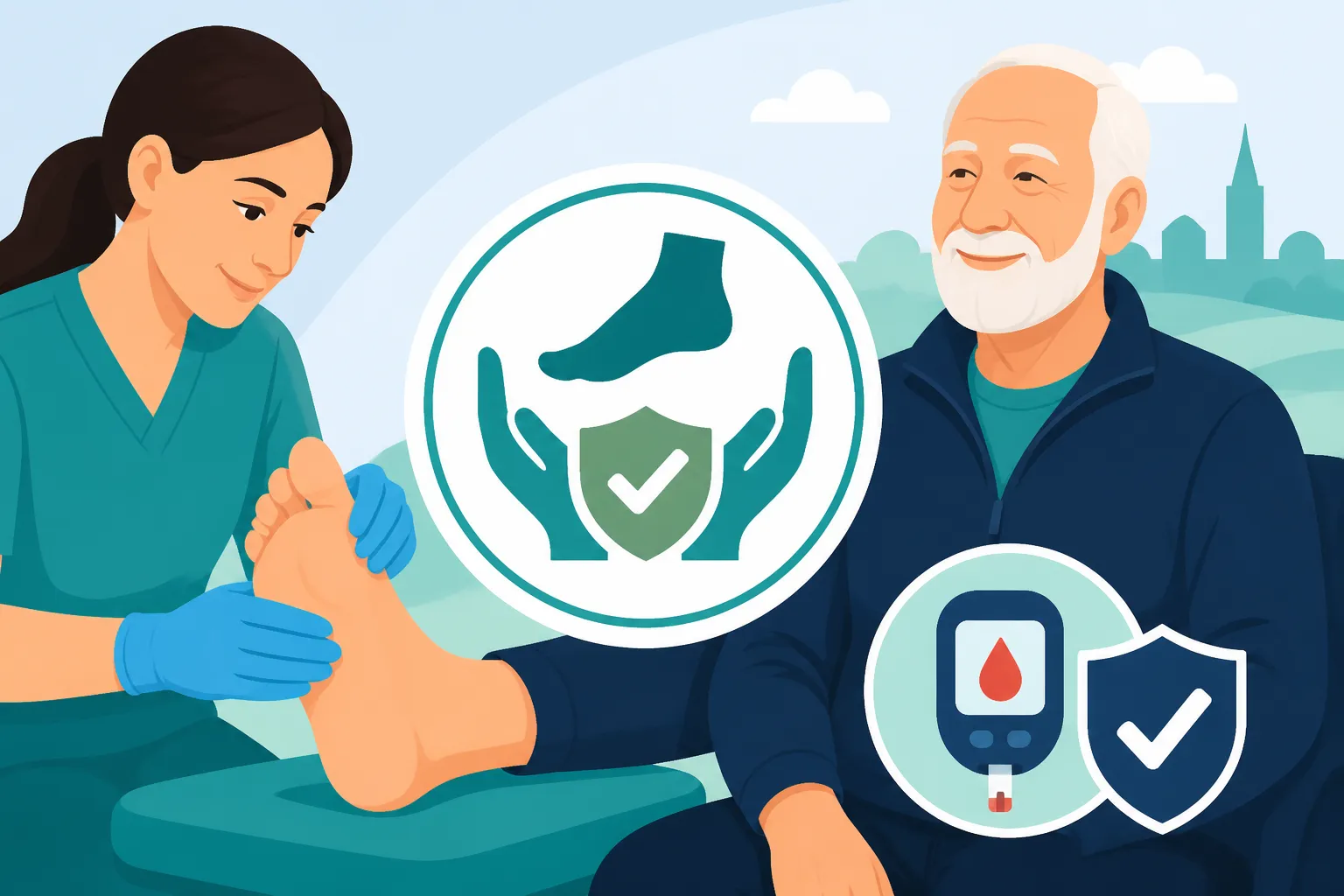
During your first visit, the podiatrist will perform a "status examination." They will use a monofilament (a small plastic wire) to poke different areas of your feet to test for sensation. They will also check your pulses in your ankles and feet. Be prepared to answer questions about your blood sugar management and any history of tingling or numbness.
They will also provide the actual treatment: cutting nails correctly to prevent ingrowns (a major infection risk for diabetics), removing calluses (which can hide ulcers), and checking for fungal infections. Unlike a spa pedicure, they won't be painting your nails or giving you a foot massage. This is a clinical environment focused on hygiene and prevention.
Digital Tracking and Self-Care
After your visit, the podiatrist will upload their findings. You can actually see these notes yourself. By How to View Your Medical Records and Lab Results on Sundhed.dk, you can track your foot risk group and see if your circulation or sensation is changing over time. This transparency is one of the best parts of the Danish system.
Finally, remember that the subsidy is a partnership. The podiatrist will expect you to be doing daily foot checks at home. In Denmark, the emphasis is on "help to self-help." If you aren't looking at your feet every day with a mirror, the podiatrist will likely give you a friendly but firm "lecture" on your responsibilities as a patient. It’s all part of the Danish healthcare culture of personal responsibility.
Subsidized Podiatry for Diabetics: A Quick Summary
| Action Item | Where to Go / What to Use | Why It Matters |
|---|---|---|
| Initial Referral | Your local GP (Læge) | Essential for the 50% subsidy. |
| Search for Clinic | Sundhed.dk | Must find a clinic with a "ydernummer." |
| Identification | Yellow Health Card (Sundhedskort) | Links your visit to the public payment system. |
| Gap Insurance | Sygeforsikring "danmark" | Reimburses part of the 50% co-pay. |
| Insole Application | Borger.dk (Municipality) | Separate funding for orthopedic aids. |
Disclaimer
This article is for informational purposes only and does not constitute medical or legal advice. Healthcare regulations and subsidy rates in Denmark are subject to change. Always consult with your General Practitioner (GP) or a state-authorized podiatrist regarding your specific medical condition and eligibility for subsidies. For the most up-to-date information, please refer to official Danish healthcare portals such as Sundhed.dk or Borger.dk.