Dealing with Endometriosis: Referrals to Danish Specialists
Trying to get a diagnosis for chronic pelvic pain in Denmark can feel like shouting into a void, especially when your symptoms are dismissed as "standard" menstrual discomfort. I remember sitting in a drafty waiting room in Aarhus, clutching my stomach and being told to just take more Panodil, only to find out months later that the system requires a very specific way of advocating for yourself. This guide breaks down exactly how to navigate the Danish referral system to ensure your endometriosis is taken seriously by the right specialists.
Understanding the Gatekeeper: Your GP and the Endometriosis Diagnosis
In Denmark, the healthcare system is built on the principle of the "gatekeeper." This means your General Practitioner (GP) is the first—and often most difficult—hurdle you have to clear. Unlike in many other countries where you can simply book an appointment with a gynecologist of your choice, the Danish public system requires a formal referral from your GP. This can be incredibly frustrating for expats who are used to direct access to specialists. When you first arrive and receive The Yellow Health Card (Sundhedskort): Your Key to Danish Healthcare, you are assigned a doctor, but you aren't stuck with them forever if they aren't listening.
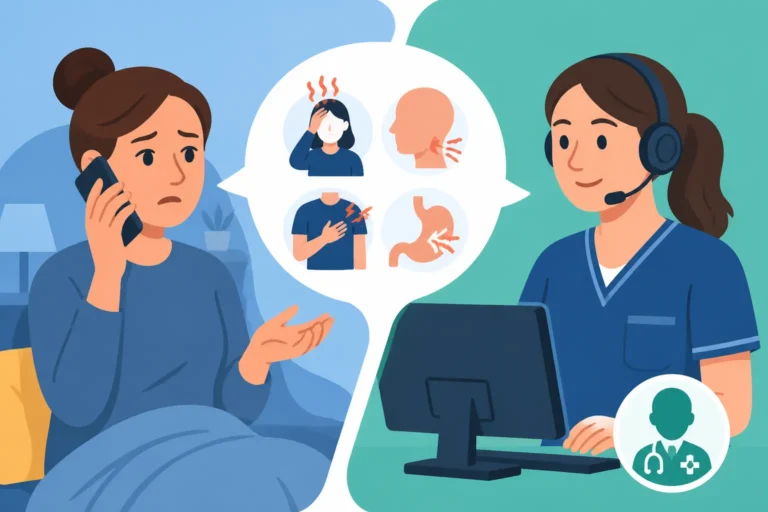
The challenge with endometriosis is that its symptoms often mimic other conditions, and there is a cultural tendency in Danish medicine toward "watchful waiting." If you go to your GP and simply say you have "bad periods," they might suggest birth control or lifestyle changes and ask you to come back in three months. To bypass this, you need to be prepared with a symptom diary. Don't just talk about the pain; talk about how the pain prevents you from working, walking, or living your life. This data-driven approach is what Danish GPs respond to best.
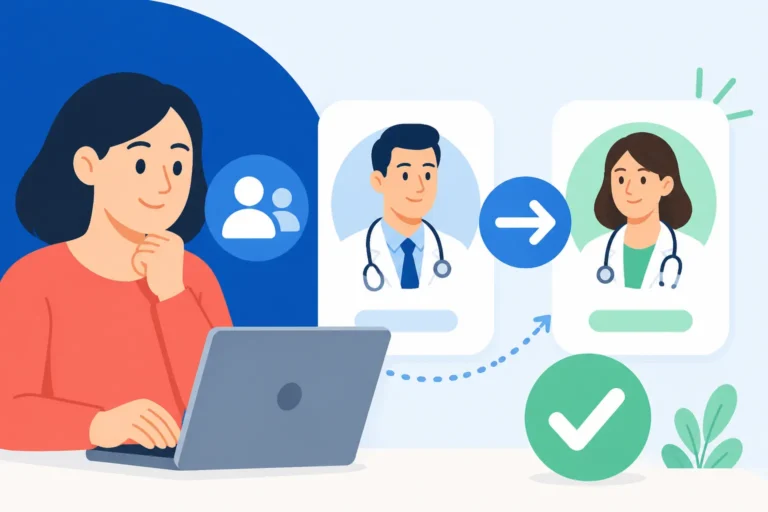
If you find that your doctor is consistently minimizing your pain, you have the right to switch. Knowing How to Choose and Change Your General Practitioner (GP) in Denmark is vital for anyone dealing with chronic issues. You need a doctor who understands that "normal" pain doesn't require morphine-strength Ibuprofen. Once the GP agrees that your case warrants further investigation, they will issue an electronic referral. This referral doesn't go to a specific person usually, but rather into a central system that specialists can see.
Navigating the Referral Process to Danish Specialists
Once your GP hits "send" on that electronic referral, the ball is in your court, but you have to know where to look. In Denmark, most everything happens digitally. You will likely use Sundhed.dk and MitID: Navigating Denmark’s Digital Health Portals to track your referral and see which specialists have received it. You have two main routes: the public hospital route (for complex cases) and the private gynecologist route (for initial screening and less severe cases).
For those who are just starting their journey or who have not yet received their CPR number, you might be relying on Expat Health Insurance: Coverage Before You Get Your CPR Number. If you are in this limbo period, brands like SafetyWing can be a lifesaver, providing coverage for urgent needs while you wait for the public system to kick in. However, once you are in the system, the public route is the standard. If your GP suspects endometriosis, they will often refer you to a local gynecological clinic first. These are private specialists who operate under the public health agreement, meaning it’s free for you as long as you have that referral.
The wait times can be a significant pain point. It is not uncommon to wait 8 to 12 weeks for an initial consultation with a gynecologist in the capital region. If the wait is too long, you should check Waiting Times in Danish Public Hospitals and Patient Rights. Under Danish law, if the public system cannot treat you within a certain timeframe (usually 30 days for diagnostic purposes), you may have the right to be referred to a private hospital at the state's expense. This is known as "extended free choice of hospital" (udvidet frit sygehusvalg).
| Feature | Public Specialist (Gynækolog) | Endometriosis Center (Hospital) | Private Hospital (Self-Pay/Insurance) |
|---|---|---|---|
| Referral Required | Yes, from GP | Yes, from GP or Gyn | No (usually) |
| Cost | Free with Yellow Card | Free with Yellow Card | High (DKK 2,000+ per visit) |
| Wait Time | 4 – 12 weeks | 3 – 6 months | 1 – 2 weeks |
| Scope of Care | Scans, minor procedures | Surgery, multidisciplinary team | Scans, surgery, fast-track |
Specialist Care and Endometriosis Centers in Denmark
If your endometriosis is suspected to be deep infiltrating (DIE) or involves other organs, you will be moved from a local gynecologist to one of Denmark’s specialized endometriosis centers. The two primary centers of excellence are located at Aarhus University Hospital (Skejby) and Rigshospitalet in Copenhagen. These centers are where the real "heavy lifting" happens, including multidisciplinary teams involving colorectal surgeons and pain management specialists.
When you are referred to these centers, the process becomes much more comprehensive. You are no longer just seeing a general gynecologist; you are seeing people who do nothing but treat endometriosis. This is a crucial distinction. In these settings, Women’s Health: Routine Screenings, Gynecology, and Contraception takes a back seat to specialized imaging like MRI protocols designed specifically for endometriosis or high-level transvaginal ultrasounds. I’ve found that the specialists at Rigshospitalet are incredibly professional, but they are also very busy. You must arrive prepared with your history, or you may feel the consultation is rushed.
Before you go, it’s worth understanding Hospital Admissions in Denmark: What to Expect. If surgery is recommended (usually a laparoscopy), you won't be staying in the hospital for a week. The Danish system favors "fast-track" surgery, meaning you are often in and out the same day or the next morning. The focus is on early mobilization and home recovery. While this can feel a bit "sink or swim" for expats used to longer hospital stays, the clinical outcomes in Denmark are generally very high.
Managing Costs and Insurance for Endometriosis Treatment
One of the biggest culture shocks for expats is the divide between what the "Yellow Card" covers and what it doesn't. While your surgery and specialist visits are free, the "extras" are not. This includes things like physiotherapy, psychological support for chronic pain, and certain specialized medications. This is where Private Health Insurance (Sygeforsikring "danmark"): Is It Worth It? becomes a vital topic of conversation. Many Danes pay into this supplemental insurance to get rebates on medicine and physio, which are often necessary for long-term endometriosis management.
If you are working for a large international company in Denmark, you likely have private health insurance as a benefit. Providers like Cigna Global are frequently used by expats who want to bypass the public waiting lists entirely. With Cigna Global, you can often book directly with a private specialist at places like Aleris-Hamlet, one of the country's largest private hospital chains. This can cut your wait time from three months to three days, which is a massive relief when you are in a pain flare.
However, even with private insurance, the "Danish way" still influences care. Private specialists will still often want to see your GP records. If you are using SafetyWing during your initial move-in phase, remember that they focus more on unexpected medical emergencies. For a chronic condition like endometriosis, you really want a long-term solution like the public system or a comprehensive policy from Cigna Global. It’s also important to note that The Role of the GP: Why You Cannot Go Directly to a Specialist remains true even for many private insurance providers who require a "recommendation" from a doctor before they approve a private specialist claim.
Navigating the Emotional and Cultural Hurdles
Beyond the paperwork and the referrals, there is the emotional weight of being an expat in a system that values stoicism. Danish culture often emphasizes "looking healthy" and "getting on with things." When you are dealing with a hidden disability like endometriosis, this can lead to feelings of isolation. You might find that your Danish colleagues don't quite understand why you need to take a day off for "period pain" unless you are very explicit about your diagnosis.
It helps to find English-speaking support groups in Copenhagen or Aarhus. Connecting with others who have navigated Finding Medical Care in Denmark: GPs, Specialists, and Referrals specifically for endometriosis can provide the local "hacks" that no official website will tell you—like which specific GP in Vesterbro is known for being an advocate for women's health.
The system is excellent once you are "in," but the road to get there requires persistence. Don't be afraid to be the "annoying" patient. If your pain is worsening and your follow-up is months away, call the department directly. Use the digital tools available to you. Denmark is a country where the squeaky wheel often gets the grease, provided the wheel is squeaking in a polite, documented, and persistent manner.
Short Disclaimer
The information provided in this guide is for educational and informational purposes only and is based on personal experience and current Danish healthcare regulations. It is not a substitute for professional medical advice, diagnosis, or treatment. Always seek the advice of your physician or another qualified health provider with any questions you may have regarding a medical condition. Healthcare laws and wait times in Denmark are subject to change, and you should verify specific details with official sources like Borger.dk or Sundhed.dk.