Managing Chronic Conditions (Diabetes, Asthma) in the Danish System
Managing a chronic illness like diabetes or asthma in a foreign country can feel like navigating a labyrinth without a map, especially when you are staring at a pharmacy shelf in Copenhagen and nothing looks familiar. I spent my first six months here panicking about my inhaler prescriptions until I finally cracked the code of the Danish system. This guide simplifies every step of managing long-term health in Denmark.
Transitioning Your Chronic Care to the Danish Public System
When you move to Denmark, the transition of your medical history is not automatic. The Danish healthcare system is world-class, but it is also highly digitized and centralized. For someone arriving with a condition that requires daily management, the initial weeks can feel vulnerable. You are essentially moving from a system you knew intimately to one where you don't even have a personal identification number yet.
The first priority for any new arrival with a chronic condition is Understanding CPR Registration and Your Healthcare Entitlement. Your CPR number is the key to everything—from opening a bank account to accessing the national health database. Without this number, you technically exist outside the public health loop. During this waiting period, which can sometimes take weeks, many expats find that international options like SafetyWing provide a necessary safety net for emergency consultations or unexpected flares before the state system kicks in.
Once your CPR is processed, you will receive The Yellow Health Card (Sundhedskort): Your Key to Danish Healthcare in the mail. This plastic card is your passport to the system. It contains your CPR number and, crucially, the name and address of your assigned General Practitioner (GP). You must bring this card to every appointment and scan it at the arrival kiosk. It is the mechanism by which the state tracks your treatments and manages your subsidies.
Registering with a GP and Initial Consultations
Your GP, known in Denmark as a praktiserende læge, acts as the gatekeeper for all chronic care. Unlike some countries where you might go directly to a private endocrinologist or pulmonologist, The Role of the GP: Why You Cannot Go Directly to a Specialist is strictly enforced here. When you first receive your yellow card, you are assigned a doctor based on your proximity to your residence. However, if you have a specific condition, you may want to research How to Choose and Change Your General Practitioner (GP) in Denmark to find a clinic that has particular experience with chronic disease management.
During your first appointment, you should bring a physical copy of your medical records from your home country. While Danish doctors are generally excellent at English, having a translated summary of your diagnosis, current medication dosages, and recent lab results (like HbA1c levels for diabetics or spirometry results for asthmatics) is invaluable. The doctor will use this to "onboard" you into the Danish digital system. Do not expect them to simply take your word for it; they will likely run their own baseline tests to ensure their records match your current status.
If you find that your Danish is not yet at a level where you can discuss complex medical nuances, remember that you have specific rights. You can request Translators in Danish Healthcare: Your Right to an Interpreter for your initial consultations. This is particularly important when discussing long-term treatment plans where a misunderstanding about dosage or symptoms could have serious health implications.
The Digital Health Infrastructure
One of the most impressive, yet initially overwhelming, aspects of the Danish system is the level of digitization. Once you have your MitID—the national digital signature—you gain access to Sundhed.dk and MitID: Navigating Denmark’s Digital Health Portals. This portal is a goldmine for chronic patients. You can see every blood test result, every note a specialist has written about you, and a full history of your prescriptions.
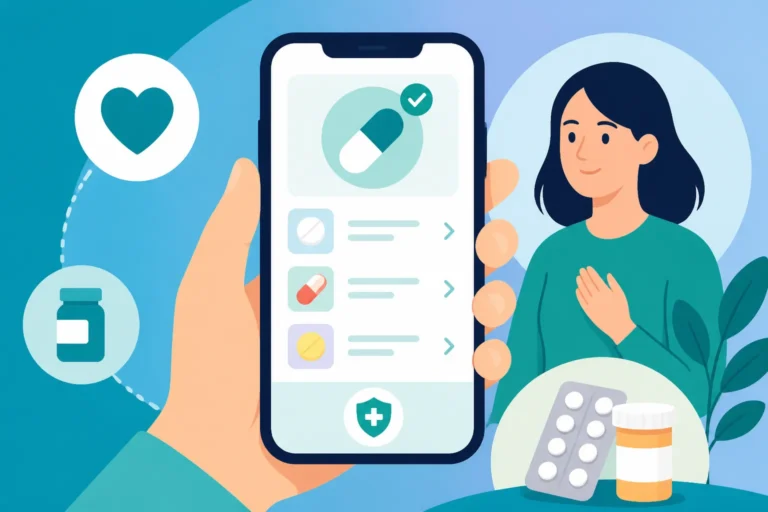
For daily management, Using the Medicinkortet App: Managing Your Prescriptions Digitally is essential. This app shows you exactly how many refills you have left and allows you to request renewals from your GP with a single tap. For an expat who might have struggled with phone calls in a foreign language to a busy clinic, this digital autonomy is a massive relief. It removes the friction of managing a condition and ensures you never find yourself on a Sunday night without a life-saving inhaler or insulin pen.
Diabetes Management: From Insulin to Specialist Care
If you are living with Type 1 or Type 2 diabetes, Denmark is one of the best places in the world to be. The country is home to global leaders in insulin production, and the care reflects that. However, the structure of care might differ from what you are used to. Most stable diabetics are managed by their GP, who will handle the routine quarterly blood tests and prescription renewals.
For more complex cases, or for Type 1 diabetics, you will likely be referred to a specialized center. In the capital region, the Steno Diabetes Center in Gentofte is the "gold standard." These centers provide a multidisciplinary approach, including nurses, dieticians, and podiatrists, all under one roof. Accessing this level of care requires a referral, and Finding Medical Care in Denmark: GPs, Specialists, and Referrals is a process that starts and ends with your GP's assessment of your needs.
Accessing Supplies and Technical Aids
In Denmark, insulin is purchased at the pharmacy (Apotek) and is subject to the national subsidy system. However, "technical aids" like Continuous Glucose Monitors (CGMs), insulin pumps, and test strips are often handled differently. These are frequently funded by your local Kommune (municipality) rather than the health system directly. This can be a source of frustration for expats, as it involves a separate administrative application process.
You will need to apply for these aids through the "Body and Soul" (Krop og Sjæl) department of your local municipality. They will evaluate your clinical need based on your GP or specialist's recommendation. While the public system is generous, there can be "preference lists" for certain brands of pumps or sensors. If you are deeply attached to a specific brand of CGM that isn't covered, you might find that supplemental coverage from a provider like Cigna Global allows you more flexibility in choosing specific medical hardware or seeking second opinions outside the public framework.
Preventative Screenings and Complication Management
The Danish system places a heavy emphasis on preventing the long-term complications of diabetes. This includes regular foot and eye exams. You will be encouraged to book Subsidized Podiatry (Fodterapi) for Diabetics in Denmark at least once a year. The state provides a significant subsidy for these visits because they recognize that early intervention in foot health saves the system money in the long run.
Similarly, eye health is monitored closely. You will be referred for retinal screenings (eye photography) to check for retinopathy. If you need a more general check-up for vision changes, you can look into Eye Care in Denmark: Opticians, Glasses, and Ophthalmology Referrals. It is important to note that while the medical screening is free, the cost of corrective lenses is generally out-of-pocket, which is a common surprise for many newcomers.
| Service Type | Provider | Cost Structure |
|---|---|---|
| Routine Blood Work | GP Clinic | Free with Yellow Card |
| Insulin | Apotek | Subsidized (Sliding Scale) |
| CGM / Pumps | Municipality (Kommune) | Usually 100% Covered if Approved |
| Specialist Consults | Steno / Hospital | Free with Referral |
| Diabetic Podiatry | Private Podiatrist | Subsidized with Referral |
Managing Asthma and Respiratory Conditions
Asthma care in Denmark is largely decentralized. Most patients will rarely see a specialist and will instead work closely with their GP to manage their "Asthma Action Plan." The Danish approach is very evidence-based, focusing on achieving total symptom control. If you are used to just "getting by" with a rescue inhaler, your Danish doctor might push for a more proactive preventative routine involving inhaled corticosteroids.
The GP will typically perform a spirometry test (lung function test) right in the clinic to monitor your progress. They will also use Booking a Doctor's Appointment in Denmark: MinLæge App Guide to keep a digital log of your peak flow readings if you are asked to track them at home. If your asthma is "brittle" or difficult to control, you will be referred to a lungemedicinsk specialist at a hospital or private clinic.
Navigating the Apotek and Inhaler Costs
When you go to the pharmacy to pick up your asthma medication, you will notice that the prices can fluctuate. This is because Denmark uses a generic substitution model. Unless your doctor has specified a "no substitution" rule, the pharmacist will offer you the cheapest version of the molecule you were prescribed. For most, this is fine, but for asthmatics who prefer the ergonomics of a specific inhaler brand, it can be an adjustment.
Understanding Pharmacies in Denmark: Apotek Rules, Prescriptions, and Subsidies is vital here. Unlike some countries with flat-fee prescriptions, Denmark uses a sliding scale. The more you spend on subsidized medicine in a calendar year, the more the state covers.
- 0 to ~1,100 DKK: You pay 100%
- ~1,100 to ~1,800 DKK: You pay 50%
- ~1,800 to ~3,900 DKK: You pay 25%
- Over ~3,900 DKK: You pay 15% (or even less in some cases)
This system is great for chronic patients because once you hit the higher tiers, your monthly medication costs drop significantly. You can track your "subsidy balance" on the Medicinkortet app or by asking the pharmacist.
Environmental Factors: Pollen and Indoor Air Quality
Denmark’s environment can be a trigger for many asthmatics. The country is lush and green, which means Allergy Season in Denmark: Antihistamines and GP Immunotherapy can be brutal from April through August. The "Astma-Allergi Danmark" app is a lifesaver; it provides daily pollen counts for different regions, helping you adjust your medication before you step outside.
In the winter, the challenge shifts indoors. Danish homes are built to be airtight to save on heating, which can lead to issues with Managing Humidity and Mold (Skimmelsvamp) During Danish Winters. If you notice your asthma worsening during the dark months, check the humidity levels in your apartment. Landlords are legally required to provide a mold-free environment, but "ventilation hygiene"—opening windows for 5-10 minutes three times a day—is a cultural expectation in Denmark to keep respiratory triggers at bay.
Financial Support and Private Insurance Options
While the public system is comprehensive, many expats choose to layer their coverage. One of the most common questions is, Private Health Insurance (Sygeforsikring "danmark"): Is It Worth It?. This is a unique, member-owned insurance "club." They don't provide a private hospital network; instead, they provide cash reimbursements for things the state doesn't fully cover, such as dental work, physiotherapy, and the remaining 15-25% of your medication costs.
For a chronic patient, joining "danmark" is often a no-brainer, but there is a catch: you usually have to be healthy when you join. This leads to the question, Does Sygeforsikring "danmark" Cover Pre-existing Conditions?. Generally, they will not reimburse you for medications or treatments related to a condition you had before joining. However, they may still cover you for other unrelated health issues.
For those who want true private access—perhaps to see a specialist faster than the public wait times allow—international insurers like Cigna Global or SafetyWing can be beneficial. These providers are particularly useful for expats who travel frequently or who want the peace of mind that comes with being able to bypass the GP referral system for certain types of diagnostic imaging or consultations.
Workplace Rights and Chronic Illness
Living with a chronic condition also involves navigating the professional world. Denmark has strong protections for workers, but it’s important to know your rights. If your condition requires you to take time off for treatments or during a "flare-up," you should understand Sickness Benefit (Sygedagpenge): Your Rights When Off Work Due to Illness.
Danish work culture is generally very empathetic toward health issues, provided you are transparent. There is a "Section 56" agreement (paragraf 56-aftale) that your employer can enter into with the municipality if you have a chronic condition that results in higher-than-average sick days. This agreement allows the employer to receive reimbursement from the first day of your illness, rather than waiting the usual two weeks. This removes the "risk" for the employer and makes it much easier for you to manage your health without fear of professional repercussions.
Finding Community and Mental Support
Managing a lifelong illness in a new country can be isolating. You aren't just managing the physical symptoms; you are managing the stress of a new culture and language. Many foreigners find that Mental Health in Denmark: Accessing Psychologists and Therapy for Expats is an important part of their overall care plan. Living with a chronic condition significantly increases the risk of burnout or depression, and the Danish system allows for GP referrals to psychologists at a subsidized rate.
Furthermore, don't underestimate the power of peer support. There are active organizations for almost every condition, such as the Diabetesforeningen or Astma-Allergi Danmark. These groups often have local chapters and sometimes even English-speaking subgroups. Finding Support Groups for Chronic Illnesses in Denmark can provide you with the "on-the-ground" tips that only someone living with the same condition in the same city would know, such as which pharmacy in Aarhus always has specific insulin in stock or which GP in Copenhagen is the most sympathetic to asthma concerns.
Managing Chronic Conditions (Diabetes, Asthma) in the Danish System Disclaimer
The information provided in this guide is for educational and informational purposes only and does not constitute professional medical advice, diagnosis, or treatment. Always seek the advice of your physician or another qualified health provider with any questions you may have regarding a medical condition. While we strive to provide accurate and up-to-date information regarding the Danish healthcare system, rules and regulations can change frequently. Reliance on any information provided in this article is solely at your own risk. This content is based on personal expat experiences and publicly available data.