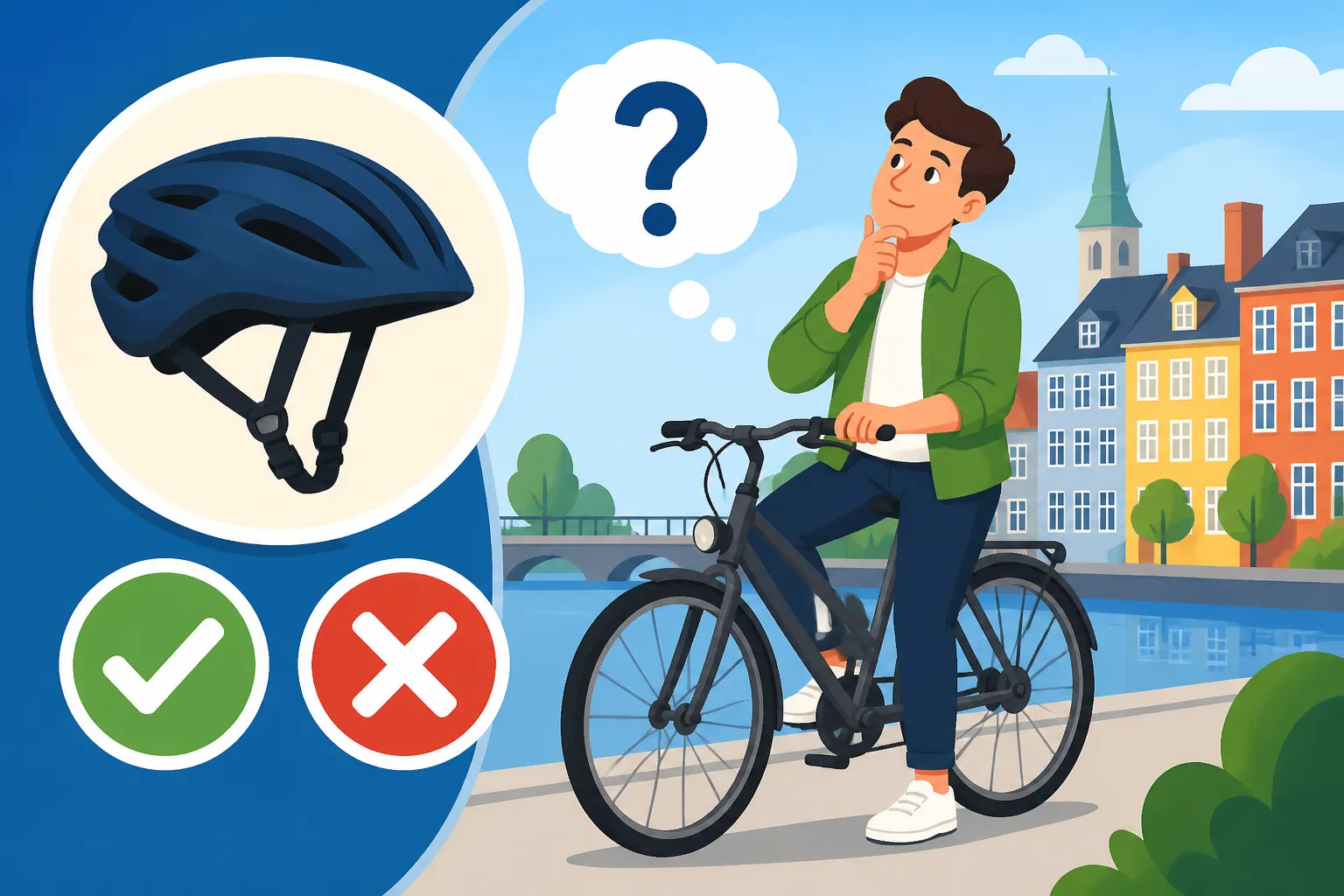
Do I Need a Helmet to Ride a Bike Legally in Denmark?
Alright, let's talk cycling in Denmark! You've just arrived, or perhaps you've been here a while, and you're navigating the incredible network of bike paths. It's exhilarating, isn't it? But for many of us coming from countries with mandatory helmet laws, a burning question quickly surfaces: "Do I actually need a helmet to ride a bike legally in Denmark?" This guide is going to clear up the legalities, but more importantly, it will dive deep into why wearing a helmet, whether mandated or not, is a genuinely smart move in your new Danish life.
The Legal Lowdown on Cycling Helmets in Denmark
Let's cut straight to the chase because it's probably the first thing on your mind. You’ve seen Danes of all ages, from tiny tots on balance bikes to seasoned commuters, zipping around without a helmet. And yes, it often leads to that head-scratching moment for us expats: is it just a cultural thing, or is it actually allowed?
The Current Law: Is It Mandatory?
Here's the definitive answer, and it might surprise some of you: no, wearing a bicycle helmet is not legally mandatory for adults in Denmark. That's right. Unlike many other nations where you could face a hefty fine for cycling bare-headed, Danish law gives you the personal choice. You won't get pulled over by the police or issued a ticket for simply not having a helmet on your head, regardless of your age or the type of bike you're riding. This applies whether you're cruising along Copenhagen's supercykelstier (super bike paths) or navigating the charming, cobbled streets of Aarhus.
This isn't to say there are no rules about cycling. Far from it! You absolutely must have proper lights on your bike after dark, use hand signals, and follow all traffic laws. In fact, ignoring these can land you a fine, but your choice of headgear isn't on that list. It really puts the onus on individual responsibility and trust in the system, which can feel quite different if you're used to more prescriptive regulations back home.
Historical Context and Political Debates
It might seem baffling that a country so dedicated to cycling, and so focused on safety in many other areas, doesn't mandate helmets. This isn't for lack of discussion, believe me. Over the years, there have been numerous political debates and public campaigns encouraging helmet use, especially for children. Statistics on head injuries are regularly highlighted by traffic safety organizations. Yet, each time, the legislative push for mandatory helmets has been resisted.
The prevailing argument in Denmark often centers on personal freedom and the potential negative impact on cycling rates. Proponents of voluntary helmet use argue that making helmets mandatory might discourage people from cycling altogether, which would, in turn, reduce the health and environmental benefits of a widespread cycling culture. There's also a sentiment that cyclists, just like pedestrians, should have the freedom to choose, and that the focus should rather be on creating safer cycling infrastructure and educating on general traffic awareness for all road users, rather than solely on individual equipment. So, while the conversation periodically resurfaces, for now, the status quo remains: freedom of choice.
What the Police Can and Cannot Do
So, you're riding without a helmet. What can you expect from the Danish police (Politiet)? In short, they cannot fine you for it. Their primary role in this context is to enforce traffic laws that do exist, such as ensuring your bike has working lights in the dark or that you're not riding on the sidewalk. If you're involved in an accident, they will investigate the circumstances, but the lack of a helmet itself won't be a legal infraction.
However, a police officer might, in a friendly and advisory capacity, suggest that you wear a helmet, especially if they see you in a potentially risky situation or if you're cycling with children. They are, after all, concerned with public safety. But rest assured, you won't be receiving a ticket for it. This informal approach aligns with the general Danish attitude of guiding rather than strictly enforcing personal choices when it comes to certain safety measures.
Beyond the Law: Why a Helmet is a Smart Choice
Just because something isn't legally required doesn't mean it's not a good idea. And when it comes to protecting your head while cycling in Denmark, I cannot stress enough how important it is to consider wearing a helmet. As an expat who's seen a few bumps and scrapes (and heard much worse), let me share why it's a truly sensible decision.
The Harsh Realities of Danish Traffic
While Denmark boasts incredible cycling infrastructure, with dedicated lanes and bridges that make cycling a dream, it's not a risk-free paradise. Accidents happen. Drivers, despite being generally good at looking out for cyclists, are still navigating crowded city streets, often in larger vehicles with blind spots. Suddenly opening car doors, cars turning right across a bike lane, or even other cyclists making unexpected maneuvers are daily occurrences. Plus, let's be honest, not every driver is perfectly attentive, and sometimes, we cyclists make mistakes too.
Consider the weather: rain, snow, or icy patches can make the most familiar route treacherous. A sudden gust of wind can throw you off balance. Even a minor fall onto a hard surface can have devastating consequences for your head, regardless of how slow you were going. Don't let the seemingly relaxed atmosphere fool you; Danish traffic, especially in busy cities like Copenhagen or Aarhus, is dynamic and demands constant vigilance. You might also want to brush up on the general Danish Cycling Culture: Rules, Buying a Bike, and Safety to really understand the local dynamics.
Protecting Your Most Important Asset
This really is the crux of it. Your brain is irreplaceable. A head injury can range from a concussion that knocks you out of commission for weeks to something far more severe, potentially altering your life permanently. Accounts circulate among expats of minor falls that resulted in serious head trauma simply because they weren't wearing a helmet. These aren't just statistics; they're real people facing long-term rehabilitation, memory issues, or changes in personality. It's a terrifying prospect.
Think about the impact on your life here. Suddenly, you're navigating the Danish healthcare system, which, while excellent, can be complex when you're dealing with serious injuries. You might be unable to work, affecting your visa status if you're on a The Pay Limit Scheme: Meeting the 2026 Salary Requirements visa, or simply your ability to support yourself. Recovery from a brain injury is a long, uncertain road, and it's a burden you simply don't want to take on. Investing in a good helmet, and wearing it every single time you cycle, is the cheapest and most effective insurance policy for your head you'll ever buy. When dealing with an emergency, knowing how to use services like Emergency Medical Care in Denmark: Calling 112, Lægevagten, and ERs becomes critical.
Leading by Example
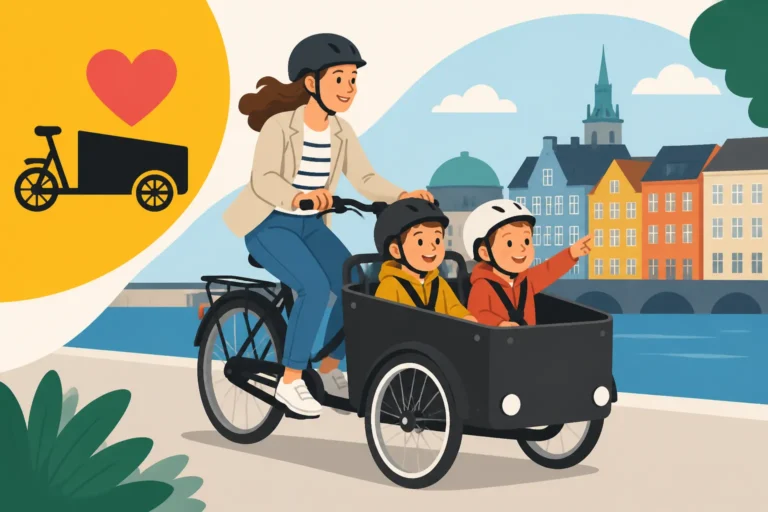
If you have children, or even if you just interact with younger people in your community, wearing a helmet sets a powerful example. While helmets aren't mandatory for kids either, campaigns strongly encourage it, and most Danish parents do ensure their little ones wear them. What message does it send if parents or adults they look up to skip it? Our actions speak louder than words.
It's about fostering a culture of safety. When you wear a helmet, you contribute to normalizing it, making it seem less like a "choice" and more like a standard part of cycling, much like having Mandatory Bike Lights and Hand Signals in Danish Traffic is. This can have a ripple effect, encouraging more people, especially impressionable youth, to prioritize their safety too. For families Moving to Denmark with Family: Schools, Childcare, and Logistics, promoting helmet use is often a top priority for parents.
Choosing the Right Helmet and Riding Safely
So, you've decided to prioritize your safety – excellent choice! Now, let's talk about what kind of helmet to look for and other crucial safety measures to ensure your cycling experience in Denmark is as enjoyable and safe as possible.
Helmet Features to Look For
Don't just grab any helmet off the shelf. Here’s what you should consider:
- CE Mark: This is non-negotiable. Ensure your helmet has the CE mark, specifically EN 1078. This certifies that it meets European safety standards.
- Proper Fit: A helmet that doesn't fit correctly is almost useless. It should sit level on your head, cover your forehead, and not move more than an inch in any direction when you shake your head. The straps should form a "V" shape around your ears, and you should be able to fit two fingers under the chin strap. Go to a reputable bike shop and get help finding the right size.
- Visibility: Denmark can get very dark in winter. Choose a helmet in a bright color, or one with reflective elements. Many modern helmets also come with integrated LED lights, which are fantastic for increasing your visibility to others.
- MIPS Technology: This is a fantastic innovation that's becoming increasingly common. MIPS (Multi-directional Impact Protection System) is designed to provide additional protection against rotational motion to the brain caused by angled impacts. It's an extra layer of safety worth considering.
- Comfort and Ventilation: You're more likely to wear a helmet if it's comfortable. Look for good ventilation to prevent overheating, especially during warmer months.
Essential Cycling Safety Tips
Beyond the helmet, there are other crucial aspects to safe cycling in Denmark:
- Lights, Lights, Lights: Seriously, this is a legal requirement and absolutely critical. Your bike must have a white light facing forward and a red light facing backward, both visible from a distance. And these aren't just for total darkness; use them in twilight, heavy rain, or fog. Get good quality, bright lights, and always ensure they're charged.
- Reflective Gear: Especially in winter, when daylight hours are fleeting, reflective strips on your jacket, trousers, and even your backpack can make a huge difference in how visible you are to drivers.
- Hand Signals: Use clear hand signals for turning and stopping. It communicates your intentions to both drivers and other cyclists, preventing unexpected collisions.
- Follow Traffic Laws: This seems obvious, but it's easy to get complacent. Stop at red lights. Yield where required. Don't cycle against the flow of traffic in a bike lane. Don't cycle on the sidewalk unless specifically permitted (e.g., small children).
- Stay Attentive: Avoid distractions like your phone (unless using it for navigation safely mounted). Be aware of your surroundings, anticipate traffic, and make eye contact with drivers and pedestrians. If you're using your phone for navigation or emergencies, having a reliable e-SIM from a provider like Airalo ensures you're always connected without worrying about roaming charges or finding Wi-Fi. It's a small detail that makes a big difference in maintaining focus.
- Be Predictable: Ride in a straight line, signal your turns, and avoid sudden swerves. Predictability is key to safe coexistence on the road.
Insurances and Medical Preparedness
Even with the best precautions, accidents can happen. Understanding your coverage and what to do post-accident is vital.
- Healthcare Access: If you're a legal resident with a CPR number, you're entitled to Healthcare in Denmark for Foreign Residents: Complete System Guide (2027). Your yellow health card is your key to this. However, if you're new and haven't secured your Understanding CPR Registration and Your Healthcare Entitlement, or are on Expat Health Insurance: Coverage Before You Get Your CPR Number, ensure you know your coverage.
- Personal Injury Claims: While not mandatory, having personal accident insurance (often part of your Indboforsikring: Why Home Contents Insurance is Crucial for Renters) can be beneficial. If you're injured and it's not another party's fault, this might cover some costs. If another party is at fault, their liability insurance should cover your damages.
- Emergency Contact: Always have your phone charged and easily accessible. Knowing how to call 112 in Denmark for emergencies, and what to say, is crucial. For non-life-threatening but urgent situations, you might need to call Lægevagten (the out-of-hours doctor), so it’s good to know What to Say When Calling Lægevagten (Out-of-Hours Doctor). Having access to data through a service like Airalo means you're never scrambling for connectivity in an emergency.
- After an Accident: Seek medical attention immediately, even if you feel fine. Adrenaline can mask injuries. Knowing how to use Booking a Doctor's Appointment in Denmark: MinLæge App Guide can help with follow-up appointments. Document everything – photos of the scene, contact details of any witnesses or other parties involved, and police reports. Keep all medical records. Recovering from Getting Treatment for Sports Injuries: Physio vs. Hospital can be a long process, so having all your documentation in order helps.
Riding a bike in Denmark is one of the purest joys of expat life here. But let's keep it safe. The law might give you a choice, but common sense and self-preservation should guide your decision to don a helmet every single time you hit those beautiful bike paths.
Disclaimer
The information provided in this guide is intended for general informational purposes only and does not constitute legal, medical, or financial advice. While we strive to keep the information accurate and up-to-date, laws and regulations in Denmark can change. Always consult with official Danish authorities, legal professionals, or relevant experts for advice tailored to your specific situation. We are not liable for any actions taken or not taken based on the information presented herein.