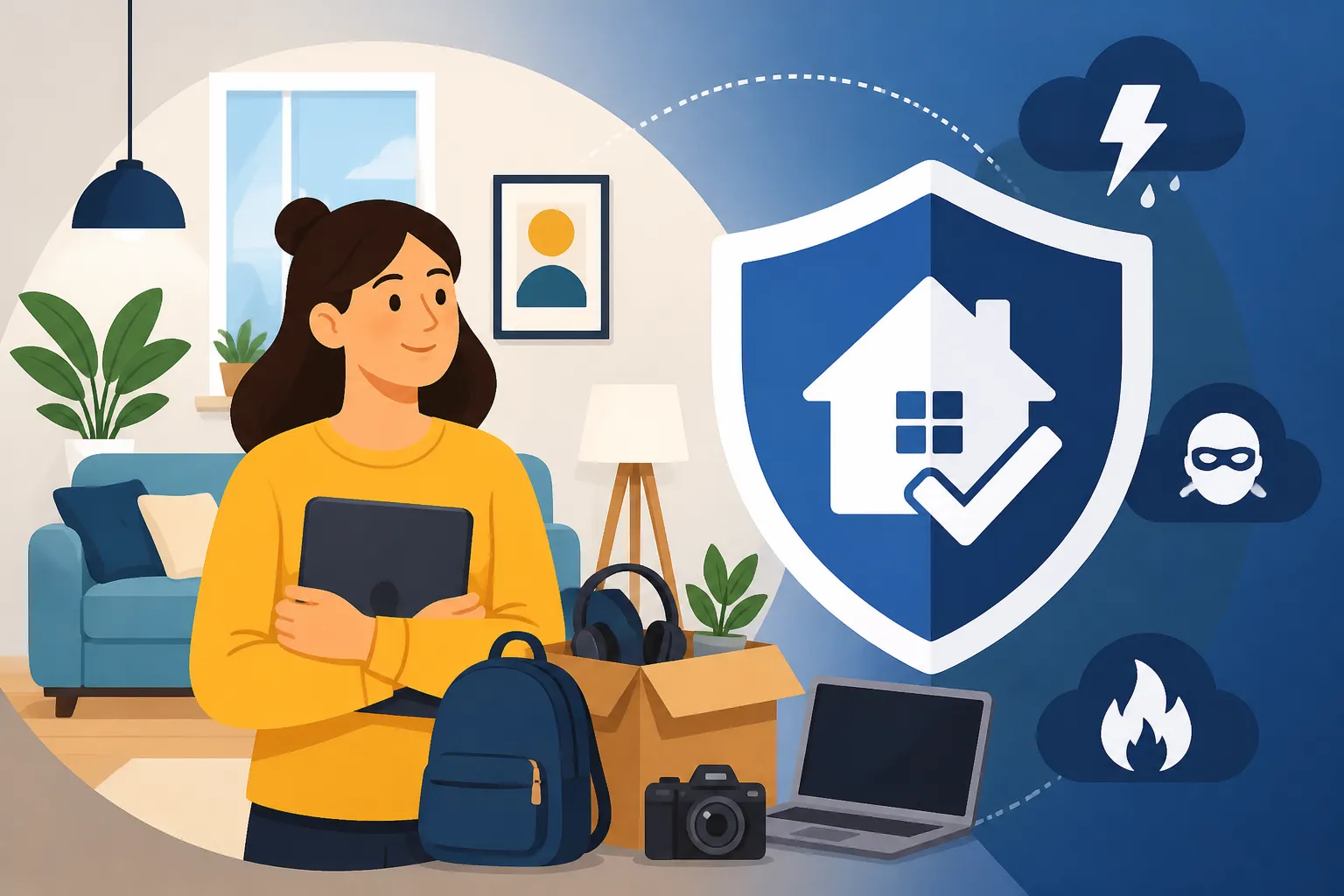
Indboforsikring: Why Home Contents Insurance is Crucial for Renters
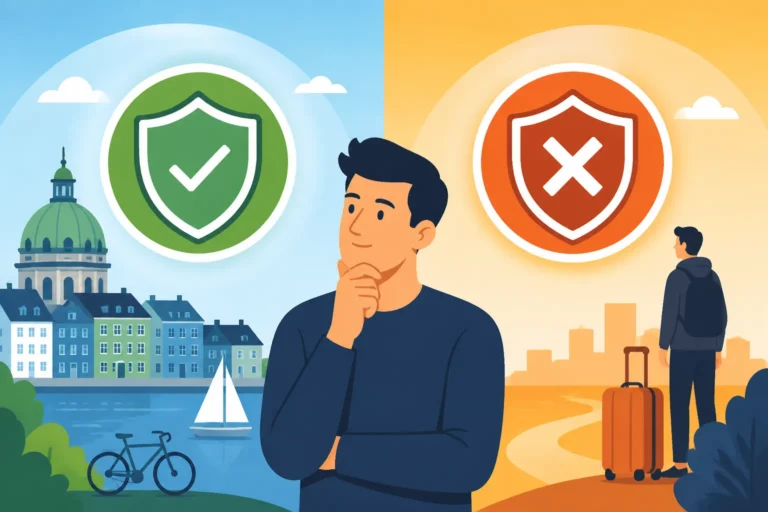
Many expats arrive in Copenhagen or Aarhus thinking that their landlord’s insurance covers the apartment and everything in it, only to face a financial nightmare when a pipe bursts or a bicycle is stolen. This guide breaks down why Indboforsikring is the most critical document you’ll sign after your lease, protecting your wallet from liability claims and theft. We will explore the nuances of Danish insurance culture, the specific items covered, and how to navigate the terminology to ensure you aren't left vulnerable during your stay in Denmark.
Understanding the Basics of Indboforsikring
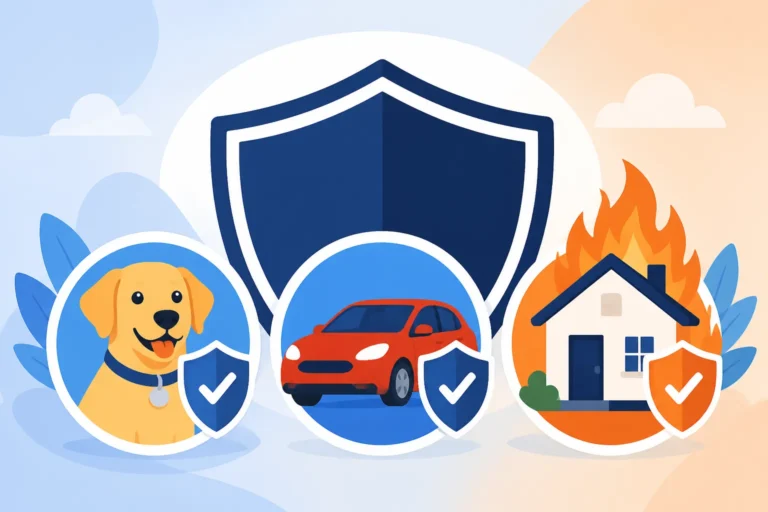
When you first move into a Danish apartment, you are likely overwhelmed by the paperwork. Between signing the Typeformular A10: Understanding the Standard Danish Lease Agreement and figuring out how to register your CPR, insurance often falls to the bottom of the list. However, in Denmark, Indboforsikring is not just about your "stuff." It is a comprehensive package that combines home contents coverage with personal liability insurance. This is a crucial distinction that many foreigners miss, often assuming that liability is a separate policy as it might be in their home country.
The "Contents" portion of the policy covers your physical belongings—furniture, electronics, clothing, and kitchenware—against events like fire, water damage, and burglary. But the "Liability" (ansvarsforsikring) portion is arguably more important. In Denmark, if you accidentally cause damage to someone else or their property, you are legally responsible for the costs. This could be as simple as overflowing your bathtub and ruining the ceiling of the neighbor downstairs, or accidentally colliding with a pedestrian while walking. Without Indboforsikring, these costs come directly out of your pocket, which can be devastating given the high cost of repairs in the Nordics.
Most Danish landlords, especially institutional ones, will strongly "recommend" you have this insurance, but even if they don't insist on seeing a policy, it is reckless to live without it. The Danish legal system places a high value on personal responsibility, and the "oops" factor is rarely a valid defense in court. Having a solid financial plan is essential, and while services like Taxes for Expats can help you manage your broader fiscal obligations, protecting your daily life starts with a local insurance policy.
Why Your Landlord’s Insurance Is Not Enough
A common misconception among new arrivals is that the building insurance (ejendomsforsikring) held by the landlord or the housing association covers the tenants' interests. This is strictly false. The landlord’s insurance covers the "bricks and mortar"—the actual structure of the building, the roof, and the common areas. If a fire breaks out in the building, the landlord's policy will pay to rebuild the walls, but it will not pay a single krone for your smoke-damaged designer sofa or your laptop.
Furthermore, building insurance never includes personal liability for the tenants. If a pipe in your kitchen leaks because you didn't tighten a valve properly, the building insurance might cover the structural drying of the floor, but the insurance company will likely "subrogate" the claim. This means they will pay the landlord and then come after you personally to recoup their losses because you were the negligent party. Without your own Indboforsikring, you would be facing a bill for tens of thousands of kroner.
It is also worth noting that in the Renting in Denmark: Complete Guide for Expats (2027), you’ll see that tenants are often responsible for the "internal maintenance" of the property. If your lack of insurance leads to a dispute over damages, you might find your entire deposit withheld. This is why having your own policy is a shield not just against accidents, but against losing your Initial Rental Costs: Navigating Deposits and Prepaid Rent Laws.
The Core Components of a Standard Policy
A standard Danish home contents insurance policy is surprisingly broad. Beyond the four walls of your apartment, it often covers your belongings while you are traveling. For example, if your suitcase is stolen from a hotel room in Spain, your Danish Indboforsikring often covers it. This "global" aspect of the coverage is a standard feature in Denmark that provides immense peace of mind for expats who travel frequently.
Additionally, most policies include "Right of Defense" (retshjælp). If you end up in a legal dispute—perhaps with a landlord over an unfair move-out report or a disagreement regarding a contract—your insurance may cover the legal fees and court costs up to a certain limit. Given the high hourly rates of Danish lawyers, this feature alone can save you a fortune. When managing these international lifestyles, utilizing Wise to handle payments for such services or to pay your insurance premiums from a foreign account can simplify the administrative burden.
The Liability Trap: Why Ansvarsforsikring Is Non-Negotiable
In Denmark, personal liability (ansvar) is a significant legal concept. If you are found negligent in an accident, you are liable for both property damage and personal injury. Imagine you are visiting a friend's house and you accidentally knock over an expensive piece of art, or you are at a cafe and spill coffee over someone's high-end MacBook. Under Danish law, you are responsible for the replacement value. Indboforsikring steps in to handle these negotiations and payments on your behalf.
The liability coverage also extends to your household. If you move to Denmark with a partner or children, one Indboforsikring policy usually covers everyone living at the same address. This is particularly vital for parents, as children are prone to accidents that can result in expensive claims. Whether it's a broken window at school or a scratched car on the street, having that liability umbrella ensures that a childhood mishap doesn't become a family financial crisis.
For those carefully watching their Cost of Living in Denmark 2026: Budgets for Singles and Families, the small monthly premium for insurance—often between 150 and 300 DKK—is a negligible price to pay to avoid a million-krone liability claim. It is one of the few areas where "skimping" can lead to absolute financial ruin.
Bicycle Theft: A Danish Rite of Passage
You cannot talk about living in Denmark without mentioning bicycles. Denmark is a cycling nation, and unfortunately, bicycle theft is the most common crime in the country. Almost every expat will, at some point, walk out of a train station only to find their lock cut and their bike gone. A standard Indboforsikring policy almost always includes coverage for bicycle theft, provided you have used a "Danish-approved" lock (Forsikringsgodkendt lås).
When you buy a bike, you must ensure the lock comes with a small certificate or a specific stamp from the Danish Varefakta. If your bike is stolen, the insurance company will ask for the frame number (stelnummer) and proof that the lock was approved. Without these two pieces of information, they will reject the claim. For many expats, the Danish Cycling Culture: Rules, Buying a Bike, and Safety is a highlight of life here, but it requires this specific administrative discipline to stay protected.
It is also important to check the "sum" or limit of your bike coverage. Basic policies might only cover up to 5,000 or 10,000 DKK per bike. If you own a high-end electric cargo bike or a carbon-fiber racing bike, you will likely need to add a "supplementary" bicycle insurance (cykelforsikring) to your main policy. Paying for these upgrades via Wise is a common way to manage the costs if you are still balancing your home-country finances with your Danish expenses.
What Is Usually Not Covered?
While Indboforsikring is comprehensive, it is not a "catch-all" for every mistake. The most notable exclusion is "gross negligence" (grov uagtsomhed). If you leave your front door wide open and go to the supermarket, and someone walks in and steals your TV, the insurance company may deny the claim. Similarly, if you are under the influence of alcohol and cause a major accident, the liability portion of your insurance might be voided.
Another common exclusion involves items of extreme value, such as jewelry, rare art, or professional musical instruments. Most policies have a "ceiling" for single items (usually around 20,000 to 50,000 DKK). If you possess a watch or an engagement ring worth more than this, you must declare it specifically to the insurer and pay an additional premium. Failure to do so means that in the event of a total loss, such as a fire, you will only be reimbursed up to the policy's standard limit.
Finally, "wear and tear" is never covered. If your five-year-old washing machine simply stops working due to age, insurance will not pay for a new one. This is a maintenance issue, not an "event." However, if a power surge during a lightning storm fries the electronics of that same washing machine, that is an insurable event. Understanding these nuances helps you set realistic expectations for your claims.
The Table of Coverage: What to Expect
Below is a typical comparison of what a "Basic" vs. "Extended" Indboforsikring policy looks like in the Danish market for 2026.
| Feature | Basic Policy | Extended/Plus Policy |
|---|---|---|
| Personal Liability | Included (up to 10M DKK) | Included (up to 10M DKK) |
| Bicycle Theft | Up to 6,000 DKK per bike | Up to 15,000 DKK per bike |
| Electronics (Sudden Damage) | Fire/Theft only | "All-risk" (Spilled coffee/Drops) |
| Travel Insurance | Not included | Included (Europe or Worldwide) |
| Legal Aid | Standard limits | Higher coverage for lawyer fees |
| Glass & Sanitary | Optional add-on | Often included |
Choosing a Provider and Setting Up Your Policy
In Denmark, you have a choice between traditional "legacy" insurance companies and newer, digital-first providers. Companies like Tryg, Topdanmark, and Codan are the giants of the industry, offering highly personalized service and a wide range of products. On the other end, digital providers like Undir, Hedvig, or Lunar’s integrated insurance offer app-based management that appeals to the tech-savvy expat.
One of the best ways to save money is to "bundle" your insurances. If you eventually buy a car or take out a life insurance policy, keeping them with the same provider usually triggers a 10-15% discount across the board. Some expats even find that joining a Danish trade union provides access to some of the cheapest insurance rates in the country through specialized partners like Alka.
When you sign up, you will need your MitID and your CPR number. The insurance company will use your address to calculate your premium. Areas with higher burglary rates, like certain parts of central Copenhagen, will have slightly higher premiums than a quiet suburb in Jutland. Once the policy is active, ensure you have your The Dankort: Denmark’s National Debit Card and Why You Want One ready for the recurring Betalingsservice payments, as this is the standard way to pay bills in Denmark.
The Importance of Updating Your Address
The Danish system is highly integrated. When you move, you are legally required to report your new address to the Folkeregister. While this triggers several automated processes, like Moving Addresses: Do You Automatically Get a New Yellow Card?, it does not always automatically update your insurance policy. You must contact your provider to inform them of the move.
If you move from a one-bedroom apartment to a four-bedroom house, your "sum insured" (the total value of your belongings) needs to be adjusted. If you remain under-insured, the company may apply a "pro-rata" deduction to any future claims. For example, if you have 500,000 DKK worth of stuff but only insured it for 250,000 DKK, the insurance company might only pay 50% of any claim you make, even for a small theft.
Keeping your financial life in order during these transitions is where services like Taxes for Expats become invaluable, as they can help you understand how your changing living situation impacts your overall tax profile and deductible expenses. Similarly, using Wise to manage the move—such as paying for movers or new furniture in different currencies—keeps your transition smooth.
Final Thoughts for the Wise Expat
Indboforsikring is the ultimate "safety net" for life in Denmark. It is more than just a monthly bill; it is your protection against the unpredictable nature of living in an old, densely populated city where water leaks, bike thefts, and accidental collisions are part of daily life. By taking the time to set up a policy early, you ensure that your Danish adventure isn't cut short by an expensive legal or repair bill.
Remember to read the "Small Print" (det med småt) regarding your deductible (selvrisiko). Most policies allow you to choose a deductible between 0 and 5,000 DKK. Choosing a higher deductible will lower your monthly premium, but you must be sure you have that cash on hand if something goes wrong. Stay protected, stay informed, and enjoy the peace of mind that comes with being a responsible resident of the Kingdom of Denmark.
Disclaimer
The information provided in this guide is for informational purposes only and does not constitute legal or financial advice. Insurance products and terms may change; always consult with a licensed insurance professional or provider in Denmark to verify coverage details specific to your situation.