Does SKAT Automatically Track My Foreign Bank Accounts?
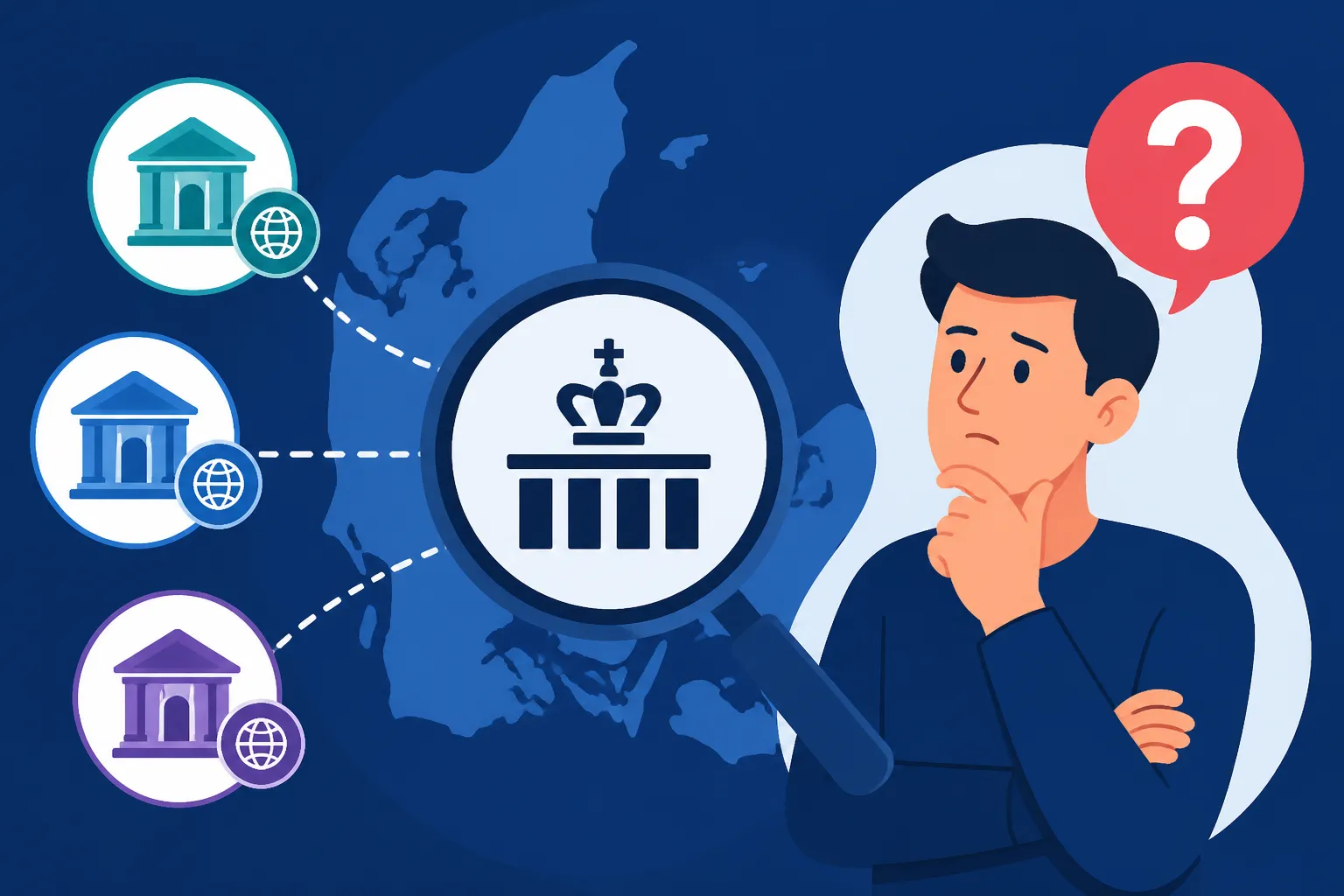
Moving to Denmark often feels like a series of endless digital hurdles, from securing a CPR number to figuring out why your local supermarket charges so much for a bag of frozen peas. But nothing quite matches the low-grade anxiety of the first tax season, specifically the nagging question of whether the Danish tax authorities, known as SKAT, can see the bank account you left back home. This guide explores the reality of international data sharing, what SKAT automatically knows, and how you can stay compliant without losing sleep.
The Global Web of Financial Transparency
When you first arrive in Denmark, it is easy to assume that your financial life back in the UK, US, or elsewhere is invisible. You might think that as long as you don't transfer large sums of money into your Danish bank account, the authorities will be none the wiser. However, as a veteran expat who has seen the system evolve, I can tell you that the "invisibility" of foreign accounts is largely a myth. Denmark is a founding member of various international transparency agreements designed specifically to prevent tax evasion.
The primary mechanism at play here is the Common Reporting Standard (CRS). Under this agreement, more than 100 countries automatically exchange financial account information with each other every year. If you have a bank account in a participating country, that bank is legally required to identify account holders who are tax residents in other countries and report their account balances, interest earned, and dividend income to their local tax authority. That authority then bundles this data and sends it over to SKAT in Denmark.
This means that while the person sitting behind a desk at a SKAT service center might not be looking at your French or German bank balance in real-time, the data is being fed into the Danish system in bulk. This information is often used to cross-reference the Preliminary Tax Assessment (Forskudsopgørelse): Avoiding Tax Debt that you are required to fill out. If the numbers don't match up, it might not trigger an immediate audit, but it certainly puts a flag on your file for future review. It is a slow, methodical process of data matching that catches many expats off guard years after they moved.
What SKAT Actually Sees and When They See It
It is important to distinguish between "tracking" and "reporting." SKAT does not have a live "dashboard" where they watch your daily coffee purchases in London or New York. Instead, they receive annual reports. These reports typically include the total year-end balance of the account, the total amount of interest credited during the year, and any proceeds from the sale of financial assets.
If you are using modern fintech solutions like Wise, you should be aware that these institutions also comply with international reporting standards. While Wise is incredibly useful for moving money across borders at a low cost, it is not a "dark" account. They are required to verify your tax residency, and if you have provided your Danish CPR number, that data can and will be shared with the relevant authorities under the same CRS protocols.
The timing is also a factor. Data exchange usually happens with a significant lag. For example, information about your foreign holdings for the year 2024 might not reach SKAT's databases until late 2025. This delay often gives foreigners a false sense of security. You might go two or three years without hearing a peep from the tax office, only to receive a letter asking for clarification on Understanding Your Danish Danish Payslip (Lønseddel): Deductions Decoded and why your foreign interest income wasn't declared. By that time, the interest and potential penalties have already started to accrue.
The Legal Obligation to Self-Report
In Denmark, the burden of proof and the responsibility for reporting lies almost entirely with the taxpayer. This is a cultural shift for many, especially those coming from countries where the tax office has to "catch" you. Here, the system is built on trust, backed by very heavy digital surveillance. You are legally required to disclose all global income and assets if you are a full tax resident of Denmark.
This disclosure happens in two places. First, you should estimate any foreign income in your preliminary assessment. If you skip this, you might end up with a massive bill when the final assessment is generated. Second, you must finalize these numbers in The Annual Tax Assessment Notice (Årsopgørelse): Claiming Deductions section during the spring. There are specific boxes for foreign interest, foreign dividends, and even foreign property.
Many expats worry that reporting a foreign account means they will be double-taxed. In reality, Denmark has double-taxation agreements with most countries. This means that if you paid tax on interest in your home country, you can usually get a credit for that amount in Denmark so you only pay the difference. However, to claim this credit, you must report the account. If you don't report it and SKAT finds it later through the automatic exchange of information, they may deny you the right to claim those credits as a penalty for non-disclosure. It is much safer to be proactive, even if the Danish tax web portal feels like it was designed in 1998 and requires a PhD to navigate.
Using Professional Services to Navigate the Maze
If your financial situation is complex—perhaps you have a 401k in the US, a rental property in the UK, and a brokerage account in Singapore—trying to do this yourself is a recipe for a headache. This is where specialized services like Taxes for Expats become invaluable. They understand the specific reporting requirements for foreigners living in high-tax jurisdictions like Denmark and can ensure that your Taxation of Student Jobs in Denmark: AM-bidrag and Frikort and other income sources are handled correctly across multiple jurisdictions.
Relying on a service like Taxes for Expats also provides a layer of protection. If SKAT ever does send you a "please explain" letter, having a professional trail of filings shows that you acted in good faith. They can also help you navigate the Expat Tax Scheme (Forskerskatteordningen): The 27% Flat Tax Guide if you are a high-earner or researcher, which significantly changes how your foreign income is treated.
| Type of Information | Automatically Reported to SKAT? | Resident's Obligation to Declare? |
|---|---|---|
| Foreign Bank Account Balances | Yes (via CRS/AEOI) | Yes (over certain thresholds) |
| Foreign Interest Income | Yes (via CRS/AEOI) | Yes (always) |
| Foreign Stock Dividends | Yes (via CRS/AEOI) | Yes (always) |
| Foreign Real Estate Ownership | No (usually) | Yes (always) |
| Foreign Employment Income | No (usually) | Yes (always) |
| Cryptocurrency Holdings | Limited (increasing) | Yes (always) |
The Consequences of Getting It Wrong
What happens if you simply "forget" to tell SKAT about that savings account? In the best-case scenario, SKAT sends you a corrected tax bill (årsopgørelse) with a note saying they received information from abroad and have updated your return for you. You pay the tax, maybe a small bit of interest, and move on. However, if the amounts are significant, or if it looks like you intentionally hid the assets, the consequences are much harsher.
Fines in Denmark for tax evasion are often calculated as a percentage of the tax avoided. In serious cases, it can be 100% or even 200% of the tax owed, on top of the original tax bill. Furthermore, failing to disclose assets can jeopardize your future in the country. If you are planning on Applying for Permanent Residency: 4-Year vs. 8-Year Timelines, a record of tax fraud or significant unpaid debt to the state can be a dealbreaker. The immigration authorities (SIRI) and the tax authorities share data more frequently than you might think.
It is also worth noting that SKAT has a "long memory." They can generally reopen your tax assessments for the previous three to five years if they find new information. If they suspect gross negligence or fraud, that window can extend even further. Some expats have been hit with a bill for five years of back taxes on a "forgotten" inheritance account because the bank finally updated their records to show a Danish address.
Managing Your Money and Staying Compliant
To stay on the right side of the law while maintaining your international lifestyle, you need a system. First, ensure that every foreign bank you use has your current Danish address and your CPR number on file. This sounds counterintuitive if you are trying to hide, but it is the only way to ensure the data exchange happens correctly and that you aren't flagged for "suspicious" hidden accounts.
Second, use tools that make your life easier. For international transfers, Wise is often the gold standard for expats because it provides clear statements that you can use to prove the origin of funds. If you ever need to show SKAT where a large sum of money came from (e.g., selling a house back home), having a clean, transparent transfer history is essential. Avoid using cash or informal "hawala" style transfers, as these are massive red flags for How to Find an English-Speaking Accountant (Revisor) for Your ApS and the Danish anti-money laundering (AML) systems.
Third, make it a habit to check the How to View Your Medical Records and Lab Results on Sundhed.dk and Borger.dk portals regularly. While these are for health and general admin, they are part of the same digital ecosystem as your tax folder. If SKAT sends you a digital letter, it will arrive in your e-Boks or Mit.dk inbox. Ignoring these digital mailboxes is not a legal defense in Denmark; the law assumes that once a letter hits your e-Boks, you have read it.
When to Seek a Voluntary Disclosure
If you realize you’ve made a mistake and haven't reported foreign accounts for several years, don't panic, but don't stay silent either. Denmark generally looks more favorably on those who come forward voluntarily. This is known as "self-reporting." By contacting SKAT before they send you a letter, you can often negotiate away the most punitive fines and simply pay the back taxes and interest.
Before you do this, consult with an expert. Whether it's a Danish revisor or a service like Taxes for Expats, you want to have your numbers in order before you open that door. They can help you calculate exactly what you owe and present it to SKAT in a way that demonstrates an honest mistake rather than a deliberate attempt to cheat the system. This proactive approach is part of Managing Your Danish Pension: Folkepension, ATP, and Employer Contributions and overall financial health that ensures your transition to Danish life remains a dream rather than a legal nightmare.
Remember, the Danish system is incredibly efficient. It is designed to fund one of the world's most generous welfare states, and they are very protective of that funding. While it might feel like the "Big Brother" of the North is watching your bank account, the reality is just a very well-organized set of spreadsheets and international agreements. Stay transparent, keep good records, and use the tools available to you to stay compliant.
Disclaimer
The information provided in this guide is for informational purposes only and does not constitute legal, financial, or tax advice. Tax laws in Denmark are subject to change, and individual circumstances can vary significantly. You should always consult with a qualified tax professional or the Danish Customs and Tax Administration (Skattestyrelsen) before making decisions regarding your foreign assets and tax filings. Neither the author nor this publication assumes any liability for actions taken based on the content of this article.