Mandatory Bike Lights and Hand Signals in Danish Traffic
So, you've just arrived in Denmark, probably bought yourself a trusty bike (or plan to!), and you’re already zooming around feeling like a true Dane. But hold on a second! Before you become one with the cykelsti, let's talk about something incredibly important that often catches us expats off guard: mandatory bike lights and proper hand signals. Plenty of bewildered tourists and even long-term residents get pulled over or worse, nearly have an accident, because they simply didn't know the local rules. This guide is here to make sure you navigate Danish traffic safely and avoid those pesky fines.
The Absolute Non-Negotiables: Your Bike Lights in Denmark
Ah, Danish weather. One minute it's glorious sunshine, the next it's a grey, misty drizzle that makes visibility plummet. This is precisely why the rules around bike lights are so strict here – and for good reason! It’s not just about seeing where you’re going; it’s critically about being seen by others. Especially during those long, dark Danish winters, your lights are your lifeline.
Front and Rear Lights: More Than Just a Glow
Let's break down what's legally required for your bike lights in Denmark. This isn't just a suggestion; it's the law. If you're caught riding without the correct lights when they're needed, you're looking at a fine that can easily put a dent in your hygge budget.
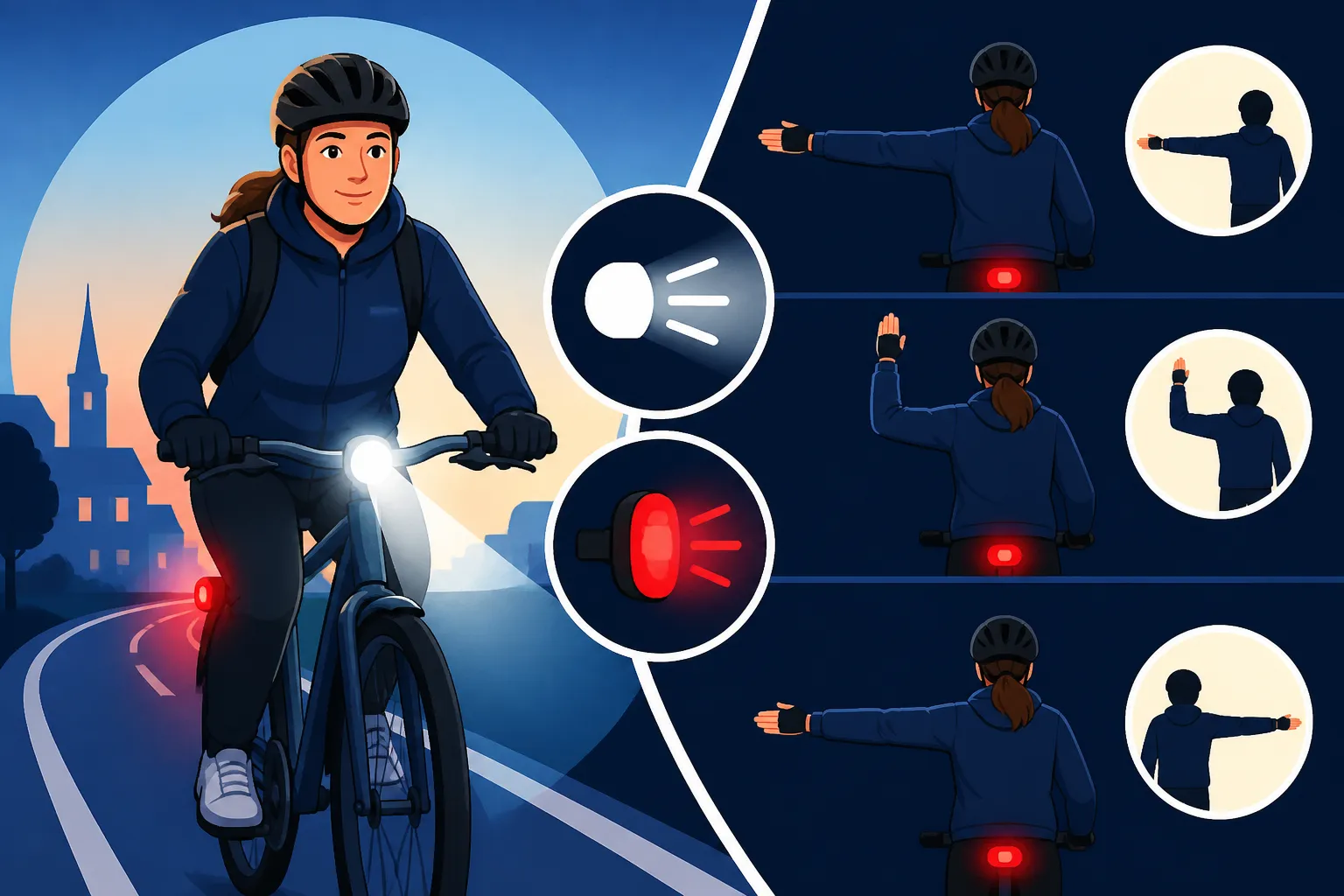
First, your front light. It must emit a white or yellow light and be clearly visible from at least 300 meters away. It should be non-blinding, so not like a car's high beam, but strong enough to cut through the gloom. Many modern bike lights have different settings – a steady beam is generally preferred, but a pulsating light can be used as long as it's not too erratic or overpowering. The key is consistent visibility.
Then, there's the rear light. This one must be red and also visible from at least 300 meters away. Again, a steady beam is standard, but a pulsating red light is also permitted. Think of it as your bike's tail light, telling drivers and other cyclists exactly where you are and in what direction you're generally heading.
And when do you need them? From sunset to sunrise, and whenever visibility is poor. This isn't just restricted to nighttime. If it's heavily overcast, raining, snowing, or foggy, your lights need to be on. The police here are pretty vigilant, and they don't give warnings often, especially when it comes to safety.
Reflectors: The Unsung Heroes of Visibility
Beyond the active lights, your bike needs a specific set of passive reflectors. These often get overlooked, but they're just as mandatory as your lights.
- White reflector at the front: This is usually integrated into your front light or placed separately on the front of your bike.
- Red reflector at the rear: Again, often integrated into your rear light or placed on the back fender.
- Yellow reflectors on the pedals: Crucial for making your pedaling motion visible, which helps drivers judge your speed and direction.
- Yellow or white reflectors on the wheels: These can be integrated into the spokes or as reflective strips on the tires. They create a 'moving circle' effect that grabs attention from the side, a critical safety feature at intersections.
Remember, the purpose of these reflectors is to bounce back light from other sources, like car headlights, ensuring you're still visible even if your active lights temporarily fail or if you're approaching from an angle where your lights might not be directly facing traffic. If you've just bought a used bike, do a quick check to make sure all these reflectors are present and in good condition. Missing reflectors are another easy way to attract the attention of a politibetjent.
It’s easy to feel like these are just 'extra' rules, especially if you come from a country with more relaxed cycling laws. But in Denmark, where cycling is such an integral part of daily life and traffic moves swiftly, these regulations are designed for your safety and the safety of everyone sharing the roads.
Signaling Your Intent: Mastering Hand Signals the Danish Way
Okay, so your bike is lit up like a Christmas tree, and you're ready to roll. But what about when you want to turn, stop, or change lanes? That's where hand signals come in. While Danes might seem to flow effortlessly through traffic, there's an unspoken (and sometimes very spoken, usually with a frustrated sigh) code of conduct, and hand signals are a huge part of it. This isn't just polite; it's legally required and crucial for preventing accidents.
Turning Left and Right: Clear as Day
This might seem obvious, but there are specific ways to signal your turns in Denmark that ensure maximum clarity to other road users.
For a right turn, extend your right arm straight out to the side, parallel to the ground. Your palm should be facing forward. Hold it there for a few seconds before and during your turn, clearly indicating your intention.
For a left turn, this is where some expats get confused. You have two primary options, both perfectly valid and widely used:
- Direct Left Turn (Arm Out): Extend your left arm straight out to the side, parallel to the ground, with your palm facing forward. This is the most direct and universally understood signal.
- Indirect Left Turn (Cross-Body): If traffic is heavy or you feel uncomfortable extending your left arm directly into oncoming traffic (though this is less common in Denmark given the bike lane infrastructure), you can extend your right arm out to the side, parallel to the ground, and point it upwards at a 90-degree angle. This means you are "stopping to turn" or "preparing for an indirect left turn" where you might yield to cross-traffic before proceeding. While less common for everyday left turns on cykelstier, it’s important to know, especially in complex intersections. However, for a standard left turn on a bike path, a straight left arm out is the norm.
The key takeaway for both turns is to make your signal early enough so that other cyclists, pedestrians, and drivers have ample time to react to your intentions. Don't just flick your arm out as you're already turning – that defeats the purpose!
Stopping and Slowing Down: No Surprises
Beyond turning, you also need to signal when you're stopping or significantly slowing down. This is especially vital when riding in a group of cyclists or in dense urban areas like Copenhagen or Aarhus.
To signal that you are stopping or slowing down, extend your left arm downwards at a 45-degree angle from your body, with your palm facing backward. This essentially means "I'm hitting the brakes, watch out!" It's a clear signal that allows those behind you to adjust their speed and avoid a collision. This is invaluable when you're approaching traffic lights, pedestrian crossings, or if someone ahead of you suddenly stops.
TABLE: Mandatory Bike Lights and Hand Signals in Denmark
| Rule Category | Specific Requirement | Details & Visibility | Enforcement |
|---|---|---|---|
| Active Lights | Front Light | White or yellow, steady or pulsating. Visible from 300m. Non-blinding. | Mandatory from sunset-sunrise & poor visibility. Fine for non-compliance. |
| Rear Light | Red, steady or pulsating. Visible from 300m. | Mandatory from sunset-sunrise & poor visibility. Fine for non-compliance. | |
| Passive Reflectors | Front Reflector | White. | Mandatory. Fine for missing. |
| Rear Reflector | Red. | Mandatory. Fine for missing. | |
| Pedal Reflectors | Yellow. | Mandatory (on both pedals). Fine for missing. | |
| Wheel Reflectors | Yellow or white, on spokes or tires. | Mandatory (on both wheels). Fine for missing. | |
| Hand Signals | Right Turn | Right arm straight out to the side, palm forward. | Mandatory. Fine possible for non-signaling or unclear signaling. |
| Left Turn | Left arm straight out to the side, palm forward. (Or right arm up for indirect). | Mandatory. Fine possible for non-signaling or unclear signaling. | |
| Stopping/Slowing | Left arm downwards at 45 degrees, palm backward. | Highly recommended, especially in traffic. Fine possible for causing danger. |
Why This Matters for Expats
As someone who once got a minor scolding from a local for an unclear hand signal, I can tell you that Danes take their cycling etiquette seriously. It’s part of the fabric of how traffic flows. You'll notice even children signal their turns here. It's ingrained.
If you're new to the country and perhaps still navigating the initial setup – maybe you're staying in temporary accommodation found on sites like Spotahome, or still figuring out your long-term plans – getting these basic traffic rules down pat should be a priority. It's not just about avoiding fines, which can range from a few hundred DKK for missing lights to more for reckless cycling; it's about being a responsible road user and ensuring your own safety. The Danish cycling infrastructure is fantastic, but it works best when everyone adheres to the rules. Don't forget, using your phone for navigation is perfectly fine, but make sure you can still signal. Perhaps consider an eSIM from a provider like Airalo if you need data on the go to look up routes or even these very rules when you're out and about.
Common Pitfalls and Fines: What Expats Often Miss
Even after getting the hang of the Danish pace of life and the administrative maze of CPR registration, many expats still stumble when it comes to the nuances of cycling laws. It’s easy to assume things are similar to back home, but Denmark has its own specific quirks. Being aware of these common pitfalls can save you money, frustration, and potentially an accident.
Forgetting Your Lights When It's "Almost Dark"
This is perhaps the most common mistake. You leave work, it’s still a bit bright, but by the time you've cycled 15 minutes, the light has faded significantly. Or, a sudden cloudburst makes it much darker. The Danish law isn't about your personal feeling of how dark it is; it's about visibility, especially for others. If a police officer deems visibility to be poor enough to warrant lights, and yours aren't on, you're in for a fine. The standard fine for not having lights on when required is 700 DKK (as of my last check, but fines can increase, so always be aware). This applies to both front and rear lights, so if one is off, it’s still a fine.
Many people report being caught out by the quick shift in light during autumn or winter evenings. My advice? When in doubt, turn them on. It’s far better to be safe and legal than sorry.
Substandard or Broken Lights and Reflectors
It's not enough to just have lights; they need to be functional and visible from the required distance. Many cheap lights might glow, but they don't meet the 300-meter visibility requirement. Similarly, if your battery is dying and your light is just a faint flicker, it's essentially useless and still counts as non-compliant.
Reflectors are often forgotten. A missing pedal reflector or a broken spoke reflector might seem minor, but it's still a breach of the rules. The police do check for these, especially during targeted campaigns. This is why when you're considering Buying a Bike: New vs. Used, and Where to Shop, it's crucial to check that all safety features are up to standard. A cheap bike with dodgy lights can quickly become an expensive mistake once fines are factored in.
Unclear or Delayed Hand Signals
While there isn't a widely publicized "hand signal fine" as there is for lights, failing to signal or signaling too late can lead to dangerous situations and, in the event of an accident, could put you at fault. The traffic rules stipulate that you must give clear and timely signals of your intentions. If a police officer witnesses you making a sudden, un-signaled turn that causes another road user to swerve or brake sharply, they could fine you for endangering traffic.
It's a common expat frustration to learn these nuances. We come from different driving and cycling cultures. But remember, the Danish system is designed for a high volume of cyclists, and clear communication is key to preventing chaos. Don't be that person who cuts off a bus because they didn't signal their turn properly.
Fines Beyond Lights and Signals
While the focus here is on lights and signals, it's worth a quick mention that many other cycling rules carry fines:
- Riding on the sidewalk: Don't do it. Use the cykelsti or the road.
- Riding against the flow of traffic: Even if it’s just a short stretch, it’s illegal and dangerous.
- Riding without hands on the handlebars or feet on pedals: This is seen as reckless cycling.
- Using a phone while cycling: You can't actively use your phone while riding, though having it mounted for GPS is generally fine as long as you're not operating it with your hands.
- Ignoring traffic signals: Just like cars, cyclists must obey red lights and stop signs.
- Carrying more than one person on a single-seat bicycle: Unless it's a Buying a Cargo Bike Christiania Cykel for Transporting Kids or another purpose-built bike, this is not allowed.
Understanding these rules, whether you're a seasoned cyclist or just getting started, is fundamental to truly integrating into Danish life. Ignorance of the law is not an excuse, and Danish police are generally not lenient on these safety-critical rules. If you're getting yourself sorted with housing, maybe even thinking about Renting in Denmark: Complete Guide for Expats (2027), remember to budget for a decent set of lights and reflective gear, too!
Beyond Lights and Signals: General Safety Tips for Danish Cyclists
You've got your lights on, your reflectors are gleaming, and your hand signals are as sharp as a Danish design knife. Fantastic! But navigating Danish traffic, especially in busy cities like Copenhagen or Aarhus, involves more than just the bare minimum legal requirements. As an expat, understanding the unwritten rules and adopting a defensive mindset can significantly enhance your safety and overall cycling experience.
Be Predictable, Not Polite
One of the biggest shifts in mindset for many expats is realizing that Danish cycling culture values predictability over excessive politeness. In some cultures, you might wave someone through or hesitate. Here, hesitation can cause confusion. If you have the right of way, take it. If you plan to turn, signal clearly and execute the turn. Don’t swerve or brake abruptly without signaling.
This also means maintaining a consistent speed when appropriate. While it might feel natural to slow down to let others pass, sometimes maintaining your speed, especially on a busy cykelsti, is safer as it allows others to predict your movements. Remember, the system works because everyone expects certain behaviors.
The Right of Way: A Cyclist's Maze
Understanding right of way in Denmark can feel like a mini-quiz sometimes. Generally:
- Traffic signals apply to bikes. Red means stop, green means go.
- Right before left at unmarked intersections: If there are no signs or traffic lights, vehicles (including bikes) coming from the right generally have the right of way. However, many bike paths have specific signs (e.g., small triangular yield signs or "stop" lines) that override this. Always look for these signs.
- Yield to pedestrians: At marked pedestrian crossings (zebra crossings), you must yield to pedestrians.
- Buses and heavy vehicles: Give them space. They often have blind spots, and they need more room to turn. Never try to undertake a bus that is turning right.
Take your time to understand the specific rules of intersections, especially those with green arrows for bikes. Many urban intersections are designed with advanced stop lines for cyclists, allowing them to proceed before cars. Embrace these features, but always remain vigilant.
The Reality of Winter Biking in Denmark
Winter cycling is a way of life here, but it demands extra precautions. Beyond your mandatory bright lights and reflectors, consider additional gear. The Reality of Winter Biking in Denmark: Tires and Gear Required is an essential read. Slippery roads from ice, snow, or even wet leaves are a real hazard. Studded tires aren't mandatory but can be a lifesaver. Layer up with warm, waterproof clothing, and invest in good gloves. Visibility is often lower, so ensure your lights are powerful and clean.
Also, be mindful of the infamous Danish kalk (lime/calcium) buildup, which can affect your bike's components during winter, especially if you store it outside. Regular cleaning and maintenance become even more critical during the colder months.
Maintaining Your Bike: It's Not Just About Looks
A well-maintained bike is a safe bike. Regularly check your brakes, tire pressure, chain, and, of course, your lights and reflectors. A squeaky chain, loose handlebars, or worn brake pads aren't just annoying; they're safety hazards. Many bike shops offer basic maintenance services, and there are often community bike workshops where you can learn to do simple repairs yourself. This is an investment in your safety.
You'll quickly realize that Danish Cycling Culture: Rules, Buying a Bike, and Safety extends beyond just riding; it's about respecting the machine and the infrastructure. Whether you're commuting to work, exploring new neighborhoods, or taking a scenic ride, a reliable bike is your best friend. Don't forget, if you’re commuting by train, there are also rules for Can You Take a Bicycle on the S-Train and Metro?, so familiarize yourself with those too.
Embrace the Digital Tools
For navigation, apps like Rejseplanen and Google Maps are indispensable. They often have bike-specific routing options that show you dedicated cykelstier. However, remember the rule about using your phone – mount it securely or pull over to check directions. You don't want to be swerving while trying to read a map.
Ultimately, cycling in Denmark is one of the most liberating ways to get around. Once you master the rules of the road, particularly around lights and signals, you'll feel truly integrated. It’s a rite of passage for every expat here, and a wonderful way to experience the country. Just remember to signal, light up, and stay vigilant!
Disclaimer
The information provided in this guide is for general informational purposes only and does not constitute legal advice. While we strive to keep the content accurate and up-to-date, rules and regulations in Denmark, especially concerning traffic laws and fines, can change. Always refer to official Danish government sources, such as the Danish Road Directorate (Vejdirektoratet) or local municipality websites, for the most current and authoritative information. We recommend consulting with local authorities or legal professionals for specific advice regarding your personal situation.