Can You Take a Bicycle on the S-Train and Metro?
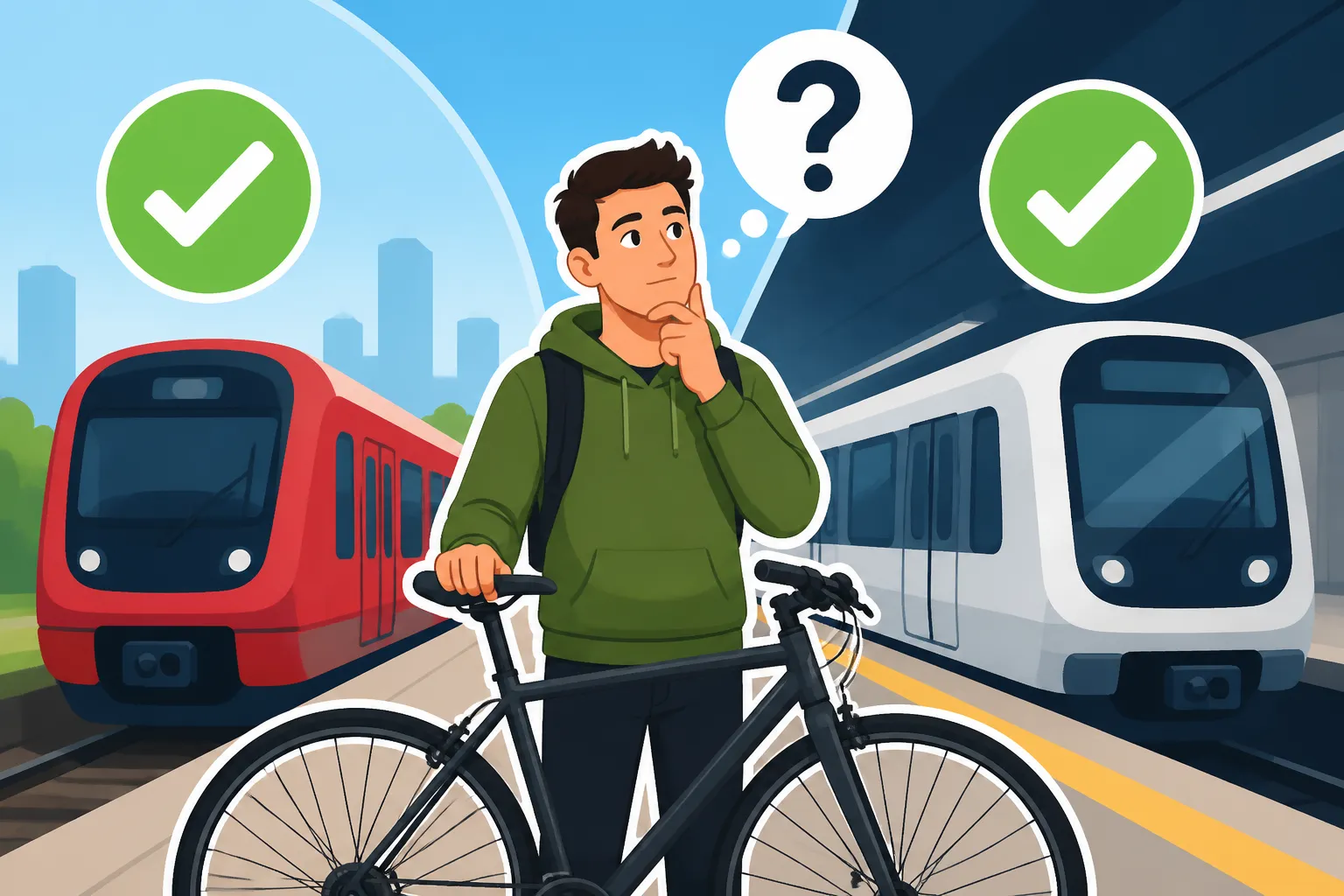
Ah, the classic expat dilemma! You’ve embraced the Danish cycling culture with gusto – maybe you've even invested in a sleek new two-wheeler or a sturdy cargo bike. But then, a sudden downpour, a flat tire, or a long journey across the city throws a wrench into your perfectly planned bike commute. The logical next step, of course, is to hop on public transport, but wait… can you actually bring your beloved bicycle with you on the S-train or the Metro? It's a common question, and the answer, like so many things in Denmark, isn't a simple "yes" or "no." This guide is here to untangle the rules, costs, and unspoken etiquette of combining your bike with Copenhagen's public transport network, saving you from a potentially awkward encounter or an unexpected fine.
The S-Train: Your Bike's Best Friend (Mostly)
Let's start with the S-train (S-tog), Copenhagen's iconic red suburban railway. For many expats, the S-train is often the go-to for longer commutes, and thankfully, it's generally quite bike-friendly. However, "friendly" doesn't always mean "free-for-all," especially during those bustling Danish rush hours. Understanding the nuances here can save you a lot of hassle and ensure a smooth journey for both you and your bike.
Free Rides and Golden Rules for Your Cykel
The fantastic news is that taking your bicycle on the S-train is free of charge! Yes, you read that right. Unlike many other European cities, you won't need to purchase a separate ticket for your bike on the S-train. This policy is a huge boon for commuters and weekend adventurers alike, making it incredibly convenient to extend your cycling range beyond the city center. However, this freedom comes with a few essential conditions you absolutely need to abide by.
Firstly, you can only bring your bike into designated bicycle carriages. These are clearly marked with a bicycle symbol on the side of the train. Usually, you'll find these at the front, middle, and rear sections of the train, typically adjacent to the driver's cab or in the middle where two train sections connect. Don't just pick any door and shove your bike in; it's a surefire way to annoy fellow passengers and potentially get a stern look (or worse, a fine) from staff. Inside these carriages, you'll find dedicated spaces where you can lean your bike. It’s expected that you position your bike securely so it doesn't block the aisle, doors, or seating, and certainly not the entryways for other passengers. Remember, Danish public transport emphasizes collective consideration, or "hensyn," as they say. If you're wondering how to manage your daily commute and integrate your bike, our comprehensive guide on Rejsekort, trains, and commuting might offer some more insights.
Navigating Peak Hours and Practical Tips
Here's where the "mostly" part of "mostly bike-friendly" comes in. The biggest restriction you'll face on the S-train is during peak hours on weekdays. From 07:00 to 09:00 and again from 15:30 to 17:30, Monday to Friday, full-sized bicycles are generally not allowed on the S-train. This rule is in place to alleviate congestion during the busiest travel times when trains are packed with commuters. It can be incredibly frustrating if your work schedule falls squarely within these hours, forcing you to adjust your travel plans, cycle the entire distance, or find alternative transport. Many expats find this a steep learning curve, especially if they're used to more flexible rules in their home countries.
So, what are your options if you need to travel during these restricted times? Well, if your bike is a foldable one, you're in luck! Fully folded bicycles are considered regular luggage and can be brought on the S-train at any time, without needing a separate ticket. This is a game-changer for those with compact commuters. For everyone else, you’ll need to plan around the peak hours. This might mean starting work earlier or later, or perhaps using a different mode of transport like a bus (which generally doesn't allow full-sized bikes either, except for the folded kind). If you're new to the cycling scene here, you'll find a lot of useful information in our Danish Cycling Culture: Rules, Buying a Bike, and Safety article, which covers everything from mandatory lights to hand signals. Planning ahead using the Rejseplanen app, which you can easily access with a reliable data plan from providers like Airalo, is crucial to check real-time restrictions and plan your journey effectively.
Another practical tip: even outside of peak hours, if the train is exceptionally crowded, it’s good practice to wait for the next one if you can, rather than trying to squeeze your bike into an already full carriage. While not a strict rule, it aligns with Danish social norms of courtesy and consideration. Imagine yourself in a tight spot, trying to get to work – you wouldn't appreciate a bike blocking your path.
The Metro: A Different Story for Two Wheels
While the S-train offers a relatively relaxed experience for cyclists, the Copenhagen Metro tells a somewhat different story. The sleek, driverless Metro trains, while efficient and modern, have stricter rules and, yes, a cost associated with bringing your bike along. This often catches new arrivals off guard, leading to confusion and sometimes, an unfortunate fine.
The Ticket You Didn't Know You Needed
Unlike the S-train, your bicycle is not free on the Metro. If you want to bring your full-sized bike on the Metro, you must purchase a separate bicycle ticket (cykelbillet). This ticket costs DKK 14 (as of early 2026, but always check current prices, as they can change). You can buy this ticket as an add-on to your existing journey on your Rejsekort, through the DOT Tickets app, or at ticket machines at Metro stations. For more details on how to manage your travel cards and ensure you're covered, take a look at our guide on Buying a Rejsekort (Travel Card): Anonymous vs. Personal Cards and also How to Top Up a Rejsekort Automatically via Credit Card.
This requirement often frustrates expats, especially after discovering the S-train's free policy. The reason for the difference lies in the design and capacity of the Metro trains. They are smaller, designed for high-frequency, high-capacity human transport, and have less dedicated space for bulky items like bicycles. When you're first moving to Denmark and looking for a place to live, perhaps through a platform like Spotahome, thinking about your daily commute and transport options is key. Knowing these subtle differences between the S-train and Metro can greatly influence your choice of neighborhood.
Metro Bike Rules: Times, Carriages, and Etiquette
Just like the S-train, the Metro also has peak hour restrictions, and they are generally a bit longer and more strictly enforced due to the smaller train size. On weekdays, you cannot bring your bike on the Metro from 06:30 to 09:00 and again from 15:30 to 17:30. Some lines, particularly the newer M3 Cityring and M4 lines, might have slightly extended peak hour restrictions, so always double-check the latest information from Din Offentlige Transport (DOT). Weekends and public holidays are generally fine, and you can bring your bike all day, provided you have a valid bike ticket.
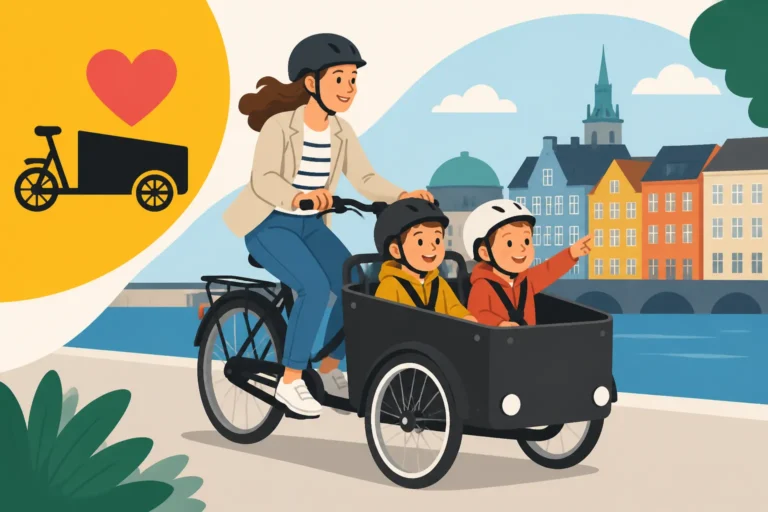
When you do bring your bike on the Metro, you'll need to use the designated areas. These are typically at the ends of the train carriages, marked with bicycle symbols. These spaces are often shared with passengers carrying luggage or prams, so be prepared to share and be considerate. Cargo bikes, in particular, are almost universally a no-go on the Metro due to their size and the limited space available. Trying to fit one would effectively block the entire area, and you'll quickly become unpopular (and potentially fined).
For foldable bikes, the rules are the same as on the S-train: if it's fully folded, it counts as regular luggage, no bike ticket needed, and it can be taken on at any time. This flexibility is a huge advantage for foldable bike owners and can greatly simplify your travel plans, especially if your commute involves both cycling and public transport. Understanding how tickets work, especially with different zones, can be complex, so don't forget to check out our guide on Navigating Zones in Copenhagen: How Ticket Pricing Works to ensure you're always buying the correct fare.
Here’s a quick overview of the key differences:
| Feature | S-Train (S-tog) | Metro (Metro) |
|---|---|---|
| Cost for Bicycle | Free of charge | DKK 14 (separate bike ticket required) |
| Weekday Peak Hours | 07:00-09:00 and 15:30-17:30 (No bikes allowed) | 06:30-09:00 and 15:30-17:30 (No bikes allowed) |
| Weekend/Holiday Rules | Allowed all day, free of charge | Allowed all day, with bike ticket |
| Designated Areas | Clearly marked bicycle carriages (front, middle, rear) | Ends of carriages, marked with bike symbols (limited space) |
| Foldable Bikes | Allowed at all times (treated as luggage), no ticket | Allowed at all times (treated as luggage), no ticket |
| Cargo Bikes | Generally discouraged/difficult, limited space | Generally not allowed, highly impractical |
The Unspoken Rules and Alternatives
Beyond the official rules and fare structures, there's a layer of unspoken etiquette that governs public transport in Denmark. As an expat, understanding and respecting these norms is just as important as knowing when to buy a ticket. It's all part of integrating into Danish society and avoiding those passive-aggressive glares!
Common Sense and Danish "Hensyn" (Consideration)
"Hensyn" – consideration for others – is a cornerstone of Danish public life, and it definitely extends to public transport. When you're bringing your bike on a train, it's not just about fitting it into the designated space; it's about doing so without inconveniencing your fellow passengers. This means:
- Don't block the doors: Keep pathways clear for people getting on and off.
- Don't hog the space: If the designated area is crowded, try to make your bike as compact as possible, or consider waiting for the next train if feasible.
- Keep it clean: Try not to bring a muddy bike onto a clean train, especially if it might brush against other passengers or their clothing.
- Be aware of your surroundings: Don't let your bike wheel spin into someone's leg or bag.
- Listen to staff: If a train conductor or Metro staff member asks you to move your bike or wait for the next train, comply politely. Arguing will get you nowhere, and could even lead to a fine. Speaking of fines, if you ever find yourself in such a situation, our guide on Getting a Fine on the Train (Kontrolafgift): How to Appeal might be useful.
The Danish way is often to avoid direct confrontation, so you might not get an angry outburst if you're causing an issue. Instead, expect sighs, quiet grumbling, or pointed looks. Learning to read these subtle cues is part of becoming a seasoned expat. Having your phone handy with apps like Rejseplanen (which, again, works best with a reliable mobile data connection from a provider like Airalo) allows you to check for less crowded trains or alternative routes if you find yourself in a tight spot.
When Public Transport Isn't an Option: Other Solutions
There will be times when bringing your bike on public transport simply isn't practical or allowed. Perhaps it's rush hour, the train is too full, or you have a cargo bike that just won't fit. In these scenarios, it's good to have a few alternative strategies up your sleeve.
Firstly, if you're traveling a short distance, could you just cycle? Often, Danes will cycle surprisingly long distances, even in less-than-ideal weather. Remember that proper bike lights are mandatory, and you'll find tips on this in our article about Mandatory Bike Lights and Hand Signals in Danish Traffic. If your destination isn't far, it might be quicker and less stressful to just pedal there.
Secondly, consider local bike-sharing services. Copenhagen has several, such as Donkey Republic, which allow you to rent a bike for short periods via an app. This is a great option if you need a bike for the "last mile" after getting off public transport, or if you simply don't want the hassle of bringing your own bike on the train. You can pick up a bike near the station and drop it off near your final destination.
Finally, for those rare occasions where you truly can't cycle and public transport with a bike isn't an option, a taxi might be your only recourse. While expensive, it offers door-to-door service and can accommodate bikes if you specifically request a larger vehicle. For general cost of living considerations, including transport, our guide on Cost of Living in Denmark 2026: Budgets for Singles and Families can give you a broader financial perspective. Remember, integrating into Danish life often means embracing cycling as a primary mode of transport, but knowing the rules for when you need a little help from the S-train or Metro can make all the difference. For other useful tools, check out Best Apps for Daily Life in Denmark: MobilePay, Rejseplanen, and e-Boks for navigating daily logistics.
Disclaimer
The information provided in this guide is based on general knowledge and publicly available rules regarding public transport in Denmark as of early 2026. Transport regulations, prices, and restrictions can change. Always consult the official websites of DSB (for S-trains) and Metroselskabet (for Metro) or the DOT website (Din Offentlige Transport) for the most current and accurate information before planning your journey with a bicycle.