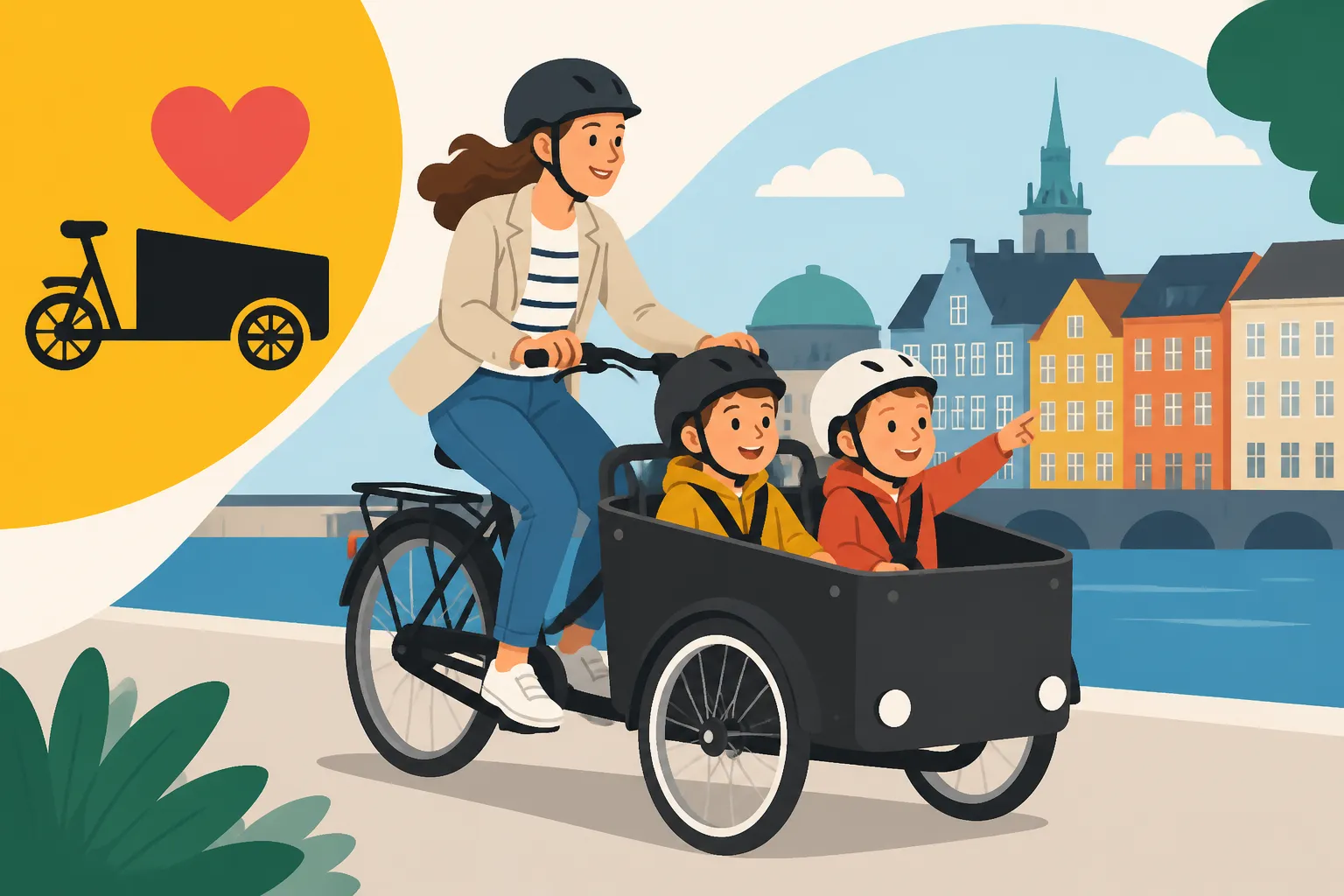
Buying a Cargo Bike (Christiania Cykel) for Transporting Kids
Oh, the cargo bike! If you're a parent, or even just someone who needs to haul more than a single bag of groceries, and you've decided to embrace the Danish way of life without a car, then you've likely stared wistfully at a sleek, practical cargo bike. Let me tell you, as someone who’s navigated the school runs, the grocery hauls, and the occasional park adventure with a little one in tow, choosing the right cargo bike, especially the beloved Christiania Cykel, feels like an initiation into true Danish living. This guide is all about helping you understand why these machines are so popular, what to look for, and how to make the best choice for your family’s adventures in Denmark.
The Danish Love Affair with Cargo Bikes and the Christiania Cykel
When you first arrive in Denmark, you might notice something rather unique about the bikes: not just the sheer number of them, but the variety. Among the elegant city bikes and speedy roadsters, you’ll inevitably see these robust, often colorful, two or three-wheeled contraptions ferrying children, dogs, groceries, and even small pieces of furniture. This isn't just a quirky trend; it's a deep-seated part of Danish culture and a practical solution to everyday logistics in a society that often prioritizes cycling over driving.
More Than Just a Bike: A Lifestyle Choice
For many Danish families, a cargo bike isn't just an alternative to a car; it's the primary mode of transport. Imagine the freedom of zipping past traffic jams, finding easy parking right outside the kindergarten, and getting some fresh air and exercise while running errands. This is the reality for countless Danes, and it’s a lifestyle many expats quickly embrace. It embodies the Danish principles of sustainability, outdoor living, and efficiency, all rolled into one sturdy, pedal-powered package. It’s also a fantastic way to bond with your kids, chat about their day on the way home, or simply enjoy the Danish scenery together. When you’re living in a country where even the Prime Minister cycles to work, it’s clear that two wheels (or three!) are a legitimate way to navigate life, even with a family.
Choosing a cargo bike is often a thoughtful decision, weighing up the initial investment against the long-term savings on car ownership, fuel, parking, and public transport fares. It’s also about integrating into the local rhythm, where children are accustomed to being ferried by bike from a very young age. This cultural immersion is a significant part of the expat experience here, and adopting a cargo bike can really help you feel more at home and connected to your new community. You might be surprised how quickly you start waving at other cargo bike parents, a silent nod of shared experience.
The Iconic Christiania Cykel: History and Appeal
Among the many brands of cargo bikes, one name stands out as particularly Danish: the Christiania Cykel. Born out of the bohemian Freetown Christiania in Copenhagen in the early 1980s, these bikes were originally built as a practical, sustainable transport solution for the community. Their design is simple, robust, and instantly recognizable: a large, wooden box mounted between two front wheels, with the rider steering from behind. This particular design, often referred to as a "bakfiets" (Dutch for "box bike") or "ladcykel" in Danish, has become synonymous with family life and urban utility across Denmark.
The Christiania Cykel quickly gained popularity beyond Christiania itself due to its exceptional stability, large carrying capacity, and durable construction. Unlike many other cargo bikes, the Christiania typically features a fixed box with a sturdy wooden frame, offering a secure and comfortable space for children. They are often seen customized with rain covers, cushions, and even small tables, making them a cozy little mobile den for kids. The sense of heritage and local craftsmanship associated with the brand adds to its appeal. While there are many excellent cargo bike brands on the market today, the Christiania Cykel holds a special place in the hearts of Danes, representing a blend of practicality, tradition, and a slightly rebellious spirit. For many, owning one is not just about transportation; it's about embracing a piece of Danish history and culture.
Navigating Your Options: Types of Cargo Bikes for Families
So, you're convinced. A cargo bike is indeed the Danish dream for your family. But step into a bike shop, or browse online, and you'll quickly realize it's not a one-size-fits-all situation. There's a surprising array of options, each with its own advantages and disadvantages. Understanding the different types, and what really matters to you, is crucial before making such a significant investment.
Two-Wheeled vs. Three-Wheeled Cargo Bikes: Stability vs. Agility
This is probably the first big decision you'll face. The Christiania Cykel, with its two front wheels and large box, falls into the category of a three-wheeled cargo bike. These are often called "trikes" or "ladcykler" (box bikes).
- Three-wheeled cargo bikes (like the Christiania Cykel):
- Pros: Incredible stability, especially when stopped. You can load and unload children or groceries without worrying about the bike tipping over. This is a massive advantage for new riders or those with multiple energetic kids. The large, stable box in front means children are visible and feel secure. They often have a higher carrying capacity and are less intimidating for those who aren't super confident cyclists. Parking is also simpler as they stand on their own.
- Cons: They can feel less agile to steer, especially at higher speeds or around tight corners. Turning requires more effort and a wider radius, which can take some getting used to. They are also generally wider, making them trickier to navigate through very narrow spaces or crowded bike paths. On uneven roads, the separate front wheels can lead to a slightly bumpier ride if one wheel hits a pothune.
- Two-wheeled cargo bikes (often called "longjohns" or "bakfiets"):
- Pros: They ride much more like a traditional bicycle, offering greater agility and speed. If you're already a confident cyclist, you'll likely adapt to a two-wheeled cargo bike very quickly. They are narrower, making them easier to weave through traffic and park in smaller spaces. They also generally offer a smoother ride over varying terrains as the bike can lean into turns.
- Cons: The main drawback is the lack of inherent stability when stopped. You need to put your foot down, just like on a regular bike, which can be challenging with a heavy load or multiple squirming children. Loading and unloading can be more of a balancing act. The steering can also feel a bit heavy and different due to the weight distributed over the long frame, requiring practice.
For families mainly transporting young children in urban environments, the stability of a three-wheeler often wins out, especially for peace of mind. However, if you're a seasoned cyclist looking for a more "bike-like" feel, a two-wheeler might be your preference.
The Electric Advantage: E-Cargo Bikes for Hilly Terrain and Heavy Loads
Let's be realistic: Denmark isn't entirely flat, and even a small incline feels like a mountain when you're hauling two kids, a week's worth of groceries, and a backpack or two. This is where the electric assist (e-cargo bike) truly shines. An e-cargo bike comes with a motor that provides assistance as you pedal, making the ride significantly easier.
- Pros: Electric assist makes a monumental difference in overcoming hills, headwind, and the sheer weight of your cargo. It allows you to transport heavier loads over longer distances with less effort, making daily commutes and errands far more manageable and enjoyable. You'll arrive at your destination less sweaty and fatigued, which is a huge plus, particularly if you're heading straight to work or an appointment. The added power also means you can keep up with traffic more easily, enhancing safety in some situations. Many parents find that an e-cargo bike expands their cycling range considerably, turning once-daunting journeys into breezy trips.
- Cons: The primary downside is the cost. E-cargo bikes are considerably more expensive than their non-electric counterparts. They also require charging, meaning you need access to a power outlet (and remember to charge it!). The motor and battery add weight to the bike, making it harder to maneuver or lift without assistance if the battery dies or you need to move it manually. Maintenance can also be slightly more complex due to the electronic components. However, for most families in Denmark, the benefits of an e-cargo bike vastly outweigh these cons, especially if it means replacing a second car or extending their car-free lifestyle.
Think about your daily routes: Are there steep bridges, long distances, or often strong winds? If so, the electric boost will be a game-changer. Even if you're in a flatter area, the sheer convenience of effortless pedaling with a heavy load is hard to beat.
What to Consider When Choosing Your Family Cargo Bike
Beyond the fundamental choice between two and three wheels, and manual versus electric, there are several other practical considerations that will influence your decision:
- Capacity and Number of Kids: How many children do you need to transport? Most cargo boxes are designed for 1-4 children. Christiania Cykels, for instance, often have benches that can seat two children facing each other, with room for another little one on a smaller seat or even a baby in a car seat adapter. Consider not just the number but their ages and sizes. Will you still need space for a diaper bag, school bags, or a small dog?
- Safety Features: Look for sturdy seatbelts (three-point or five-point harnesses are ideal), good brakes (hydraulic disc brakes are excellent for stopping power, especially with heavy loads), and reflective elements. A robust frame and puncture-resistant tires are also key. Don't forget proper lighting – it’s mandatory in Denmark, and we'll talk more about that later.
- Weather Protection: Denmark’s weather is… characterful. Rain covers (regnslag) are essential. Many cargo bikes come with custom-fitted covers that can protect your children from rain, wind, and even provide some warmth in colder months. Some higher-end models even offer built-in ventilation or panoramic windows for the kids.
- Storage: Where will you park your cargo bike? These are not small machines. Do you have a secure spot in a courtyard, a garage, or a private parking area? Leaving them out on the street, especially in bigger cities, increases the risk of theft, and they can be quite heavy to move if they are not stored correctly.
- Budget: Cargo bikes are an investment. Prices can range from DKK 10,000 for a basic manual model to DKK 50,000+ for a high-end electric model with all the bells and whistles. Factor in accessories like rain covers, cushions, and locks.
- Test Ride, Test Ride, Test Ride! This cannot be stressed enough. Cycling a cargo bike is different from a regular bike. You need to get a feel for the steering, the balance (especially with a two-wheeler), and the braking. Many bike shops offer test rides, sometimes even with weights to simulate children. Bring your kids along if possible to see how they fit and enjoy the ride.
Buying Your Dream Cargo Bike: New, Used, and What to Expect
Once you've narrowed down your preferences, the next step is actually finding your cargo bike. In Denmark, you have robust options for both new and used markets, each with its own set of advantages and things to watch out for.
The New Bike Experience: Dealers, Test Rides, and Warranties
Buying a new cargo bike from a reputable dealer in Denmark offers several benefits that can provide peace of mind, especially for such a significant purchase. You'll typically find a wide range of models, including the latest Christiania Cykels, with various configurations and accessories.
Local bike shops are invaluable resources. They often have demo models available for extended test rides, and the staff are usually knowledgeable about the different brands, models, and features. They can advise you on the best type of bike for your specific needs, your local terrain, and the number/age of your children. They can also provide insights into Mandatory Bike Lights and Hand Signals in Danish Traffic, Do I Need a Helmet to Ride a Bike Legally in Denmark?, and other vital safety information. Many shops, like Cargobike.dk or Cykelbanditten, specialize in cargo bikes and offer tailored advice.
When buying new, you benefit from a warranty, which is particularly important for e-bikes where batteries and motors are expensive components. Most dealers also offer maintenance packages and after-sales service, which can be a huge relief if you're not mechanically inclined. Remember to inquire about assembly (some online bikes come disassembled) and delivery options if you can't transport the bike yourself. While the upfront cost is higher, the assurance of quality, warranty, and expert support often justifies the price for many families.
Hunting for a Bargain: Navigating the Used Market
For those on a tighter budget or who appreciate the thrill of a good find, the used market for cargo bikes in Denmark is thriving. Danes are avid cyclists, and families often upgrade or sell their cargo bikes as their children grow.
- Online Platforms: The go-to platform for second-hand goods in Denmark is DBA (Den Blå Avis). You'll find hundreds of listings for Christiania Cykels and other brands here. Facebook Marketplace and various local expat groups on Facebook are also excellent places to look. When browsing, be specific in your search terms (e.g., "Christiania Cykel," "ladcykel el," "bakfiets").
- What to Look For:
- Frame Condition: Check for cracks, severe rust, or dents. While Christiania Cykels are robust, accidents happen.
- Brakes: Test both front and rear brakes thoroughly. Are they responsive? Do they squeak? Are the brake levers worn?
- Gears: Shift through all gears. Do they engage smoothly? Is there any slipping or grinding?
- Tires: Check for wear and tear, bald spots, or cracks. Punctures are common, but badly worn tires might indicate a lack of maintenance.
- Box/Seats: Inspect the wooden box for rot, significant damage, or loose bolts. Check the condition of the seats and seatbelts. Are the rain cover and cushions included, and what condition are they in?
- Electric Components (if applicable): This is crucial. Ask about the battery's age and how well it holds a charge. A new e-bike battery can cost several thousand DKK, so factor that into your potential savings. Test the motor thoroughly on a ride. Does it provide consistent assist? Are there any strange noises? Be wary if a seller seems hesitant to let you fully test the electric system.
- Proof of Ownership: Always ask for proof of purchase to ensure the bike isn't stolen. Danes typically register their bikes, so a receipt or original purchase documents are ideal. Don't be shy about asking questions and checking things over carefully.
- Price Negotiation: Prices on the used market are often negotiable. Don't be afraid to make a reasonable offer, especially if you spot minor issues that will require repair.
- Timing: The market for used bikes can be more competitive in spring and early summer as more families are looking to get out and about. If you can, look in the late autumn or winter for potentially better deals.
While buying used can save you a significant amount of money, it does come with the risk of inheriting problems. If you're not confident in your ability to assess a bike's condition, consider taking a mechanically minded friend with you or even paying a local bike shop for a pre-purchase inspection. This small fee could save you from a much larger repair bill down the line. Remember, platforms like DBA are full of great deals, but due diligence is key. If you're weighing up options for regular bikes, you might also find useful information in a guide like Using Swapfiets vs. Buying a Used Bike on DBA.
Essential Accessories and Staying Legal on Danish Roads
Once you have your cargo bike, you’ll need to make sure it's fully equipped for Danish roads and climate.
- Locks: This is non-negotiable. Bike theft is unfortunately common, especially for desirable cargo bikes. Invest in at least two good quality locks – a sturdy frame lock and a heavy-duty chain or U-lock. Lock your bike to an immovable object whenever possible, even if just for a few minutes. Consider adding a GPS tracker for extra security.
- Lights: By law, you must have working front and rear lights during dark hours and in poor visibility. Front lights must be white or yellow and clearly visible from 300 meters, and rear lights must be red and visible from 300 meters. Reflectors are also mandatory. Don't rely on cheap clip-on lights; get robust, battery-powered lights that are securely mounted.
- Helmet: While not legally mandatory for adults in Denmark, wearing a helmet is highly recommended, especially when carrying precious cargo. Teach your children the importance of wearing their helmets too.
- Rain Cover: As mentioned, this is essential for keeping your children dry and comfortable in Denmark's unpredictable weather. Many Christiania Cykels come with custom-fitted rain covers that attach securely to the box.
- Cushions and Blankets: Make the ride cozy for your little passengers. Padded cushions and warm blankets will keep them happy, especially on longer or colder journeys.
- Phone Holder: For navigation, a sturdy phone holder mounted on your handlebars can be incredibly useful.
- Pump and Puncture Repair Kit: Getting a flat tire with a cargo bike full of kids is no fun. Basic repair tools and a pump are good to have on hand.
Remember, cycling in Denmark is generally safe, but common sense and adherence to traffic laws are vital. Always use hand signals, stop at red lights, and give way when required. You can find more comprehensive details on Danish Cycling Culture: Rules, Buying a Bike, and Safety.
Living the Cargo Bike Life: Practicalities and Unexpected Joys
You've got your cargo bike, the kids are buckled in, and you're ready to roll. But what's it really like to integrate this new mode of transport into your daily life in Denmark? It’s a journey with its own set of practical considerations, occasional challenges, and many, many unexpected joys.
Storage, Security, and Insurance: Protecting Your Investment
A cargo bike is a significant investment, so protecting it is paramount. We've touched on locks, but let's dive a bit deeper into the wider implications of ownership.
- Storage at Home: The biggest challenge for many urban dwellers is finding a secure and accessible place to store their large cargo bike. If you live in an apartment, check if your building has a designated bike cellar or a secure courtyard. Some larger Christiania Cykels might not fit easily into standard bike rooms. Parking it outside your building, even with good locks, is always a calculated risk, especially overnight. If you have a private house with a garage or shed, you're in luck! Planning your storage solution before purchase is crucial.
- Public Parking: When you're out and about, look for sturdy lampposts, dedicated bike racks (though these might be too small for some cargo bikes), or other fixed objects to lock your bike to. Avoid blocking pedestrian pathways or building entrances. Danes are generally respectful of public space, but a carelessly parked cargo bike can be a nuisance.
- Insurance: Your cargo bike should definitely be insured. Most Danish indboforsikring (home contents insurance) policies will cover bicycles up to a certain value against theft or damage, but given the higher cost of a cargo bike, you might need to specify it on your policy or take out a separate bicycle insurance. This is especially true for electric cargo bikes, where the value is much higher. Check with your insurance provider immediately after purchasing your bike to ensure adequate coverage. This small extra premium is well worth the peace of mind. For context, you can research more about Optional Insurances: Indboforsikring Home Contents and Travel.
Daily Logistics: Kids, Groceries, and the Danish Weather
The beauty of the cargo bike is its versatility, but it also requires a bit of logistical finesse, especially when you're just starting out.
- The School Run / Childcare Commute: This is where the cargo bike truly shines. Imagine dropping off your child at vuggestue (crèche) or børnehave (kindergarten) without the stress of finding parking. The kids often love the ride, seeing it as part of the day's adventure. You can chat, point out sights, or simply enjoy the fresh air. It’s also incredibly efficient for picking up multiple children from different locations.
- Grocery Shopping: Forget endless plastic bags struggling on your handlebars. A cargo bike can easily hold several large bags of groceries, a case of drinks, and more. Many Christiania Cykels can fit standard shopping crates, making loading and unloading a breeze. You might even find yourself enjoying grocery runs to the local Netto or Rema 1000, which you can easily reach by bike. For those truly big hauls, combining it with services like Using the Nemlig.com Grocery Delivery Service in Denmark for bulkier items can be a winning strategy.
- Danish Weather Adaptations: Let's be honest, Danish weather isn't always postcard-perfect. You'll encounter rain, wind, and chilly temperatures. Your rain cover will be your best friend. In winter, layer up your kids (and yourself!), add extra blankets, and consider handlebar mitts for your hands. Mudguards are a must. While it might sound daunting, Danes cycle in all weather, and you'll quickly adapt. There's a certain satisfaction in cycling through a drizzle, knowing your kids are snug and dry in their little mobile fort.
- Managing Different Ages: If you have children of varying ages, the cargo bike needs to adapt. Infants can often be secured in car seats compatible with cargo bike mounts. Toddlers will love the benches, and older kids can even help pedal a little (if it's an e-bike, their contribution will be minimal but they'll feel involved!). Ensure all safety harnesses are correctly used for each child.
Beyond Transport: Community and Connection
Owning a cargo bike in Denmark is more than just getting from A to B; it's an entry point into a unique cultural experience and a way to build community.
- The "Cargo Bike Nod": You'll quickly become part of an unspoken community. A friendly nod or wave from another cargo bike parent is common. You'll share tips, commiserate over a flat tire, or simply appreciate the shared experience of navigating the city with your little crew.
- Exploring Your Surroundings: Without the confines of a car or the fixed routes of public transport, a cargo bike encourages exploration. You'll discover hidden parks, charming bakeries, and scenic routes you might never have noticed otherwise. It allows for spontaneous adventures, whether it's a quick trip to the beach or an impromptu visit to a friend across town.
- Environmental Impact: For many expats, adopting a cargo bike aligns with their values of living more sustainably. Reducing your reliance on a car lowers your carbon footprint and contributes to cleaner air and quieter streets, which is a win-win for everyone, especially your children.
- Health and Well-being: Let's not forget the physical benefits. Even with electric assist, you're still getting exercise. It’s a great way to stay active, reduce stress, and enjoy the Danish outdoors, even during your daily chores.
Embracing the cargo bike life might seem like a big step, but it’s one of the most authentically Danish experiences you can have as a family. It’s practical, sustainable, and undeniably joyful. Before you know it, you’ll be effortlessly pedaling your Christiania Cykel, kids laughing in the front, feeling like a true Dane.
Disclaimer
The information provided in this guide is for general informational purposes only and does not constitute professional advice. While we strive to provide accurate and up-to-date information, rules and regulations regarding cycling, insurance, and purchasing can change. We recommend consulting official Danish government sources, reputable bike dealers, and insurance providers for the most current and specific advice tailored to your situation.