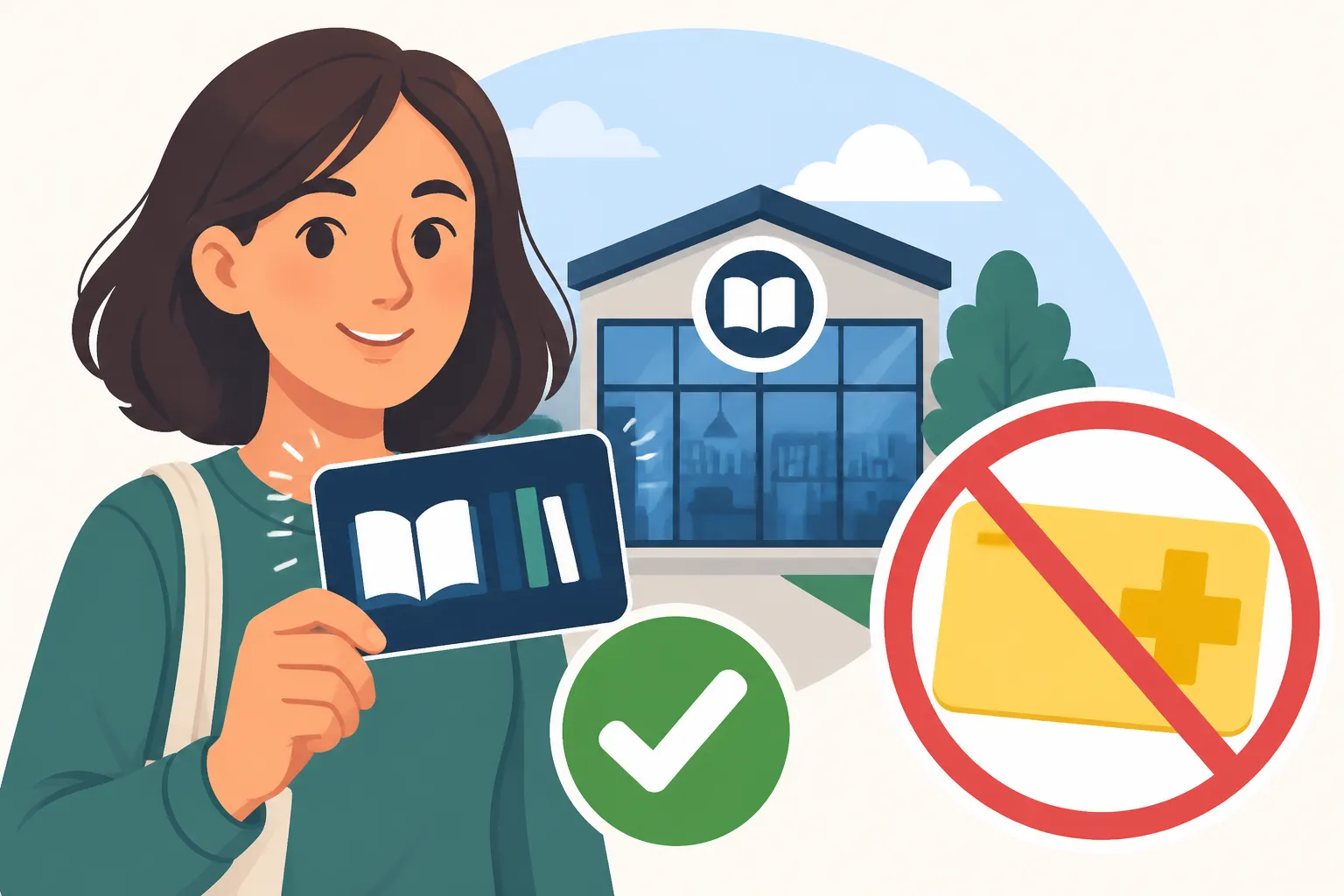
Getting a Library Card Without a Yellow Health Card
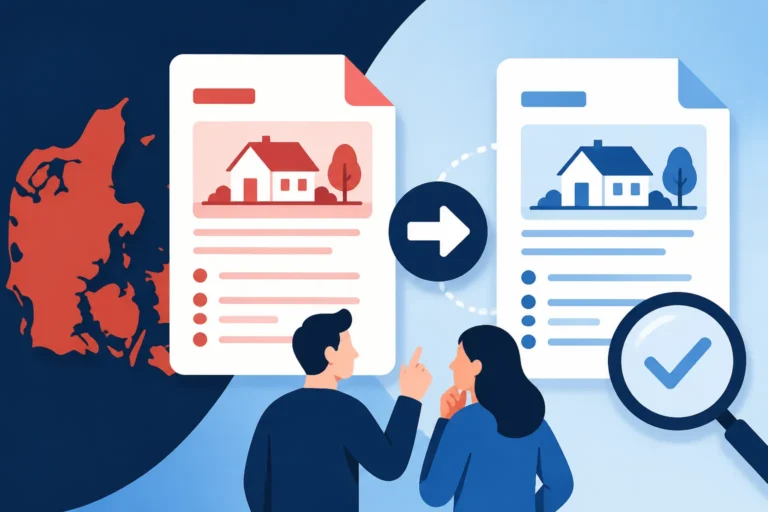
Navigating Danish bureaucracy as a newcomer can often feel like playing a game with ever-changing rules, especially when it comes to seemingly simple things like getting a library card. You arrive, eager to soak up the local culture and access resources, only to hit a wall when asked for that elusive Yellow Health Card (Sundhedskort) that you haven't received yet. This guide will walk you through exactly how to bypass that initial hurdle and get your hands on a library card, even without your Yellow Card, ensuring you can tap into Denmark's fantastic public library system from day one.
The Frustrating Catch-22: Why the Yellow Card is Usually King
Let's be honest, the administrative setup in Denmark can feel incredibly efficient once you're fully integrated, but utterly bewildering when you're not. For most expats, the Yellow Health Card isn't just a healthcare document; it's a golden ticket. It's your primary form of identification, linking you to your CPR number, your municipality, and countless public services. So, when you try to do something as seemingly straightforward as borrowing a book, and the library politely informs you they need your Yellow Card, it can be a moment of pure exasperation.
It's infuriating, isn't it? You've landed, you're contributing, you're living here, but you're constantly told you don't 'officially' exist enough for basic necessities. This feeling is a classic expat experience, a true "catch-22" where you need X to get Y, but you need Y to get X. The underlying reason for this deep integration is that Danish public services, including libraries, rely heavily on your CPR number for identification, tracking loans, and verifying your entitlement to services based on your registered municipality. Without that CPR, and thus the Yellow Card, the system simply doesn't recognize you in the same way.
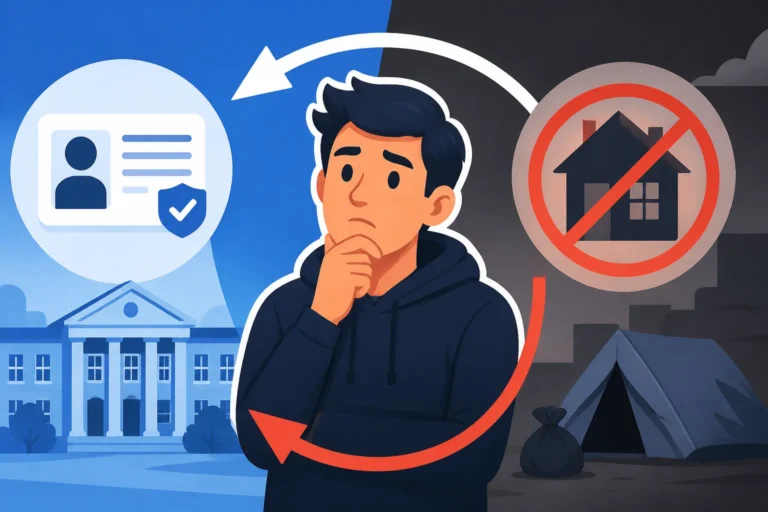
Many new arrivals experience a similar struggle when trying to get fundamental services sorted. The path to securing your Yellow Card begins with your CPR registration, which in itself requires a stable address. If you're still in temporary housing, you might find yourself in a limbo, unable to get your CPR number and thus your Yellow Card, which then blocks access to other services. This interconnectedness is why Understanding CPR Registration and Your Healthcare Entitlement is so crucial, as it underpins nearly everything else you'll do here, including getting that library card. The Yellow Card truly is The Yellow Health Card Sundhedskort Your Key to Danish Healthcare for so much more than just doctor's visits.
Your Temporary Ticket to Knowledge: Non-Yellow Card Library Access
Now for the good news: while the Yellow Card is often the default, it is absolutely possible to get a library card even if yours hasn't arrived or you're still waiting on your CPR number. It just requires a bit more preparation and knowing what alternative documents to present. Many municipalities, especially in larger cities with significant expat populations, have become adept at handling newcomers who are still navigating the system.
The 'Lånerkort' for Newcomers – What to Bring
Most public libraries in Denmark understand the unique situation of new expats. They often offer a temporary "Lånerkort" (borrower's card) or a system that allows you to register with alternative forms of identification. Think of it as your provisional license to the world of Danish literature and resources.
Here's what you'll typically need to bring with you to the library's information desk:
- Your Valid Passport: This is your strongest piece of identification. Ensure it's current and clearly shows your photo, name, and nationality. The library staff will usually make a photocopy for their records.
- Proof of Address: This is often the trickiest part if you're newly arrived. The library needs to verify that you physically reside in their municipality, as library services are generally tied to your local area. Acceptable proofs can include:
- A signed rental contract for your apartment or house. Even a short-term rental agreement, perhaps from a platform like Spotahome, can sometimes suffice, especially if it's a formal, signed document.
- An official letter from your employer confirming your Danish address.
- A letter from your university if you are a student, stating your enrollment and local address.
- A recent bank statement (if you've managed to open a Danish bank account) with your name and address.
- If you're staying with friends or family, a formal letter from them confirming your residence at their address, along with their CPR number, might be accepted. The key is for the document to look official and clearly state your current Danish address. The challenges of The Catch-22 Getting a CPR Number Without a Permanent Address or even Can I Register My CPR at an Airbnb or Hotel in Denmark? highlight why getting solid proof of address can be a stumbling block, so having multiple forms is always a good idea.
- Proof of CPR Application (if applicable): If you've already applied for your CPR number but are simply waiting for it to be processed and your Yellow Card to arrive, bring any official confirmation from SIRI (the Danish Agency for International Recruitment and Integration) or your municipality. This shows you're in the system and on your way to becoming a fully registered resident.
- MitID (if you have it): If you've already navigated the process of getting your MitID – perhaps because you needed it for banking or other essential services – bring your device! MitID is an excellent form of digital identification and can often streamline the registration process, as it electronically verifies your identity. Using MitID for Banking: Security, Device Registration, and App Setup is another essential step that will eventually grant you even wider access to digital services, including the library's online offerings.
A Step-by-Step Guide for Getting Your Temporary Card:
- Find Your Local Library: Use your municipality's website or simply search online for "bibliotek [your city/town name]".
- Head to the Information Desk: Don't try to use the self-service machines yet. Go directly to the main counter or the "Information" desk.
- Explain Your Situation Clearly: In English, politely state, "Jeg er ny i Danmark og har ikke et gult sygesikringskort endnu. Kan jeg få et lånerkort med mit pas og bevis for adresse?" (I am new in Denmark and don't have a yellow health card yet. Can I get a borrower's card with my passport and proof of address?). Be prepared to present all your documents.
- Be Patient and Polite: Bureaucracy can be frustrating, but Danish customer service is generally helpful. If one staff member is unsure, they might consult a colleague.
- Receive Your Card: They will typically issue you a physical borrower's card on the spot. Make sure to ask about borrowing limits, return policies, and how to access digital resources with your new temporary card.
Digital Access: Sundhed.dk and MitID's Role
While this guide focuses on getting a physical card without your Yellow Card, it's worth noting that once you do have your CPR and MitID, the world of digital library services will truly open up. Platforms like eReolen (for e-books and audiobooks) and Filmstriben (for streaming movies and documentaries) are fantastic resources, and your full library access will integrate with them seamlessly. These platforms are usually accessed via your MitID login. Knowing how to navigate Sundhed.dk and MitID: Navigating Denmark’s Digital Health Portals is key for many public services, and the library system is no exception in the long run.
Library-Specific Nuances and Getting the Most Out of Your Visit
It's important to understand that while there are national guidelines, individual libraries and municipalities can have slight variations in their procedures. What works perfectly in Copenhagen might require a bit more persistence in a smaller town, but the general principle of accepting alternative IDs remains.
Exploring Different Libraries and Their Offers
- Your Local 'Kommune' Library: Always start with the public library in the municipality where you reside. They are your primary point of contact and are set up to serve their local population, including newcomers.
- The Royal Danish Library (Det Kgl. Bibliotek): Located in Copenhagen, this is a national library with extensive collections. While a standard public library card might give you some access, for more in-depth research or specific academic collections, you might need to register directly through their system, which will eventually require MitID. It's a treasure trove, but perhaps not your first stop for a basic borrower's card.
- University Libraries: If you're enrolled in a Danish university, your student ID and university registration will typically grant you access to the university library's resources, often without needing a separate public library card or Yellow Card.
Don't be disheartened if your first attempt feels a bit clunky. Sometimes, a different staff member might be more familiar with the expat procedure. If you're in a city like Copenhagen or Aarhus, there are multiple branches; if one seems particularly rigid, another might be more flexible. For a deeper dive into the overall library landscape, check out Finding English Bookstores and Libraries Bibliotek in Denmark.
More Than Books: Digital Resources and Community Hubs
Danish libraries are far from dusty old buildings filled only with physical books. They are vibrant community hubs and modern information centers offering a wealth of resources that are incredibly useful for new expats:
- Free Wi-Fi and Computer Access: This is a lifesaver when you're still getting settled. You can use their internet to research job opportunities, housing, or even just video call home. If your local phone plan isn't quite sorted, having an Airalo eSIM can keep you connected for your initial days, but free library Wi-Fi is a welcome backup.
- Printers, Scanners, and Copiers: Need to print out that job application or scan a document for your visa? Libraries offer affordable (or sometimes free for small quantities) access to these essential services.
- English-Language Resources: Most major libraries have extensive English-language book collections, newspapers, and magazines. They also provide access to online databases, academic journals, and digital newspapers from around the world.
- Events and Workshops: Danish libraries are fantastic for social integration. Many host English-language conversation clubs, cultural events, film screenings, workshops, and even children's story times in multiple languages. It's a great place for Social Integration Making Friends and Understanding Danish Etiquette and to meet other expats or friendly Danes.
Using the library isn't just about borrowing books; it's about connecting with your new community and accessing free resources that can significantly ease your transition to life in Denmark.
Transitioning to Full Access: When Your Yellow Card Arrives
The day your physical Yellow Health Card lands in your mailbox is a small but significant victory for every expat in Denmark. It signals a new level of integration and streamlines many administrative processes.
Linking Your Library Account to Your CPR and MitID
Once that precious Yellow Card arrives, you'll want to revisit the library (or check their website) to update your account. Typically, your temporary borrower's card can then be linked directly to your CPR number. This often means:
- Using your Yellow Card as your library card: Many libraries allow you to simply scan your Yellow Card at the self-service machines.
- Seamless MitID login: With your CPR and MitID, you'll have full, verified access to all online library services. You can easily manage your loans, reserve books, and access digital content.
- Enhanced borrowing privileges: Sometimes, a full CPR-linked account comes with slightly longer borrowing periods or higher limits on the number of items you can take out.
The waiting time for your Yellow Card can vary, but generally, it takes a few weeks after your CPR is registered. If you're wondering How Long Does It Take to Receive the Yellow Card in the Mail?, know that patience is a virtue, but the wait is worth it for the doors it opens. And remember, the fundamental premise remains that The CPR Registration Rule Why Your Address Matters for nearly all official processes.
Embracing the Digital Library Ecosystem
With your MitID fully operational and linked to your CPR, you truly unlock the full potential of Denmark's sophisticated digital library services. You're no longer just accessing physical books; you're part of a vast digital ecosystem.
- eReolen: This app and website offer a massive collection of e-books and audiobooks in both Danish and English. You can borrow them directly to your device and enjoy them at your leisure.
- Filmstriben: Love movies? This platform allows you to stream a selection of films and documentaries for free with your library card.
- Online Databases: For research or specific interests, the library provides access to various academic and general interest databases that would otherwise require paid subscriptions.
- The 'Biblioteket' App: Many municipalities have their own library apps that allow you to search the catalog, reserve items, renew loans, and manage your account from your phone.
Just like you might use the How to Download the Sundhedskort App on Your Phone to manage your health information, these library apps become indispensable tools for your intellectual and cultural life in Denmark. It's a world of knowledge, entertainment, and learning, all accessible from your pocket, once you've navigated those initial bureaucratic steps.
Essential Documents for Library Access
Here’s a quick overview of what you might need, depending on your situation:
| Document Type | For Temporary Library Card (No Yellow Card) | For Full Library Access (With Yellow Card) |
|---|---|---|
| Identification | Valid Passport (essential) | Yellow Health Card (Sundhedskort) or MitID (primary) |
| Proof of Address | Rental contract, official employer/university letter, bank statement (e.g., if you found housing through Spotahome) | Not explicitly needed if CPR is registered, as your address is linked |
| Proof of Residency | SIRI registration confirmation, employment contract, university acceptance letter | Implicit via your CPR number |
| Digital ID | Not always required, but highly advantageous if you have MitID | MitID is crucial for comprehensive access to digital library services |
| Other | Be ready to explain your situation clearly and politely; having multiple forms of proof helps build your case. | Your CPR and MitID essentially unlock all public digital services, including the library. |
It might feel like a convoluted path, but getting your library card is a small victory that connects you to an incredibly valuable public resource. Don't let the lack of a Yellow Card deter you from exploring Denmark's excellent libraries!
Disclaimer
The information provided in this article is intended for general guidance and informational purposes only. While every effort has been made to ensure accuracy and reflect common practices in Denmark as of 2026, regulations and procedures can change. It is always recommended to consult official sources, such as the local library's website, your municipality, or SIRI (Danish Agency for International Recruitment and Integration), for the most up-to-date and specific requirements applicable to your individual situation. We are not liable for any decisions made based on this information.