Joining a Local Football Club or Sports Association (Idrætsforening)
Moving to a new country like Denmark often comes with a fantastic sense of adventure, but let's be honest, it can also feel incredibly isolating at times. You've settled into your apartment, maybe started a new job or studies, but connecting with locals beyond superficial pleasantries can be a real hurdle. If you're yearning for genuine connections, a shared passion, and a fantastic way to immerse yourself in Danish culture, then joining a local sports club – an idrætsforening – is absolutely your golden ticket. This guide will walk you through why and how to find your tribe.
Why Join an Idrætsforening in Denmark? More Than Just Exercise
When you first arrive in Denmark, you might hear a lot about "hygge" and the importance of work-life balance. But underneath the surface, there's a deeply ingrained culture of community and collective activity, and a huge part of that revolves around sports clubs. These aren't just places to sweat; they are vibrant social hubs.
The Social Fabric of Danish Life
Danes truly value their foreningsliv, which translates to "association life." It's a cornerstone of their society, offering organized activities from choir singing to board games, and, perhaps most prominently, sports. For expats, these idrætsforeninger are an invaluable way to break into local social circles that can otherwise feel impenetrable. You might find your work colleagues friendly, but truly forming deep bonds often requires shared activities outside the office or university.
Joining a local club gives you a ready-made community with shared interests. It’s a place where you'll consistently see the same faces, week after week, making it much easier to move beyond small talk and actually form friendships. While Danes might seem a bit reserved at first, put them on a football pitch or a badminton court, and they often open right up, especially after a shared victory (or a commiserating loss!). It’s an authentic slice of Danish life, far removed from expat bubbles or fleeting online connections. Don't worry too much about needing fluent Danish right off the bat; most Danes, especially younger ones, have excellent English and are usually happy to switch. However, making an effort with the language will certainly earn you bonus points and deepen your connections over time, something we delve into further in our guide on Learning Danish: Sprogcenter, FVU, and the Importance of the Language.
Health, Hobbies, and Home Away From Home
Beyond the social benefits, joining a sports club is, of course, fantastic for your physical and mental well-being. The long, dark winters in Denmark can take a toll, and having a regular activity to look forward to can be a real mood booster. Whether it's the thrill of competition, the camaraderie of team sports, or the meditative rhythm of a run with a group, exercise provides a crucial outlet.
Denmark has a strong culture of physical activity, and you'll find clubs for virtually every sport imaginable. Football (fodbold) and handball (håndbold) are incredibly popular, but you'll also find thriving communities around badminton, swimming, cycling, running, gymnastics, rowing, and even more niche pursuits. It's a chance to pick up a new hobby, rekindle an old passion, or simply maintain your fitness.
For many expats, a sports club becomes a much-needed "home away from home." It’s a place where you belong, where you're recognized and valued as a member of a team or group, regardless of where you come from. This sense of belonging is crucial for combating homesickness and truly settling into your new life in Denmark. It’s an investment in your happiness and integration that pays dividends far beyond the playing field.
Navigating the Search: Finding Your Perfect Danish Sports Club
Finding the right idrætsforening for you might seem a bit daunting at first, especially if you're new to the area or unfamiliar with the Danish system. However, with a few key strategies, you'll be well on your way to discovering your new sports community.
Online Resources and Municipal Portals
The most straightforward starting point is often online, specifically through your local municipality (kommune). Danish municipalities are very active in promoting and supporting local sports and leisure activities. Many have dedicated sections on their websites that list all the registered idrætsforeninger in their area.
You can typically search for "idrætsforeninger [your city name]" (e.g., "idrætsforeninger Copenhagen" or "idrætsforeninger Aarhus") or "sportsforeninger [your city name]" in Google. Many municipalities, like Copenhagen's Kultur- og Fritidsforvaltningen (Culture and Leisure Administration), have comprehensive directories. These lists often provide contact information, a brief description of the club, and links to their own websites. It’s worth checking those individual club websites to see if they have English sections or at least use Google Translate to get the gist of their offerings, training times, and membership fees. Some larger clubs might even explicitly state if they have English-speaking coaches or teams.
Local Networking and Word of Mouth
While online searches are great for casting a wide net, local networking and word of mouth can often lead you to the hidden gems – or simply to a club that’s a perfect fit. Don't underestimate the power of simply asking around.
Strike up conversations with your Danish colleagues, university classmates, or even your neighbours. Danes are often involved in local clubs themselves and might have direct recommendations or know someone who does. They can tell you about the general vibe of a club – whether it's very competitive, purely social, or family-focused. Joining some local Facebook groups for your city or neighborhood can also be incredibly helpful. Many communities have "expat" or "new in [city name]" groups where people often share recommendations for clubs or even organize informal meet-ups for sports.
Another excellent strategy is to physically visit local sports facilities. Community sports halls (idrætshaller), swimming pools (svømmehaller), or even public parks with football pitches often have notice boards displaying information about local clubs. You might even catch a training session and get a feel for the atmosphere before reaching out. Remember, finding a club near your home is usually ideal for convenience, especially if you're relying on Public Transport in Denmark: Rejsekort, Trains, and Commuting or embracing the wonderful Danish Cycling Culture: Rules, Buying a Bike, and Safety to get around. Knowing your neighbourhood is also key, and our Neighbourhood Guide: Nørrebro vs. Vesterbro vs. Østerbro might give you ideas on where to search for clubs.
The Membership Process: What to Expect
Once you've identified a potential idrætsforening that piques your interest, the next step is typically to engage with them directly. The process for joining a Danish sports club is usually straightforward, but it helps to know what to anticipate.
Registration, Fees, and Trials
Most Danish sports clubs operate on a membership basis, often with annual or seasonal fees. These fees are usually quite reasonable, as many clubs receive some form of municipal support, reflecting the Danish commitment to accessible leisure activities. When you find a club, the first step is usually to check their website for information on how to join. Many clubs will have an online registration form where you fill in your details, including your CPR number, if you have one. Your CPR number is your personal identification number, essential for many administrative tasks in Denmark, including receiving funds or processing payments, which is also linked to your NemKonto and MitID: The Core of Danish Digital Finance.
A fantastic aspect of Danish idrætsforeninger is the common practice of offering prøvetræning (trial training sessions). This allows you to participate in one or two training sessions for free, or for a very small fee, to see if the sport, the team, and the club's atmosphere are a good fit for you. It's highly recommended to take advantage of these trials. It’s a no-pressure way to meet potential teammates and coaches, gauge the language situation, and assess the skill level before committing to a full membership. Don't be shy – just email the club or the coach and ask about trial sessions. They're used to new people trying things out.
Once you decide to join, you'll typically pay your membership fee. This is usually done either directly through their website with a Danish debit/credit card or sometimes via bank transfer to the club's account.
| Aspect | Typical Danish Sports Club Experience |
|---|---|
| Membership Fees | Varies by sport and club, generally affordable (e.g., DKK 500-2000 annually). Often paid quarterly or annually. Student/youth discounts common. |
| Trial Periods | Highly common (prøvetræning). Expect 1-3 free or low-cost sessions to try out the team/sport. Essential for finding the right fit. |
| Registration | Primarily online via the club's website. Requires personal details, often including CPR number (if you have one). |
| Commitment | Wide range: from casual drop-in sessions to competitive league play requiring regular attendance at training and matches. Most clubs clearly state their expectations. |
| Equipment | Bring your own for individual sports (e.g., badminton racket, running shoes). Team sports often provide shared equipment (e.g., balls), but personal gear (boots, shin pads) is your responsibility. Consider Second-Hand Shopping (DBA and Genbrug): Saving Money Like a Dane for gear. |
| Social Events | Very important! "Third half" (tredje halvleg) after matches, Christmas parties (julefrokost), summer picnics. These are key for integration. |
| Language | Club communication (website, emails) often in Danish. Coaches and teammates usually speak English, especially in larger cities, but expect Danish to be the primary social language. |
Equipment, Language, and Expectations
When it comes to equipment, for most individual sports like running, cycling, or swimming, you'll be expected to bring your own personal gear. For team sports like football or handball, the club will provide things like balls and often team jerseys for matches, but you’ll need your own boots, shin guards, and appropriate athletic wear. A good tip for saving money, especially when you're just starting out or trying a new sport, is to check out second-hand shops or online marketplaces like DBA.dk (Denmark's equivalent of Craigslist/eBay) for equipment. It's very common and sustainable to buy used gear in Denmark. For example, our guide on Second-Hand Shopping (DBA and Genbrug): Saving Money Like a Dane has some great tips on this.
Regarding language, as mentioned earlier, while most Danes have a good command of English, the primary language within the club, especially in smaller towns, will likely be Danish. This can be a challenge initially, but it's also an incredible opportunity to practice your Danish in a low-pressure, supportive environment. Don't be afraid to ask people to repeat themselves or explain things. Most Danes are incredibly patient and appreciative of any effort you make to speak their language. Over time, you’ll find yourself picking up not just vocabulary but also the nuances of social interaction in Danish.
Finally, managing expectations about Danish club culture is important for smooth integration. Danes value punctuality – showing up on time for training or matches is expected. Teamwork and collective effort are highly prized, often more so than individual heroics. And, perhaps most importantly, there's a strong social component. Many clubs have a tradition of "the third half" (tredje halvleg) after a match or training, which involves a beer or soft drink and some casual chatting in the clubhouse. These informal gatherings are where much of the bonding happens and are just as important as the actual sport for building friendships and feeling truly integrated. Be open to these social invitations, even if it's just for a short while, as they are crucial for Social Integration: Making Friends and Understanding Danish Etiquette.
Common Sports Associations in Denmark
Denmark might be a small country, but its passion for sports is anything but. You'll find a wide array of idrætsforeninger catering to various interests and skill levels, often deeply embedded in the local community.
Football (Fodbold) and Handball (Håndbold)
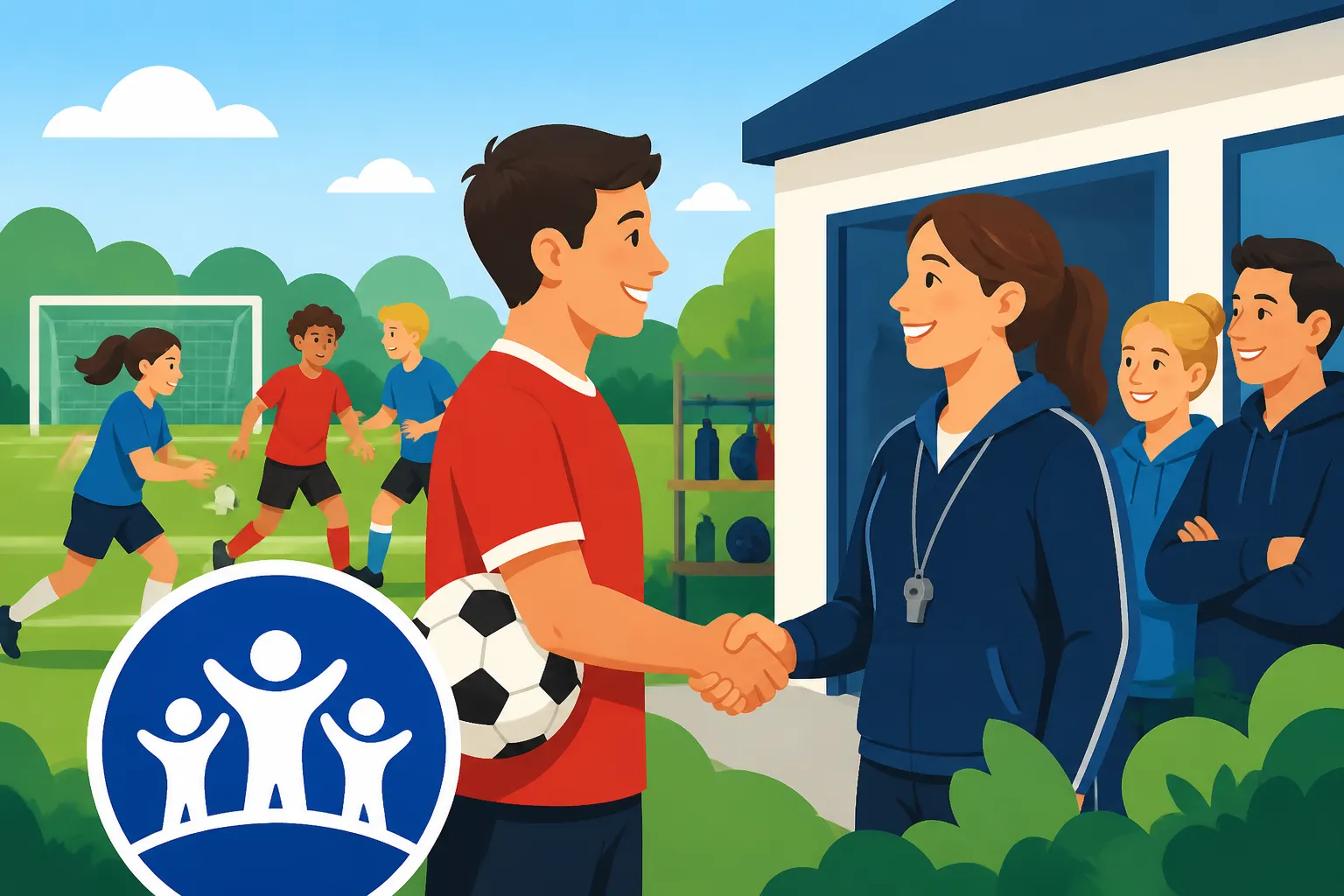
These two sports are arguably the most popular team sports in Denmark, and you'll find a fodboldklub (football club) and håndboldklub (handball club) in almost every town and many neighbourhoods. Danish football clubs are often organized with multiple teams for different age groups (children, youth, adults) and skill levels (recreational to highly competitive league play). Many clubs have both men's and women's teams, offering a broad range of opportunities.
The community around these clubs is very strong. Weekend matches are often a local event, with families coming to support. Joining a football club isn't just about playing; it’s about becoming part of a local institution, understanding local rivalries, and experiencing the thrill of Danish sporting spirit first-hand. Similarly, handball, while perhaps less globally recognized than football, is a national obsession in Denmark, particularly for women's teams. It's a fast-paced, exciting game, and clubs are equally vibrant and community-focused. If you're looking for intense team dynamics and a passionate local following, these are excellent choices.
Running and Cycling Clubs (Løbeklubber, Cykelklubber)
For those who prefer individual pursuits but still crave the camaraderie of a group, running clubs (løbeklubber) and cycling clubs (cykelklubber) are incredibly popular. Denmark's relatively flat landscape and extensive network of cycling paths make it a paradise for both these activities. Running clubs often organize group runs several times a week, catering to different paces and distances. They're a fantastic way to discover new parts of your city or local nature, and the shared effort creates a strong bond among members. These clubs often participate in local races and marathons together, offering mutual support and training motivation.
Cycling clubs range from casual groups enjoying leisurely rides through the countryside to serious road cycling or mountain biking teams. Like running clubs, they provide a social structure around a shared passion, often with scheduled rides, technical workshops, and social events. Given the omnipresent Danish Cycling Culture: Rules, Buying a Bike, and Safety, joining a cycling club feels like a natural extension of Danish life. These clubs are often a bit more flexible in terms of commitment, making them a good option if your schedule is unpredictable, and they’re also great for those long, dark stretches of Winter in Denmark: Hygge, Heating Strategies, and Surviving the Dark.
Swimming, Badminton, and Other Indoor Sports
When the Danish weather isn't cooperating (which, let's be honest, can be a fair bit of the year), indoor sports clubs come into their own. Swimming is a hugely popular activity, and most Danish towns have excellent public swimming pools, many of which host local swimming clubs. These clubs cater to all ages and abilities, from competitive swimmers to those just looking for fitness and technique improvement. It’s a great, low-impact way to stay active and can be particularly beneficial for children.
Badminton is another sport with a massive following in Denmark, often played in local sports halls (idrætshaller). Badminton clubs offer regular training sessions, often with structured coaching, and competitive league play. It's a fast, engaging sport that's easy to pick up, and the club environment is typically very welcoming. Beyond these, you'll also find clubs for basketball, volleyball, table tennis, gymnastics, and even martial arts. Many of these indoor sports are housed within municipal sports complexes, making them easily accessible and fostering a diverse community of athletes under one roof. Joining such a club offers a structured way to stay active and social, regardless of the weather outside.
Potential Hurdles and How to Overcome Them
While joining an idrætsforening is generally a rewarding experience, it's wise to acknowledge a few potential hurdles unique to the expat journey. Being prepared for these can make your integration smoother and prevent unnecessary frustration.
Language Barrier and Social Integration
The language barrier is, without a doubt, the most common challenge. While many Danes speak excellent English, especially in larger cities, official club communication (websites, emails, WhatsApp groups) will almost certainly be in Danish. During training sessions or social events, conversations will naturally drift into Danish, even if people start in English for your benefit. This can feel isolating at times, making it difficult to fully grasp instructions, understand jokes, or participate in casual banter.
The key to overcoming this is proactive engagement and patience. Firstly, make an effort to learn basic Danish sports vocabulary. Simple phrases related to the game, directions, or encouraging words can go a long way. Don't be afraid to politely ask for clarification or for someone to translate key information. Most Danes will appreciate your effort. Secondly, be persistent in showing up and engaging. Even if you don't understand everything, your consistent presence and willingness to participate will build trust and rapport. Over time, as your Danish improves (even subtly), and as your teammates get to know you, they'll instinctively include you more. Remember that building friendships in Denmark can take time, but the shared experience of sport is a powerful accelerant for Foreningsliv: Joining Danish Clubs and Associations to Mingle.
Commitment Levels and Finding the Right Fit
Another potential hurdle lies in finding a club that matches your desired level of commitment and social style. Some idrætsforeninger are highly competitive, requiring multiple training sessions a week, mandatory match attendance, and a serious approach to the sport. Others are much more recreational and social, prioritizing fun and participation over winning. If you accidentally join a high-intensity club when you were looking for something casual, or vice-versa, it can lead to frustration and disengagement.
The best way to navigate this is by doing your homework and utilizing those prøvetræning sessions. When you contact a club, explicitly ask about their training frequency, match commitments, and the overall focus of the team or group you're considering joining. Don't hesitate to try out a few different clubs or different teams within the same club before making a final decision. It’s perfectly acceptable to say, "Thank you, but I don't think this is the right fit for me," after a trial period. Finding a club where you feel comfortable and whose expectations align with yours is crucial for long-term enjoyment and successful integration. Danish social circles can be quite defined, so finding one where you genuinely click is more important than rushing into the first available spot.
Disclaimer
Please remember that while I strive to provide accurate and up-to-date information, rules and regulations in Denmark can change. This guide is intended for informational purposes only and does not constitute official legal or professional advice. Always verify specific details with the relevant authorities or organizations.