Winter in Denmark: Hygge, Heating Strategies, and Surviving the Dark
Ah, winter in Denmark. If you’ve just arrived or are contemplating a move, you've probably heard whispers, maybe even outright warnings, about the long, dark, and often bitterly cold months that descend upon this beautiful country. It's a period that can challenge even the most seasoned expat, turning your cozy apartment into a bunker and the outside world into a test of endurance. But fear not, my friend, because surviving (and even thriving) through the Danish winter is entirely possible, and frankly, a quintessential part of the expat experience here. This guide will walk you through everything from embracing the Danish concept of hygge to mastering your heating bills and finding the light in the deepest darkness.
Embracing Hygge: More Than Just Candles
When you first hear about hygge, you might dismiss it as a fluffy trend or just an excuse to burn candles. But believe me, after a few weeks of short daylight hours and pervasive grey skies, you’ll understand that hygge is deeply ingrained in the Danish psyche for a very good reason. It’s not just about aesthetics; it’s a profound coping mechanism, a cultural prescription for collective well-being during the challenging dark season. For expats, it’s an essential tool for adapting and finding comfort.
The True Meaning of Hygge for Expats
Initially, I, like many expats, was a bit cynical about hygge. "Just burn a candle," I thought, "that'll fix it." But as the days grew shorter and the rain seemed to become a permanent fixture, I began to grasp its deeper meaning. Hygge isn't simply about objects; it's about atmosphere and intentional connection. It's the feeling of coziness, comfort, and contentment, often experienced with loved ones. It’s about creating a warm, safe space, both physically and emotionally, to retreat from the harshness of the outside world.
For us foreigners, learning to hygge often means letting go of our initial inhibitions and actively seeking out these moments. It means understanding that Danes often prefer intimate, informal gatherings over loud parties, especially in winter. It’s in those quiet moments, sharing a warm drink, playing board games, or simply chatting by soft lighting, that you truly begin to feel a part of something, rather than just an observer. This acceptance of shared vulnerability and pursuit of gentle joy is what truly defines it.
Creating Your Hygge Haven at Home
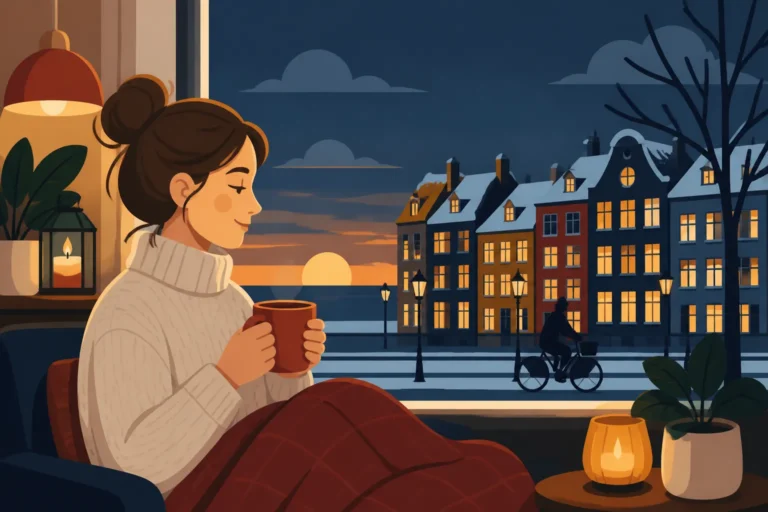
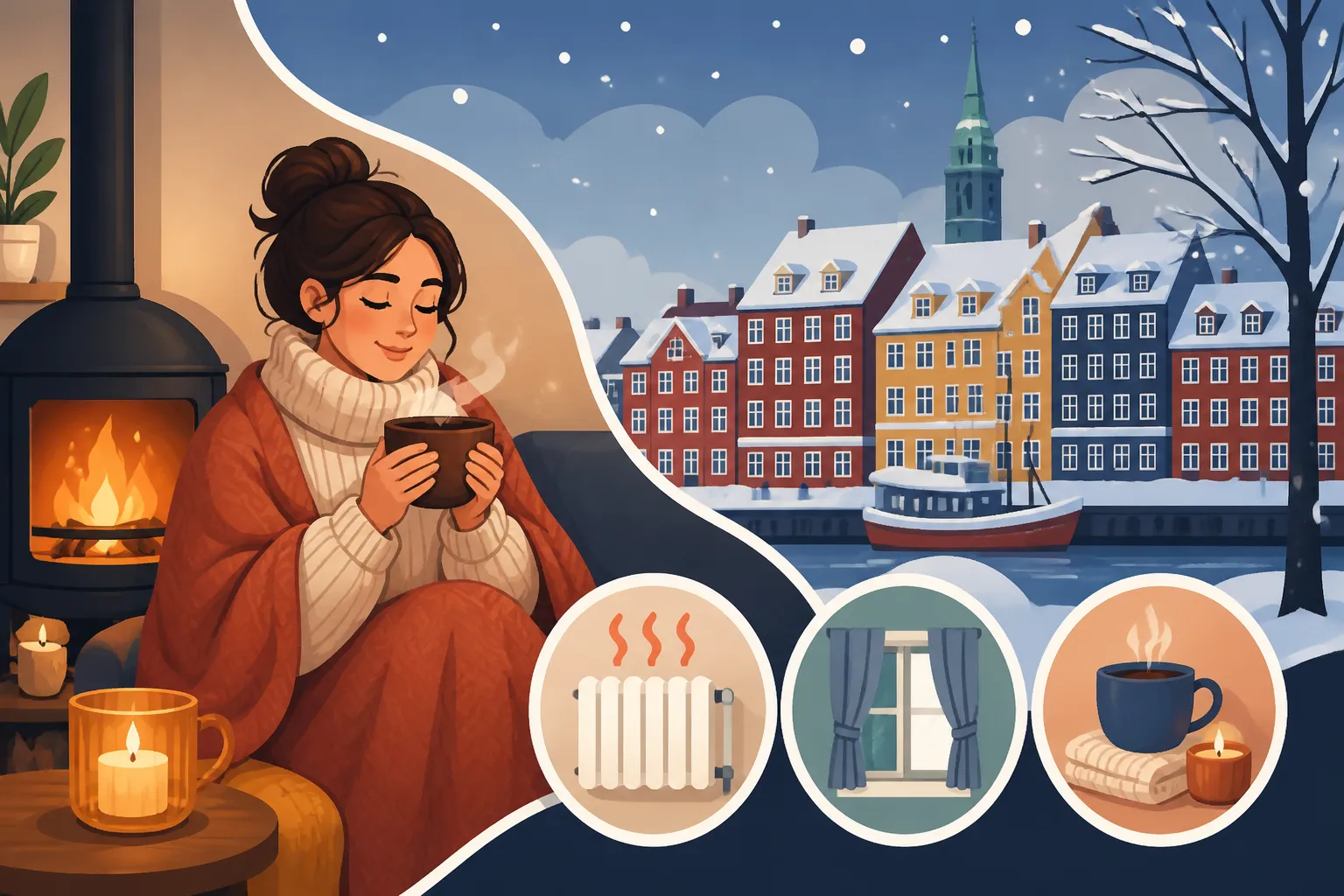
Turning your Danish apartment into a hygge sanctuary is step one in winter survival. Danish homes are notoriously bright and minimalist, which is fantastic in summer, but in winter, they need a touch more warmth. Think about lighting: ditch harsh overhead lights for multiple soft lamps, fairy lights, and, yes, plenty of candles. Real candles are everywhere here, and for good reason – their flickering glow is instantly calming.
Beyond lighting, consider textures. Invest in warm blankets, soft cushions, and perhaps a sheepskin rug. These tactile elements make your living space feel inviting and cozy. A comfy armchair or a window nook piled with pillows can become your personal retreat. Stock up on your favorite warm beverages – whether it's tea, coffee, hot cocoa, or a good gløgg (mulled wine) – and have some biscuits or homemade treats ready. These small, intentional acts of creating comfort can make a huge difference to your mood when it’s bleak outside.
Finding Hygge Outside the Home
While home hygge is vital, it’s equally important not to completely hibernate. Hygge extends to public spaces, too. Danish cafes, with their warm lighting, plush seating, and quiet buzz, are prime spots for external hygge. Find a favorite haunt, order a kaffe og kage (coffee and cake), and watch the world go by. Libraries are another excellent choice, offering warmth, quiet, and a sense of community.
Consider joining a local club or association – a forening. Whether it's a book club, a craft group, or a board game night, these are fantastic opportunities to connect with others in a low-pressure, hyggelig setting. Danes, while reserved, are very open to shared activities. Don't be afraid to initiate a coffee date with a colleague or a new acquaintance. Remember, even a simple walk in a park, bundled up with a friend and a thermos of hot chocolate, can be incredibly hyggelig. It’s all about seeking out and appreciating those small, precious moments of warmth and connection.
Navigating the Darkness: Mental and Physical Strategies
The sheer lack of daylight during winter in Denmark is probably the biggest shock for many expats. From late October to early March, the sun rises late, often hovers low in the sky, and sets shockingly early. In December, you might see as little as 7 hours of daylight in Copenhagen, and much of that can be overcast. This profound darkness isn't just an inconvenience; it has real psychological and physical impacts.
Dealing with Seasonal Affective Disorder (SAD)
Seasonal Affective Disorder, or SAD, is a very real challenge here, and it’s important to acknowledge it without shame. Many expats experience a significant dip in mood, energy, and motivation as the days shorten. You might find yourself feeling sluggish, withdrawn, and even melancholic. It’s not just "winter blues"; it's a clinically recognized condition, and you are not alone in feeling it.
There are proactive steps you can take. Many people find light therapy lamps incredibly helpful. These special lamps mimic natural sunlight and can regulate your sleep patterns and boost your mood. Aim for at least 30 minutes of exposure each morning. Another common strategy is to supplement with Vitamin D, as sunlight is the primary natural source, and you simply won't get enough here. Talk to your GP about recommended dosages; they are very familiar with this issue. If you find your mood seriously impacting your daily life, please don't hesitate to reach out to a professional. Denmark has resources for Mental Health in Denmark: Accessing Psychologists and Therapy for Expats, and your GP can be your first point of contact for referrals.
Maximizing Daylight and Outdoor Activity
Even when the sun is a fleeting guest, making the most of every scrap of daylight is crucial. Try to schedule your day so that you can be outside during the brightest hours, usually around noon. Even a 15-20 minute walk during your lunch break can make a huge difference. Bundle up, embrace the fresh air, and let any available light hit your skin and eyes.
Don’t let grey skies deter you from outdoor activities. Danes live by the mantra “Der findes ikke dårligt vejr, kun dårlig påklædning” (There is no bad weather, only bad clothing). Invest in proper waterproof and warm outerwear, and continue your routines. Cycling, for instance, remains a primary mode of transport for many, even in winter. Just make sure your bike is properly equipped with lights and good tires. Read up on Danish Cycling Culture: Rules, Buying a Bike, and Safety to ensure you're prepared for winter biking conditions. Getting that fresh air and physical activity, no matter how dreary it seems, is a powerful antidote to the winter slump.
The Role of Diet and Exercise
It's tempting to dive into comfort food and hibernate, but maintaining a balanced diet and regular exercise routine is more important than ever during the Danish winter. While hearty stews and warm pastries have their place (and boy, do they!), make sure you’re still getting plenty of fruits, vegetables, and lean proteins. These provide the sustained energy your body needs to combat the winter sluggishness.
When it comes to exercise, find something you enjoy. It could be joining a gym – there are plenty of options like SATS or PureGym – or taking up an indoor sport. Even simple home workouts can keep your blood flowing and spirits up. If you're brave enough, winter swimming is a surprisingly popular activity among Danes, and while it's not for everyone, the invigorating rush is said to be fantastic for circulation and mood. The key is consistency; even on the days you really don't feel like it, try to move your body.
Mastering Your Danish Home's Heating System
One of the less glamorous, but equally important, aspects of surviving Danish winter is understanding how your home’s heating system works and, perhaps more critically, how it affects your wallet. Many expats arrive unaware of the "aconto" system and the nuances of Danish heating.
Understanding Aconto and Heating Bills
Most rental agreements in Denmark operate on an aconto system for utilities, including heating and water. This means you pay a fixed amount each month based on an estimate of your usage. The catch? You don't receive a bill detailing your actual consumption until the end of the year or the end of your lease. This can be a source of major anxiety and frustration for new arrivals. Many expats are caught off guard by a massive supplementary bill if their actual consumption far exceeded the aconto estimate.
It's crucial to understand that the aconto payment is just that – an account on the house. Your landlord or utility provider will reconcile it once a year against your actual usage. If you've used less than estimated, you'll get a refund. If you've used more, you'll owe the difference. This system makes it vital to be mindful of your energy consumption throughout the year, not just when a bill arrives. Make sure to understand your lease agreement regarding Aconto Payments: How Danish Heating and Water Bills Are Estimated.
Efficient Heating Strategies for Your Rental
Once you understand the billing, you need strategies to keep those heating costs in check. Most Danish apartments use radiators, often connected to district heating (fjernvarme), which is generally more environmentally friendly and often cheaper than electric heating. Learn how to use your radiators effectively. Don't blast them on full all the time. Instead, aim for a comfortable ambient temperature, typically around 20-22°C (68-72°F) in living areas and slightly cooler in bedrooms.
Ventilation is also key, even in winter. Danes ventilate their homes regularly, even if it's freezing outside. Briefly opening windows fully for 5-10 minutes a few times a day (a process called gennemtræk) helps to exchange stale, humid air with fresh, dry air. This is crucial for preventing mold (skimmelsvamp) and keeping your heating system more efficient. Don’t forget about drafts! Check windows and doors for gaps and consider using draft stoppers if your rental is particularly old. Also, ensure radiators aren't blocked by furniture or heavy curtains, which can trap heat and make them less efficient.
Common Heating Issues and Who to Call
It can be baffling when your heating system acts up, especially if you’re new to the country. Common issues include cold radiators, strange noises, or simply not enough heat. Before panicking, check the basics: is the thermostat set correctly? Is the radiator valve fully open? Sometimes, radiators need to be "bled" to release trapped air, a simple task often explained in a building’s manual or by a helpful neighbor.
If the problem persists, your first point of contact should generally be your landlord or the building management (ejendomskontor). They are responsible for the overall maintenance of the building’s heating system. However, if you suspect an issue with the actual supply of heat to the building (e.g., your whole building is cold, or you have no hot water), it might be a municipal district heating issue, in which case your landlord will contact the utility provider. Always document your communication, especially if it involves potential costs or delays. Knowing your rights as a tenant, perhaps by joining LLO (the Tenants' Union), can also be invaluable for such situations.
Staying Connected and Safe in Winter
Winter in Denmark isn't just about cold and dark; it can also present practical challenges for getting around and staying in touch. Being prepared can make all the difference in maintaining your comfort and peace of mind.
Essential Winter Gear for Danish Weather
Remember that Danish mantra: “Der findes ikke dårligt vejr, kun dårlig påklædning.” This becomes your guiding principle. Forget your fashionista ambitions for a bit and invest in proper winter gear. Layers are your best friend: start with a good thermal base layer, add a fleece or wool sweater, and finish with a waterproof and windproof outer jacket. A good quality, insulated winter coat is non-negotiable.
Don't neglect your extremities. A warm hat that covers your ears, a scarf, and waterproof gloves are essential. For your feet, waterproof boots with good grip are paramount, especially when there's slush or ice. Danish pavements can be surprisingly treacherous. While it might feel like a big upfront investment, having the right gear means you won't be confined to your home and can enjoy the outdoors, which, as we discussed, is crucial for mental well-being. Think of it as an investment in your sanity!
Public Transport and Winter Commuting
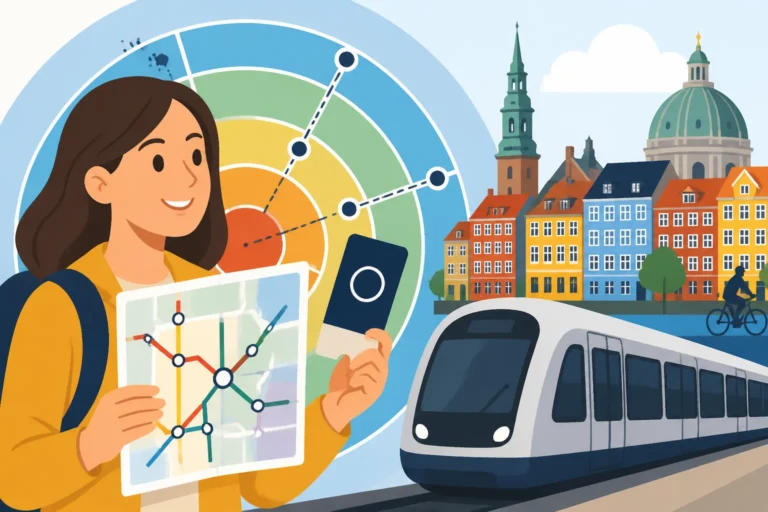
While Danish public transport is generally excellent, winter weather can certainly throw a wrench in the works. Snow, ice, and strong winds can lead to delays or even cancellations of trains and buses. Always check the Rejseplanen app before you head out, especially on days with severe weather warnings. It provides real-time updates and will become your most-used app during winter.
If you rely on your bike, be extra cautious. Icy patches can appear seemingly out of nowhere, especially in shaded areas or on bridges. Consider investing in winter tires for your bike if you plan to cycle heavily through snow and ice. Always use proper lights – white front, red rear – both day and night, as visibility is severely reduced. For longer commutes, the train network (DSB) and bus services are generally reliable, but having a fully charged phone with your Public Transport in Denmark: Rejsekort, Trains, and Commuting information is critical for navigation when delays hit.
Staying Social and Combating Isolation
One of the biggest struggles for expats during winter can be social isolation. The darkness and cold make people less inclined to spontaneously socialize, and the Danish reserved nature can feel amplified. It's easy to retreat into your shell, but actively fighting isolation is vital for your well-being. Make deliberate plans: join expat groups on Facebook, attend meetups, or sign up for a class (e.g., Danish language, cooking, or a sport).
Don't be afraid to reach out to colleagues or acquaintances. Even a simple "Would you like to grab a coffee sometime this week?" can open doors. Danes appreciate directness and planned activities. Remember, maintaining connections is easier if you have reliable communication tools. For new arrivals or those traveling, a solid eSIM from a provider like Airalo can ensure you're always connected, even before you get your local SIM sorted, which is paramount for safety and for making those crucial social plans. Once settled, local mobile plans are excellent and generally affordable, keeping you connected throughout the dark days. Building a strong support network here is not just nice to have; it’s a winter survival strategy.
Practical Hacks for Winter Survival
Beyond the big picture, there are countless small adjustments and local insights that can make your Danish winter experience much smoother. These are the little tricks you pick up from living here, the kind of things that make you feel like a true local.
Grocery Shopping and Meal Prep
Winter makes you want to cozy up at home, which often means more home cooking. Danish supermarkets like Netto, Rema 1000, and Føtex are well-stocked, but knowing your routines can save you hassle. Weekends and late afternoons are often the busiest. If you're not a fan of crowds, try to shop during off-peak hours. Also, consider grocery delivery services like Nemlig.com, which can be a lifesaver when the weather is truly dreadful, allowing you to stock up on essentials without leaving the warmth of your home. Get to know your options for Supermarkets in Denmark: Netto, Rema 1000, and Føtex Compared to find your preferred stores.
Embrace hearty Danish winter cuisine. Think stews, roast pork (flæskesteg), and plenty of root vegetables. These are perfect for slow cooking and create a wonderful, warm aroma in your home. Don't forget the Danish pastries (wienerbrød) and hot chocolate – delicious treats that definitely contribute to the hygge factor.
Embracing the Outdoor Culture Even in Winter
Danes have a deep connection to nature, and this doesn't disappear just because it's cold. You'll see locals jogging, walking, and even cycling in all conditions. Parks and forests are still popular for walks, providing a sense of calm and a chance to get some fresh air. If there's snow, many municipalities will clear pathways, making it easier to enjoy the winter landscape.
For the truly adventurous, ice skating rinks pop up in cities like Copenhagen, offering a fun outdoor activity. Some brave souls even engage in winter bathing, a tradition where you take a dip in the icy sea or a lake, followed by a warm sauna. While it sounds extreme, it's touted for its health benefits and sense of invigoration. Even if you're not stripping down for a cold plunge, just being outside and appreciating the crisp winter air can do wonders for your mood.
Temporary Accommodation and Winter Moves
Moving during winter can add an extra layer of stress. Finding a suitable apartment can be challenging, especially in competitive cities, and viewings in the dark, cold can be less appealing. If you’re arriving in Denmark during the winter months, or are in between long-term rentals, securing reliable temporary accommodation is vital. Platforms like Spotahome can be incredibly helpful for finding verified, furnished apartments for short to medium-term stays, giving you a warm, secure base while you navigate the often-tricky Danish housing market.
This allows you to take your time with apartment hunting, knowing you have a comfortable place to return to each evening, rather than rushing into a decision. It also ensures you have all your basics covered—heating, internet, a comfortable bed—from day one, making the transition into winter life much smoother. Always make sure to understand your lease agreement when renting; for a comprehensive overview, check out Renting in Denmark: Complete Guide for Expats (2027).
Planning for the Future: Spring and Beyond
Winter can feel endless, particularly in the depths of January and February. It's easy to lose perspective, but remember, spring will come, and with it, a dramatic transformation of the country and its people.
The Promise of Spring
Just when you think you can’t take another grey day, you’ll start to notice subtle changes. The days get noticeably longer, even by a few minutes each week, and that sliver of extra light can feel like a miracle. Soon, tiny snowdrops will peek through the frosty ground, followed by crocuses and daffodils. Suddenly, parks are filled with people enjoying the first rays of warmer sun, and the city comes alive again.
The shift in mood is palpable. Danes, who might seem a bit more reserved in winter, literally bloom in the spring and summer. Outdoor cafes fill up, people gather for picnics, and there’s a general lightness in the air. This anticipation of spring is its own kind of hygge – a collective hope and excitement that carries everyone through the final stretches of winter. Keep this promise in mind when the darkest days feel overwhelming.
Reflecting on Your First Danish Winter
Surviving your first Danish winter is a badge of honor for any expat. It’s a period of intense adaptation, resilience, and often, personal growth. You’ll learn valuable lessons about self-care, the importance of community, and the surprising joy of simple pleasures. You’ll develop a deeper appreciation for the sun, for warmth, and for those moments of genuine connection.
You might even find that you’ve adopted some Danish habits you never thought you would – like enthusiastically ventilating your home in sub-zero temperatures, or finding profound peace in the glow of a single candle. The Danish winter, while challenging, is an integral part of understanding Danish culture and the rhythm of life here. Embrace it, prepare for it, and you'll emerge stronger, more integrated, and ready to fully enjoy the long, bright days of Danish summer.
| Aspect of Winter Survival | Key Strategies | Why It Helps |
|---|---|---|
| Hygge at Home | Soft lighting (lamps, candles), warm blankets, cozy corners, comfort food, board games, intimate gatherings. | Creates a personal sanctuary, fosters a sense of security and contentment, combats external cold and dark. |
| Mental Well-being | Light therapy lamps, Vitamin D supplements, regular exercise, seeking professional help (GP/therapist) if needed. | Mitigates symptoms of SAD, boosts mood and energy levels, provides coping mechanisms for mental health challenges. |
| Heating & Utilities | Understand aconto payments, efficient radiator use, regular short ventilation, draft control. | Manages costs, prevents mold, ensures a warm living environment without financial surprises. |
| Outdoor Preparedness | Layered, waterproof, and windproof clothing; insulated boots, hat, scarf, gloves; proper bike lights and tires. | Enables outdoor activity despite cold/dark, prevents hypothermia, maintains physical health and access to daylight. |
| Social Connection | Join clubs/associations, expat groups, plan coffee dates, use reliable communication tools. | Combats isolation, builds community, provides emotional support, facilitates cultural integration. |
| Practical Readiness | Check public transport apps for delays, plan grocery trips, consider home delivery, secure temporary accommodation if moving. | Minimizes stress from weather disruptions, ensures access to essentials, provides a stable base during transitions. |
Disclaimer
The information provided in this guide is intended for general informational purposes only and does not constitute professional advice. While we strive to offer accurate and up-to-date information based on our experience living in Denmark, administrative procedures, legal requirements, and specific circumstances can vary. We recommend consulting with relevant Danish authorities, legal professionals, or service providers for advice tailored to your individual situation.