Why Hardware Stores (Silvan, Bauhaus) Are Crucial for DIY Culture
Moving to Denmark, you might envision cozy hygge and minimalist design. But for many expats, the initial reality of setting up a home quickly morphs into a stark introduction to Denmark's pervasive DIY culture. You'll soon discover that your shiny new rental might arrive without a single light fixture, or with walls yearning for a fresh coat of paint, leaving you staring at concrete ceilings and wondering, "Now what?" This guide is here to walk you through why hardware stores like Silvan and Bauhaus will become your new best friends, and how to embrace the Danish way of doing things yourself without losing your mind (or a finger).
The Inevitable Danish DIY Reality
It's a common story among new arrivals: you sign your lease, get the keys, and walk into what feels like a blank canvas… or sometimes, a completely empty box. Unlike in many other countries where rental properties come fully kitted out with light fixtures, curtain rods, and even freshly painted walls, Denmark often operates differently. This isn't a landlord trying to skimp; it's simply the way things are here. Embracing the DIY culture isn't just a suggestion; it’s a necessary skill you’ll quickly acquire to make your Danish house truly feel like a home.
There's a deep-seated practical streak in Danish culture, partly born out of necessity and partly out of a sense of self-reliance. While hygge is about creating coziness, the journey to get there often involves a trip to the hardware store. Expats often share a collective sigh of disbelief when they realize the extent of what’s expected. This guide aims to turn that sigh into a confident "I can do this!" by familiarizing you with the tools and places you'll need.
Understanding the "Shell" Apartment
The first shock for many expats is the condition of their new rental. You might have seen photos online, perhaps even through platforms like Spotahome, that looked perfectly fine, only to realize on moving day that "fine" often means structurally sound but aesthetically bare. This is especially true for lejligheder (apartments) that are rented as "nyistandsat" (newly renovated) or "normalt istandsat" (normally renovated). The concept of "Why Your Danish Apartment Comes Without Light Fixtures" is a real head-scratcher for many, but it's a critical aspect of Danish rental culture.
Imagine walking into your new living room, excited to unpack, only to look up and see wires dangling from the ceiling where a light should be. Or realizing that your bedroom walls are bare plaster, crying out for paint. This isn't an oversight; it's the norm. Landlords expect tenants to install their own lighting, hang their own shelves, and often even paint the apartment to their liking (within reason, and with the expectation it's returned in a similar state or professionally painted when you leave, depending on your lease and the nuances of "Normal vs. Nyistandsat: Maintenance Terms That Dictate Your Deposit"). You'll find yourself needing drills, screwdrivers, paint, brushes, and a surprising array of wall plugs just to get the basics set up.
The Cost of Professional Help
One of the driving forces behind the strong DIY culture in Denmark is the eye-watering cost of professional labor. If you’ve ever had to call an electrician or a plumber for a small job, you’ll understand why Danes are so handy with a screwdriver and a drill. Hourly rates for skilled craftsmen (håndværkere) can easily range from DKK 500 to DKK 800 or even more, before taxes and materials. For a simple task that might take an hour, you could be looking at a bill of DKK 1,000 or more.
This economic reality quickly pushes even the most un-handy expat to consider tackling tasks themselves. Why pay hundreds of kroner to have someone hang a lamp when you can buy a drill for roughly the same price and do it yourself (and then keep the drill for future projects)? This cost factor is a huge motivator, transforming many a hesitant newcomer into a budding DIY enthusiast. Learning to do these tasks yourself is not just about saving money; it’s about gaining independence and navigating daily life in Denmark on your own terms.
Navigating the Danish Hardware Store Landscape
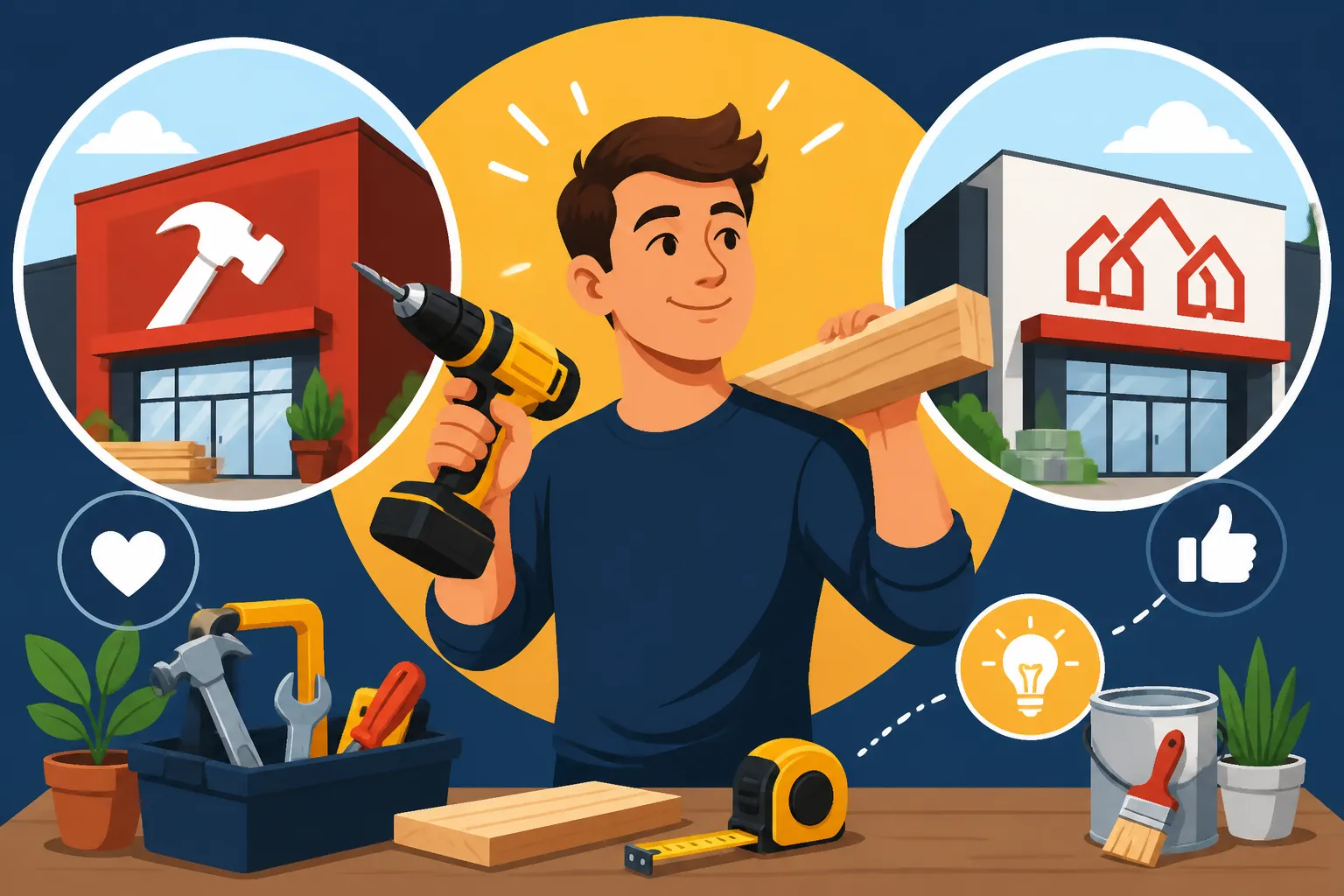
Once you've accepted your fate as a temporary (or permanent) DIY warrior, your next step is to understand where to get your tools and materials. Denmark has a well-established network of hardware stores, each with its own strengths and target audience. Getting to know them will save you time, money, and a lot of frustration. These aren't just places to buy nails; they are essential community hubs for home improvement.
Think of them as your training grounds. You'll learn to distinguish between different types of rawlplugs, understand the arcane Danish names for various wood finishes, and possibly even pick up a few useful Danish phrases from the staff. Don't be shy to ask for help; while not all staff may be fluent in English, many are quite helpful and will do their best to assist you in finding what you need.
Silvan: The All-Rounder (and English Speaker Friendly)
Silvan is perhaps one of the most recognizable names in Danish hardware, with stores dotted across most major towns and cities. It's often the first stop for many expats, and for good reason. Silvan stores are generally well-organized, offer a broad selection of products, and often have staff who speak at least some English. This can be a huge relief when you’re trying to explain what a "toggle bolt" is in a foreign language.
You'll find everything from paint and brushes to power tools, garden supplies, plumbing fixtures, and a decent selection of lighting solutions (since, you know, you'll need those). Their prices tend to be mid-range, offering a good balance between quality and affordability. For larger projects, or when you need a specific type of wood or specialized advice, Silvan is a reliable choice. They also frequently have sales, so keep an eye out for their tilbudsaviser (ad flyers) that often arrive in your mailbox. It's a great place to start building your basic toolkit, from your first drill to a reliable set of screwdrivers.
Bauhaus: For the Serious DIYer and Garden Enthusiast
If you're embarking on a more ambitious home improvement project, or if you simply love a vast selection, Bauhaus is your destination. These are typically much larger stores, often located on the outskirts of cities, so you might need a car (or a very large cargo bike!) to get there. Bauhaus positions itself as the more comprehensive option, catering to both serious DIYers and professional craftsmen. Their range of products is extensive, from enormous lumberyards and building materials to elaborate kitchen and bathroom showrooms, and truly impressive garden centers.
While prices might be slightly higher than some budget alternatives, the quality and sheer variety make it worthwhile for specific needs. If you’re looking for a particular type of tile, a specialized power tool, or an entire shed for your garden, Bauhaus is likely to have it. The scale of the stores can be a bit overwhelming at first, but once you get the hang of it, you'll appreciate the depth of their inventory. Just make sure your phone battery is charged, as you might need to use an app like Airalo to stay connected and translate product descriptions or call a friend for advice while navigating the aisles of such a massive store.
Jem & Fix and Harald Nyborg: Budget-Friendly Basics
For those quick fixes, everyday consumables, or when you're simply trying to save a few kroner, Jem & Fix and Harald Nyborg are excellent options. These stores typically focus on offering products at competitive prices, often with a more limited but still perfectly functional selection. You might not find the fanciest designer paint colors or the most high-tech power tools, but you’ll certainly find good value on nails, screws, basic paint, cleaning supplies, and garden essentials.
Jem & Fix stores are usually smaller and more numerous, often found in local neighborhoods, making them convenient for a spontaneous run for a box of screws or a new lightbulb. Harald Nyborg, while also budget-focused, tends to have a slightly broader range than Jem & Fix, including more electronics, car accessories, and camping gear alongside their hardware. These stores are perfect for stocking up on supplies for general maintenance around the house or when you need to purchase something disposable without breaking the bank. Don't underestimate them for their value; they're crucial for the ongoing upkeep that living in Denmark requires.
Essential DIY Skills Every Expat Should Master
Stepping into a Danish apartment often feels like a clean slate, especially with the common practice of rentals being delivered without basic light fixtures or pre-painted walls. This means you'll quickly become familiar with a few fundamental DIY tasks that are less common as a renter in other countries. Getting comfortable with these will not only save you money but also empower you to personalize your space and feel more at home.
The initial hurdle might seem daunting, but countless expats before you have mastered these skills. Remember, it's a learning curve, and it’s okay to make mistakes. The satisfaction of a self-mounted shelf or a freshly painted wall is immense, and it’s a shared experience among those who make Denmark their home. You're not just fixing things; you're becoming a part of the local practical ethos.
Hanging Lights and Shelves (The Danish Way)
This is perhaps the most fundamental skill you'll need. As discussed, most apartments won't come with ceiling lights, and you’ll likely want shelves to display your treasures or simply organize your space. The biggest challenge here is often the type of wall you encounter. Older Danish apartments often have solid concrete walls, which require a powerful drill and the correct type of drill bit (a masonry bit) along with sturdy rawlplugs (often referred to as dybler). Newer builds or some internal walls might be plasterboard (gips), which requires special plasterboard plugs that expand behind the board.
Step-by-step essentials:
- Safety First: Always use a voltage detector (spændingsmåler) to check for electrical wires behind where you plan to drill, especially near existing outlets or light points. Electricity is not something to mess with!
- Marking: Use a pencil to mark your drilling points. For shelves or multiple items, use a spirit level (vaterpas) to ensure everything is straight.
- Drilling: Select the correct drill bit size for your chosen rawlplug (the size is usually printed on the plug packaging). Drill straight into the wall.
- Rawlplugs: Insert the rawlplugs firmly into the drilled holes. If they’re loose, you might need a slightly larger plug or a stronger type.
- Mounting: Screw your light fixture or shelf bracket into the rawlplugs. Ensure it feels secure before adding weight. For ceiling lights, remember to switch off the main power at the fuse box (sikringsboks) before touching any wires. If in doubt, please call an "English-Speaking Handymen: Finding Plumbers and Electricians" to help you out. It's truly not worth risking your life over.
Basic Painting and Wall Prep
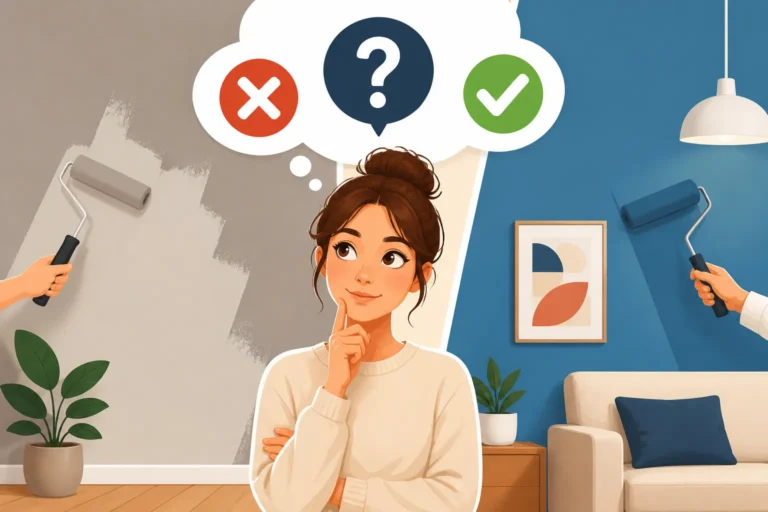
Unless your lease specifically states the apartment has been freshly painted, you might find yourself looking at walls that bear the marks of previous tenants. Or perhaps you simply want to add a splash of color to make the space your own. Painting is a relatively easy and cost-effective way to transform an apartment, but it does require some preparation. And yes, "Can You Paint the Walls in a Danish Rental Apartment?" is a question many expats ask – the answer is usually yes, within reason, and often with the expectation of painting it back to white (or a neutral color) upon departure.
Here’s what you'll need:
- Paint: Choose a good quality interior paint (vægmaling). Matte finishes are popular in Denmark.
- Brushes and Rollers: Rollers for large surfaces, brushes for edges and corners.
- Masking Tape (malertape): Essential for protecting skirting boards, door frames, and window sills.
- Drop Cloths (afdækningsplast): To protect floors and furniture.
- Sanding Paper (sandpapir) and Spatula (spartel): For repairing small holes or imperfections before painting.
Before you start, clean your walls thoroughly. Fill any holes from previous tenants’ pictures or shelves with filler (spartelmasse), sand it smooth, and then apply your masking tape precisely. A good quality paint and proper prep will make all the difference in achieving a professional-looking finish. Take your time, apply thin coats, and allow adequate drying time between coats.
Understanding Danish Fixtures and Measurements
One subtle but important aspect of DIY in Denmark is getting used to the metric system for everything. While this might be second nature for many, for those coming from countries using imperial measurements, it's a significant mental shift. All measurements for wood, screws, pipes, and indeed, every other item in a hardware store, will be in millimeters, centimeters, and meters.
Furthermore, Danish electrical outlets are Type K, which is unique to Denmark. You’ll need adapter plugs if your devices are from countries with different plug types (though most modern electronics come with universal chargers). When buying light bulbs, pay attention to the fitting type (E27, E14, GU10 are common) and wattage/lumens. Plumbing fixtures can also differ slightly from what you might be used to, so if you're attempting anything beyond connecting a washing machine, it's wise to consult a local or even just double-check with hardware store staff, often referred to as a rådgiver. This attention to detail will help you avoid frustrating trips back and forth to the store.
Beyond the Hammer: Resources and Community
Even the most enthusiastic DIYer sometimes hits a wall (pun intended!). Or maybe you need a specialized tool you don't want to buy, or simply some advice on a tricky situation. Denmark's robust community spirit and digital infrastructure offer plenty of avenues for support, resources, and even tool-sharing that go beyond just buying new items at the hardware store.
Remember, you're not alone in this journey. Many expats have been exactly where you are, grappling with concrete walls and perplexing electrical setups. Tapping into the collective knowledge and resources available can make your DIY adventures much smoother and even more enjoyable. It’s all part of integrating into Danish life.
Online Resources and Inspiration
The internet is your friend, especially when you're trying to figure out how to do something you've never done before. YouTube is a treasure trove of DIY tutorials, often with visual step-by-step guides that transcend language barriers. Simply search for "how to hang a lamp on concrete ceiling" or "maler væg tips" (painting wall tips) and you'll find a wealth of information.
Beyond general DIY channels, look for local Danish blogs or forums. While they might be in Danish, Google Translate can work wonders, and the visual content is often self-explanatory. Expat Facebook groups for cities like Copenhagen or Aarhus are also invaluable. Post your question, often with a photo of your dilemma, and you'll usually receive a flood of helpful advice, recommendations for local services, or even offers of help from fellow expats who have faced (and conquered) similar challenges. These communities are fantastic for sharing practical tips and validating your frustrations.
Borrowing and Lending
One of the most charming aspects of Danish culture, particularly in residential areas, is the willingness to help out neighbors. This extends quite naturally to tools. If you only need a specialized drill bit for one project, or a ladder for a few hours, consider asking a neighbor. Many Danes are happy to lend a tool they're not currently using, fostering a sense of community and reducing unnecessary purchases. This nabo culture can be a huge money-saver and a great way to meet people.
Beyond individual neighbors, some communities or apartment complexes even have shared tool sheds or agreements for borrowing larger items. There are also services that allow you to rent tools for a day or a weekend, which is ideal for expensive equipment you'll only use occasionally. For instance, some of the larger hardware stores like Bauhaus offer tool rental services. Check their websites or inquire in-store about their udlejning (rental) options. This approach aligns perfectly with the Danish emphasis on sustainability and practicality, making you a savvy expat DIYer.
| Hardware Store | Primary Focus | Price Level | Selection Depth | Key Differentiator |
|---|---|---|---|---|
| Silvan | General home improvement | Mid-range | Good, broad | Balanced, often more English-speaking staff |
| Bauhaus | Large-scale projects, garden, pro-grade | Mid-to-high | Very extensive | Huge stores, wide variety, specialized departments |
| Jem & Fix | Basic essentials, small projects | Low | Focused, budget-friendly | Aggressively low prices, convenient local stores |
| Harald Nyborg | Bargains, diverse general goods | Low | Broad, value-oriented | Discounted tools, electronics, leisure items |
Disclaimer
The information provided in this guide is intended for general informational purposes only and does not constitute professional advice. While we strive to provide accurate and up-to-date information, rules and regulations in Denmark can change, and individual situations may vary. Always consult with relevant professionals or official sources for specific advice regarding your personal circumstances. DIY projects carry inherent risks; always prioritize safety and consult an expert for tasks involving electricity, plumbing, or structural integrity if you are unsure.